What does a walleye fish taste like?
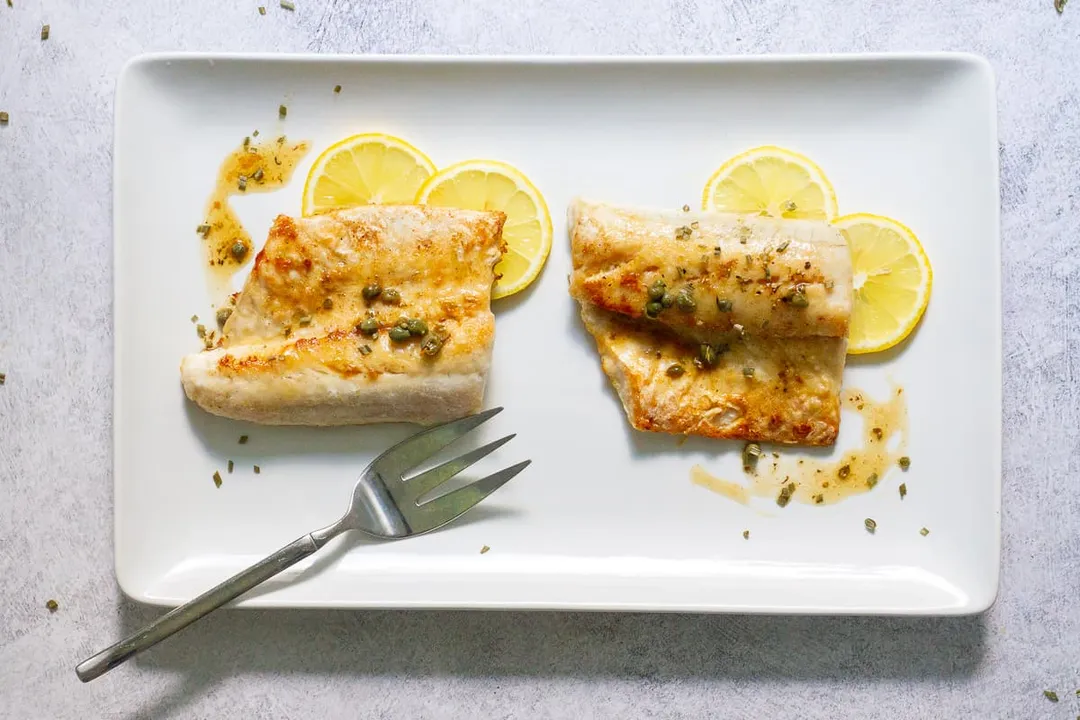
The general consensus among those who seek out this popular catch is that walleye presents a flavor profile leaning toward the mild and sweet side. It is frequently highlighted as possessing one of the best-tasting freshwater fish flavors available, often noted for its light, delicate essence when compared to stronger-flavored freshwater species. If you are used to fish with a strong, overtly "fishy" taste, walleye will likely surprise you with its subtle nature.
# Flavor Profile

Describing the precise flavor can be tricky because personal experience and environmental factors play a significant role. However, the core experience is often summarized by its white fish characteristics: a clean taste that isn't oily or overly assertive. Some describe it simply as having a sweet flavor profile. The white flesh cooks up beautifully, taking on seasonings without being overwhelmed by them.
When discussing the taste, one must acknowledge the outliers. While many anglers tout it as a premier eating fish, some individuals report negative experiences, suggesting that walleye can sometimes taste "muddy" or "fishy". This dichotomy in opinion strongly suggests that where and how the fish lives directly impacts the final product on the plate.
# Texture and Quality
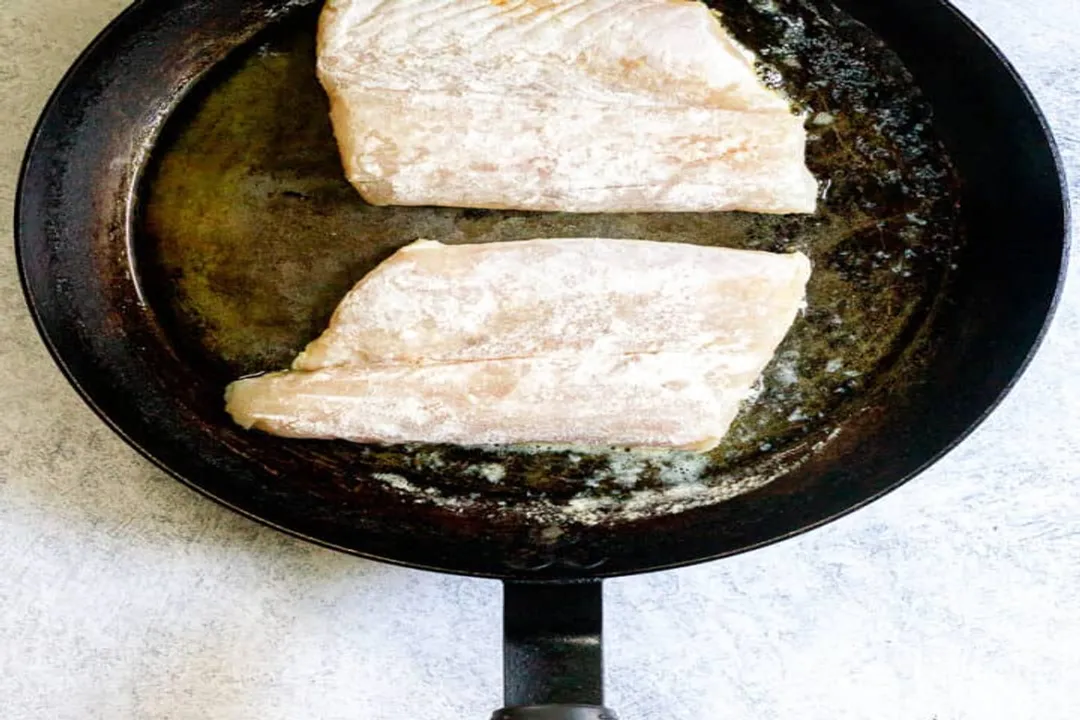
Beyond the flavor, the texture of properly cooked walleye is a major draw for diners. The flesh is described as flaky yet firm, providing a satisfying mouthfeel that resists crumbling excessively when handled carefully. It holds its structure well, making it excellent for various cooking methods, though simple preparations often shine the brightest. The quality of the meat is often tied to how quickly it is cooled and processed after being caught, reinforcing the idea that freshness is paramount to achieving that desired delicate texture.
# Taste Comparisons
In the world of freshwater angling and dining, walleye often enters into friendly debates comparing it to other popular catches in the same waters.
One common comparison is with its cousin, the northern pike. Anglers who prefer walleye often point out that pike can carry a "muddier" flavor profile compared to the cleaner taste of walleye. While pike is certainly edible, walleye generally wins the popularity contest for table fare among many recreational fishermen.
Another fish frequently mentioned alongside walleye is perch. Some experienced anglers suggest that, depending on the body of water, perch can sometimes taste better than walleye, though this is highly subjective. However, others maintain that walleye is superior to perch, indicating that water quality and the individual fish's diet are the true determining factors.
| Characteristic | Walleye Description | Comparative Note |
|---|---|---|
| Flavor | Mild, sweet, delicate | Generally cleaner than Northern Pike |
| Texture | Firm, flaky, tender | Excellent structure for cooking |
| Potential Issue | Can taste "muddy" or "fishy" | Dependent on environment/diet |
# Environmental Factors
The flavor variance described by diners is directly linked to the fish's environment and diet. Walleye are known to inhabit various conditions, from cold, clear lakes to larger, productive bodies of water like Lake Erie. Fish taken from cooler, deep waters often exhibit the cleanest flavor, as lower temperatures can inhibit the growth of organisms that contribute to off-flavors. Conversely, fish feeding heavily on certain forage or residing in warmer, shallower water with more organic matter risk developing those stronger, sometimes undesirable, notes.
One particularly valuable insight for those catching walleye for consumption involves understanding local water conditions. For instance, reports from busy fisheries often highlight peak seasons when the fish are feeding actively on preferred species, suggesting that immediately following these high-activity periods yields the best results for flavor consistency. It stands to reason that a fish expending a lot of energy eating clean prey will taste better than one stressed or feeding on lower-quality food sources.

# Preparing for Excellence
Because the baseline flavor is already delicate, preparation should aim to enhance, not mask, the fish’s natural appeal. The consensus favors simple cooking methods that highlight the texture and mild taste. Pan-searing is a frequently recommended technique, often using just butter, salt, and pepper to allow the inherent sweetness of the flesh to come forward.
A key consideration for ensuring a high-quality meal involves the processing immediately after the catch. While the sources focus on the taste, the preparation phase is critical to preserving that taste. If you plan to eat your catch, ensure the fish is bled and iced as soon as possible. This rapid cooling stops enzymatic breakdown, which is a significant contributor to any potential lingering "fishy" taste, regardless of how clean the water was.
Another aspect that seasoned eaters often consider, which moves beyond simple recipe execution, is the size of the fish. While not explicitly stated across all sources regarding taste, generally, larger, older fish tend to have more developed fat stores and potentially stronger flavors compared to younger, smaller specimens. For the absolute mildest experience, targeting medium-sized keepers—often in the 14 to 18-inch range, depending on local regulations—is a good strategy to consistently achieve that prized, delicate texture. This preference for smaller, younger fish helps ensure that the resulting fillet is tender before the fish has had years to accumulate varied dietary intake that might taint the flavor.
Finally, never discount the value of rinsing the fillets thoroughly under cold, clean running water before seasoning. While this step seems minor, removing any trace amounts of bloodline or slime residue from the cutting process can make a perceptible difference in the final, subtle flavor of the cooked meat, especially when aiming for the clean profile associated with top-tier walleye. This small attention to detail separates a good meal from a truly excellent one when dealing with a fish prized for its mildness.
#Videos
What size walleye tastes better and why? - YouTube
Related Questions
#Citations
Anyone eat walleyes how do they taste ? : r/OttawaFishing - Reddit
How would you describe the flavor of walleye? - Quora
Walleye Culinary Profile - Chefs Resources
What Does Walleye Taste Like Guide for Cook and Fish
Pan-Seared Walleye - Champagne Tastes®
Walleye Taste vs Northern Pike Taste? | Nodak Angler
Walleye Fishy Taste?? - Walleye Fishing Forum
What size walleye tastes better and why? - YouTube
Are walleye good eating? - Facebook
Walleye are Poor Table Fish | Michigan Sportsman Forum