What does lamprey meat taste like?
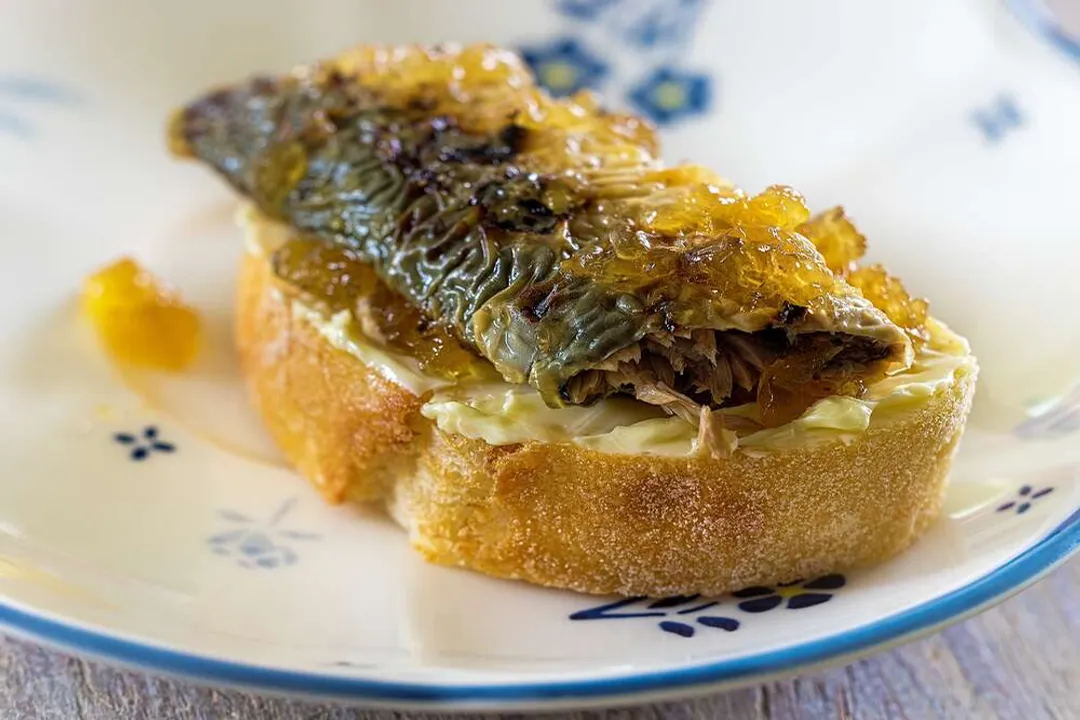
The question of what lamprey meat tastes like is one that often carries a visual hurdle first. Given the lamprey's notoriously round, sucking mouth and parasitic lifestyle, many anticipate a flavor profile as aggressive or gruesome as its appearance suggests. [2][4] However, reports from those who have prepared and consumed lamprey, whether in traditional pies or modern taste tests, suggest a more nuanced experience, heavily dependent on technique. [2][4] Generally, the flesh is described as tasting somewhat like eel or catfish. [2][4] Some describe it as being similar to a very strongly flavored, rich eel, even drawing comparisons to the intensity of sardines or anchovies when richly prepared. [1]
# Flavor Profile

When properly cooked, the mildness of the flesh comes to the forefront, though some find it retains a degree of fishiness that is more pronounced than in standard white fish like catfish. [4] One detailed account from an organized taste test noted the cooked sea lamprey was mild and slightly earthy. [2] This earthiness might be what contributes to the comparison to certain stronger-tasting fish. [2][4] It is crucial to note that the raw or improperly handled fish carries a much more intense, potentially off-putting flavor associated with blood and its parasitic nature. [1]
For those accustomed to the delicacy of lamprey pie, the meat, once stripped from the bone, is often encased in a rich pastry and baked in a savory, spiced red wine sauce, which masks any lingering intense notes. [3] When served in these traditional manners, the meat itself acts as a carrier for the powerful surrounding flavors, allowing it to be enjoyed as a festive centerpiece rather than being judged solely on its inherent flavor. [3]
# Texture Analysis

Texture is frequently mentioned alongside taste, and here the descriptions show a greater consensus: lamprey is soft. [4] One descriptor positions the texture as sitting somewhere between that of a slippery eel and a soft crab. [2] Others specify the cooked flesh is soft and slightly gelatinous. [4] This soft consistency is part of what makes proper preparation vital; if the meat is not handled well, the soft nature might be perceived negatively or as being too mushy. [4]
An interesting contrast arises between the visual expectation and the sensory reality. Many people approach lamprey expecting a tough or slimy texture due to its appearance as an ancient, predatory jawless fish, yet the cooked result is decidedly soft and delicate. [4] This unexpected tenderness, when paired with a well-seasoned sauce, suggests that the preparation method is key to elevating the experience from a culinary curiosity to a satisfying dish. [2][5]

# Preparation Importance
Cooking is not optional; it is fundamental to making lamprey palatable, especially when dealing with sea lamprey. [5] The primary goal of most cooking techniques is to eliminate the strong fishy taste that the raw animal possesses. [5]
Several effective methods emerge from various accounts:
- Baking/Pie: The most famous preparation involves encasing the lamprey in pastry to create the classic lamprey pie. [3] This method often utilizes a liquid base, such as a spiced red wine sauce, in which the fish is baked. [3]
- Boiling and Reduction: Another technique involves boiling the lamprey in a mixture of wine and water. [5] The resulting liquid is then reduced down to create an intense sauce that coats the cooked fish. [5]
- Frying or Grilling: Simpler methods like frying or grilling are also employed, though the flavor may still require external seasoning. [5]
For taste-testers focused purely on the flesh, removing the skin made a noticeable, positive difference in the final experience. [4] Furthermore, because the flesh itself is mild, chefs often pair it with bold, assertive flavors. Strong components like bacon or rich wine sauces are used not just for flavor, but as necessary partners to balance the inherent mildness or slight earthiness of the meat. [2] Thinking about this pairing reveals a culinary strategy: the lamprey provides a unique, soft body, while secondary ingredients bring the punch necessary for a complete flavor profile. If one were attempting this at home without a traditional recipe, substituting a strong, acidic marinade or grilling over smoky wood chips would likely be necessary to mimic the depth provided by centuries-old wine-based sauces. [3]
# Historical Context
The consumption of lamprey is deeply rooted in European history, long predating modern culinary trends. [3][6] This fish was considered a delicacy worthy of royal attention, though perhaps too much attention in one infamous case. [3]
The association between lamprey and royalty is strongly tied to the coronation feast of King Henry I of England in the year 1100. [3] Lampreys were traditionally eaten on holy days or as part of significant celebrations, cementing their status as a high-value food source. [3] The story, perhaps serving as a cautionary historical footnote about indulgence, suggests King Henry I met his end due to overconsumption of these very fish. [3][6] This historical context shows that the high regard for lamprey pie was not just about novelty; it was a rich, perhaps heavy, food reserved for the most important occasions. [3]

# Cultural Significance
While the historical narrative often centers on European royalty, lamprey remains a profoundly important food source in other parts of the world, particularly for Indigenous communities in North America. [7] For the Confederated Tribes of the Warm Springs and the Yakama Nation in the Pacific Northwest, lamprey harvesting along rivers like the Willamette is a celebrated annual event. [7] These traditional harvests occur during the spring spawning runs, ensuring a vital food supply. [7]
The approach in these contexts contrasts sharply with the historical European focus on a singular, rich pie for celebration. Here, the lamprey is integrated into the subsistence and cultural continuity of the tribes. [7] This difference in perspective—lamprey as a rich, potentially dangerous delicacy for medieval kings versus lamprey as a core, cyclical food source for contemporary tribal nations—highlights how dramatically cultural context shapes a food's perceived value and preparation. [3][7] While a European monarch might risk his life on a single, heavily sauced pie, a tribal fisher relies on the steady, sustainable harvest to maintain community health. [7] Understanding the lamprey's role today requires appreciating its long-standing status as both a ceremonial treat and a fundamental nutritional staple in different traditions. [7]
Related Questions
#Citations
Hey, has anyone here ever had Lamprey Pie? It sounds ...
The Sea Lamprey Society Gathered to Eat the Most ...
Lamprey pie
That Time I Organized a Sea Lamprey Taste Test
How to Eat Sea Lamprey, The World Most Hideous Fish
The Medieval Monarch Who Ate So Many Lampreys He Died
Yakama, Warm Springs tribes celebrate lamprey harvest