What does NJ tea taste like?
New Jersey Tea, also known by its scientific name Ceanothus americanus, offers a flavor experience quite distinct from the everyday black or green tea derived from Camellia sinensis. [2] The very act of seeking to define its taste often leads to a collection of varied descriptions, suggesting that the final cup is highly dependent on how it is prepared and perhaps even which part of the shrub is being steeped. [2][4] Historically, this native shrub earned its moniker during the American Revolutionary War when colonists sought alternatives to imported tea, making its flavor profile deeply rooted in necessity and improvisation. [3][8]
# Botanical Identity
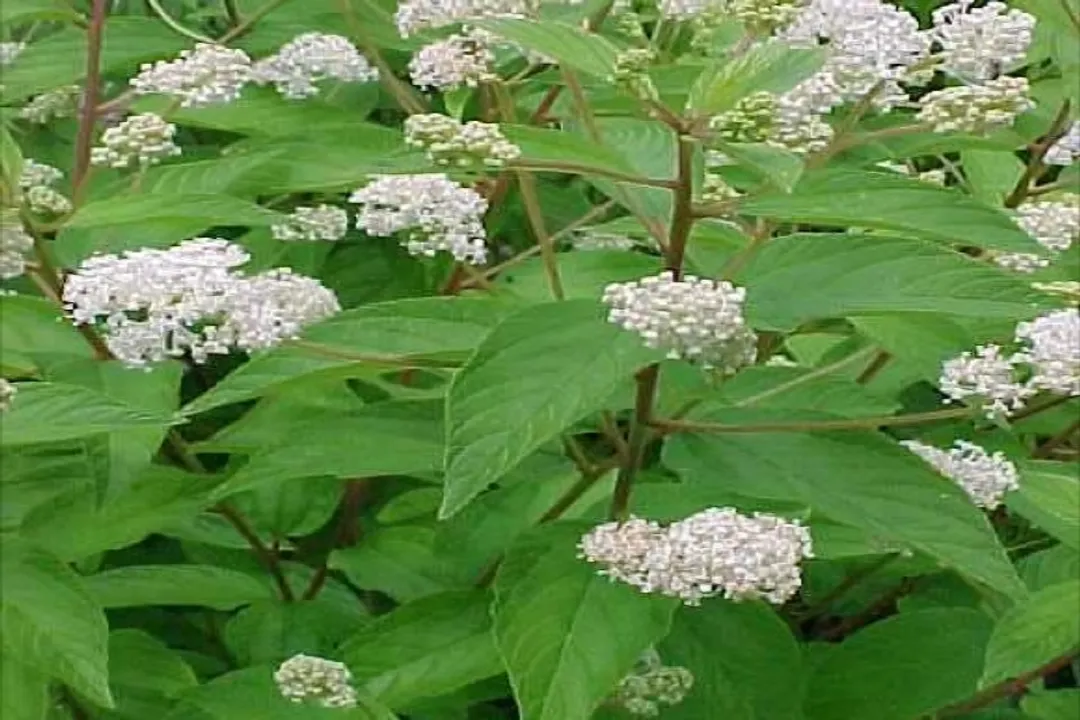
Before diving into the palate, understanding the plant itself helps frame the expectations for the beverage. Ceanothus americanus is a deciduous shrub native to eastern and central North America. [1][3] It is an important native plant, often grown for ornamental purposes due to its attractive appearance, including its small white flowers that bloom in the late spring or early summer. [3][9] It is a nitrogen-fixer, meaning it enriches the soil where it grows, a beneficial trait for gardeners. [1]
The plant produces dark green leaves that are ovate with serrated edges. [1] When preparing the tea, it is most commonly the leaves that are harvested, though historical accounts sometimes mention the flowers as well. [4] The plant itself is a member of the buckthorn family, Rhamnaceae. [3] Knowing that you are drinking an infusion from a completely different botanical family than commercial tea helps explain why the flavor profile diverges so significantly. [2]
# Core Flavor Components
When people first experience New Jersey Tea, the consensus generally centers around a few key characteristics that differentiate it from traditional store-bought teas. The most frequently mentioned attributes are astringency, sweetness, and bitterness. [4][5][7]
One source notes that the tea possesses a mild and somewhat sweet character. [5] However, this sweetness is often counterbalanced by a noticeable astringency. [4][5] Astringency, the drying, puckering sensation you get in your mouth, is a common element in many herbal infusions, but in this case, it seems to be a defining feature. [4]
Contrastingly, other experiences report a distinctly bitter component, sometimes paired with a hint of sourness. [4][7] This bitterness might be what leads some users to describe the resulting infusion as slightly medicinal in flavor. [4] It is important to note that the taste can be quite subtle, leading some to feel it is weak unless prepared strongly or sweetened substantially. [2]
# Astringency Versus Bitterness
The interplay between astringency and bitterness is where the perception of NJ Tea flavor truly lies. Astringency comes from tannins, which are present in many plant materials, including traditional tea leaves. [4] The bitterness, however, may be less desirable for a casual drinker. For those accustomed to a smooth, sweet cup of tea, the immediate mouthfeel of a strong New Jersey Tea infusion might be surprising due to this combination of dry, puckering, and slightly bitter notes. [4][7]
When sourcing this information, it becomes clear that describing the taste relies heavily on subjective interpretation. One person’s “mildly astringent” is another’s “too bitter.” This variability is common in foraged or wild-harvested herbal teas where growing conditions, soil chemistry, and time of harvest can drastically alter the concentration of flavor compounds in the leaves. [2]
| Flavor Attribute | Common Descriptor Range | Implication for Preparation |
|---|---|---|
| Astringency | Mild to pronounced drying sensation | May benefit from shorter steep times or lower water temperature. |
| Sweetness | Present but often subtle | May require added sweetener to satisfy palates accustomed to C. sinensis. |
| Bitterness | Mildly noticeable to distinctly present | Often linked to over-steeping or harvesting at certain maturity levels. |
| Overall Profile | Earthy, mild, medicinal | Requires balancing the bitter/astringent elements with sweetness. |

# Preparation and Flavor Management
Given the diverse flavor descriptions—ranging from mild and sweet to distinctly bitter and medicinal—the method of preparation becomes crucial for achieving a pleasant cup. [2][4][5] Since the plant is not cultivated specifically for its beverage qualities like Camellia sinensis, the user is essentially becoming the flavor processor.
# The Role of Freshness and Part Used
The health and age of the leaves likely play a significant role. While sources focus on the final taste, an informed user recognizes that freshly picked leaves will yield a different infusion than dried, aged leaves. [1] Furthermore, historical mentions sometimes include the flowers, suggesting that using the white flowers instead of, or in addition to, the leaves could significantly alter the flavor profile, potentially reducing bitterness while adding a different floral note. [4] If one part leans towards astringency and another towards bitterness, mixing them might yield a more complex but balanced result, or conversely, it might amplify the less desirable notes. It is an area where personal experimentation is key to finding a preferred balance.
If you are approaching this as a novice herbalist seeking the best flavor, a good starting point is to try a very light infusion first. Steep only a small amount of dried leaf in moderately hot (not boiling) water for just a minute or two, then taste. This minimal approach can help you discern the base sweetness and mildness before the more dominant, potentially harsh compounds are fully extracted. [5]
# Comparison to Commercial Tea
It is critical for a reader to understand that New Jersey Tea does not taste like black tea or green tea; it tastes like an infusion made from Ceanothus americanus leaves. [2] Commercial teas have established profiles—black tea is malty and robust, green tea is grassy and vegetal. New Jersey Tea exists in its own category, historically valued more for its availability and caffeine-free nature than for a complex flavor comparable to globally traded varieties. [8]
Think of it this way: commercial tea offers a highly refined spectrum of familiar flavors, honed over centuries of processing techniques. NJ Tea offers a simpler, perhaps rawer, experience. If you expect the depth of an aged Pu-erh or the bright astringency of a Darjeeling, you will likely be disappointed. [2] Instead, approach it as you would a mild tisane—a pleasant, warming drink that offers connection to local flora rather than a highly curated flavor experience. [3]
# Historical Context and Flavor Perception
The historical context subtly informs how we perceive the taste today. When colonists were making this tea, the goal was substitution, not gourmet sipping. [8] The ability to create any warm, mildly flavored beverage when official trade routes were cut off was the true reward, making any perceived bitterness or earthiness secondary to the patriotic and practical success of the infusion. [4]
In contrast, modern consumers are tasting it with the expectation of enjoyment on par with specialty beverages. This places higher scrutiny on the flavor. It is likely that the original drinkers were more forgiving of the natural astringency because the reward was socio-political, not purely gustatory. [3]

# Cultivation and Sourcing Notes
For those growing their own Ceanothus americanus, whether for landscape beauty or for tea, recognizing its native status offers insight into its hardiness. It thrives in a variety of conditions but generally prefers well-drained soil. [1][9] This ties back into flavor—a stressed plant in poor soil might concentrate certain tannins or bitter compounds more heavily than one growing vigorously in its preferred habitat.
If you source leaves commercially, look for reputable small seed or herb suppliers specializing in native plants, as they are more likely to understand the proper harvest times and drying methods necessary to preserve the best potential flavor characteristics. [6][10] Many smaller operations emphasize that they harvest leaves when they are tender and young to avoid excessively tough or bitter mature foliage, although they may not explicitly state this is to improve tea flavor. [3]
A key consideration for any herbal tea drinker is avoiding contamination. Since this plant is often grown as an ornamental, ensuring that any leaves used for consumption have never been treated with pesticides or fungicides is paramount. This is a safety measure that directly impacts the clean taste of the final brew. [4]
# Finalizing the Experience
Ultimately, what does New Jersey Tea taste like? It tastes like a mild, slightly sweet, and noticeably astringent herbal infusion with potential notes of bitterness or medicinal quality. Its flavor profile is simple, clean, and deeply tied to its American origins. [4][5]
If you find the natural brew too sharp, adding a touch of honey—perhaps local honey, to keep the theme local—can smooth out the rough edges of the astringency without overpowering the mild inherent flavor. [2] Because the caffeine is absent, it makes for an excellent evening beverage, offering warmth and ritual without the stimulating effects of Camellia sinensis. [9] The experience is less about bold flavor impact and more about the quiet satisfaction of drinking a native, historically significant brew. [8] It’s a taste of American self-reliance, captured in a simple cup of steeped leaves.
Related Questions
#Citations
New Jersey Tea
New Jersey Tea: What does it taste like?
Plant Of The Month: New Jersey Tea
Ceanothus americanus - New Jersey Tea
New Jersey Tea | The Thing That is Steve
New Jersey Tea
Who has New Jersey Tea on their property and where is it ...
New Jersey Tea | Hyattsville, MD - Official Website
New Jersey Tea
New Jersey Tea