What does civet taste like?
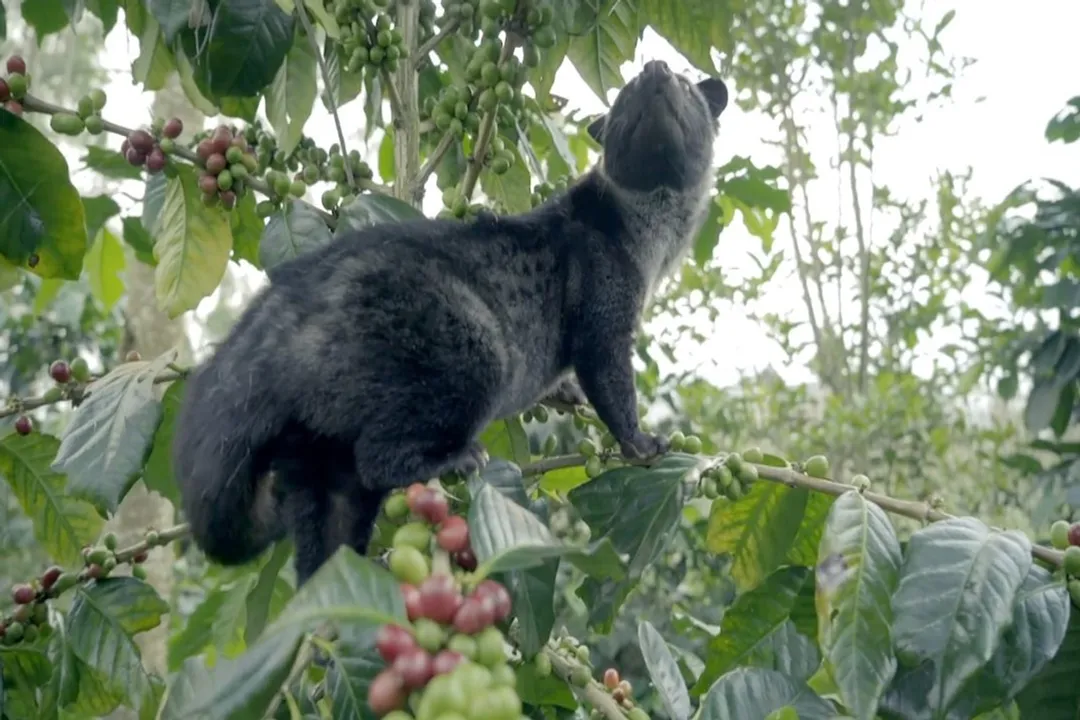
The conversation surrounding civet coffee, perhaps best known by its Indonesian name Kopi Luwak, frequently circles back to one central, yet highly subjective, query: what exactly does it taste like? It is a beverage steeped in mystique, often associated with controversy due to its unique, biologically-driven processing method. Those who have sampled it often describe the resulting cup as distinct, though exactly how distinct remains a matter of intense personal debate among coffee enthusiasts. [1][4][5]
# Acidity Bitterness
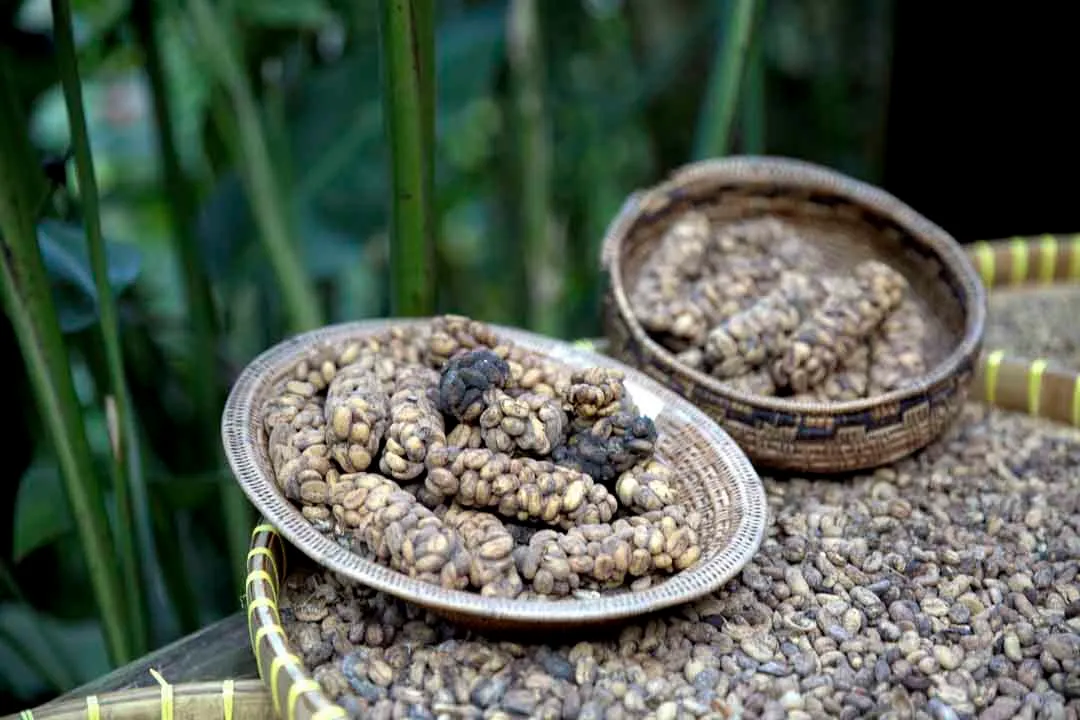
The primary chemical change reported in civet coffee relates to its perceived acidity and bitterness, which many consumers find significantly reduced compared to conventionally processed beans. [2][5] The mechanism behind this alteration is widely attributed to the digestive process within the Asian palm civet. As the coffee cherries pass through the animal’s digestive tract, certain enzymes are thought to work on the proteins within the beans. [2][6] This enzymatic action is theorized to break down these proteins, which are often responsible for causing bitterness and harshness in the final brewed cup. [5] Consequently, descriptions of Kopi Luwak often highlight a smoother mouthfeel and a noticeable lack of the sharp, acidic bite found in many high-quality Arabica coffees. [1][9] One common sentiment expressed by tasters is that while regular coffee might have a noticeable finish or bite, the civet coffee version seems to simply end more gracefully on the palate. [10]
# Flavor Profiles

Pinpointing a universal flavor profile is difficult because the taste is heavily influenced by the quality of the initial bean, the civet's diet (which varies naturally or through captive feeding), and the preparation method used for brewing. [3] However, several recurring notes emerge from user descriptions. Many tasters report flavors reminiscent of dark chocolate or rich cocoa. [1][6] Others note an intense earthiness, sometimes leaning toward musty or fungal notes, though this is sometimes interpreted as a sign of lower quality or improperly cleaned beans. [1][4] A few reviews suggest it possesses a complexity that allows underlying flavor notes, perhaps inherent to the specific origin bean, to shine through more clearly once the distracting acidity and bitterness are stripped away. [5] One user, comparing it to a typical, high-quality espresso blend, felt the civet coffee was surprisingly muted in overall flavor intensity, perhaps sacrificing aromatic complexity for smoothness. [10] This suggests that for some, the process strips away too much of the expected character. [5]
To offer a clearer comparison, consider this subjective breakdown based on compiled consumer feedback:
| Attribute | Standard Premium Coffee | Kopi Luwak Experience |
|---|---|---|
| Acidity | Bright, lively, crisp | Low, muted, gentle |
| Bitterness | Present, balancing sweetness | Reduced, mellow finish |
| Body/Mouthfeel | Varies widely | Often reported as very smooth |
| Dominant Notes | Fruit, floral, nutty, chocolate | Earthy, chocolate, sometimes perceived as 'flat' |
| Overall Impact | High aromatic complexity | Focus on smoothness over intensity |
It is a fascinating exercise to contemplate how much of the final taste is attributable to the civet's biology versus the preparation. If a taster were to blind-test a very low-acidity, naturally processed bean against an ethically sourced Kopi Luwak, the difference might only come down to the subtle, specific enzymatic breakdown that occurs only within the civet's digestive tract, rather than just general processing variations seen in standard wet or dry milling. [2]

# Consumer Subjectivity

Perhaps the most significant takeaway when discussing the taste of civet coffee is the sheer variability in human perception, often magnified by the coffee’s extraordinary price tag and reputation. When paying a premium, expectations are naturally astronomical, and disappointment can easily be mistaken for a poor flavor profile. [3] Some individuals who have tried it insist that while it is certainly smooth, they could not discern a flavor difference significant enough to justify the cost over a well-prepared, high-grade Sumatra Mandheling or a meticulously roasted Ethiopian Yirgacheffe. [1][5]
Conversely, there are dedicated accounts insisting that the difference is profound. For those sensitive to acidity or seeking an incredibly mellow brew, Kopi Luwak is described as revolutionary. [4] One experienced taster noted that the high price point often leads sellers to use only the finest beans as the starting material, meaning the excellent taste might stem from both the civet process and the initial selection process, making it difficult to isolate the true variable. [10] Furthermore, the context of the tasting—whether it is enjoyed as a novelty or as a serious contender in a cupping session—drastically alters the perceived quality. [1] This highlights an important consideration for any novelty food item: the psychological priming from the story often precedes the actual sensory experience.
# Sourcing and Flavor
A critical aspect that directly influences the final taste is whether the coffee beans were collected from wild civets or those raised in captivity, a point often obscured in commercial sales. [3][7] Wild civets naturally select the ripest, highest-quality cherries based on instinct, leading to a more nuanced and complex starting material that yields a better final cup, assuming the digestive process worked its magic as intended. [3]
Beans sourced from farmed or caged civets, however, are often fed a more limited, sometimes low-quality, diet composed heavily of rice or low-grade coffee fruit. [7] This constrained diet can result in a final product that tastes underdeveloped or muddy, lacking the subtle flavor compounds that would emerge from a diverse, wild diet. [1][7] If the civet is consuming low-quality beans, the enzymatic process can only refine what is already present; it cannot create flavor where none existed. This distinction helps explain why some consumers report a "flat" or uninspiring taste, suggesting they may have inadvertently purchased a product derived from less-than-ideal husbandry practices. [4]
If you are seeking the most authentic flavor experience, looking for beans explicitly labeled as "wild-collected" is paramount, although this traceability remains a challenge in the market. [3] An actionable approach for the discerning buyer, perhaps more effective than relying solely on the Kopi Luwak label, is to ensure the underlying bean is a high-grade Arabica from a respected Indonesian region, as this sets the highest possible baseline for flavor potential before the civet’s digestive system gets involved. [6]

# Brewing Considerations
How one prepares the coffee also modulates the final perception of civet flavor, particularly when dealing with beans already low in acidity. Since the inherent bitterness is already suppressed, brewing too hot or over-extracting the grounds can still introduce unpleasant, flat, or astringent qualities. [9] Many enthusiasts recommend treating the resulting grounds gently, favoring a medium-fine grind and a relatively quick brewing time to preserve the subtle, smooth characteristics. [4] Techniques like the French press or pour-over methods, which allow for careful control over temperature and saturation time, tend to be favored over methods that might aggressively strip the solubles too quickly. Using water slightly cooler than boiling point (around F to F) is often suggested to respect the bean's delicate nature, a tip that applies to any high-quality, low-acidity coffee, but perhaps becomes even more important here to avoid masking the unique enzymatic effects with standard heat-related astringency. [10]
Ultimately, the taste of civet coffee is a testament to biological interaction meeting culinary art. It is an experience that promises a distinct reduction in the harshness usually associated with coffee, leaving behind a brew that for some is exceptionally smooth, carrying notes of chocolate and earth, and for others, remains an expensive, slightly underwhelming curiosity when compared to its towering reputation. [1][5][9]
Related Questions
#Citations
Those of you who have tried civet coffee (kopi luwak) what was your ...
Kopi Luwak / Civet Coffee Beans
Kaya Kopi Luwak (Civet Cat Coffee)
What does civet coffee taste like? - Quora
What does Kopi Luwak taste like? - Coffee Stack Exchange
Weasel and Civet Coffee – Kopi Luwak
Kopi Luwak: civet coffee aka the infamous poop coffee - WayCap
Who discovered the taste of kopi luwak coffee? - Facebook
What does civet cat taste like?