What do lily buds taste like?
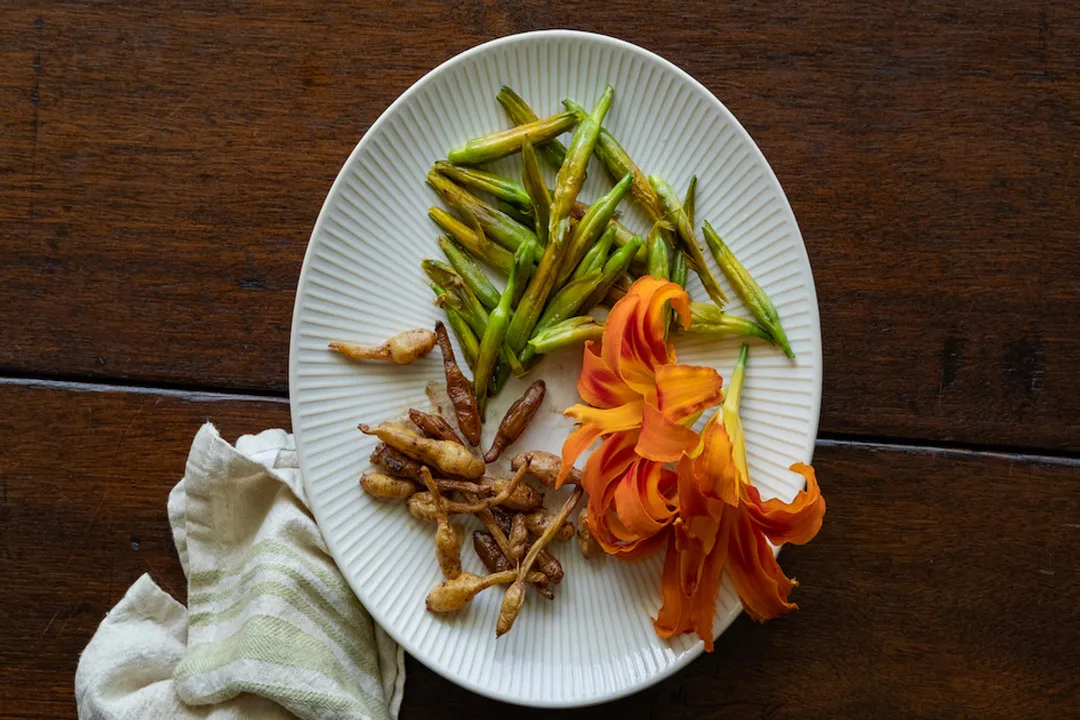
The experience of tasting a lily bud depends entirely on which part of the plant you are sampling and whether it has been dried or prepared fresh. The term "lily bud" can refer to the dried flower buds, commonly known as golden needles, or the fresh buds of the daylily plant, which offer a completely different flavor profile from the starchy, potato-like lily bulb that is also consumed in some cuisines. Understanding this distinction is the first step to appreciating the culinary uses of these fascinating flowers and their relatives. [1][3][4]
# Dried Flowers
The most common lily product encountered outside of fresh garden settings is the dried lily flower, which is the dried bud of the daylily, Hemerocallis fulva. [1][8] These dried pieces, frequently called "golden needles" in Asian cooking, possess a distinctly earthy and musky flavor. [1] When rehydrated, they release subtle notes that can be described as mildly floral. [8]
The taste isn't overwhelmingly potent, but rather contributes a deep, savory background note to dishes. [1] Because they are dried, their flavor profile is concentrated compared to their fresh counterparts. Think of them less as a vegetable and more as a dried spice or aromatic ingredient, similar to dried mushrooms, although much milder. [1] When added to soups, stews, or braises, they soften considerably, and their structure begins to break down slightly, which is actually a desired effect in many traditional recipes. [1]
# Culinary Function
Beyond flavor, the dried buds contribute significant texture and thickening power due to the mucilage they contain. [1] When cooked in liquid, this substance leaches out, giving broths and sauces a pleasant, slightly viscous mouthfeel. This functional aspect—the way they change the texture of the dish—is as important as their earthy taste in Chinese cooking applications like hot and sour soup or Buddha's delight. [1][8] Users online often note that proper rehydration is key; soaking them until they are completely soft ensures they integrate well into the final dish rather than remaining chewy. [2]
# Fresh Buds
Switching from the dried flower bud to the fresh bud of the daylily—which is not the same as the dried golden needle—reveals a much brighter, greener taste experience. [4][7] If you are foraging or harvesting directly from a daylily plant, the buds are harvested before they open. [7]
When eaten raw, fresh daylily buds tend to have a taste that balances slight sweetness with a touch of bitterness or acidity. [4] Some describe the immediate raw flavor as leaning toward the acidic side, requiring a bit of getting used to if you are unfamiliar with eating flowers in this manner. [4] It is worth noting that some culinary commentary suggests that while the taste is generally palatable, the raw flower petals can sometimes have a slightly slimy texture, which is why cooking is often preferred for textural reasons. [6]
# Cooked Daylily Flavor
Cooking transforms the fresh daylily bud significantly, moving it closer to familiar vegetable territory. [7] Once cooked—whether steamed, sautéed, or added to a stir-fry—the flavor mellows out considerably. [7] Many cooks report that the cooked flavor resembles that of tender asparagus spears or perhaps young green beans. [7] This shift from slightly bitter/acidic when raw to a mild, green, and slightly sweet flavor when cooked makes the fresh bud a versatile addition to spring or summer dishes. [4][7] The texture also improves upon cooking, becoming tender while potentially retaining a satisfying, light crispness if not overcooked. [7]
# Bulb Edibility
While the question specifically asks about buds, the edibility of the bulb warrants a mention because it is another part of the same plant family (Hemerocallis) that is consumed, though its taste is entirely different. [3] Daylily bulbs are starchy, offering a texture reminiscent of a potato or sweet potato when cooked. [3][5] They carry a mild, slightly sweet flavor profile characteristic of root vegetables, making them ideal for stir-fries where they absorb the surrounding sauces. [9]
This introduces a valuable point for the home cook: The texture and culinary role of the bulb are fundamentally different from the bud or flower. [3] The bulb is hearty and grounding, whereas the bud/flower provides a lighter, more nuanced vegetable or aromatic element. [9]
| Edible Part | Preparation State | Primary Taste Notes | Texture Profile | Culinary Role Example |
|---|---|---|---|---|
| Flower Bud | Dried (Golden Needle) | Earthy, musky, slightly sweet [1] | Soft, slightly gelatinous when rehydrated [1] | Soup thickener, aromatic base [8] |
| Flower Bud | Fresh | Slightly sweet, slightly bitter/acidic [4] | Tender, sometimes crisp [7] | Light vegetable side, salad addition [4] |
| Bulb | Cooked | Starchy, mild, slightly sweet | Potato-like, dense [3][5] | Main vegetable component in stir-fries [9] |
One crucial consideration when approaching any edible lily product is safety. While the daylily (Hemerocallis) is celebrated for its edible parts, it is vital to distinguish it from the true lily (Lilium) species, as many true lilies have bulbs that are either inedible or toxic. [3] Correct identification is non-negotiable when foraging; if you are not one hundred percent certain of the species, it is best to purchase commercially grown Hemerocallis products. [3]
# Profile Comparison
To better understand the range of flavors associated with the term "lily bud," it helps to visualize the contrast between the three primary edible forms: the dried flower, the fresh bud, and the bulb. The dried golden needle offers deep umami and earthiness, perfect for slow-cooked dishes where flavor infusion is the goal. [1] The fresh bud, conversely, acts as a subtle, green vegetable, best served quickly to maintain its freshness and light bite, echoing flavors you might associate with early spring greens. [7]
If you are looking to substitute, you would never swap a dried golden needle for a fresh daylily bud. The dried flower brings a savory depth that fresh greens lack, while the fresh bud brings a vegetal brightness that the dried flower, with its musky profile, cannot replicate. [1][4] The bulb, being starchy, fills the role of a root vegetable entirely distinct from either floral component. [3][5]
A practical way to approach cooking with these ingredients is to consider their density of flavor. The dried bud has a high flavor density relative to its weight, meaning a small amount goes a long way in seasoning a large pot of liquid. [1] The fresh bud has a low flavor density and high water content, making it function more as a primary ingredient that needs careful seasoning rather than a background flavor enhancer. [7]
# Preparation Impact
The cooking method heavily dictates the final taste, especially for fresh parts. Blanching fresh daylily buds before sautéing is a common technique that serves a dual purpose: it slightly softens the texture and helps mitigate any lingering raw bitterness or acidity. [4] When incorporated into a complex, sauced dish like a stir-fry, the fresh bud or the sliced bulb will primarily taste like the sauce itself—soy sauce, ginger, garlic—with the lily component adding textural interest and a subtle vegetal sweetness. [9]
For the dried product, the soaking liquid itself takes on a subtle flavor profile. When rehydrating golden needles, some cooks save this nutrient-rich, musky liquid to add back into the final soup or stew, effectively maximizing the use of the ingredient's flavor compounds. [8] Conversely, if the goal is a very clean flavor, the soaking water might be discarded, and the buds rinsed before being added to the cooking pot.
For someone new to eating daylily buds, a good starting point is to lightly steam a small batch of fresh buds and dress them simply with a touch of sesame oil and salt. This approach allows the natural, mild, asparagus-like flavor to come through without being masked by strong spices, offering a pure introduction to what a fresh, properly cooked bud tastes like. [7]
Related Questions
#Citations
What Are Dried Lily Buds?
Lily buds : r/chinesecooking
Edible Lily Bulbs: Which ones can you eat and how?
Tasty Beauty: Eating Daylily Buds
Lily Bulbs: Westerners Plant Them, The Chinese Eat Them
Do you eat daylily buds and how do you prepare them?
How to Cook Daylilies | Wild + Whole
Dried Lily Flowers (黄花)
Stir Fried Lily Bulbs with Cashews and Snow Peas