What does nilgai meat taste like?
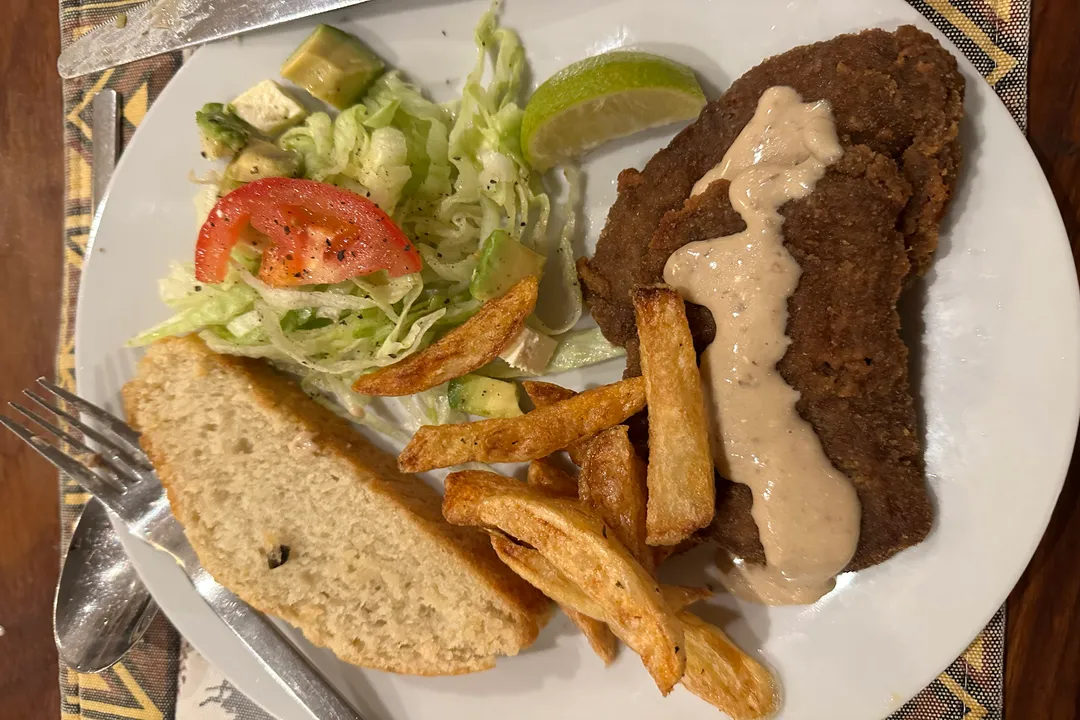
The discussion around Nilgai antelope meat often centers on its surprisingly approachable flavor for a wild game animal, leading many who try it to place it among the best available red meats. Originating from the Indian subcontinent, this "blue bull" was introduced to Texas, thriving in the South Texas environment. [3] This successful establishment means that for many enthusiasts, Nilgai is not just a rare culinary experience but a locally sourced protein. [2][3]
# Flavor Profile
The primary takeaway from those who have prepared and eaten Nilgai is its remarkably mild character. It is frequently described as having a flavor profile that is mild and sweet. [3][4] One report noted that the meat is so close to familiar tastes that one could serve it claiming it was beef, and people would likely not question it, further emphasizing the distinct absence of that typical strong "game taste". [2]
When people seek a descriptor for the overall taste, it is often likened to veal. [3][4] This comparison suggests a delicate, less robust profile than what one might expect from venison or other darker game meats. Another common comparison places it very near elk, indicating a similarity in richness and texture that appeals broadly to palates accustomed to high-quality domesticated or farmed red meats. [2] It is considered packed with flavor, yet remains less "heavy" than traditional beef. [4]
# Leanness Density
A defining physical characteristic that directly influences the culinary experience of Nilgai is its composition: it is extremely lean. [2][3][4] Reports indicate that the meat averages well under one percent fat. [3] In fact, the visible fat content seems comparable to that of venison, which many enthusiasts prefer to be almost non-existent, favoring the pure flavor of the muscle itself. [1]
This extreme leanness, coupled with the observation that the muscle structure is denser than venison, means that cooking requires specific attention to moisture retention. [1] While this density is a physical attribute, it contributes to the overall eating experience; cuts like backstrap or roasts may require a longer cooking time at lower temperatures to ensure tenderness compared to deer cuts of similar size. [1]
# Cooking Comparisons
For those familiar with processing wild game, the Nilgai offers distinct differences when placed next to venison. While both are highly regarded, the preparation stage highlights where they diverge. One notable early difference noted by a home cook was the slight variation in the smell of the uncooked meat compared to venison. [1]
More practically, the connective tissue, often referred to as silver skin or fascia, adheres much more tightly to the Nilgai muscle than it does with venison. [1] This mandates a more time-consuming process of cleaning and trimming before cooking can commence. [1] Furthermore, due to that superior density mentioned previously, whole-muscle cuts necessitate adjustments to traditional venison roasting times—suggesting a lower oven temperature, perhaps around 300°F, for a longer duration depending on the final weight. [1] For quick-cooking applications, such as pan-searing tenderloins or preparing chicken-fried steaks, pounding the muscle thin can negate the density factor, allowing for standard cooking times. [1]
When processing, the sheer size of the animal is an immediate factor; a Nilgai tenderloin is described as "huge," easily feeding several people, whereas a venison tenderloin is often just a small morsel for two. [1] This size differential is also why certain less-used cuts, like the shanks, are highly prized for slow-cooked dishes such as Osso Buco. [1]
The consistent endorsement of Nilgai among hunters who sample various exotics is telling. In discussions ranking favorite game meats, Nilgai frequently appears alongside top-tier African species like Eland and Kudu, and is often considered just as good as Axis Deer, another Texas favorite. [1] For ground meat applications, some enthusiastic consumers suggest that the quality of ground Nilgai is so high it can completely replace ground beef in everyday meals. [1]
# Preparation Tips
Handling this lean, dense meat correctly maximizes its veal-like flavor and prevents dryness. For cuts meant for searing, such as steaks or tenderloins, avoiding overcooking is crucial, with medium-rare being the preferred doneness. [1][2] If aiming for a roast, the consensus leans toward methods that introduce moisture and break down connective tissue. Injecting moisture—perhaps with creole butter—or threading strips of bacon through the roast are suggested techniques to ensure the lean muscle remains succulent during the necessary long cook times. [1] The pressure cooking capability of an Instant Pot is theorized to be particularly effective at rendering down the layers of connective tissue found within the muscle fibers. [1]
When considering the taste, it is worth noting that the Nilgai’s flavor profile is heavily influenced by its feeding habits. Unlike domestic cattle, which are often finished on grains to enhance marbling and suppress gamey notes, the Nilgai thrives as a truly grass fed or brush fed animal in its free-ranging or ranch environment. [4] This diet is natural for the species, and because the meat is already mild and low-fat, the external influences that lead to strong gamey flavors—such as diet or handling immediately post-harvest—are minimized, resulting in that clean, sweet taste. [2][4] This contrasts sharply with other game where diet can sometimes lead to unpredictable or overly strong flavors. [1]
Because of its density and near-zero fat content, an initial failure scenario for a novice Nilgai cook might be treating it exactly like a well-marbled beef steak. A thicker-cut Nilgai steak cooked to a standard medium (e.g., 145°F internal) risks becoming dry and tough because there is no fat cap or intramuscular fat to buffer the heat and retain moisture. A practical way to approach this is to view it as a hybrid between a very lean beef cut (like top sirloin) and venison, demanding precision.
# Doneness Matrix
To ensure optimal results with Nilgai steaks, one should adhere closely to low-to-medium rare temperatures. The density means it takes slightly longer to reach these lower temperatures than venison might, but the endpoint should remain conservative.
| Desired Outcome | Internal Temperature (Fahrenheit) | Preparation Note |
|---|---|---|
| Rare (Very Tender) | 125–130°F | Excellent for small, thin cuts like strips. |
| Medium-Rare (Optimal) | 131–135°F | Highly recommended for steaks; maximizes flavor and texture. [2] |
| Medium (Caution) | 136–140°F | Use only for thicker roasts where connective tissue needs rendering, or for those preferring less pink. |
| Fully Cooked | 160°F+ | Generally avoided for whole muscle cuts due to significant moisture loss and toughness. [1] |
The general consensus among hunters who have harvested and cooked this species points toward it being an exceptional, highly desirable game meat. From tenderloin that begs for a simple sear to large cuts suitable for a slow roast, the Nilgai offers versatility coupled with a flavor that appeals to both the seasoned hunter and the novice looking to transition away from purely farmed meats. Its status as a top-tier exotic, particularly abundant in certain regions, secures its place as a premier source of lean, naturally flavorful protein.[1][2][3][4]
Related Questions
#Citations
Nilgai steaks tasted great! 133° for 2 hours : r/sousvide - Reddit
South Texas Antelope (Nilgai) - Broken Arrow Ranch
Cooking Nilgai vs. Venison | The Deerslayer's Wife
The 5 Most Delicious Game Meats | Blog - Stone Creek Ranch
Nilgai Antelope Stew Meat - 5 Lbs. - Exotic Meat Market
Of all the African game meat, which is your favourite? How would ...
Best tasting African meats | Nosler Reloading Forum