What does a wolffish taste like?
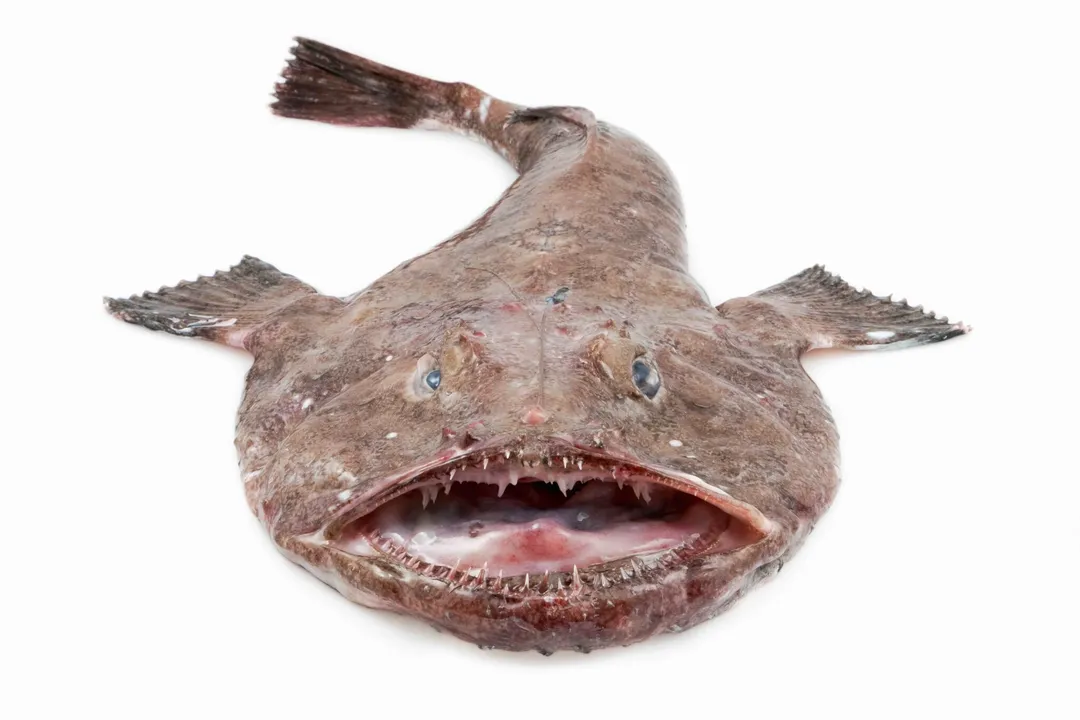
The initial encounter with wolffish on a plate often leads to a moment of quiet appraisal, as this fish carries a reputation that precedes its delicate flavor profile. Forget the ferocious name or the jagged teeth of its ocean-dwelling counterpart; when prepared correctly, the meat of the wolffish is surprisingly appealing to the palate. [1] Many describe the taste as remarkably mild, lacking the strong, oily "fishy" notes sometimes associated with other saltwater species. [2][3] This clean, almost delicate flavor makes it quite adaptable to various seasonings and cooking styles, allowing the inherent quality of the flesh to shine through. [4] If you are seeking a white fish that offers substance without overpowering the accompanying sauces or vegetables, wolffish presents a compelling option. [5]
# Flesh Texture
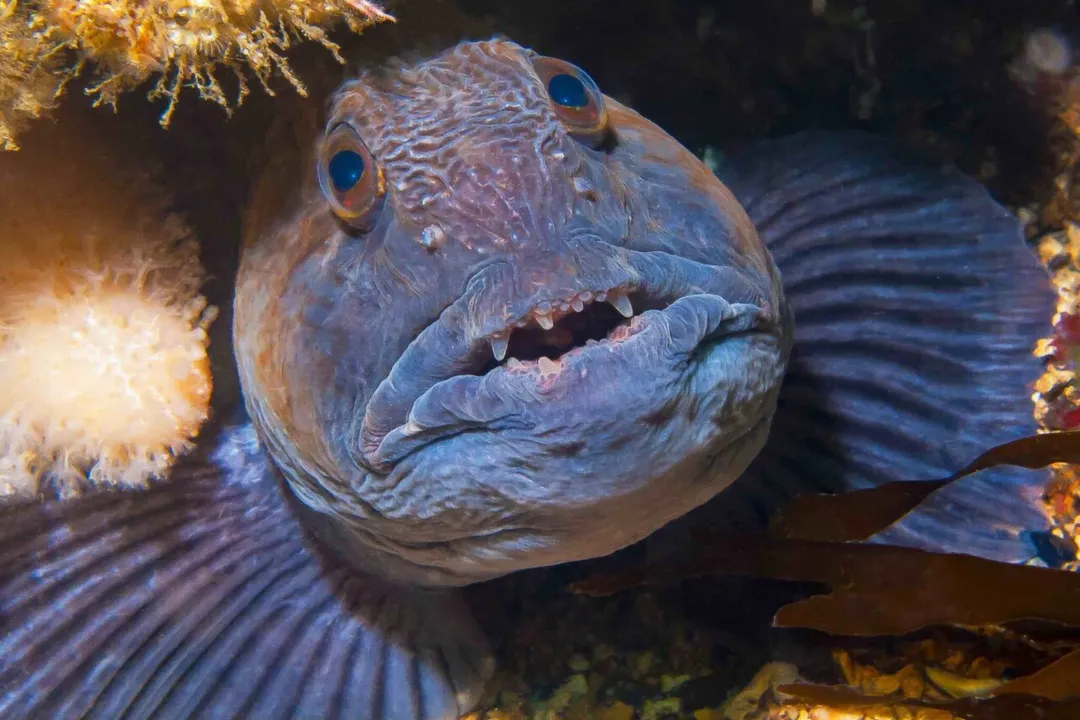
The texture is perhaps the most frequently praised attribute of wolffish, setting it apart from many common white fish varieties like cod or haddock. [1][4] The flesh is characteristically firm and substantial, often being compared favorably to that of halibut or even monkfish due to its density. [5][6] This firmness means the fish holds up exceptionally well during cooking processes that might cause less sturdy fillets to flake apart prematurely or dry out easily. [7] Even when baked or pan-seared, the structure remains intact, offering a satisfying bite. [3][5]
When it comes to flakiness, wolffish still delivers, though perhaps with more structure than some of its softer relatives. The large flakes separate nicely after being cooked through, presenting a moist interior. [4][8] For those accustomed to the very tender, almost cottony texture of, say, tilapia, the wolffish requires a slightly different approach, rewarding patience with a dense, meaty mouthfeel. [6]
This textural density is a key factor in its culinary appeal. Consider it a fantastic substitute when a recipe calls for a firm white fish but perhaps only cod is available; the difference in substance will be noticeable and often preferred by those who enjoy a more toothsome fish. [1] We see evidence of this preference in the culinary community, where chefs often pair it with robust preparations precisely because the fish has the backbone to support them without dissolving into the sauce. [8]
# Culinary Profiles

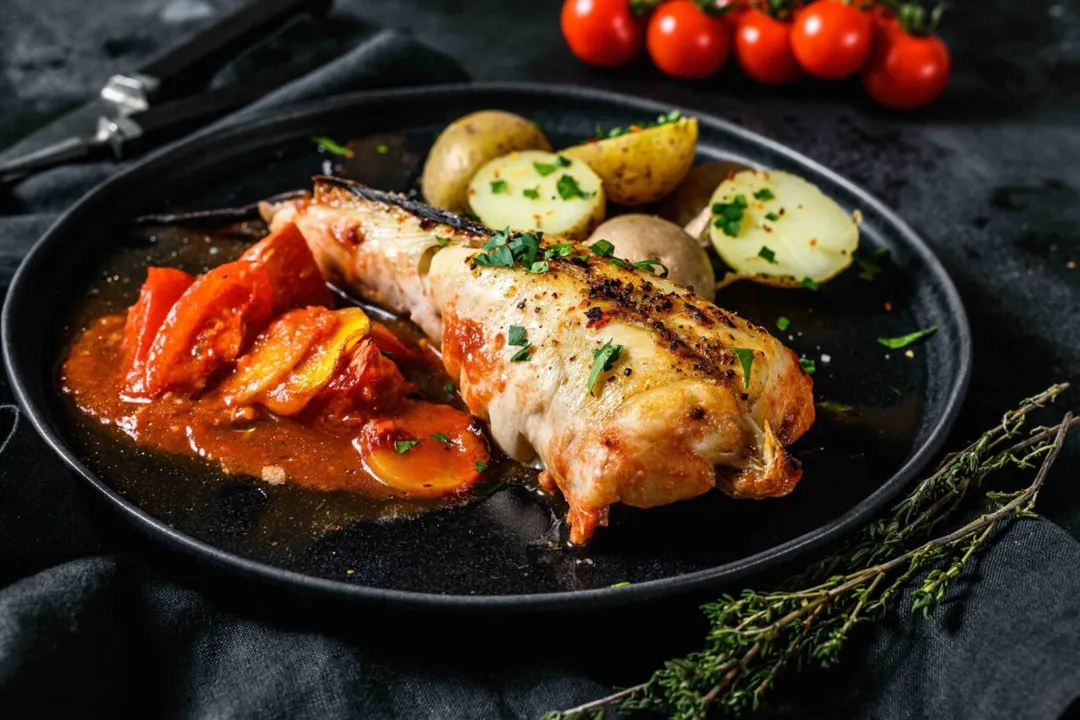
The versatility of wolffish shines when one examines how different cooks approach it. Because the flavor is mild and the texture firm, it handles assertive cooking methods with grace. [4] One common preparation discussed is baking, where simple seasoning allows the fish's texture to star. [5] The key here, as with many firm white fish, is to ensure adequate moisture is retained, perhaps through basting or wrapping in parchment paper, even though the fish itself is quite resilient. [3]
Grilling or broiling also prove effective, as the firm structure resists falling through the grates or charring too quickly. [1] When pan-seared, the exterior can develop a lovely crust while the interior remains moist and flaky, a balance that is difficult to strike with softer fillets. [7] Some preparation methods suggest using marinades, but given the inherent mildness, these are often light citrus or herb-based rather than heavy, overpowering concoctions. [4]
It is worth noting the appearance of different species in the market. While the Atlantic Wolffish is a known entity, the Spotted Wolffish also makes appearances in the seafood world. [8] While both share that desirable firm texture, subtle differences in fat content or flavor intensity might exist between species like the Atlantic and the Spotted, something a seasoned fishmonger could detail based on the season and catch location. [8][9] This slight variation means that a chef familiar with Atlantic wolffish might need to adjust cooking times slightly when switching to Spotted wolffish, depending on the cut thickness and initial moisture level. [9]
A practical observation for home cooks: Because wolffish has a relatively low-fat content compared to salmon or mackerel, it benefits significantly from the addition of healthy fats during cooking. A drizzle of high-quality olive oil before baking, or using butter to baste while pan-frying, not only prevents drying but also subtly enhances the inherent sweetness of the mild flavor profile. [5]
# Species Distinction
While the general characteristics—firmness and mildness—seem consistent across the names used in the trade, understanding the distinction, even briefly, adds context to purchasing decisions. [8][9] The Atlantic Wolffish, sometimes referred to by its historical name, Atlantic Seawolf, is a significant player in certain North Atlantic markets. [6] Conversely, the Spotted Wolffish is another variety encountered, and market availability can fluctuate between these types. [9]
When sourcing, you might also encounter references to Monkfish, which is often suggested as a textural stand-in for wolffish. [6] However, while both are firm, monkfish tends to have a slightly sweeter, almost buttery profile when perfectly cooked, making it a luxurious, though perhaps less universally accessible, alternative. [1] Wolffish usually occupies a middle ground: firm like monkfish but milder in flavor, closer perhaps to a dense cod loin. [4]
One area where clarity is important is in the naming conventions used by suppliers. Sometimes, the term "Wolffish" might be applied loosely, or species might be cross-marketed based on their similar final cooked presentation rather than strict taxonomy. [8] For the consumer prioritizing taste and texture, focusing on the description—"firm, white, mild"—is often more helpful than just the species name, especially when buying from an unfamiliar source. [1]
# Market Context and Sustainability
The general market appeal of wolffish speaks to its gastronomic qualities. High-end restaurants and discerning seafood buyers seek it out specifically for its ability to hold its shape and provide a satisfying chew. [1][7] When looking at supply, knowing that the fish is sometimes confused or compared with others helps in making an informed choice at the counter. [6][8]
It is useful to compare the market price points, though specific figures fluctuate wildly. Generally, due to its unique texture, wolffish often commands a price point reflecting its desirability as a premium white fish, sometimes positioning it slightly above standard cod but below premium cuts of halibut, depending on the region and sustainability rating. [6]
To gauge freshness and quality beyond the taste itself, examine the raw fillet closely. A high-quality, fresh wolffish fillet should appear translucent, almost glass-like, with minimal "gaping" (separation between muscle fibers) before cooking. [1] Once you start seeing opaque, chalky white areas in the raw presentation, it suggests the fish may be older or has been mishandled, which will certainly translate to a less pleasant texture, no matter how mild the final flavor is. [4]

# Preparing for Perfection
Achieving that perfect texture hinges on avoiding overcooking. Given its density, it can handle more heat than a delicate flounder, but cooking it just to the point where the large flakes separate easily is the goal. [3][7] A good rule of thumb when testing doneness is to gently press the thickest part of the fillet with a fork; it should yield easily without crumbling apart.
If you are preparing fillets that might have slightly uneven thickness—a common occurrence when processing large, oddly shaped fish—consider using the "thin side tuck" method. You can gently fold the thinner tail end under the thicker head end before seasoning and cooking. [5] This simple technique helps ensure both parts finish cooking simultaneously, preventing the thin part from drying out while waiting for the thick part to reach its flaky, moist stage. [4] This attention to uniform thickness is essential for maximizing enjoyment of the firm texture that makes wolffish so appealing. [1]
#Videos
Is the Wolffish delish? It's This Months Fun Fish! - YouTube
Related Questions
#Citations
Atlantic wolffish : r/CulinaryPlating - Reddit
Wolf Fish First time trying one of these wild looking fish. Taste was ...
Wolffish may be ugly, but it's sweet - The Denver Post
Wolffish - SeafoodSource
Baked Wolffish Recipe - Savor the Best
Is the Wolffish delish? It's This Months Fun Fish! - YouTube
Monstrously delicious: anglerfish or wolffish - Mooijer-Volendam
Atlantic wolffish - Professional Secrets
Wolffish, Spotted - Santa Monica Seafood