What does amberjack taste like?
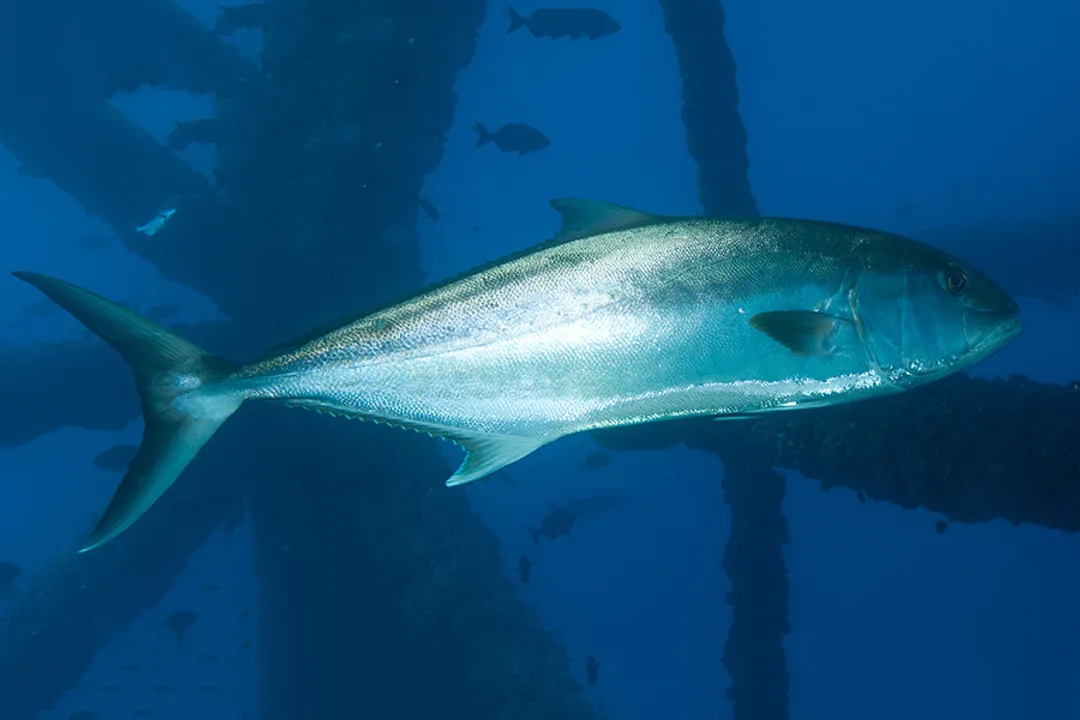
The flavor profile of amberjack is a topic that sparks varied opinions among chefs and recreational anglers, largely because the experience depends heavily on the specific species, the size of the fish, and how recently it was caught and processed. [1][3] Generally speaking, when properly handled, amberjack offers a firm-fleshed experience often compared favorably to other popular white fish found in similar waters. [4] It is not a fish known for an overwhelmingly intense or oily taste; rather, it leans toward a milder profile. [4]
# Taste Description
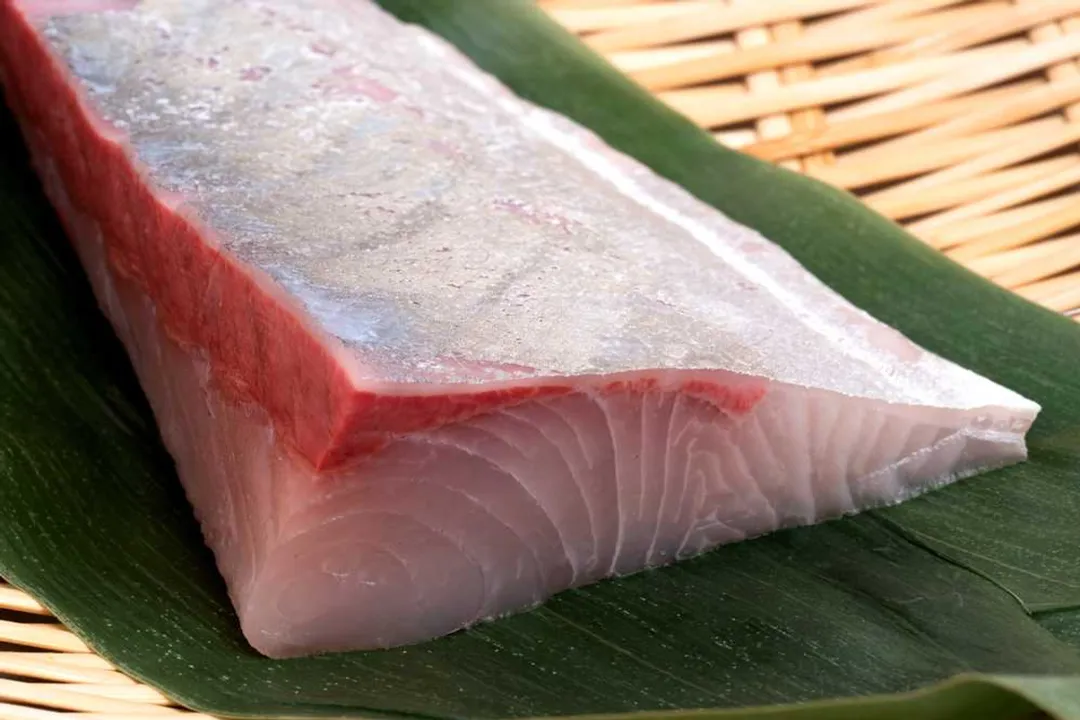
When you get down to the specifics of the flavor, fresh amberjack flesh is often characterized by a mild sweetness. [4] Many people describe it as being quite similar to snapper or even grouper, though perhaps a bit leaner than the latter. [3] This desirable mildness is what makes it appealing for many palates, especially those who prefer their seafood to taste clean and ocean-fresh without heavy fishiness. [9] The flesh itself tends to be white or a slightly off-white color when raw. [4][9]
# Flesh Quality
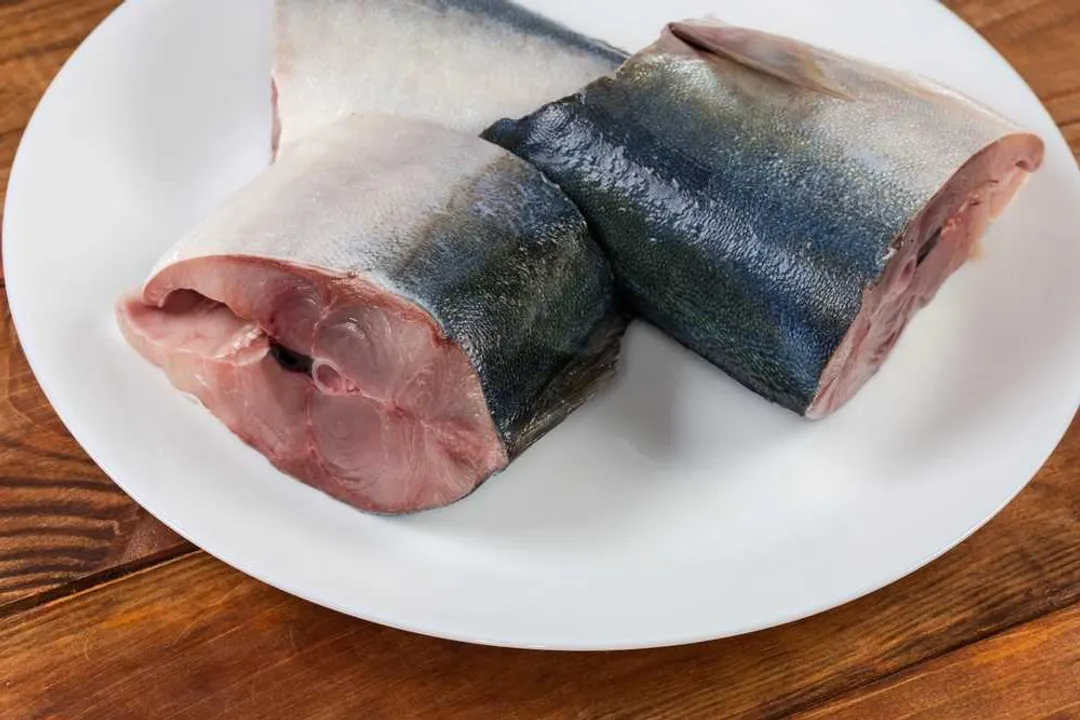
Texture is a significant component of the amberjack experience, perhaps even more defining than its flavor nuances. Amberjack is renowned for having a firm texture. [4] This firmness is an advantage in certain cooking methods, as the fillets hold their shape exceptionally well when subjected to direct heat. [4] Unlike very delicate, flaky white fish, amberjack maintains its structural integrity, which contributes to a satisfying bite.
# Species Comparison
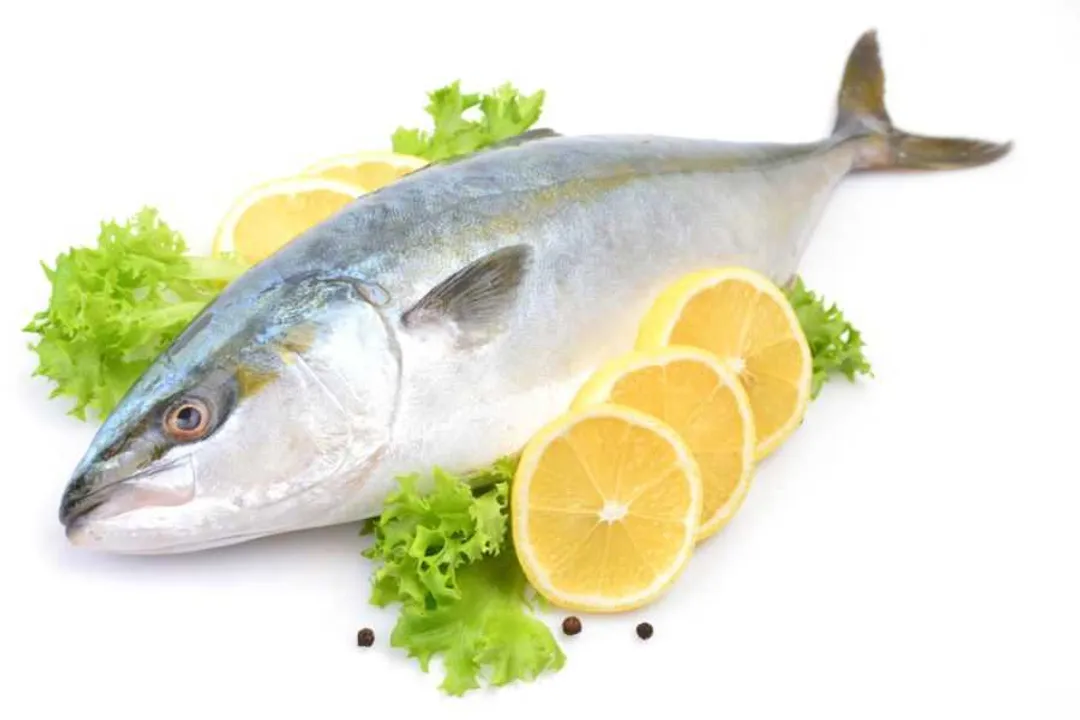
It is important to note that "amberjack" covers several species, and their culinary reputations can differ markedly. The fish most commonly discussed in terms of eating quality in areas like Florida is the Greater Amberjack. [5][1] However, the culinary world often has a separate, highly esteemed category for the Yellowtail Amberjack, known in Japanese cuisine as Hamachi. [6] Hamachi, particularly when raised or caught specifically for the sushi market, is famous for its rich, buttery fat content and delicate flavor, making it a prized raw preparation. [6] When someone is discussing eating a standard, deep-sea caught amberjack, they are usually referring to the Greater Amberjack, which offers a firmer, less fatty profile than its sushi-grade cousin. [6]
# Freshness Impact
The key determinant in whether an amberjack provides a sweet, mild experience or a decidedly "fishy" one is its freshness and size. [1][3] Smaller amberjack are almost universally praised for their superior taste and texture. [4] As the fish grows larger, the flavor intensifies, and if the fish is not iced down or processed immediately after being caught, the flavor can become noticeably stronger or, as some describe it, "rank". [1][3] For those new to eating amberjack, seeking out smaller specimens, perhaps those under twenty pounds, is a good way to ensure a more delicate initial introduction to the species. [9] The speed of chilling the fish after the catch is critical to managing the development of strong flavors associated with older or stressed fish. [1]
If you are preparing fish caught several days prior, or if you suspect the handling was not optimal, lean toward preparations that incorporate strong aromatics or acidity to balance any developing strong flavors. [3]
# Preparation Tips
Because of the firm texture, amberjack is versatile, though certain methods seem to showcase its structure best. [4] Grilling and broiling are frequently recommended cooking methods. [4][9] The firm flesh stands up beautifully to the high heat of a grill, allowing the exterior to crisp slightly while the interior remains moist and substantial. [4] Baking is another viable option, often paired with citrus or herbs to complement its mild base flavor. [9]
Given the texture, which is less prone to falling apart than, say, cod or flounder, amberjack is surprisingly forgiving to cook. For example, many cooks shy away from slow-simmering milder white fish because they disintegrate into the sauce. Amberjack, however, can handle a slow braise or a low-and-slow oven roast, allowing the connective tissues to gently tenderize while absorbing marinades, a technique that can tame any hint of strong flavor in a larger specimen while preserving its shape. [10]
# Sushi Considerations
While Yellowtail Amberjack (Hamachi) is a sushi superstar, consuming Greater Amberjack raw carries more risk and is less common among casual diners. [6] The stronger flavor profile in the larger specimens means that raw consumption is usually reserved for fish that have been rigorously handled, iced, and filleted immediately on the boat to maintain the highest possible quality standard required for raw preparation. [1] If you are considering eating it raw, always ensure you are dealing with extremely fresh, properly handled fish, or stick to sushi-grade Yellowtail instead. [6]
# Comparative Analysis
When comparing the eating experience, one might see amberjack sitting between the very mild, buttery white fish (like some types of mild grouper) and the slightly firmer, steak-like texture of something like swordfish, though it lacks the high oil content of the latter. [3] Its mildness means it readily adopts the flavors of whatever it is cooked with, acting as an excellent canvas for rubs, glazes, and sauces. [9] This adaptability is a major selling point: you can make it taste nearly like a snapper one night and, with a different preparation, highlight its firm steak-like quality the next. [3]
| Attribute | Greater Amberjack (Typical) | Yellowtail Amberjack (Hamachi) |
|---|---|---|
| Texture | Firm, meaty | Tender, soft, buttery |
| Flavor | Mild to moderate, cleaner/leaner | Rich, high fat content, very mild |
| Best Use | Grilling, Broiling, Baking | Sashimi, Sushi |
| Color | White to slightly off-white [4] | Often paler or oilier in appearance [6] |
For cooks focused on grilling, amberjack's natural density means you don't have to worry as much about overcooking it slightly, which is a common pitfall with leaner, more delicate fillets. The natural firmness provides a buffer against drying out immediately. [4] This forgiveness factor is one of the best assets for someone gaining confidence in cooking whole fish or thicker fillets over open flame. [9]
Related Questions
#Citations
Anyone ever ate a Amberjack? : r/Fishing - Reddit
Eating Amberjack - The Hull Truth - Boating and Fishing Forum
What do amberjack and grouper taste like? - Destin Forum
Amberjack Fish | Japanese Amberjack Taste | Is Amberjack Tuna
This Season's Good Catch: Greater Amberjack | South Carolina ...
Hamachi sushi: 4 types of Japanese amberjack sushi - Kelly Loves
Greater Amberjack | NOAA Fisheries
Amberjack Filet - Fish - Cajun Grocer
What Does Amberjack Taste Like - Corrie Cooks
The Difference Between Lesser & Greater Amberjack