What does pout taste like?

The query regarding what "pout" tastes like immediately splits into two distinct culinary conversations, one focused on a marine fish and the other on a freshwater bottom-dweller, though both share surprisingly similar flavor reputations when properly handled. To understand the flavor, one must first distinguish between the Pouting found in saltwater regions, often called Pout, and the freshwater Eelpout, also known by regional names like Burbot or Hornpout. [1][3] Despite the common name, their environments dictate subtle variations in preparation and ultimate taste experience. [1][4]
# Marine Flavor Profile

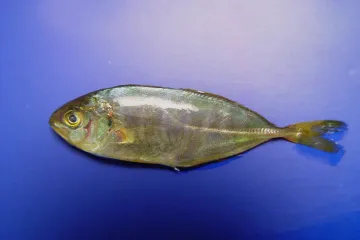
The marine variety, Trisopterus luscus, which is frequently discussed in European seafood guides, presents a flavor profile highly agreeable to most palates. [3] This fish is a member of the cod family, and its taste reflects this esteemed lineage. [3] Descriptions consistently highlight a flavor that is mild, delicate, and notably sweet. [3][5][10] Its flesh is white and flakes easily when cooked, suggesting a clean, non-oily profile typical of high-quality whitefish. [3][10] When compared directly to other common catches, it aligns closely with the desirable taste of haddock or cod. [5] For those seeking a subtle seafood experience, the marine Pout offers an excellent, undemanding taste, making it suitable for simple preparations like poaching or grilling where its natural sweetness can shine through. [3]
# Freshwater Identity
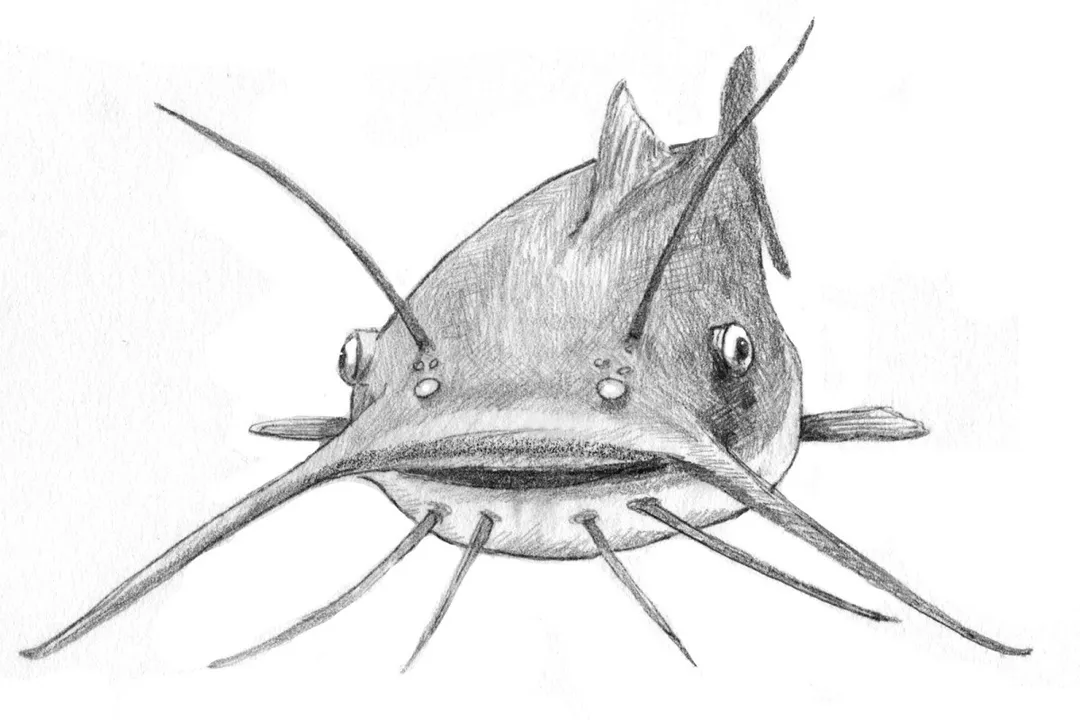
The freshwater counterpart, the Eelpout, or Burbot, also boasts a reputation for being good to eat, though perhaps one that has been historically overlooked or even maligned in certain regions. [1][7][9] Like its saltwater cousin, the Eelpout's flesh is described as firm, white, and generally delicious. [7] This connection to quality whitefish is so strong that it has earned the affectionate moniker of "poor man's lobster" in some areas, particularly around the Great Lakes region. [2][9] This suggests a texture that might be slightly firmer or more substantial than a standard flaky cod, perhaps closer to firm white-fleshed crustaceans. [2]
# Environmental Impact
A critical factor that distinguishes the eating experience between specimens, regardless of whether they are marine or freshwater, is their immediate environment. The Eelpout, which lives on lake bottoms, is particularly susceptible to picking up off-flavors from its immediate surroundings. [7] If caught from a bottom composed of muddy sediment, the resulting fish can carry an undesirable "muddy" taste. [7] This necessitates rapid and proper cleaning; some anglers find that freezing the fish quickly after a clean catch can help mitigate any potential lingering earthy notes. [2] This environmental sensitivity is a key piece of expertise for anyone targeting Eelpout—the catch location dictates the flavor outcome more than the species itself, suggesting that water clarity and bottom composition are vital precursors to a sweet taste. [1][7]
While the marine Pout is also a bottom-dweller, the sources suggest it has a more inherently mild and sweet baseline flavor that is less often associated with strong, negative earthiness, though freshness is still paramount. [3][5] This contrast hints at a nuanced difference: the freshwater Eelpout seems to require more careful sourcing or immediate processing to achieve its potential, whereas the marine Pout seems naturally predisposed to a delicate flavor profile straight from clean North Atlantic waters. [3][5]
# Culinary Comparisons
When attempting to map the taste of Pout onto familiar fish, the comparisons are remarkably consistent across both freshwater and marine varieties, though the subtle textural differences might exist. [1][7][5]
| Fish Type | Primary Flavor Descriptors | Closest Comparison | Key Preparation Note |
|---|---|---|---|
| Marine Pout | Mild, Delicate, Sweet | Cod, Haddock [3][5] | Excellent when fried or grilled [3] |
| Freshwater Eelpout | Firm, White, Delicious | Cod, Haddock [7] | Must be bled/cleaned immediately to avoid muddiness [2][7] |
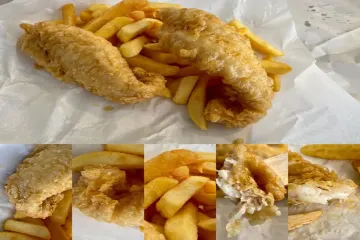
For the home cook, understanding this flavor profile means that heavy, overpowering sauces are unnecessary and might actually obscure the fish's natural qualities. [3] Instead, simple seasonings that complement mild white fish—perhaps lemon, butter, and fresh herbs—would likely be the best route to experiencing the best taste these fish have to offer. [5] One might consider treating a firm Eelpout fillet much like one would treat a piece of well-prepared haddock, ensuring the cooking method respects the flake without drying out the firm white meat. [7]

# The Handling Hurdle
The perception of bad taste, often heard in casual commentary about Eelpout, almost always ties back to improper handling or harvesting from less-than-ideal locations. [1][7] Some individuals who have had poor experiences simply state the fish "tastes like crap," which, when cross-referenced with expert angler advice, points toward failure to bleed or process the fish quickly after capture, especially when temperatures are warm. [4] For the freshwater variety, there is a significant difference between a fish caught in frigid, clean water and one pulled from a warmer, murkier habitat; the latter often yields that undesirable, muddy flavor that taints the otherwise excellent white flesh. [7] This strongly suggests that any negative report on the taste of Eelpout is often a commentary on poor field dressing rather than an inherent flaw in the species' inherent flavor potential. [2]
# Textural Nuances
While the flavor notes converge on "mild" and "white," the texture presents a slightly more varied picture, possibly explaining the "poor man's lobster" comparison for the freshwater kind. [2] Marine Pout is described simply as flaky, [3] which is standard for cod relatives. However, the Eelpout/Burbot is specifically noted for its firm flesh. [7] This firmness might be the defining textural characteristic that separates it when compared to its saltwater cousin, offering a slight bite that resists easy flaking until fully cooked, lending credence to its richer nickname. [7] If one were to test these two fish side-by-side after rigorous cleaning, the Eelpout might provide a more substantial mouthfeel, a feature that adds value for grilling or heavier batters. [9]
# Culinary Adoption
The growing popularity of the Eelpout in places like Minnesota suggests a successful shift in public perception, driven by the realization that these fish are actually quite good to eat when treated with respect. [9] This trend mirrors the historical acceptance of other once-maligned species once their proper culinary applications were understood. The willingness of anglers to share successful recipes and cooking tips has been the engine for this renewed interest, moving the fish from a nuisance catch to a desired table fare. [1][9] The taste, once unlocked through proper cleaning and a simple cooking method that highlights its white, firm nature, proves its worthiness alongside more expensive, traditionally favored whitefish. [2] The consistent comparison to cod and haddock across sources confirms that, at its best, the taste of Pout—whether fresh or salt—is simply that of a very good, mild whitefish. [1][5][10]
#Videos
TASTE TEST - Pollack VS Pouting , Catch clean cook - YouTube
Related Questions
#Citations
Do people really eat those eelpout?? - Fishing Minnesota
Minnesota Eelpout: Catch It, Clean It, Cook It! | River Bend Resort
Pouting, Cornwall Good Seafood Guide
Who here has caught an eelpout? The spawn is on here in northern ...
anyone eat pout? | World Sea Fishing Forums
TASTE TEST - Pollack VS Pouting , Catch clean cook - YouTube
The Humble Hornpout | The Outside Story
For those of you that haven't tried eel pout and their slimy snake like ...
The Ever Growing Popularity of the Eelpout - Lake of the Woods
Pouting - CooksInfo Food Encyclopaedia