What is the best tasting freshwater fish to eat?
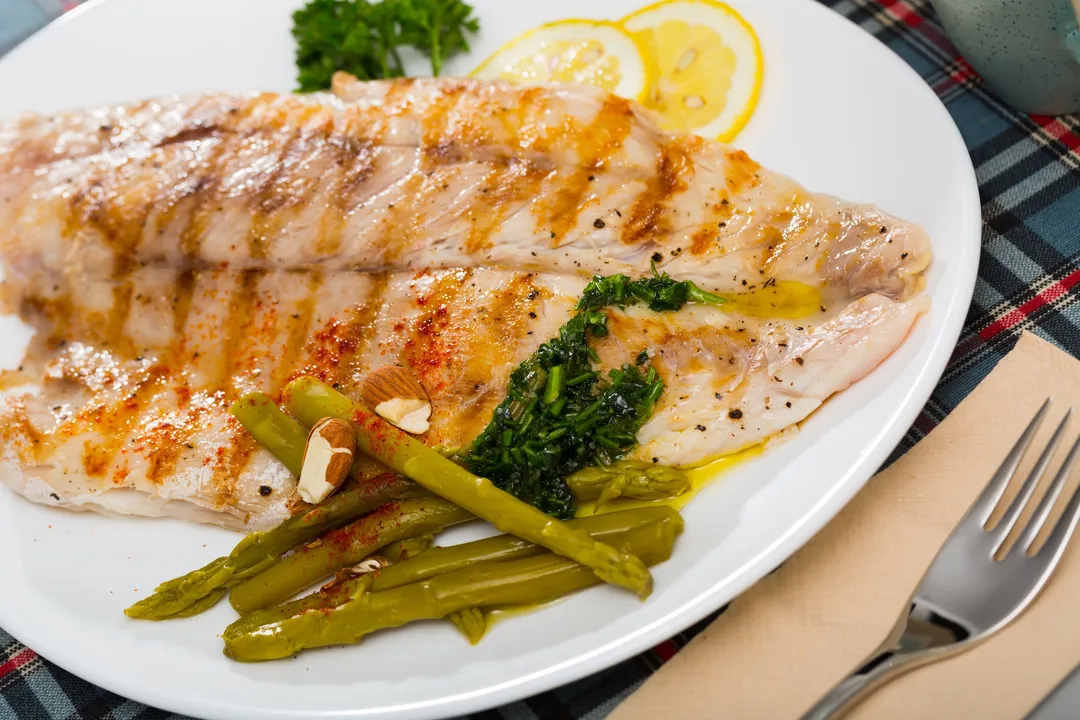
The journey to define the single "best tasting" freshwater fish is fraught with passionate disagreement, a culinary debate as old as fishing itself. Anglers across the country hold fiercely defended opinions, often rooted in where they grew up and how their grandmother taught them to prepare the catch. While saltwater species sometimes get an easier pass in the kitchen, countless freshwater fish possess flesh quality easily comparable to their ocean cousins, offering delicious, readily available, and often cheaper alternatives. Since taste is inherently subjective, the most reliable path forward involves reviewing the recurring favorites mentioned by those who spend significant time on the water and making informed comparisons about texture and flavor profiles.
# Panfish Kings
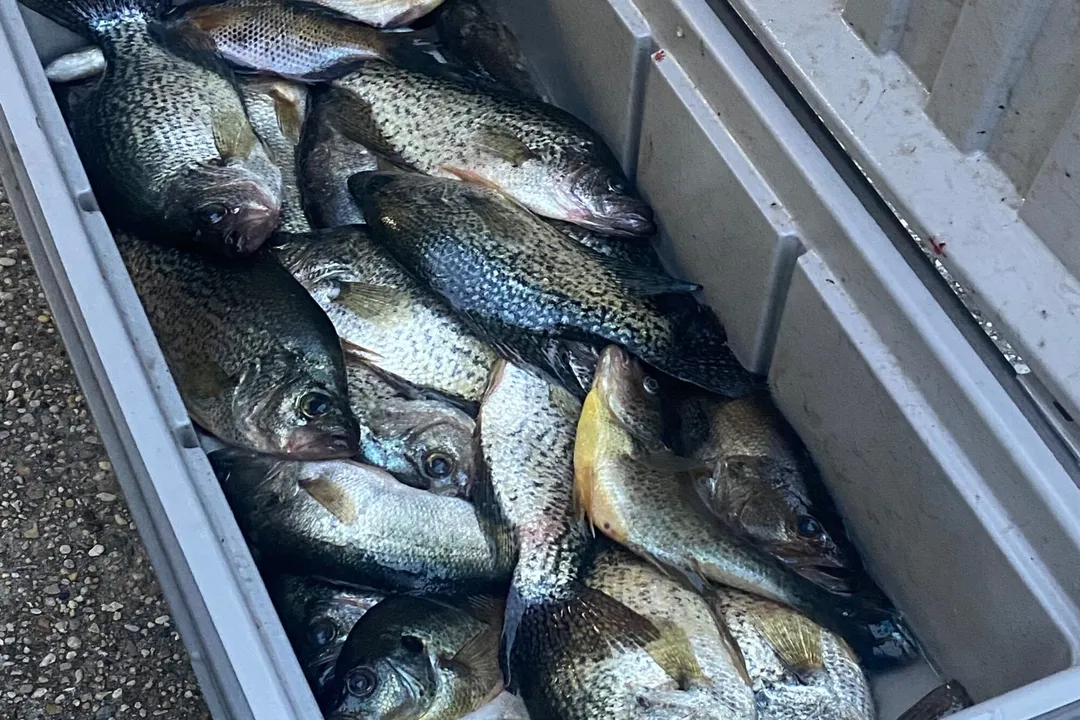
When compiling lists based on angler input, the small panfish often rise to the top, particularly in regional rankings. The Crappie, encompassing both Black and White varieties, frequently earns the highest accolades. In Mississippi, for example, crappie is crowned the gold medal fish for consumption, sometimes referred to by the name "sac-a-lait," which speaks to its sweetness. Its texture is often compared to the delicate flesh of crab or even lobster. Similarly, Bluegill—a member of the sunfish family—is frequently cited as a top choice, even winning the top spot in a compiled ranking of 10 favorite freshwater fish based on surveyed anglers. Bluegill is consistently described as having a sweet and flaky taste.
The main difference in appreciation for these two panfish often comes down to size and preferred preparation. Bluegill, being smaller, are often fried whole, bones and all, which yields crispy edges, though one must be mindful of small bones. Crappie, however, are slightly larger, making filleting easier, and some prefer to bake or grill them to enhance their delicate sweetness, though pan-frying is also a popular choice. While some anglers find the texture of crappie too fine, preferring something thicker, they are universally lauded for lacking a strong "fishy" taste.
# Flake & Sweetness

Moving up the size chart, we find species known for their firm white meat that satisfies larger appetites. The Walleye is a powerhouse in this category, frequently ranking first or second on many favorite fish lists. Its flesh is often described as light, flaky, and having a subtly sweet, almost buttery flavor. Its very ease of filleting—being able to remove the meat from the skin without scaling—adds significant points in the eyes of someone wanting a quick cleanup after a long day.
Yellow Perch, especially those from the cold waters of the Great Lakes, often compete directly with walleye for the top spot among Midwestern anglers. They yield small, sweet fillets with delicate white meat that shines when breaded and pan-fried. It is interesting to note the frequent comparison: some anglers state that if a perch and a walleye of the same size were cooked side-by-side, you might not be able to tell the difference, though others insist walleye is superior due to the larger yield.

# Hearty Proteins
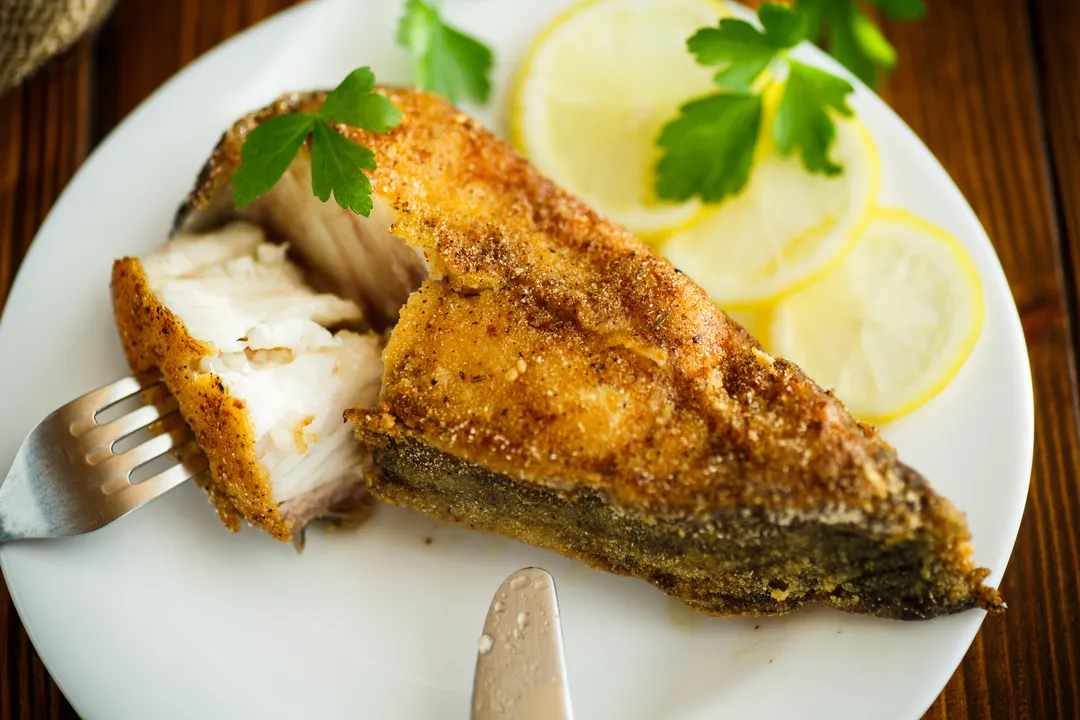
For those seeking a more substantial, steak-like fillet, Catfish and Bass take center stage, though they draw more mixed reviews than the panfish or walleye.
Catfish, especially the Flathead Catfish, is considered the gold standard for table fare in areas like Mississippi, praised for its mild taste and firm flesh. Conversely, some anglers from other regions feel catfish is overrated, sometimes describing the texture as mushy, or associating it with a muddy flavor if sourced from stagnant ponds rather than clean rivers and lakes. This regional split in opinion highlights a critical, unwritten rule of freshwater dining: The source water dictates the flavor more than almost any other factor. For instance, one observer noted that catfish from ponds can taste muddy, whereas those from rivers are excellent.
Largemouth Bass, the country's most popular sportfish, is praised by those who eat them for having thick, almost steak-like fillets. They are sometimes described as a "fish-eater's fish," carrying a slightly fishy edge comparable to snapper or drum. However, their popularity means many anglers practice strict catch-and-release, perhaps saving them from overharvesting. It is common practice for those who do eat them to target smaller specimens, often in the one-to-two-pound range, to ensure the best texture and flavor.
# Diverse Flavors
Beyond the top tier, several other species generate devoted followings and deserve consideration. Northern Pike, often cursed for their numerous bones and teeth, are considered greatly underrated when prepared correctly. Some enthusiasts rank them equal to walleye once the boney 'Y' structure is managed by skilled filleting or chewing around it.
Trout are another favorite, particularly for their versatility. Their flesh is delicate yet fatty, making them perfect for smoking, pickling, or even raw preparations like sushi or ceviche, provided they are properly handled and frozen to kill potential parasites like Diphyllobothrium Latum. Finally, invasive species like the Northern Snakehead have gained a reputation for having flaky white meat that rivals the best.
This discussion of preferences naturally leads to an observation about commercial availability. It is somewhat surprising that local chefs rarely incorporate highly-rated panfish like sunfish or crappie onto restaurant menus. One potential reason, particularly noted in some regions, is the strict licensing required for commercial sale, which can be prohibitively expensive for individuals wishing to sell small, locally caught quantities, creating a gap between what tastes best in the wild and what is available on a menu.
# Taste Factors
The ultimate dining experience depends less on the species and more on the how and where of the harvest. As noted above, the source environment is key. Water temperature is also a major factor: when water temperatures climb too high—say, above 60 to 65 degrees Fahrenheit—fish flesh can lose firmness and potentially take on that undesirable muddy flavor, even in species generally considered excellent, like walleye or bass.
The preparation method is almost as important as the fish itself, though certain methods suit certain textures:
- Frying: The classic preparation for panfish and catfish, best served breaded in cornmeal until crispy on the outside.
- Baking/Grilling: Ideal for leaner, more delicate fish like trout, often cooked whole with butter and lemon to retain moisture.
- Smoking: A signature method for fattier fish like trout, which yields a rich, savory result.
When considering safety, an important element of enjoying any freshwater meal is moderation and awareness. While fish like crappie, perch, and channel catfish are often considered safer bets regarding mercury content, larger predators such as walleye and largemouth bass may accumulate more, depending on the specific body of water. Checking local advisories before consumption is a prudent step for any regular consumer of wild-caught fish.
Ultimately, moving away from the grocery aisle and enjoying the bounty from local lakes and rivers connects the angler to the resource, proving that some of the best eating fish are the ones you are willing to chase and prepare correctly, regardless of what the consensus might dictate.
Related Questions
#Citations
The Best Eating Freshwater Fish - MeatEater
What are some of your favorite freshwater fish to eat that are ... - Reddit
9 Best Freshwater Fish to Eat - Alaskan Salmon Company
What's the best tasting freshwater fish? - Magnolia Tribune
The Best Freshwater Fish to Eat - Fleet Farm Everyday Life Guide
Best Tasting Freshwater Fish - Bass Resource
best tasting freshwater fish? | Bass Fishing Forum