What are the cons of eating cod fish?
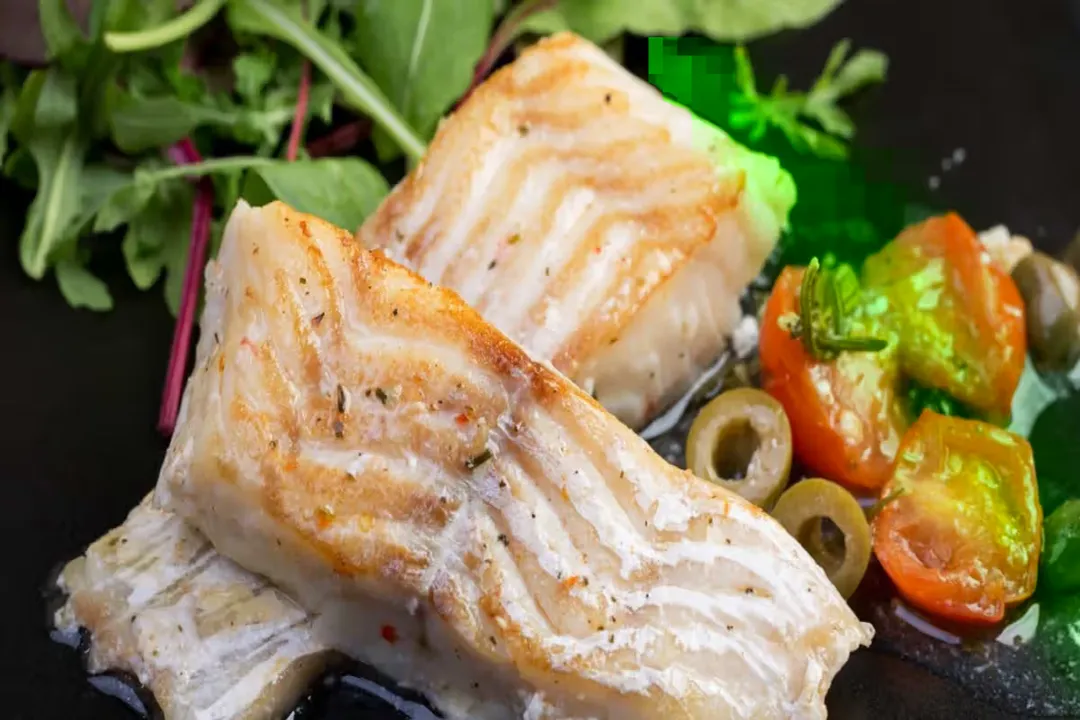
Cod is often lauded as a lean, mild white fish, a staple in many diets because of its versatility and generally low-fat content. However, like any widely consumed food, especially seafood, cod is not without its drawbacks, and understanding these potential downsides is just as important as knowing its nutritional benefits. While it provides high-quality protein and essential nutrients like Vitamin B12 and phosphorus, focusing only on the positive aspects overlooks important considerations regarding contaminants, preparation methods, and specific population risks.
# Mercury Content
The most frequently discussed concern regarding many types of fish is mercury contamination, and cod is not entirely exempt from this worry. Mercury bioaccumulates in fish tissues, and while cod is generally considered a better choice compared to larger, longer-lived predatory fish, it still carries some risk. The FDA advises that pregnant women, nursing mothers, and young children should be particularly mindful of their fish intake due to the potential for mercury to affect the developing nervous system.
Generally, the larger species of cod, such as Atlantic or Pacific cod, accumulate more mercury than smaller varieties, though they are often categorized as low-mercury fish overall. When comparing cod to fish known for high mercury levels, like shark or swordfish, cod usually fares much better. However, it is worth noting that the amount of mercury can vary significantly based on where the specific fish was caught. If you are eating cod frequently—perhaps multiple times a week—even a low-level accumulation can become a factor over time, especially for sensitive groups.
For instance, someone regularly eating two 8-ounce servings of cod per week, which might contain approximately $0.04$ mg of mercury per serving (a hypothetical low-end estimate for low-mercury fish), is consuming $0.08$ mg of mercury weekly. While this is below many standard advisory limits, a consistent pattern over many years for a small child warrants attention when compared to other protein sources.
# Preparation Hazards

One of the most significant ways cod can transition from a healthy meal to a less desirable one is through its preparation. When cod is baked, broiled, or steamed, it retains its status as a very lean source of protein. The trouble begins when it enters the fryer or is heavily breaded.
Deep-frying cod, common in many traditional fish-and-chips recipes, drastically changes its nutritional profile by adding substantial amounts of fat and calories. If the oil used for frying is old or heated past its smoke point repeatedly, it can introduce oxidized compounds into the fish, which is an undesirable outcome for health-conscious eaters. Furthermore, many commercially prepared or frozen cod products, even those marketed as "lightly breaded," can have surprisingly high sodium levels. Relying on pre-seasoned frozen fillets or restaurant versions without asking about the preparation can easily push daily sodium intake higher than intended.
# Parasite Risk Raw Consumption

Cod, like many wild-caught fish, can host parasites, which presents a distinct risk if the fish is consumed raw or undercooked. Diseases caused by consuming raw or lightly cooked fish containing parasites, such as anisakis simplex, are a recognized food safety issue.
If you are considering making sushi or ceviche with cod, extreme care must be taken regarding handling and freezing protocols. For commercial preparation, fish intended to be eaten raw must generally be frozen to temperatures cold enough and for a long enough duration to kill parasites. This deep freezing is a critical step that home preparation often cannot reliably replicate without specialized equipment. For the general consumer, ensuring cod is cooked to an internal temperature that flakes easily is the simplest way to mitigate this entirely avoidable risk.
# Over-Supplementation Concerns
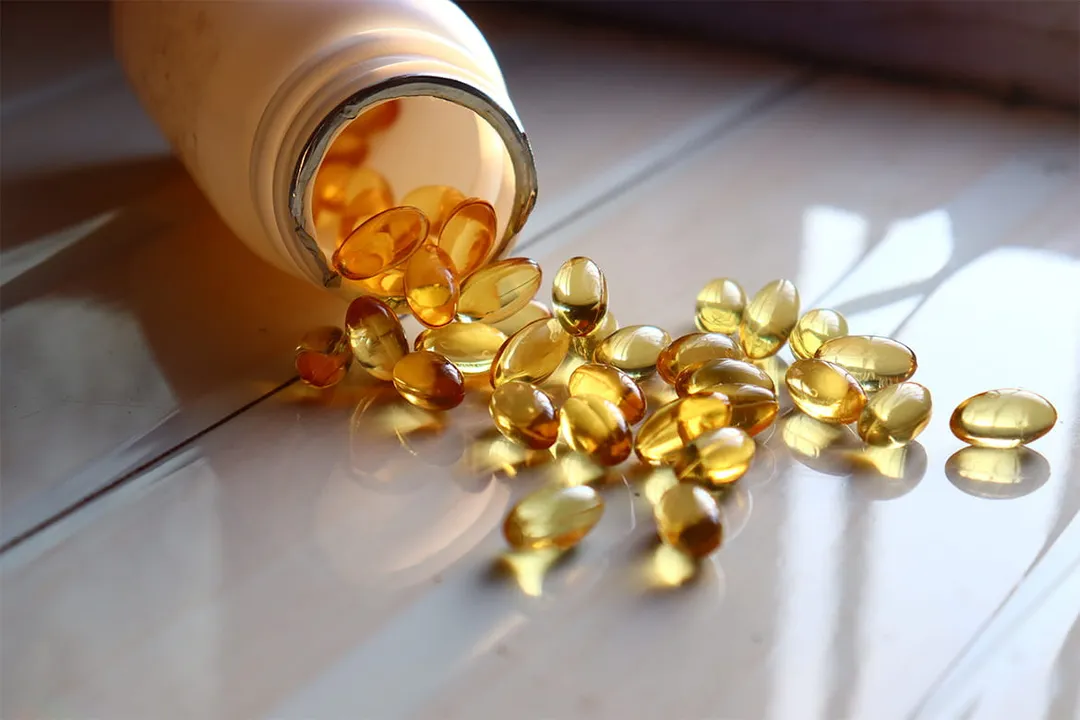
While the flesh of the cod fish is the main subject, a common way people ingest cod-derived nutrients is through cod liver oil, which is packed with Vitamin A and Vitamin D. Although these are essential vitamins, taking cod liver oil supplements alongside a diet that already includes cod liver or other fortified foods can lead to excessive intake.
Vitamin A, in particular, is fat-soluble, meaning the body stores excess amounts rather than excreting them. Chronically high intake of Vitamin A can lead to toxicity, manifesting as symptoms like dizziness, nausea, blurred vision, and, in severe, prolonged cases, liver damage. This is a specific risk associated with the oil rather than the fillet, but it's a crucial "con" to understand for those looking to boost their omega-3 intake via cod products. A prudent approach involves checking total Vitamin A intake from all sources, not just the fish fillet.
# Sourcing and Environmental Impact
While not strictly a direct health con like mercury, the sourcing of cod can impact the overall responsibility associated with your meal, which is a consideration for many modern consumers. Different cod populations—Atlantic versus Pacific—face varied sustainability challenges. Overfishing in certain regions has led to population declines, meaning that the cod you purchase might come from an area that is struggling environmentally.
It is helpful to develop a habit of checking sustainability guides when purchasing cod, especially if you eat it regularly. Choosing cod that is certified as sustainably caught ensures that your consumption supports fisheries that are managed for long-term health, which indirectly supports a safer, more consistent food supply for the future. A lack of clarity on sourcing can mean inadvertently supporting practices that degrade the marine environment.
# Comparative Nutritional Trade-Offs
Cod is often compared favorably against fattier fish like salmon because it is low in fat and calories. However, this very leanness can be viewed as a trade-off when considering omega-3 fatty acids. While cod contains some beneficial omega-3s, it offers significantly less than oilier fish.
Some discussions note that while cod is leaner, some consumers might need to compensate for the lower omega-3 intake by adding other sources, like flaxseed or walnuts, to their diet if they are relying solely on cod for those essential fatty acids. If one avoids fatty fish altogether and only eats very lean white fish like cod, they might miss out on the anti-inflammatory benefits associated with higher doses of EPA and DHA found in species like mackerel or salmon.
To put this in perspective:
| Fish Type | Approximate Omega-3 (EPA+DHA) per 3 oz serving (Cooked) | Primary Fat Profile |
|---|---|---|
| Atlantic Cod | grams | Very Lean |
| Salmon (Farmed) | grams | High Healthy Fat |
This comparison shows that while cod is nutritious, its primary downside in a strictly nutritional sense might be what it lacks compared to its fattier counterparts.
# Sodium and Processing
Another often-overlooked factor when eating cod is the processing involved before it reaches the consumer, particularly regarding sodium content. Frozen cod fillets, breaded portions, and even many pre-seasoned vacuum-packed options are preserved using salt.
If you buy cod that has been brined or injected with a solution to retain moisture (sometimes listed as sodium tripolyphosphate), the resulting fillet will have a noticeably higher sodium count than a fresh, plain cut. For individuals monitoring blood pressure or sodium intake, this can be a hidden pitfall. A simple comparison shows that a fresh, unseasoned cod fillet might have negligible sodium, while a standard frozen, breaded portion can easily contain several hundred milligrams per serving. Always check the ingredient label for added sodium sources if you are not purchasing it straight from a fresh fish counter.
# Digestive Issues and Allergies
While not unique to cod, any seafood carries a potential risk for adverse reactions. Fish allergies are among the most common food allergies, and cod is a well-known allergen. Reactions can range from mild hives to severe anaphylaxis. Individuals with a known fish allergy must obviously avoid cod entirely.
Beyond true allergies, some people report mild digestive upset after consuming white fish, though this is less common than specific allergen reactions. If a person is new to eating seafood or has a sensitive digestive system, introducing cod in small portions and watching for any discomfort is a sensible first step.
# Consumer Watchpoints
When assessing the overall drawbacks, it becomes clear that many of the negatives associated with cod stem from how we acquire and prepare it, rather than the inherent composition of the fish itself.
To summarize the key risks for the informed consumer:
- Source Uncertainty: Not knowing the origin can hide contaminant exposure or sustainability issues.
- Preparation Method: Frying or heavy seasoning negates the low-fat benefit and adds excessive sodium and unhealthy fats.
- Raw Danger: Consuming it raw without proper commercial freezing invites parasitic risk.
- Supplement Overload: Excessive cod liver oil intake can lead to Vitamin A toxicity.
It is important to maintain a balanced view. Cod is an excellent, lean source of protein and is low in mercury compared to many alternatives. The cons emerge when caution is ignored, whether that caution relates to mercury levels in certain populations, the danger of parasites in uncooked product, or the nutritional damage caused by deep-frying. Being an informed shopper who prioritizes fresh, sustainably sourced, and properly cooked cod mitigates nearly all the potential downsides discussed.
Related Questions
#Citations
Is cod healthy? Benefits and risks - Medical News Today
Is Cod Healthy? Nutrition, Benefits, and Risks
Is Cod Healthy? Nutrition, Calories, Benefits, and More - Healthline
Does cod contain significantly more of any nutrients than salmon ...
The 14 Most Sustainable Fish to Eat—and 11 Types to Avoid
What are the potential risks of eating raw cod, swordfish, flounder, or ...
Best and Worst Fish for Your Health - WebMD
Advice about Eating Fish - FDA
Benefits and Risks of Taking Cod Liver Oil - Banner Health