Is cod a high quality fish?
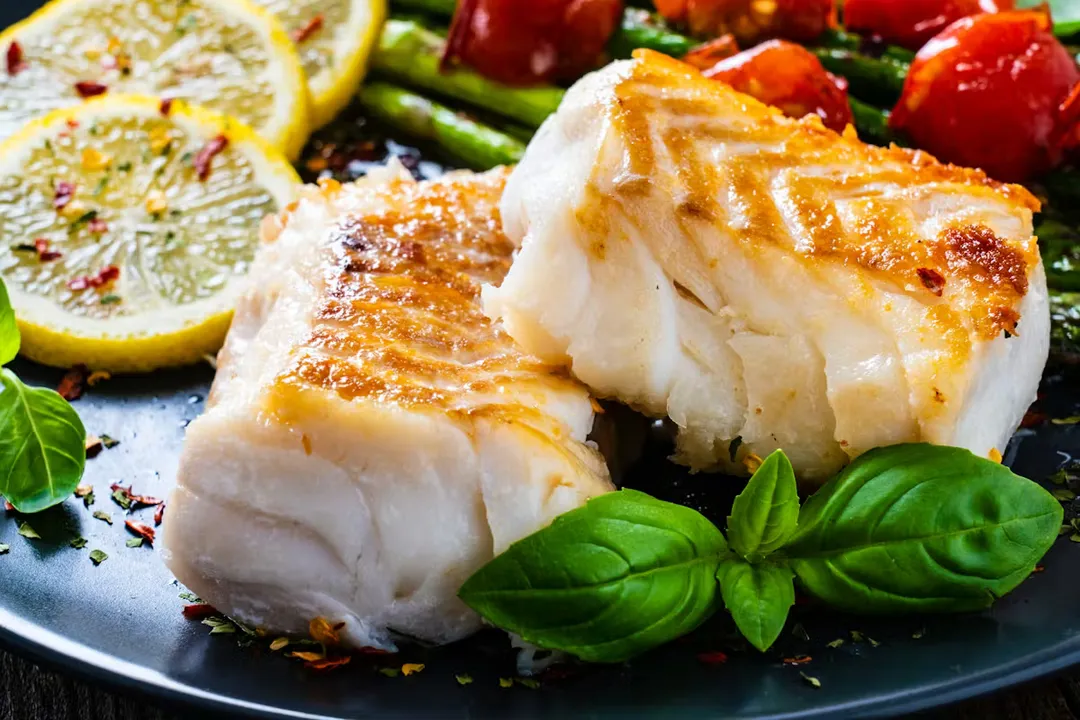
Cod’s reputation in the culinary world is significant, often cited as a benchmark for white, flaky fish, but whether it truly ranks as high quality depends on the specific cut, origin, and preparation. [1] Many who encounter it regularly, perhaps in classic fish and chips, may associate it with simple, satisfying food, yet its fundamental characteristics often place it among superior seafood options. [10] The core of cod’s appeal lies in its mild flavor profile and remarkably clean, firm texture when handled correctly. [4]
# Flavor Profile
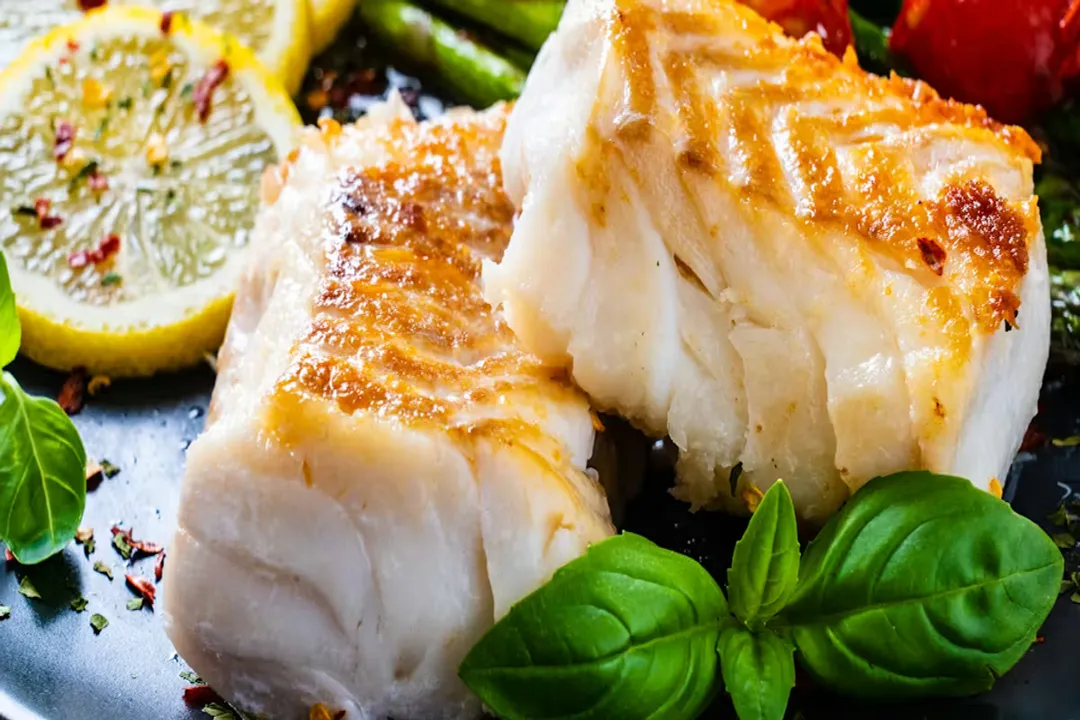
The taste of cod is generally described as subtle and delicate. [4][10] It possesses a low oil content, which contributes to its clean taste, allowing it to readily absorb the flavors of accompanying herbs, spices, or cooking fats without overpowering the dish. [4] Some enthusiasts even argue that cod is the absolute best-tasting fish available in the oceans due to this neutrality and pleasing structure. [2]
When cooked properly, the flesh separates into large, attractive flakes. [10] This texture is often contrasted with fattier fish; cod meat is white and firm when raw, becoming moist and tender when cooked gently. [4] In a crowded market of white fish—where haddock, pollock, and hake all compete for shelf space—cod is frequently chosen for its structural integrity during cooking, maintaining its shape better than some softer alternatives. [1]
# Nutritional Density
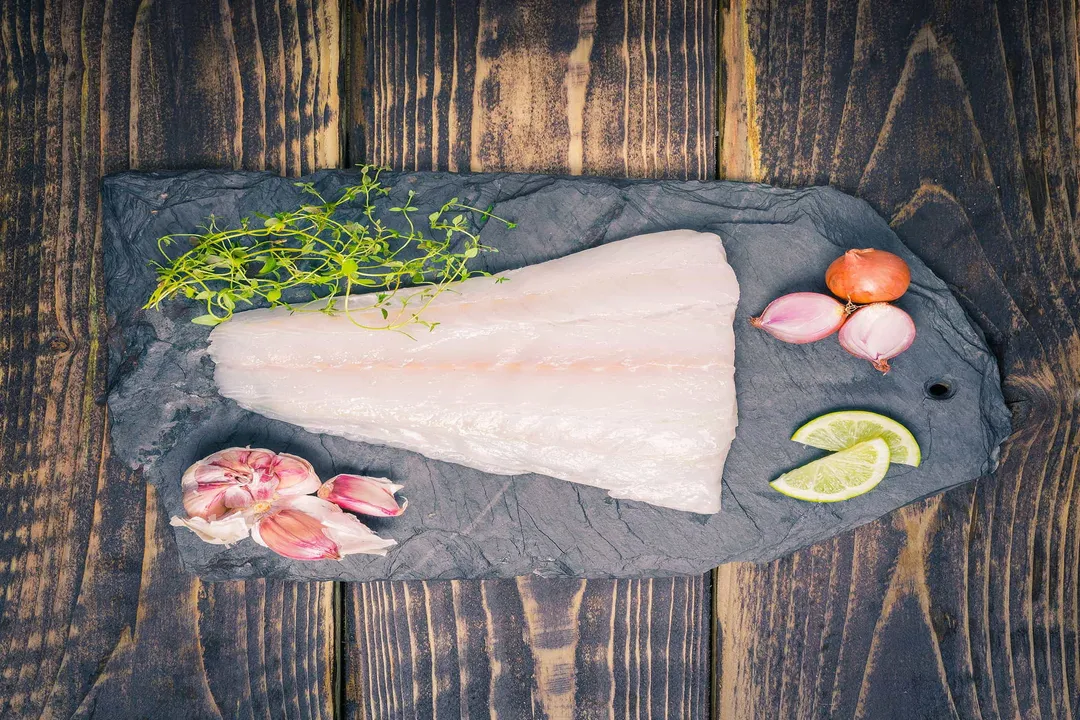
Beyond mere taste, a key component of quality in modern dining is the nutritional offering, and cod delivers a strong profile, particularly when focusing on lean muscle building and general health. [7] It is renowned as an excellent source of lean protein. [3][7] For those tracking macronutrients, cod is naturally low in fat and calories, making it an accessible option for various dietary plans. [3][7]
The vitamin and mineral content is also noteworthy. Cod provides significant amounts of essential micronutrients like Vitamin B12, Niacin (B3), Phosphorus, and the antioxidant Selenium. [3][7] While some might assume all white fish are low in essential fatty acids, the omega-3 content in cod, specifically Alaskan cod, is quite substantial, often providing a healthy dose of EPA and DHA, though typically less than fatty fish like salmon. [3][7]
Considering the domestic market, where quality can sometimes be variable depending on the point of catch and processing speed, a discerning shopper often finds that paying a premium for domestically sourced, wild-caught cod—such as that from Alaskan fisheries—is an investment in both superior flavor and guaranteed nutritional consistency compared to less traceable frozen imports. [3] This difference in sourcing often translates directly into the quality of the final meal on your plate.

# Species Distinction
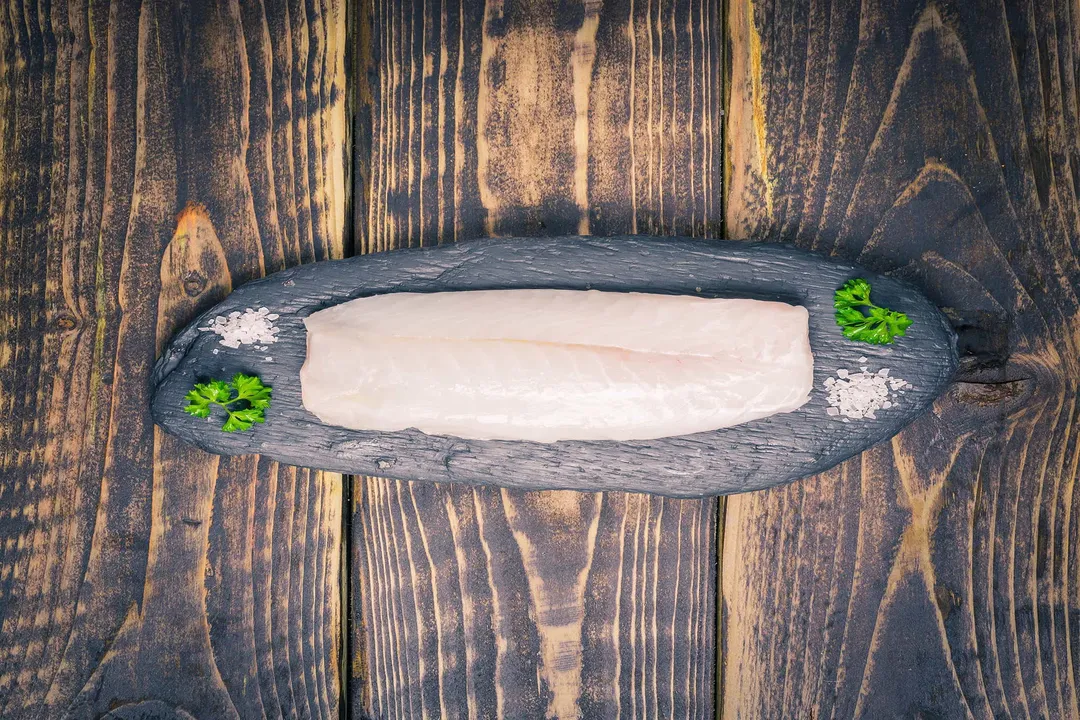
A frequent point of confusion in seafood labeling involves the term "cod," which sometimes leads consumers to purchase a completely different, albeit delicious, fish: Sablefish, commonly known as Black Cod. [6] It is important to note that these are not the same species. [6] True cod, such as Atlantic or Pacific Cod (Gadus morhua or Gadus macrocephalus), have the characteristic mild, white flesh. [9][6] Sablefish, however, is much oilier, has a richer, almost buttery flavor, and is often compared to Chilean Sea Bass in texture. [6]
If a recipe calls for a delicate, low-fat white fish, Sablefish will behave differently due to its higher fat content, potentially leading to a less flaky, though richer, result. [6] Those seeking the classic cod experience must ensure the label specifically reads "Cod" (Pacific or Atlantic) and not "Black Cod". [6][9] A dedicated search for "true cod" might also be necessary to avoid close relatives that share the name but not the exact profile. [9]
# Cooking Versatility
Cod’s firm yet flaky nature is what makes it such a kitchen workhorse; it stands up well to various cooking methods without immediately dissolving into mush. [5][10] It is the traditional choice for British fish and chips because the mild flavor pairs perfectly with the savory batter, and the flesh holds together even after deep-frying. [5][10]
However, its high quality shines through in simpler preparations as well. Baking, broiling, or poaching cod gently allows the natural texture to remain the star. [5] When preparing cod, especially fillets that have been previously frozen or those sourced for their extreme leanness, it is important to introduce moisture during the cooking process to prevent the low natural fat content from resulting in a dry texture. [7] For instance, when baking, a light coat of oil or wrapping the fillet in parchment paper (en papillote) with some sliced lemon and a splash of wine helps trap steam and keep the protein supple, offering a level of control that richer fish like salmon do not always require. [4]
Cod is also frequently incorporated into heartier dishes where it can impart its subtle flavor without dominating the broth, such as in chowders or thick stews. [5] This adaptability across high-heat frying and gentle poaching truly speaks to its standing as a versatile, high-quality staple.

# Sourcing and Sustainability
The quality of cod is inextricably linked to where and how it is caught. Alaskan Cod, for example, is a major commercial fishery, and the management practices associated with these populations are often held to high standards. [3] Fish sourced from well-managed fisheries generally exhibit better quality indicators, such as firmer flesh upon landing, due to shorter travel times and regulated handling practices. [5]
For consumers, looking for indicators like MSC (Marine Stewardship Council) certification or specific regional sourcing (e.g., Alaska) can act as a proxy for quality assurance, suggesting adherence to stricter environmental and handling protocols, which directly impacts the final product's texture and taste. [3] While the general consensus leans toward cod being a superior white fish, recognizing the source—whether wild Pacific, Atlantic, or farmed—provides context for its ultimate quality rating. [1][9]
Related Questions
#Citations
Is cod considered high quality fish/delicacy? : r/AskRedditFood
Why is cod considered the best tasting fish in the oceans? - Quora
Alaska Cod Health and Nutrition | Alaskan Leader Seafood
What Does Cod Taste Like? - Summer Shack
Cod | Alaska Seafood Marketing Institute
Alaskan Sablefish (Black Cod) vs Cod: Know the Differences!
Your Essential Guide to Cod | What is Cod? - Fulton Fish Market
Is Cod Healthy? Nutrition, Benefits, and Risks
True Cod - Sea Forager
Everything You Need to Know About … Cod - Fresh Fish Daily