What foods give high calories?

Understanding which foods pack the most energy—calories—into each serving is central to managing weight gain, supporting high metabolic needs, or simply ensuring adequate energy intake when appetite is low. [4][6] Calories, derived from the macronutrients protein, fat, and carbohydrates, represent the fuel our bodies use for every function, from breathing to running a marathon. While low-calorie, high-volume foods are often the focus of weight management, the opposite end of the spectrum—foods that are calorie-dense—are essential when the goal is to increase total energy intake efficiently. [9] These are foods that offer a large number of calories in a relatively small physical portion, making them highly effective additions to any diet needing an energy boost. [5][9]
# Density Defined

Calorie density is the key concept here. It describes how many calories are present per gram of food. Since fat provides about 9 calories per gram, compared to 4 calories per gram for carbohydrates and protein, any food naturally high in fat will inherently be more calorie-dense. [9] This doesn't automatically mean unhealthy; rather, it means concentrated energy. For someone needing to consume, say, an extra 500 calories per day, eating a large bowl of lettuce or celery (low density) is impractical compared to consuming a handful of nuts or a few tablespoons of oil (high density). [9] Healthy sources of high calories often blend these energy-dense fats with beneficial vitamins, minerals, and fiber. [7]
# Fats Oils
The purest expression of calorie density comes from fats and oils. Pure fats contain approximately 120 calories per tablespoon. [9] Incorporating these into the diet is perhaps the most straightforward way to boost calorie intake without significantly increasing meal volume. [4]
Cooking oils such as olive oil, canola oil, or sunflower oil are versatile tools. Simply adding an extra tablespoon of oil when sautéing vegetables or using it to prepare rice or pasta can easily add over 100 calories. [4] Another simple application involves drizzling oil over cooked foods after they come off the heat, as high heat can sometimes degrade the flavor profile of delicate oils like extra virgin olive oil. Furthermore, mayonnaise, which is primarily oil-based, serves as an excellent, flavorful, high-calorie spread or binder for sandwiches and salads. [1][5]
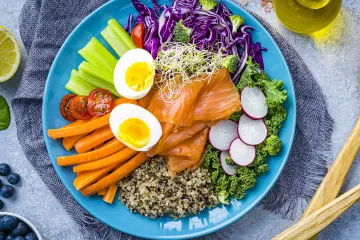
While pure oils are concentrated energy, the fats found naturally in certain foods carry added nutritional benefits. Consider the difference between adding plain vegetable oil to a meal versus incorporating avocado or fatty fish. Avocado is rich in monounsaturated fats, fiber, and potassium. [5] Similarly, fatty fish like salmon not only deliver substantial calories through fat content but also provide crucial omega-3 fatty acids, which are vital for heart and brain health. [5] A serving of salmon might offer a different mix of micronutrients than a meal seasoned with butter, but both contribute significantly to the overall energy count. If one were trying to maximize energy while keeping a close eye on nutrient diversity, a small, high-quality steak or fatty fish might be preferable over simply loading everything with lard or shortening, even though the pure caloric yield from the added fat might be similar. [7]
# Dairy Proteins
Dairy products are often foundational to a high-calorie diet because they naturally contain a mix of fat, protein, and carbohydrates (lactose), making them well-rounded energy sources. [5] The key here is selecting the full-fat versions over their skim or low-fat counterparts. [4][6]
Whole milk, for example, should be prioritized over skim milk. [1][6] This applies across the board: full-fat yogurt, whole milk cheeses, and cream should be chosen whenever possible to maximize caloric intake. [1][7] Cheese is particularly effective; it's shelf-stable (in many forms), easy to sprinkle onto various dishes, and it melts beautifully into things like scrambled eggs, baked potatoes, or casseroles, often doubling the calories of a single serving without adding significant bulk. [1][5] For someone managing a condition that requires high energy, like cystic fibrosis, incorporating whole milk into shakes or using it to make creamy sauces can be an easier way to consume calories than trying to eat larger volumes of solid food. [7]
It is worth noting the difference in calorie concentration. One cup of whole milk offers around 150 calories, whereas one cup of heavy cream can easily deliver over 800 calories due to its significantly higher fat content. [5] This comparison illustrates why choosing cream, sour cream, or crème fraîche as a topping for soups, baked potatoes, or desserts is a powerful strategy for calorie loading. [4]
# Nuts Seeds
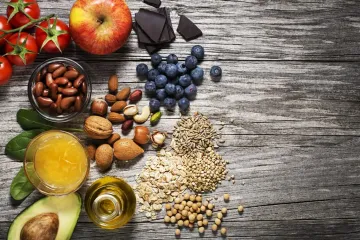
Nuts and seeds stand out as exceptional choices for adding concentrated, nutrient-dense calories to the diet. [5] These items are often high in healthy fats, protein, and fiber. [9]
Consider a small handful of almonds, walnuts, or pecans. Their caloric content rivals that of many larger food items. [5] For example, just a quarter-cup serving of mixed nuts can easily surpass 200 calories. [1] The convenience factor here is massive: they require no preparation and can be eaten alone or added to almost anything. [4]
Nut butters—peanut butter, almond butter, or cashew butter—are equally potent. [5] Two tablespoons of peanut butter hover around 190 calories, making them fantastic additions to whole-grain toast, blended into smoothies, or simply eaten off a spoon. [1][6] When someone is struggling to meet energy needs, spreading peanut butter thicker than normal on a slice of bread, or even adding a second layer, is a simple adjustment that yields immediate caloric results without the heavy feeling of consuming a huge portion of meat or vegetables. [7]
This is where integrating small additions really pays off. Instead of just tossing a few nuts on a salad, try crushing them and mixing them directly into yogurt or oatmeal. This is a simple method of calorie stacking, where you increase the energy of a standard meal without drastically changing the perceived portion size or the eating experience. If a standard bowl of oatmeal provides 200 calories, mixing in two tablespoons of almond butter and a tablespoon of flaxseeds can easily push that bowl closer to 400–450 calories, turning a light breakfast into a substantial energy contributor. [4]
# Dried Fruits
While fresh fruits are important for water content and micronutrients, dried fruits are inherently more calorie-dense because the water has been removed, concentrating the natural sugars and calories. [9] Raisins, dates, prunes, and dried apricots are excellent examples. [1][5]
For instance, a half-cup of raisins contains significantly more calories than the equivalent volume of fresh grapes. [5] This concentration makes them excellent for snacking or mixing into trail mixes alongside nuts. [1] They also provide quick energy due to their sugar content. When preparing baked goods like muffins or breads, substituting a portion of the sugar with dried fruit not only adds fiber but also contributes more substantial energy per bite than refined sugar alone might provide in terms of accompanying nutrients. [7]
# Starchy Vegetables Grains
While less dense than pure fats, complex carbohydrates that are starchy provide a significant calorie base, especially when paired with added fats. [9] Potatoes, corn, peas, and sweet potatoes fall into this category. [1][6]
Potatoes, when baked or mashed, are an accessible energy source. The caloric load significantly increases, however, when they are prepared with high-fat additions. A plain baked potato is moderate in calories, but a potato loaded with butter, cheese, and sour cream transforms into a true high-calorie item. [1][6] Similarly, whole-grain breads and pastas offer more calories and nutrients per serving than their refined white counterparts because they retain the fat-containing germ and bran. [5] Choosing whole-grain bread for those peanut butter sandwiches, for example, provides a better overall nutritional profile alongside the added calories from the spread. [4]
# Shakes Smoothies
One of the most effective, though sometimes overlooked, strategies for increasing calorie intake involves drinking calories rather than eating them. [1][4] This is particularly helpful for individuals who feel full easily or have smaller appetites but still need high energy levels, such as children needing to gain weight or recovering patients. [6]
A homemade, nutrient-dense smoothie or shake can easily surpass 500 or 600 calories while still being relatively easy to consume quickly. [1] To construct such a shake effectively, one should layer high-calorie components:
- Base: Whole milk or a high-calorie plant-based alternative.
- Fruit/Carb: Banana, mango, or oats for texture and energy.
- Fat/Protein Boost: A scoop of protein powder, a generous dollop of nut butter, or a tablespoon of coconut oil or avocado.
- Flavor Enhancer: A little honey or maple syrup for taste and extra simple carbohydrates.
By using whole milk instead of water or skim milk, and blending in ingredients like nut butter and avocado, you transform a light beverage into a meal replacement equivalent in energy content. [4][7] This ability to consume high energy without the physical volume required by solid food is a significant advantage when energy requirements are significantly increased. [6]
# Practical Application Analysis
When looking at these sources, it becomes clear that simply eating more of everything isn't always the most practical solution, especially if a person struggles with volume intolerance. [6] The real "expertise" comes in modifying how the food is eaten, not just what is eaten.
For instance, consider two scenarios for adding an extra 300 calories:
| Method | Food Choice | Volume/Satiety Impact |
|---|---|---|
| Volume Addition | Adding 1.5 cups of cottage cheese (low-fat) | Significant stomach fullness |
| Density Addition | Adding 3 tablespoons of olive oil to dinner + 1 oz of walnuts as a snack | Modest volume addition, high energy |
The density addition method often leads to better long-term adherence because it avoids overwhelming the digestive system with bulk. [9] Instead of forcing large meals, focusing on adding small, energy-rich components to every existing meal and snack throughout the day is a sustainable approach. [4] This includes adding cheese sauce to vegetables, using cream in coffee, or mixing ground flaxseed into yogurt.
Another key consideration often mentioned when discussing high-calorie needs, particularly in medical contexts, is ensuring that these high-energy foods are also nutritionally adequate. [7] For a growing child or someone recovering from illness, calories alone are insufficient; the body also needs the building blocks (protein) and micronutrients (vitamins/minerals) found in whole foods like salmon, avocados, and full-fat dairy. [5][7] Focusing solely on calorie-dense, nutrient-poor items like pure sugar or excessive fried foods might meet the energy target but fail to support overall health and recovery. [9] Balancing density with the existing nutritional matrix of the food source is paramount for achieving healthy weight gain. [4]
# Scheduling Intake
The timing of consumption is as important as the content itself. For individuals trying to increase their intake, filling up on low-calorie beverages right before a meal can be counterproductive, as the liquid fills the stomach space. [1] It is often recommended to drink fluids after meals, or choose calorie-containing drinks like milk or high-calorie shakes between meals rather than immediately preceding them. [4][6]
If a person finds that eating every three hours is too much, they might opt for three substantial meals supplemented by two very dense, easy-to-consume snacks rich in nuts, dried fruit, or cheese in the mid-morning and mid-afternoon. [1] This spreads the higher caloric load throughout the day, making it less daunting than trying to consume an enormous amount at two or three sittings.
Finally, even for general readers seeking to maintain or slightly increase their weight, understanding these calorie-dense foods offers a form of dietary control. It allows for conscious choices. If a long hike or an intense workout day requires an extra 800 calories, reaching for a handful of mixed nuts and a dense smoothie offers a quick, effective solution compared to attempting to eat several extra sandwiches. [5] These foods are the workhorses of high-energy nutrition, providing maximum fuel with minimal physical imposition on the eater. [9]
Related Questions
#Citations
High-Calorie Food List and Snack Ideas
The 18 Best Healthy Foods to Gain Weight Fast
High-Calorie and High-Protein Diet: Care Instructions
Need to gain weight? Here are some healthy ways to add ...
20 High-Calorie Foods for Healthy Weight Gain
High Calorie Diet
Healthy High-Calorie Eating
Ideas for Healthy, High Calorie Meals and Snacks
Calorie-dense foods: Needs, healthy options, and more