Is Alaska Pollock a high quality fish?
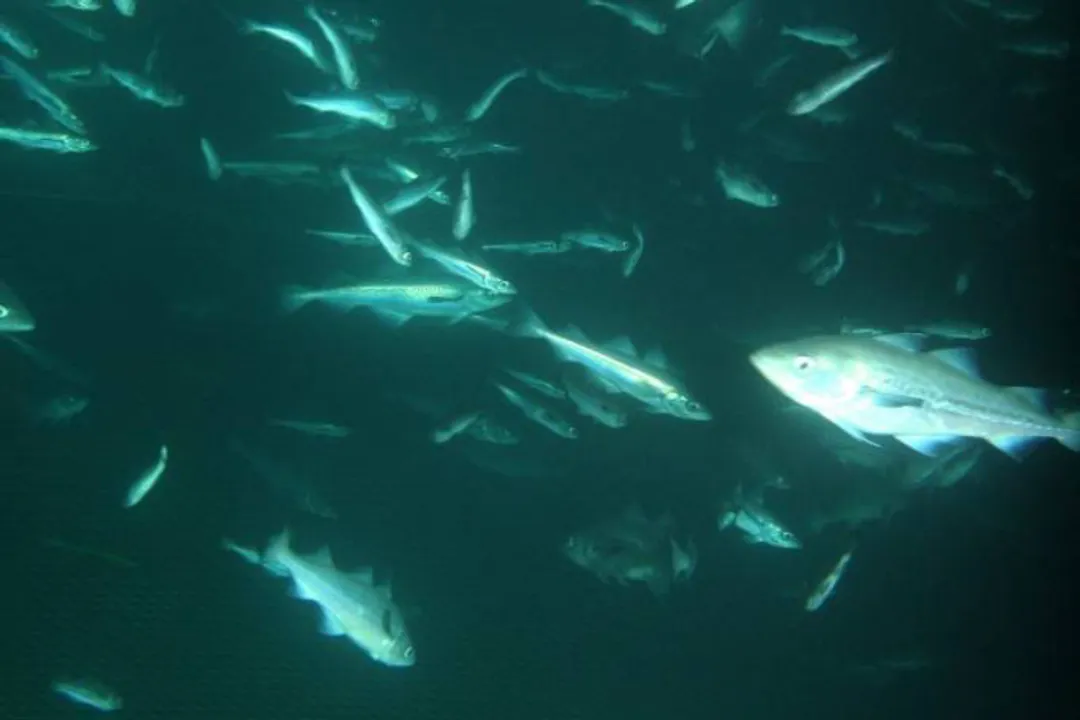
Alaska Pollock, often flying under the radar compared to salmon or cod, holds a significant position in the global seafood supply chain, prompting a common question about its true quality. This whitefish, harvested primarily from the frigid, clean waters of the Bering Sea and the Gulf of Alaska, offers a remarkably mild taste and tender texture that appeals to a broad spectrum of eaters. [6][5] Its ubiquity, particularly in processed foods and fast-casual dining, often leads consumers to wonder if its low price point reflects lower quality or merely efficient, large-scale management. [2] Evaluating its quality requires looking past the supermarket packaging and understanding its origin, nutritional makeup, and the rigorous sustainability standards that govern its harvest. [3][5]
# Whitefish Profile

Alaska Pollock, scientifically known as Gadus chalcogrammus, is a member of the cod family, though it is distinct from Atlantic or Pacific Cod. [7] It is characterized by its silvery-white flesh and a delicate, fine flake once cooked. [6] Unlike some stronger-flavored whitefish, pollock possesses a subtle flavor profile, making it an incredibly versatile ingredient in the kitchen. [6]
This species is one of the largest fisheries in the United States, with harvests occurring in the cold waters of the eastern Bering Sea and the Gulf of Alaska. [7][5] Because it is a wild-caught fish originating from these specific, well-managed regions, its sourcing is generally traceable. [5] When you purchase Alaska Pollock, you are generally buying a product managed under strict US regulations designed to maintain the health of the stock for the long term. [7]
# Health Benefits

From a purely nutritional standpoint, Alaska Pollock scores very well as a source of lean protein. [1] It is notably low in fat, which contributes to its lighter profile compared to oilier fish. [1] A standard serving provides a substantial amount of essential nutrients. Specifically, it is considered a good source of Vitamin , phosphorus, and selenium. [1]
While it is an excellent choice for building muscle mass or incorporating lean protein into a diet, it is important for consumers seeking high levels of Omega-3 fatty acids to recognize where pollock fits in the broader seafood landscape. [1] For example, a typical serving of Alaska Pollock might contain significantly fewer grams of and compared to a salmon fillet of the same size. [1] If your primary goal is boosting Omega-3 intake, pollock is best viewed as a complement to fattier fish, rather than a primary source for those specific fats. [1] This distinction is key for consumers aiming for a balanced intake of all beneficial fish oils.
# Sustainability Standing
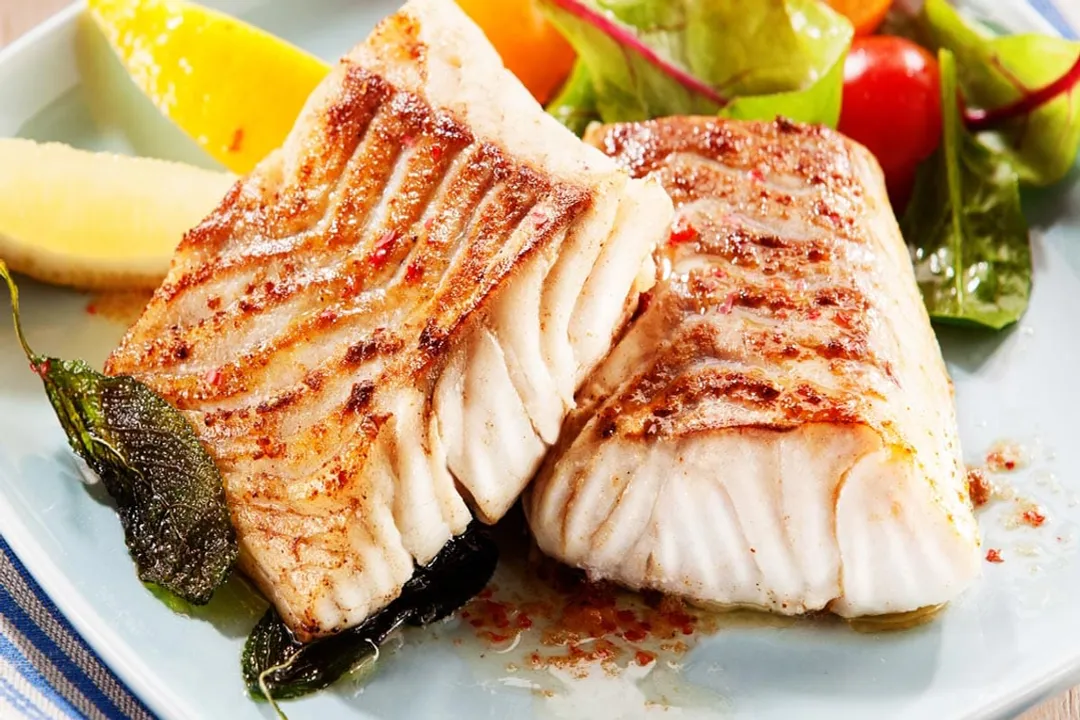
One of the most compelling arguments for the quality of Alaska Pollock lies in its environmental stewardship. [5] The fishery operates under an extensive management system overseen by the National Marine Fisheries Service (NMFS) and the North Pacific Fishery Management Council. [5][7] This management is often cited as a gold standard for large-scale fisheries. [5]
The approach relies on science-based catch limits designed to prevent overfishing and ensure the long-term viability of the fish stocks. [7] This meticulous oversight means that Alaska Pollock has frequently earned high marks from conservation groups. [5] However, sustainability ratings can fluctuate based on specific regional stocks or the year of assessment. [4] Consumers interested in making the most environmentally conscious choice should always cross-reference their purchase against the latest available consumer guides from organizations that track these assessments. [4] The fact that the entire fishery is managed under a rigorous quota system, rather than simply being harvested until depletion, speaks volumes about the management quality surrounding this product. [5]
# Cost Perception
The lower price point associated with Alaska Pollock often drives the perception of lower quality, but the reality is tied more to volume and processing than inherent fish quality. [2] Because the stock is so abundant and sustainably managed, the supply is immense, which naturally keeps the cost down compared to species with tighter quotas or shorter seasons. [2]
Furthermore, a significant portion of the catch is used for surimi production—the base material for imitation crab meat—and for bulk orders for the food service industry, which demands cost-effectiveness. [2][8] When restaurants utilize pollock in standard breaded fish sandwiches or fish sticks, the fish is often heavily processed, seasoned, and frozen, obscuring the natural mildness and texture of the raw product. [8] This mass-market application, where the fish acts as a mild, inexpensive protein carrier, contributes to its reputation as a 'filler' ingredient, even though the raw material itself is sound. [8]
# Culinary Versatility
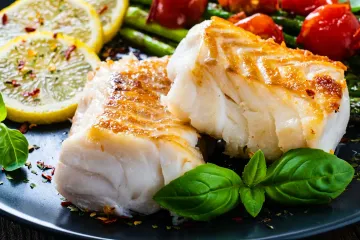
Beyond its role in processed foods, high-quality, individually quick-frozen (IQF) Alaska Pollock can be an excellent choice for the home cook. [6] Its mild flavor means it readily absorbs marinades, spice rubs, and sauces without clashing with them. [6] This makes it a fantastic blank canvas for international cuisines, from light lemon-herb baking to robust Asian preparations.
For those looking to prepare it at home, understanding how to treat the filet makes all the difference. Because it is generally sold frozen, proper thawing is crucial to preserving its texture. A slow, overnight thaw in the refrigerator, rather than a quick room-temperature defrost, helps minimize moisture loss. [1] When cooked gently, the flakes separate beautifully, mimicking more expensive whitefish options like true cod, provided you avoid overcooking, which can lead to a dry texture. [6]
# Quality Misconceptions
The idea that pollock is inherently "low grade" often stems from confusing the species with the preparation method. [8] It is not the lowest grade seafood used; rather, it is often the most economical option for high-volume food applications. [8] In the restaurant sector, the choice to use pollock in certain breaded products is often a business decision prioritizing low food cost and consistent texture across thousands of units, not necessarily an indicator of poor fish health or inherent inferiority. [2][8]
If you encounter a pollock filet that seems rubbery or flavorless, it is far more likely due to improper freezing/thawing techniques or excessive processing—such as being infused with phosphates to retain water—rather than the quality of the wild fish caught in the Gulf of Alaska. [8] When you buy whole, minimally processed loins or steaks, you are getting much closer to the inherent quality of the wild catch. For instance, examining the packaging can offer clues; fish labeled as simply wild-caught Alaska Pollock without extensive additives generally signals a higher standard than a product listing multiple stabilizing ingredients. [1]
If you are buying retail frozen filets, always look for those that are labeled as skinless, boneless but check the ingredient list. A premium indicator is the absence of water-retaining agents like sodium tripolyphosphate. While these agents are generally recognized as safe, they add water weight and can slightly alter the final texture, pushing the product further from its natural state. Choosing products with minimal, or zero, added ingredients will yield a cleaner, higher-quality result at the dinner table, justifying the purchase even if the price is low. [4]
Related Questions
#Citations
Health and Nutrition (About the Fish) | Genuine Alaska Pollock ...
Why is alaskan pollock so cheap? : r/EatCheapAndHealthy - Reddit
Alaska Pollock | NOAA Fisheries
Sustainable Pollock guide | Seafood Watch
Alaska Pollock | Alaska Seafood Marketing Institute
What is Pollock fish and how is it used? - Facebook
Five Facts about Wild Alaska Pollock | Port of Seattle
Is pollock the lowest-grade seafood used in restaurant filets ... - Quora
5 reasons to eat pollock