Is McDonald's fish sandwich made out of real fish?
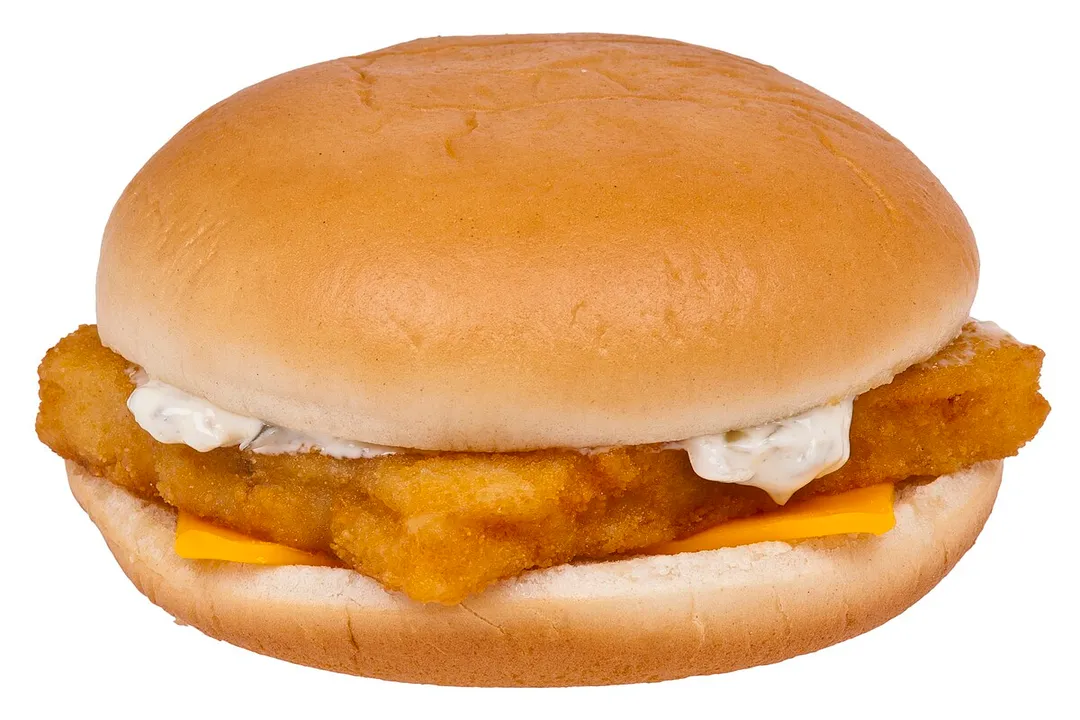
The ingredient list for the McDonald's Filet-O-Fish sandwich often sparks curiosity, leading many patrons to wonder exactly what kind of seafood they are consuming when they order the Lenten favorite. For those wondering if it is "real fish," the answer is straightforward: yes, it is made from actual fish, specifically Alaska Pollock. This specific type of white fish is central to the sandwich's preparation and its global availability.
# Species Identity
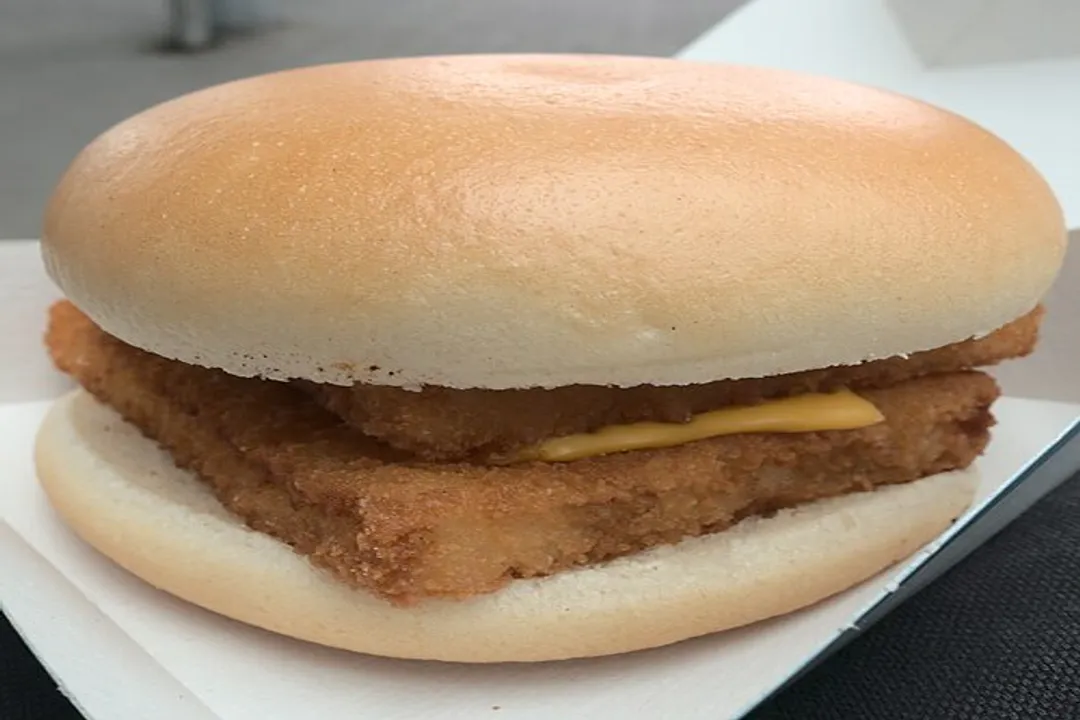
The fish used is not a mystery fillet created in a lab; it comes from a widely available and recognized species of fish. McDonald's officially confirms that the Filet-O-Fish uses steamed, battered, and fried fillets of Alaska Pollock. This species, scientifically known as Gadus chalcogrammus, is a type of white fish popular in the commercial seafood industry.
It is important to note that Alaska Pollock is distinct from other popular white fish like cod, which some consumers might associate with higher-quality fried fish sandwiches. Pollock is known for its mild flavor and firm texture, which holds up well to the frying process required for the sandwich. While some might find the taste or texture different from what they expect from a fresh seafood market purchase, the product begins its life as a whole fish harvested from the ocean.
# Historical Need
The existence of the Filet-O-Fish is deeply rooted in religious observance and local market demands. The sandwich was invented out of necessity, not market research aimed at a general audience. It was created by Lou Groen, a McDonald's franchisee operating in the predominantly Catholic area of Cincinnati, Ohio.
Groen noticed a dramatic drop in sales every Friday during Lent, a period when many Roman Catholics abstain from eating meat. To combat this seasonal business slump, he introduced a non-meat option in 1965. The initial concept was a simple fish patty served with cheese and tartar sauce on a steamed bun. The sandwich proved so successful locally that it was brought onto the national menu in the United States in 1967, just two years after its introduction in Cincinnati.
This history reveals that the sandwich was designed specifically as a meat substitute, which explains its characteristic pairing with American cheese and tartar sauce—elements that complement the mild white fish but differ significantly from a traditional fish-and-chips presentation.

# Sourcing Standards
As one of the largest food purchasers globally, McDonald's adherence to specific sourcing standards for ingredients like Alaska Pollock is a key point for public trust. The corporate stance emphasizes sustainability for the fish used in their white-fished products.
McDonald's states that the Alaska Pollock they procure is sustainably caught wild fish. This commitment often aligns with certifications or assessments designed to ensure fisheries operate in a manner that supports the long-term health of the marine ecosystem. For many consumers today, the focus shifts from what the fish is to how it was harvested, making these statements on sustainable sourcing a critical part of the product story.
When looking at the global supply chain for a high-volume product like the Filet-O-Fish, maintaining consistency is paramount. Using a single, reliably managed stock like Alaska Pollock allows McDonald's to ensure that a customer in a different city, or even a different country, receives a product that tastes nearly identical to the one they had previously. This reliance on a high-volume, controlled supply chain is an operational choice that prioritizes consistency over ingredient variety, which often results in consumer debate over whether the "fancier" fish alternatives are superior.
# Sandwich Components
While the species of fish is established, the overall experience of the Filet-O-Fish is a combination of several distinct elements working together. The sandwich is built on a steamed, soft, square bun. On top of the bottom bun sits the battered and deep-fried fillet of Alaska Pollock.
The two primary flavor agents layered over the fish are:
- Tartar Sauce: This creamy, tangy condiment is essential to the sandwich's profile.
- Pasteurized Process American Cheese: A single slice of this processed cheese is placed directly onto the hot fish fillet, allowing it to melt slightly.
This specific assembly—fish, cheese, tartar sauce, steamed bun—is what defines the classic Filet-O-Fish experience. Some consumer discussions note that the familiar flavor profile leans heavily on the sweetness of the bun and the acidity of the tartar sauce, which can mask the more subtle flavors of the pollock itself.

# Consumer Context
When people question if the fish is "real," the concern often stems from the appearance of the finished product—a perfectly uniform, rectangular patty—and the heavily processed nature of other ingredients like the cheese. It is useful to distinguish between authenticity (is it from an actual fish species?) and quality perception (does it taste like a premium cut?). The sources confirm the authenticity based on the species identification, but the perception of quality is subjective and tied to expectations formed by other dining experiences.
If we analyze the assembly process, it becomes clear that consistency is engineered at every step. The fish is pre-portioned and breaded before being frozen and shipped to the restaurant for frying. This preparation is standard for high-volume operations; it minimizes waste and ensures every sandwich meets precise weight and cooking specifications. Where a small, independent restaurant might use a fresh, irregularly shaped cod fillet, McDonald's requires uniformity provided by the pollock operation.
This leads to an interesting point regarding ingredient trade-offs. For a consumer accustomed to the strong, flaky texture of Atlantic cod, the milder, slightly denser texture of the pollock might feel less substantial or "real." However, the engineering behind the Filet-O-Fish is less about replicating a whole fillet experience and more about delivering a reliably satisfying, sweet, tangy, and savory product that adheres to strict cost and preparation guidelines. For instance, the choice of cheese is almost certainly deliberate; a standard cheddar slice would introduce a sharpness that could clash with the specific balance of the tartar sauce, whereas the mild melt of process American cheese integrates more smoothly into the overall flavor signature established since 1965. The ability of the pollock to absorb the batter and steam within the bun without becoming excessively greasy is what keeps it viable within the system.
In a broader sense, understanding the supply chain helps frame the "realness" question. The commitment to sustainable sourcing for Alaska Pollock, a massive fishery in the Bering Sea, shows that McDonald's is drawing from a verifiable, tangible natural resource. The fish is not an imitation, but rather an ingredient selected specifically for its ability to integrate perfectly into a fast-food production line while meeting modern sustainability benchmarks.
#Videos
Is the Filet-O-Fish Actually Fish? - YouTube
Related Questions
#Citations
Everything You Need To Know About McDonald's Famous Filet-O-Fish
What's actually in our Filet-O-Fish® sandwich?
What kind of meat is in McDonald's Filet-o-Fish sandwich? - Quora
Is the Filet-O-Fish Actually Fish? - YouTube
The Little-Known Fact About McDonald's Filet-O-Fish - Yahoo
What Type of Fish do You use in the Filet-O-Fish®? - McDonald's
Filet-O-Fish - Wikipedia
Discover the history of the Filet-O-Fish sandwich and what makes ...
Is McDonald's Filet O Fish real fish? - Fast food news - Quora