Is real Italian food healthy?
The perception of Italian food often swings wildly between images of hearty, cheese-laden lasagna piled high and the elegant simplicity of sun-ripened tomatoes dressed with fresh basil. Determining whether this globally adored cuisine is genuinely healthy requires peeling back the layers of regional tradition, modern adaptation, and, critically, how it is consumed. [8] When we talk about "real" Italian food, we are usually referencing the foundational principles of the Mediterranean diet, which is widely celebrated for its positive effects on longevity and cardiovascular health. [3][4] This style emphasizes fresh, seasonal ingredients prepared simply, rather than the richer, larger-portioned interpretations that have become common elsewhere. [6]
# Mediterranean Roots
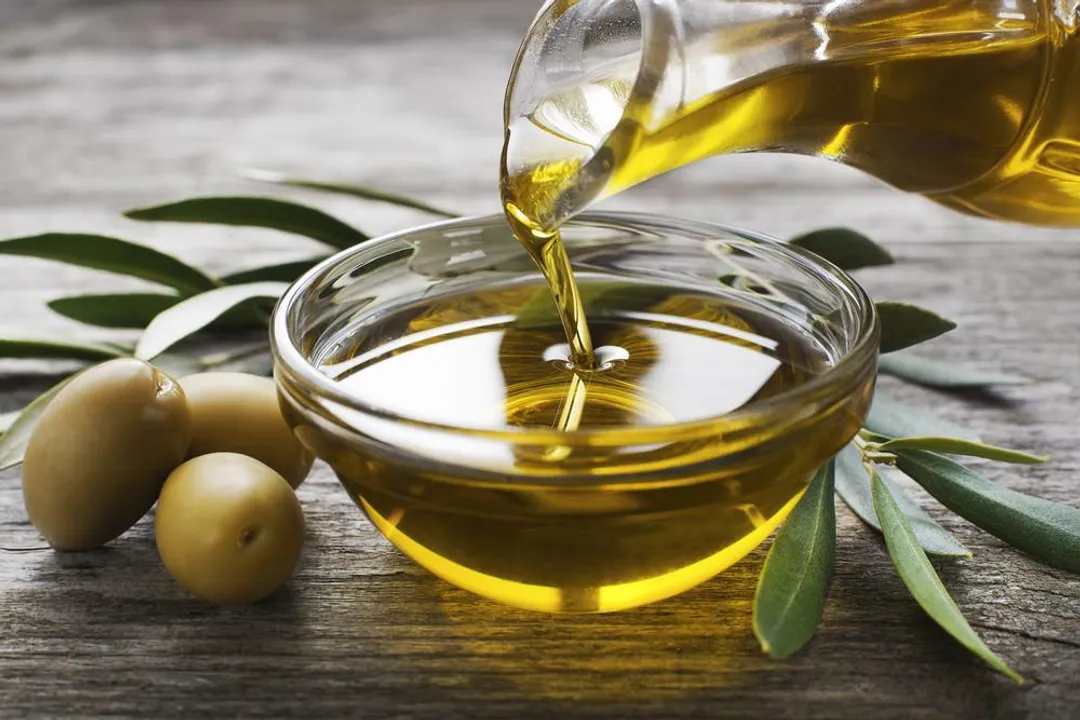
The health credentials of authentic Italian cooking are deeply tied to the Mediterranean eating pattern. [3][9] At the very center of this approach is extra virgin olive oil, which is heavily utilized and is rich in monounsaturated fats that benefit heart health. [7] This foundational fat source often replaces less healthy saturated fats found in many other culinary traditions. [8] The abundance of fresh produce is another critical factor; Italian cuisine naturally incorporates a vast array of vegetables, legumes, and fruits. [3]
Consider the power inherent in common Italian components. Tomatoes, for instance, are foundational, providing high levels of the antioxidant lycopene, which is beneficial for the body. [7] Dishes frequently feature greens like spinach or bitter herbs, alongside hearty vegetables like eggplant and artichokes, all contributing essential vitamins, minerals, and fiber. [7] Furthermore, when prepared traditionally, Italian meals often feature fish, particularly in coastal regions, adding beneficial omega-3 fatty acids to the diet. [4] The simple technique of roasting or grilling vegetables, allowing their natural flavors to shine with minimal intervention, preserves more of their nutritional value compared to heavy frying. [6]
# Carb Context
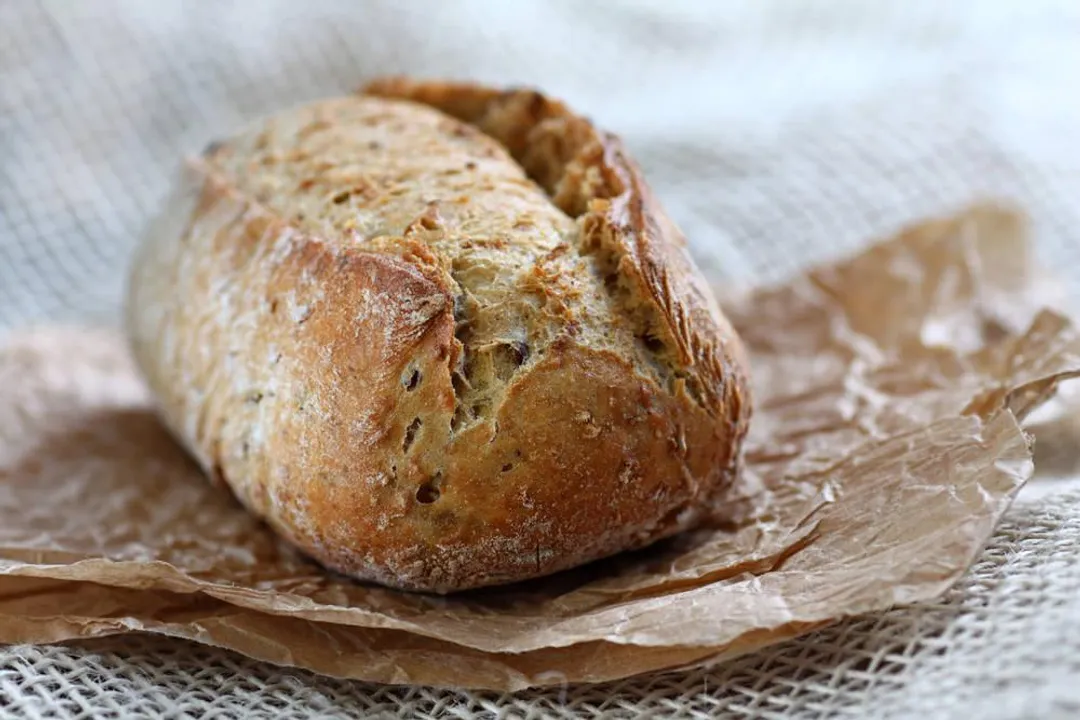
A major point of contention when assessing the healthiness of Italian food revolves around carbohydrates, specifically pasta and bread. [5] It is true that pasta and pizza dough rely heavily on flour, and traditionally, this has often been refined white flour. [1] This leads to concerns about blood sugar spikes and a lower fiber intake compared to whole-grain options. [2] However, the Italian approach to these staples differs significantly from how they are sometimes treated outside of Italy.
In Italy, the carbohydrate portion is traditionally viewed as an insalata or contorno—a side dish or accompaniment to the main vegetable or protein—rather than the star of the plate. [2] The focus tends to be on balance. For example, a typical Italian primo piatto (first course) of pasta might be served in a moderate portion, perhaps only 80 to 100 grams dry weight, and then balanced by a large serving of vegetables and a leaner protein for the secondo piatto. [2] When pasta is eaten this way, the overall caloric and glycemic load of the meal is managed effectively. [2] The modern American or Western approach, where a huge bowl of creamy pasta constitutes the entire main course, is what shifts the balance away from healthiness. [1]
An interesting point of comparison arises when looking at regional variations in carb consumption. While areas like Emilia-Romagna are famous for egg-based pasta, Southern Italy historically relied more on durum wheat semolina pasta, which has a lower glycemic index than the softer wheat used for fresh pasta in the North. [2] If we were to create a simple nutritional comparison based on typical preparation, the difference between a Southern Italian pasta dish dressed with local olive oil, garlic, and chili flakes versus a Northern Italian cream-based dish served in restaurant-sized portions becomes starkly evident. [1][2] The sheer volume of refined carbs consumed in one sitting, rather than the carb itself, often presents the primary nutritional hurdle for many diners. [5]
# Dairy Concerns Addressed

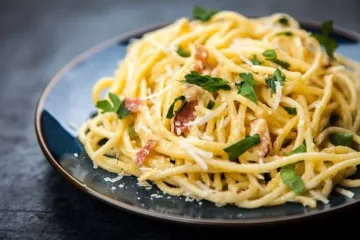
Another frequent question centers on the perceived excessive use of cheese and cream. [5] It is easy to picture decadent sauces like Alfredo, leading many to assume all Italian cooking is saturated in dairy fat. While certain northern regions, like Emilia-Romagna (home to Parmesan and mascarpone), do incorporate richer dairy elements, this is far from the national standard. [1]
Authentic Italian cooking, especially in the central and southern regions, relies far more heavily on the acidity of tomatoes, the savoriness of cured meats (used sparingly), and aromatics like garlic and herbs for flavor depth, rather than thick cream sauces. [6] When cheese is used, it is often employed as a flavoring agent—a grating of Parmigiano Reggiano or Pecorino Romano—rather than a primary ingredient volume-wise. [1] For example, a tablespoon or two of high-quality, hard cheese contains intense flavor, meaning a small amount goes a long way to satisfying the palate without overloading the meal with saturated fat and calories. [5] A chef focusing on the "real" Italian philosophy prioritizes extracting flavor from high-quality, potent ingredients, which often means less reliance on heavy, fatty binding agents. [6]
# Preparation Simplicity
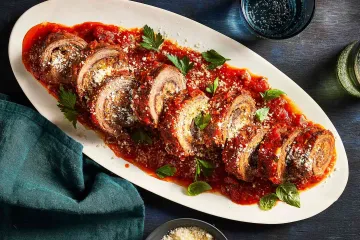
The method of cooking is intrinsically linked to the health profile of the final dish. Real Italian food tends to favor minimal, clean cooking techniques that respect the ingredient's natural state. [6] This means grilling, light sautéing in olive oil, poaching, or baking are common practices. [9] Unlike some cuisines that rely on deep-frying or slow-cooking in heavy fats, the Italian method is often about quick, high-heat application or slow simmering in liquid mediums like wine or broth, allowing flavors to meld without adding excessive, unnecessary fats. [3]
The emphasis on freschezza—freshness—also plays a hidden health role. When ingredients are seasonal and fresh, they inherently contain higher levels of nutrients and flavor, reducing the need to mask deficiencies with salt, sugar, or fat. [7] When you buy a beautiful, vine-ripened tomato in the summer, it needs little more than salt, pepper, and good olive oil to be spectacular; a pale, out-of-season tomato requires much more intervention to be palatable. [6] This cultural preference for peak seasonality is an automatic mechanism for nutrient density.
One practical takeaway for replicating this health profile at home is to analyze your sauce base. If your primary flavor foundation relies on a large amount of butter or heavy cream, you are likely preparing an American-Italian-style sauce. Shifting that base to one where the liquid comes from high-quality crushed tomatoes, white wine, or vegetable stock, with butter used only for a final, brief swirl of richness (a technique called mantecatura), can drastically reduce fat while enhancing tomato flavor. This analytical shift from fat-as-base to liquid-as-base is a subtle but significant health upgrade.
# Eating Habits Culture
Beyond the ingredients themselves, the Italian approach to how food is consumed contributes significantly to its perceived healthiness. [2][6] It is not just what you eat, but when and how slowly you eat it that matters for digestion and satiety. [2] Italian meals are often structured events that take time, encouraging mindful eating. [6]
- Pacing: Meals are typically eaten slowly, allowing the body time to register fullness signals, which naturally aids in appropriate portion control, regardless of the initial plate size. [2]
- Structure: The multi-course structure, while sometimes seeming heavy, actually encourages balance. You might have a small antipasto (appetizer), a moderate primo (pasta/rice), followed by a lean secondo (meat/fish) with a contorno (vegetable side), finishing with fruit or a small dessert. [6] This distribution spreads the caloric load and ensures vegetable intake is high. [4]
- Wine: Moderate, regular consumption of red wine, often with meals, is associated with the positive effects of the Mediterranean diet due to its antioxidant properties, though this is only beneficial within strict moderation. [3]
Contrast this with the quick, single-plate meals common in many other cultures, where large servings are consumed rapidly, often leading to overconsumption before satiety kicks in. [2] The health benefit is therefore partly cultural—the food culture supports moderation. [6] If a non-Italian consumer orders an appetizer portion of calamari, a main course of lasagna, and a side of bread, they are consuming a quantity and combination far removed from the standard Italian way of eating, leading to the expectation that the food itself is inherently unhealthy. [1]
# Key Ingredient Benefits
To reinforce the positive case, a closer look at essential ingredients reveals tangible health advantages:
| Ingredient | Primary Health Contribution | Traditional Use Context |
|---|---|---|
| Olive Oil | Monounsaturated fats, heart protection | Sautéing, dressing, finishing |
| Tomatoes | Lycopene (antioxidant) | Sauces, salads, slow-cooked bases |
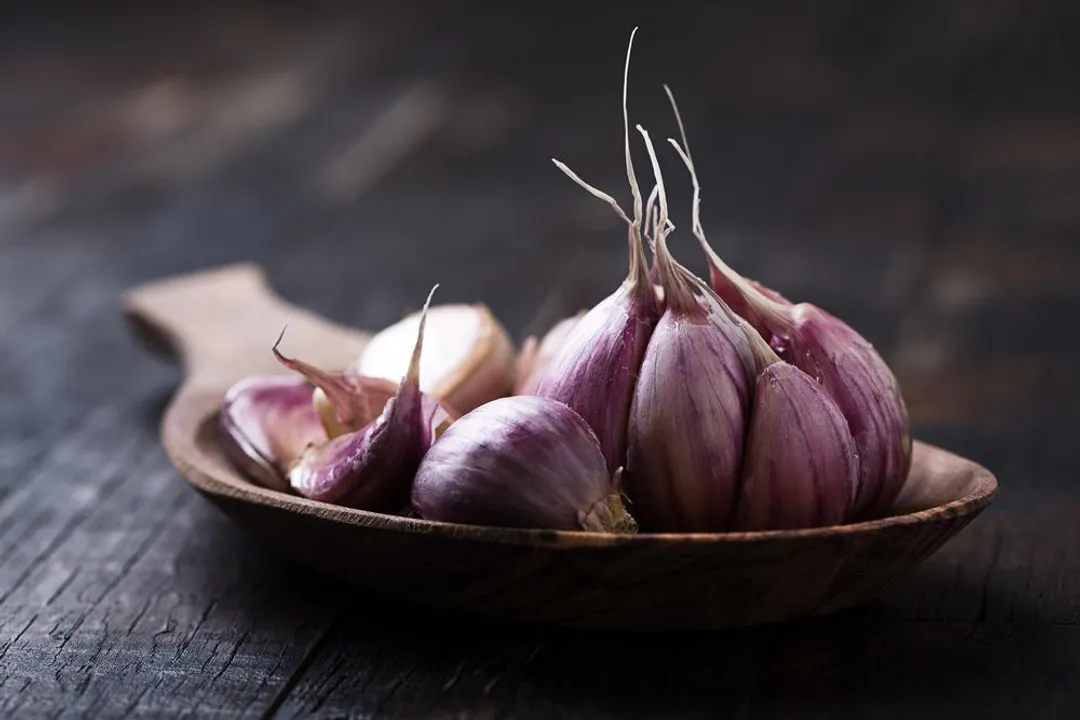
| Garlic & Onion | Sulfur compounds, anti-inflammatory | Flavor base for almost everything |
| Herbs (Basil, Oregano) | Micronutrients, flavor without salt | Fresh garnishes, infused oils |
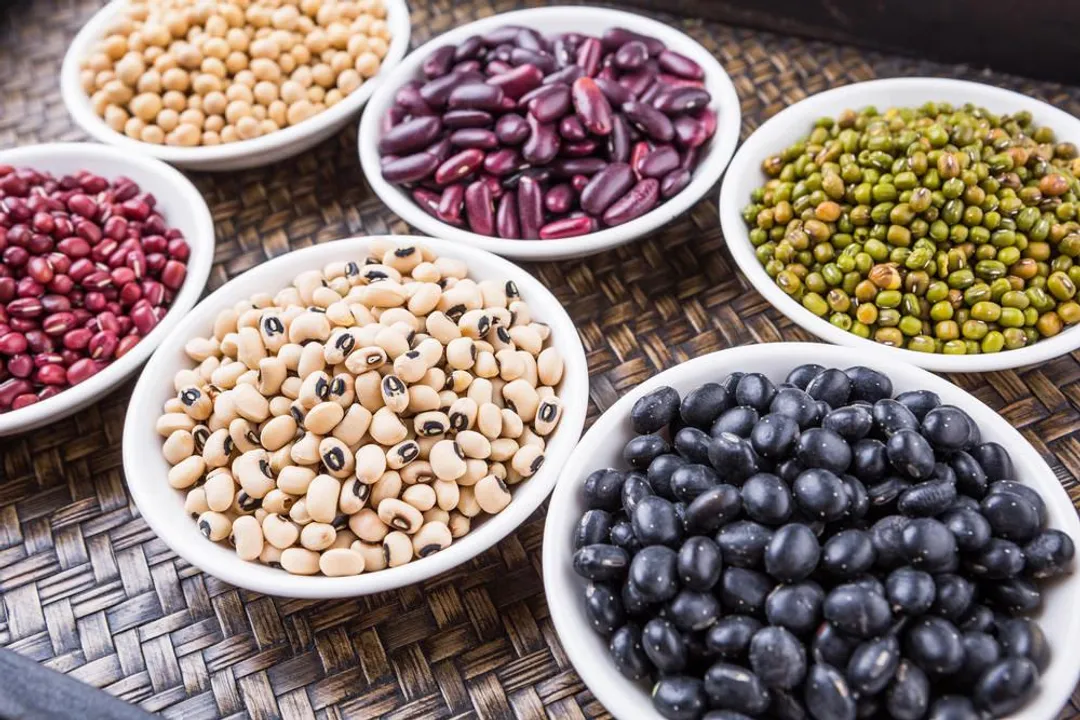
| Legumes (Beans, Lentils) | Fiber, plant protein | Soups, simple side dishes |
| Fish (Seafood) | Omega-3 fatty acids (coastal areas) | Secondo piatto |
| [7] |
The power of these simple building blocks, rather than complex processed additives, is what confers the long-term health reputation. [9] The food is inherently designed to be flavorful using nature's chemistry—garlic, herbs, quality salt—rather than heavy fats or sugars. [4]
A second, less obvious benefit stems from the concept of "flavor layering" inherent in Italian cooking. Unlike cuisines that rely on a single, heavy spice blend or sauce, Italian cooking often builds flavor sequentially: aromatics (soffritto) first, then tomato base, then herbs added at different stages. This technique maximizes the bioavailability of different nutrients from different ingredients—for instance, cooking tomatoes with a bit of olive oil significantly increases the body's absorption of lycopene. [7] This step-by-step process ensures that even moderate amounts of ingredients deliver maximum nutritional impact.
# Americanization vs. Authenticity
The core issue, perhaps, lies in the dilution and distortion of recipes as they travel internationally. [1] What is served in many foreign restaurants often bears only a passing resemblance to the food prepared in an Italian home or trattoria. [8] The Americanized version frequently supersizes portions, substitutes high-quality, fresh ingredients for cheaper, shelf-stable alternatives, and increases the fat and refined starch content substantially. [1] For instance, a dish that should feature a light tomato sauce might instead be drowned in a sugar-sweetened, thickened commercial sauce.
When people ask if Italian food is healthy, they are usually assessing the restaurant experience, which prioritizes richness and immediate satisfaction over the measured, ingredient-focused approach of the Mediterranean tradition. [8] If one orders dishes that are inherently richer—such as dishes featuring lots of cured meats, heavy cream, or large quantities of cheese like in dishes from Lombardy or Piedmont—the meal will naturally be higher in calories and fat compared to a lighter meal from Tuscany or Sicily. [1] Therefore, the answer pivots entirely on the specific choices made within the vast culinary spectrum that Italy offers. [8]
Ultimately, when prepared according to traditional, health-conscious Mediterranean principles—emphasizing vegetables, using olive oil judiciously, controlling pasta portions, and valuing simple preparation—real Italian food is undeniably a healthy and satisfying way to eat. [3][4] It embodies the philosophy that food should be delicious, seasonal, and eaten with enjoyment, which itself is a component of overall well-being. [6] The health benefits are not accidental; they are baked into the very selection and combination of ingredients that have sustained the population for centuries. [7][9]
Related Questions
#Citations
Serious question about the healthiness of Italian food and ... - Reddit
How Italians Eat So Many Carbs: Healthy Secrets of the Italian Diet
Health Benefits of Eating Italian Food - Legno Chicago
5 Reasons Eating Italian Food is Good for Your Health
Why is Italian food considered healthy when it mostly is made using ...
Healthy Italian Eating: Balancing Indulgence with Well-Being
Health Benefits of 10 Essential Italian Ingredients - Cucina Toscana
Is Italian Food Healthy? - Bricco Ristorante & Enoteca
The Health Benefits of Classic Italian Food