What are popular Italian foods?
The allure of Italian food globally is immense, yet the reality of what is popular in Italy often surprises those accustomed to its Americanized counterparts. Italian cuisine is characterized by its deep connection to place, meaning that the food changes drastically across the country's twenty geographical regions, creating a culinary mosaic that remains interconnected yet distinct between the North, the Center, and the South. The foundation of this celebrated gastronomy is the Mediterranean diet, relying heavily on fresh ingredients like olive oil, fish, fruits, and vegetables, alongside staples like cheese, cold cuts, and wine. While many dishes have proliferated globally, the most popular recipes often originated with ordinary people rather than professional chefs, designed for home cooking while respecting local specificities.
# Cuisine Divide
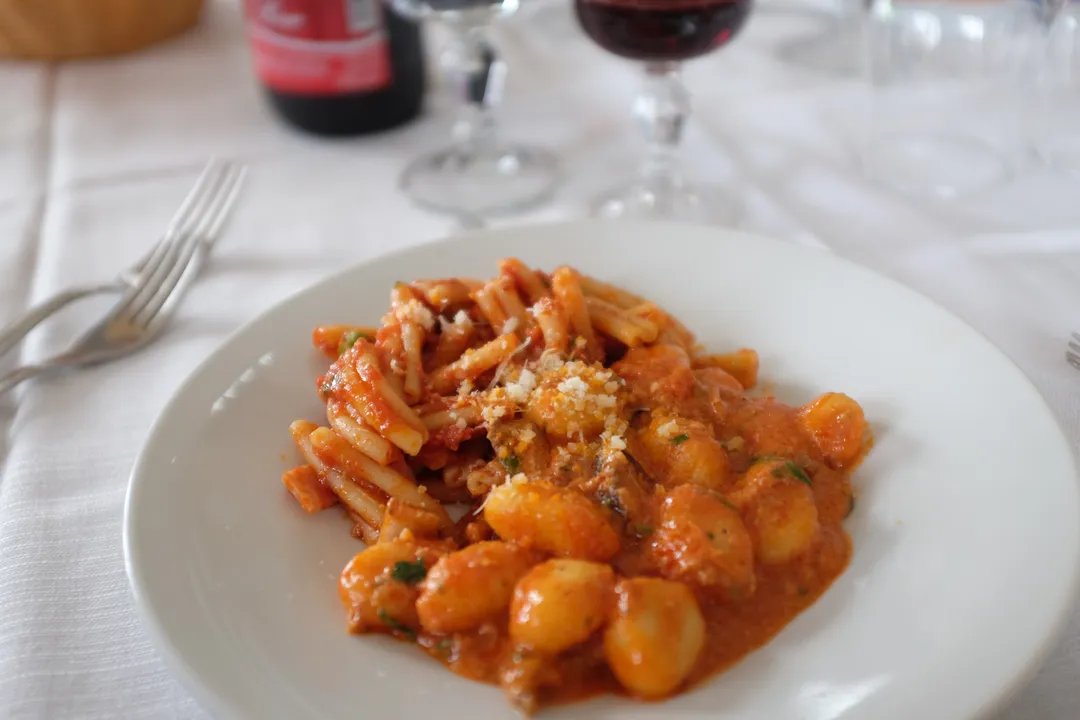
A significant point of discussion when discussing popular Italian food is distinguishing between what is enjoyed authentically in Italy and what has become popular through Italian immigration, particularly in America. Dishes like Spaghetti and Meatballs, for example, simply do not exist as a unified concept in traditional Italian cooking; in Italy, pasta and its sauce are rarely served separately in that manner. Similarly, dishes featuring heavy cream, such as the American staple Fettuccine Alfredo, trace their roots back to a simpler Pasta al Burro (pasta with butter).
Other dishes that reflect this American influence include Chicken/Veal Parmigiana (Eggplant Parmigiana exists in Sicily, but the chicken version is an American addition), Baked Ziti, and Penne alla Vodka. Even common elements like Garlic Bread are virtually absent from true Italian dining tables. Furthermore, a simple rule of thumb often cited by Italians is that one never puts cheese on seafood. Understanding this difference is key to appreciating the authentic culinary landscape. In the US, dishes like Macaroni and Cheese, Lasagna, and Spaghetti with Meatballs dominate popularity rankings, suggesting that for many Americans, "Italian food" means hearty, complex, and often carb-heavy comfort meals.
# Pasta Varieties
Pasta is undeniably central to Italian food culture, but its preparation and pairing are far from monolithic. Regionally, pasta shapes are often chosen for their functional ability to hold a specific sauce. For instance, Orecchiette con cime di rapa from Puglia—where "orecchiette" means "little ears"—are uniquely shaped to cup the sauce made from broccoli rabe, anchovies, and garlic. Conversely, very thin pasta like Capellini (Angel Hair) is considered too delicate to properly coat with a heavy sauce and is usually reserved for light broths, like Minestrina.
# Roman Classics
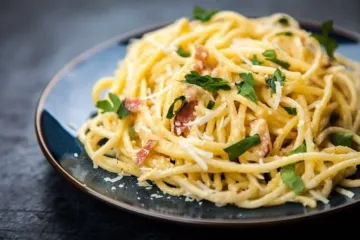
Rome, the capital in the Lazio region, offers deceptively simple pasta dishes that rely entirely on the quality of their few ingredients. Spaghetti alla Carbonara is a prime example, made only with egg, cured pork cheek (guanciale or pancetta), black pepper, hard cheese (Pecorino Romano), and olive oil. The creamy texture comes from emulsifying the egg and cheese with starchy pasta water, not from actual cream. Another Roman pillar is Cacio e Pepe, meaning "cheese and pepper," which uses Pecorino Romano and pepper tossed with thick pasta like bucatini or tonnarelli and hot pasta water until a smooth sauce forms.
# Northern Specialties
In Bologna, the focus shifts to rich, slow-cooked meat sauces. The famous Ragù alla Bolognese must be served with a wide, flat pasta like Tagliatelle, not spaghetti, which locals firmly insist upon. This sauce traditionally simmers for hours, often including milk to balance the acidity of the tomatoes and wine. For holidays or colder days, the Bolognese specialty Tortellini in Brodo—tiny, meat-and-cheese-filled dumplings served in a clear, savory broth—is a labor of love. This regional dedication to matching sauce thickness and flavor profile to pasta shape is a hallmark of authentic Italian dining; the resourcefulness seen in cucina povera traditions also shines through in dishes that maximize flavor from minimal, local components.
# Beyond Pasta
While pasta dominates the perception of Italian food, the culinary landscape features vital rice dishes, hearty soups, and robust main courses (secondi) that showcase strong regional identities.
# Rice Dishes
Rice is most prominent in Northern Italy, particularly in regions like Lombardy and Veneto where rice cultivation is significant. Risotto is the signature preparation, cooked slowly until creamy by absorbing broth, butter, and cheese. The most famous iteration is Risotto allo Zafferano (or Risotto alla Milanese), which gets its distinct yellow hue from saffron threads. This dish's creation is legendarily attributed to a glassmaker who used saffron to color stained glass and then sprinkled it into wedding rice. This reliance on specific local staples—rice in the North—contrasts sharply with the coastal reliance on seafood in the South, such as in Naples, where Spaghetti alle Vongole is king.
# Main Courses
Mains often feature high-quality local meats prepared with simple, enhancing seasonings.
- Tuscan Pride: Bistecca alla Fiorentina is perhaps the region’s most famous meat dish. This is a very large, thick-cut T-bone steak, traditionally from the local Chianina cattle, cooked very simply over hot coals. The expectation is a beautifully crusted exterior and a rare, red interior; ordering it well-done is considered an affront to this regional pride.
- Milanese Tradition: Osso Buco, a Milanese classic, features veal shanks slow-braised in wine, frequently served alongside the saffron risotto.
- Rustic Stews: Tuscany also offers Cinghiale in Umido, a rustic, slow-cooked wild boar stew that speaks to the area’s ancient hunting and foraging culture.
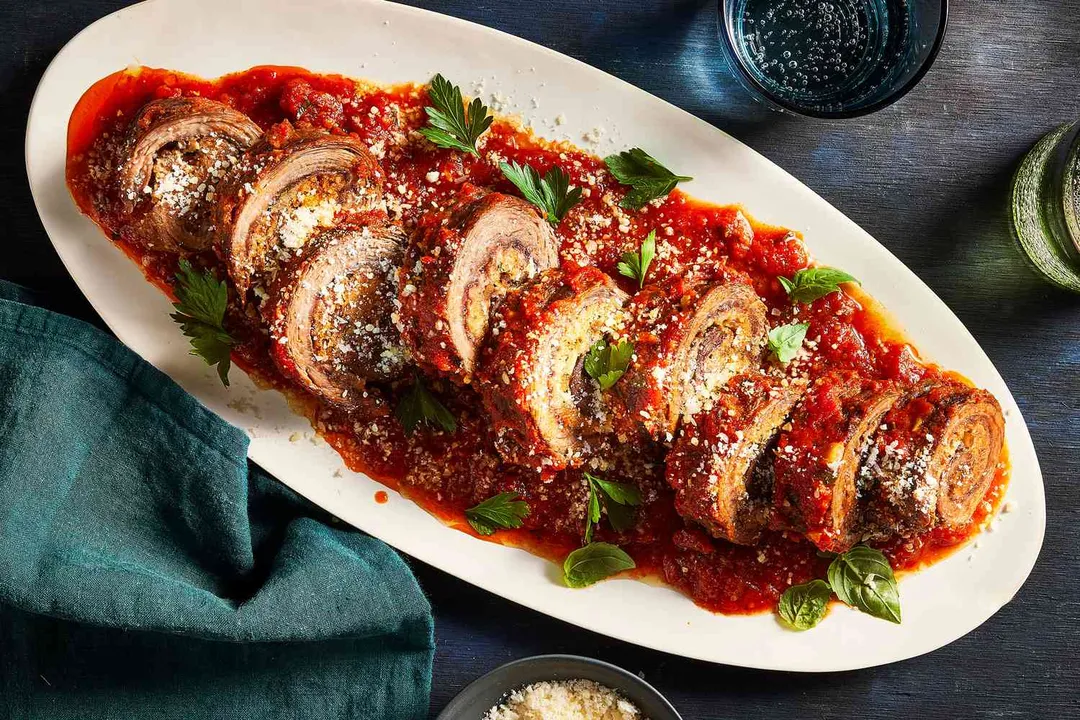
- Rolled Meats: Braciole involves rolled and stuffed flank steak, baked in tomato sauce, often appearing at family gatherings. Porchetta, a savory showstopper, involves rolling pork shoulder around herbs like fennel and garlic before roasting.
# Starters Found
The meal structure in Italy traditionally begins with an antipasto (starter) before moving to the primo (pasta/rice).
- Toasted Bread: Bruschetta is an ancient staple, consisting of toasted bread rubbed with garlic, drizzled with good olive oil, and topped with ingredients like fresh tomatoes and basil.
- Simple Salad: Insalata Caprese, originating from Capri, perfectly embodies the Italian flag's colors with sliced tomatoes, fresh mozzarella (fior di latte), and basil, often finished with olive oil.
- Fried Morsels: In Sicily, Arancini—deep-fried rice balls—are iconic street food, typically filled with ragù, mozzarella, or ham and cheese. A fascinating example of cucina povera (resourcefulness cooking) is Polpette di Pane (bread meatballs), where stale bread replaces meat in the filling, demonstrating ingenious use of ingredients.
- Raw Delicacy: The Piedmont region is credited with Carpaccio, thinly sliced raw beef served with lemon dressing and Parmesan.
# Naples Pizza
Pizza remains paramount, but its true significance lies in its regional style, with Naples recognized as the birthplace of the modern pizza. The Pizza Margherita, invented in 1889 in honor of Queen Margherita of Savoy, utilizes tomato (red), mozzarella (white), and basil (green) to mirror the Italian flag. Authentic Neapolitan pizza is characterized by its simple dough, cooked very quickly in a blisteringly hot stone oven, resulting in a thin center and a bubbly crust. This style contrasts with Pizza Romana or the thick, spongy, rectangular Pizza Siciliana (sfincione), which might feature toppings like onions and breadcrumbs instead of heavy cheese. The idea of "Pepperoni Pizza" as known in America is misleading, as peperoni in Italy refers to small, yellowish-green peppers, not the cured salami topping.
# Sweet Endings
The appreciation for simple, high-quality ingredients extends to the final course, with desserts often showcasing local nuts like pistachios and almonds, alongside sweet cheeses.
- The Creamy Icon: Gelato is a daily indulgence for many visitors. Unlike standard ice cream, authentic Italian gelato is made with less cream and less air (churned slower), resulting in a denser, smoother mouthfeel. The best gelaterias often serve their product from covered, opaque containers, as brightly colored, puffy, tall displays usually indicate artificial thickeners.
- Sicilian Specialty: No discussion of Sicilian sweets is complete without Cannoli Siciliani, which feature a crispy, fried shell filled with sweetened sheep's milk ricotta, often dipped in crushed pistachios or chocolate.
- Coffee Cream: Tiramisù, originating from the Treviso region, elegantly balances coffee-soaked biscuits with creamy Mascarpone cheese.
- Northern Comfort: Panna Cotta ("cooked cream") is a delicate, chilled dessert from Northern Italy, set with gelatin and often served with a fruit or caramel sauce.
# Drinks Digest
Italian culinary enjoyment is paired with distinct beverages. Italy is the world’s largest wine producer and possesses the widest variety of indigenous grapevine species globally. For many travelers, abstaining from wine beforehand due to headaches disappears while drinking European vintages, though the exact cause remains debated.
Coffee culture is equally important, anchored by the Espresso, which derives its name from the act of expressing the coffee under pressure. A popular post-meal treat is the Affogato, which combines a scoop of vanilla gelato drowned in a shot of hot espresso. Finally, the vibrant yellow Limoncello, made from the large Sorrento lemons, is served chilled as a digestivo (after-dinner aid).
When seeking out these famous foods, the best advice seems to be to walk at least a street or two away from major tourist attractions. Menus featuring pictures outside are often a warning sign of a tourist trap, whereas consulting locals or seeking out established, family-run spots—like those serving Tagliatelle alla Bolognese since the 1950s or Risotto alla Milanese since 1921—offers a better chance at experiencing the true, regional essence of Italy.
Related Questions
#Citations
Must-Try Food Italy is Famous For - Guided by Destiny
22+ Famous Traditional Italian Food Dishes - Salinda Resort
35 Irresistible Italian Main Dishes - Food & Wine
Which dishes best represent the cuisine of Italy? : r/askitaly - Reddit
6 Authentic Italian Dishes Everyone Should Try - Creative Edge Travel
List of Italian foods and drinks - Wikipedia
The most popular italian dishes in America | Consumer - YouGov
12 Popular Dishes That You Think Are Italian But Are Not
15 Best Italian Dishes to Try in Italy | EF Go Ahead Tours
Italian Food: 10 Famous Dishes of Italian Cuisine