What is the most popular street food?

The world of street food is not a single destination but a sprawling, noisy, and gloriously fragrant global metropolis. Asking what the most popular street food is is akin to asking which city has the best weather—the answer changes depending on who you ask and where they stand. What is undeniable, however, is the sheer scale of this culinary phenomenon: a staggering 2.5 billion people rely on street food every single day for their meals. This immense daily consumption across nearly every culture on Earth proves its essential nature, far exceeding mere novelty.
The quest to name a single winner immediately runs into issues of definition and methodology. Is popularity measured by sheer volume eaten, by the highest user rating on a specific list, or by how frequently a dish is recognized by international travelers? By analyzing the current landscape of street food recognition, we see clear contenders emerging from distinct categories: the highly-rated regional specialist, the globally recognized staple, and the dish whose portability makes it an urban necessity.
# Rated Contenders
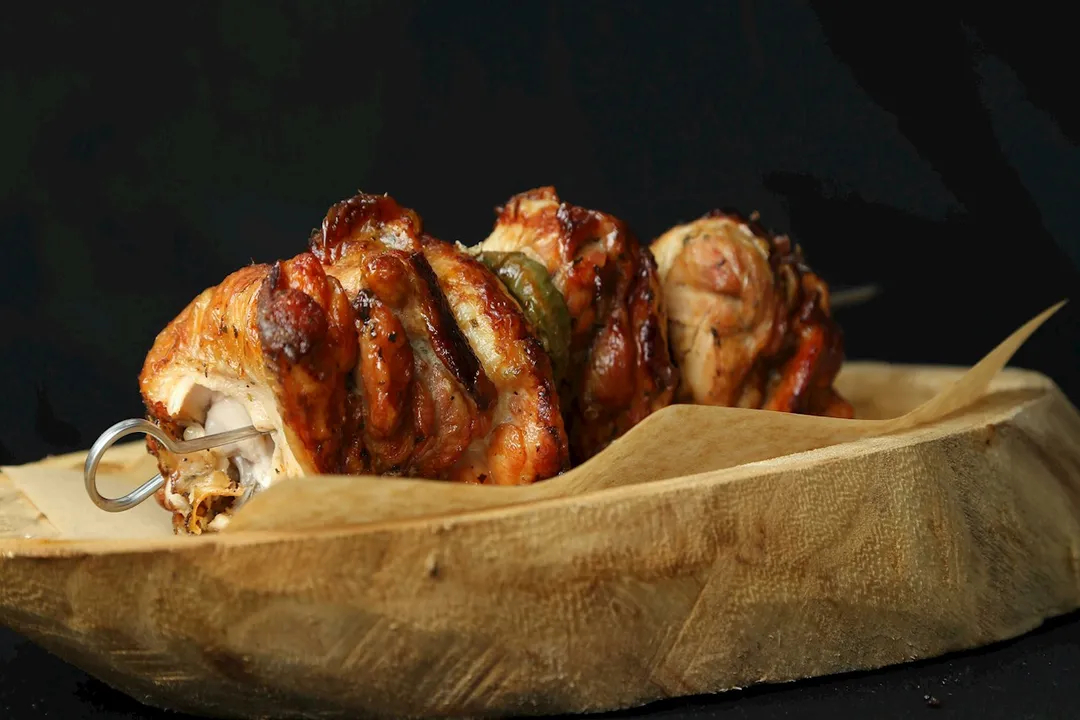
When metrics are applied, such as audience ratings collated by platforms like TasteAtlas, a specific dish can sometimes rise to the top, though it might not be the one most commonly cited by travelers in casual conversation. As of recent tallies, the top-rated street food on one comprehensive list is Karantika from Oran Province in Algeria, which shares acclaim with Morocco where it is called calienté. This dish, a simple, baked chickpea flour creation that is creamy inside with a slightly crisp crust, is served cut into squares, often tucked into bread. It represents the zenith of local adoration, winning based on focused, measurable feedback.
However, this highly-rated dish sits alongside globally familiar champions. When you look at lists compiled by travelers who have actively sought out these foods worldwide, the popularity often coalesces around items that have successfully crossed multiple borders. Tacos from Mexico, for instance, are universally acknowledged as a top-tier contender, adaptable with countless fillings and served on corn or wheat tortillas. Similarly, Falafel, originating in the Middle East (where the fava bean version, taameya, is often cited as the original), is ubiquitous, being great on its own or stuffed into pita bread with sauces like tahini.
The concept of "the best" in street food is inherently subjective, a mix of the objective culinary rating and the personal memory attached to the place it was eaten. Many travelers find that the environment—the specific vendor, the atmosphere of the market—is what elevates the dish beyond its ingredients.
# Portability Test
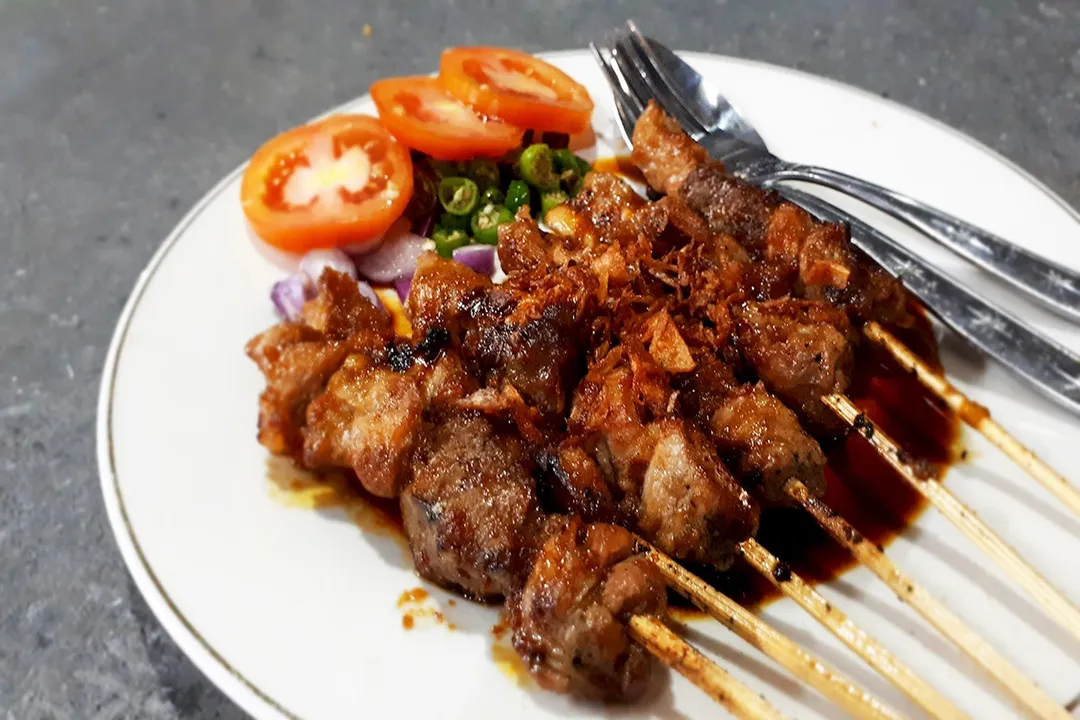
The very definition of street food often suggests an item that can be consumed while on the move, a crucial factor in its practical popularity in bustling city centers. The term is often used as shorthand for fast food that requires minimal seating or utensils. When we impose this requirement of high portability, some seemingly popular dishes falter. For example, while the Tagine of North Africa is a celebrated, slow-cooked stew, it requires a bowl and time, making its appearance on a street food list questionable to some observers. Similarly, dishes like Singapore’s Chili Crab are magnificent but require sitting down to tackle shells and gravy, relegating them to hawker centers rather than curbside consumption.
The true measure of widespread popularity might be found in those items that are perfectly engineered for immediate, handheld consumption. Consider the global variations on stuffed dough:
- Empanadas of South America and Spain, savory pastries that are baked or fried, are ideal for walking.
- Samosas from India are triangular pockets of spicy filling, deep-fried and perfect finger food.
- Churros from Spain, fried dough strips, are designed for dipping into hot chocolate while standing in line.
- The German Currywurst, a sliced pork sausage drenched in curry ketchup, is simple, unpretentious, and made for eating quickly, often while standing near the stall where it was invented.
This highlights a distinction: a food might be a country's most beloved national dish, but only those that are easily eaten while navigating busy streets achieve top-tier global street food popularity. A simple Hot Dog in a bun, a quintessential, if sometimes overlooked, American street food staple, epitomizes this ideal of grab-and-go efficiency.
# Dough and Skewers Dynasty
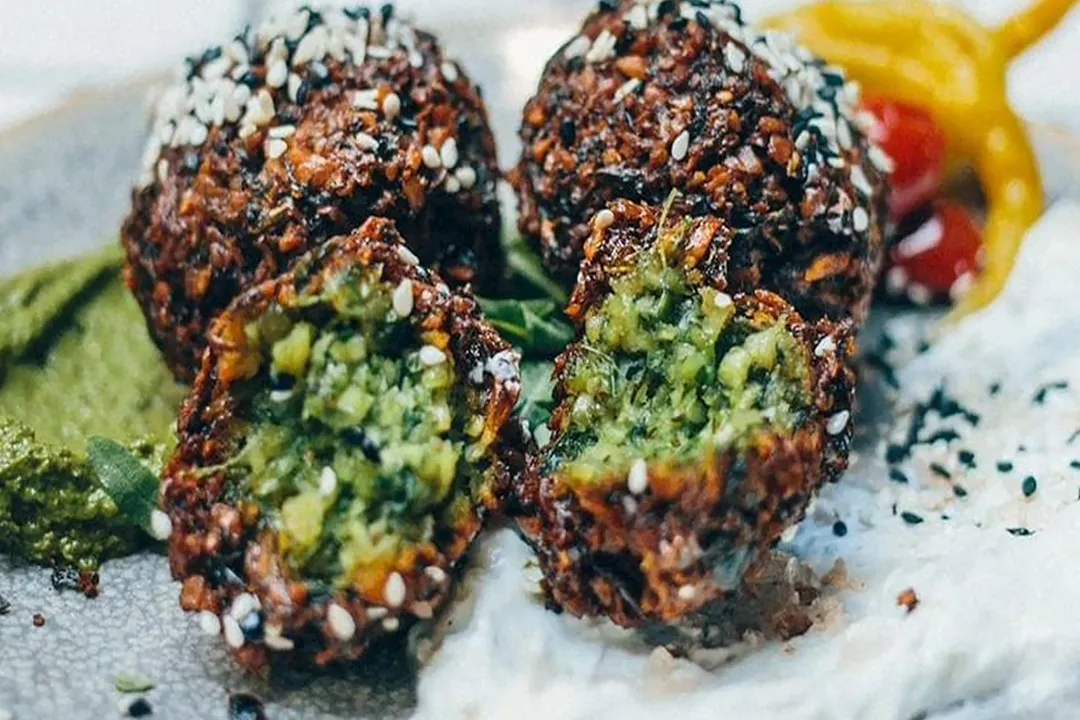
Beyond the portable pastry, the category that demonstrates the most global reach is arguably the dumpling or its regional meat-on-a-stick equivalent. The popularity here is not about one single dish, but about a universally appealing format: savory filling encased in carbohydrate or meat threaded onto wood.
In Asia, dumplings dominate. China offers Jiaozi (steamed or fried) and the pan-fried Guotie (potstickers). Nepal has its famous Momos, which can be steamed or fried and are a perfect recovery meal after a mountain trek. In Southeast Asia, the concept morphs: Vietnam offers Bánh mì, a baguette sandwich fusion that perfectly blends savory meat with pickled vegetables, while Indonesia has Bakso (meatball soup) and various fritters called gorengan.
The concept of meat on a stick is equally successful in different forms:
- Anticuchos de corazon (beef heart skewers) are a Peruvian classic, often served with potatoes.
- Sate Kambing (goat/mutton satay) from Indonesia is marinated and grilled, typically served with peanut sauce.
- The Gyro from Greece, meat cooked on a vertical rotisserie, is served wrapped in pita bread with fresh toppings like tomato and onion.
It’s fascinating to observe how different cultures adapt core concepts. The Döner Kebab in Turkey and Germany is structurally similar to the Greek Gyro, highlighting a shared evolution of spit-roasted meat served in bread. This commonality across continents, even if they are geographically distinct dishes, speaks volumes about their inherent appeal as satisfying, relatively quick meals.
# Cultural Gateways
The true insight into street food popularity lies in understanding the two tiers of success. First, there is the local hero—the dish that garners the highest ratings from a dedicated audience who know its authentic preparation, like Karantika or the Bolivian Salteñas. Second, there is the international ambassador—the food that has become synonymous with its country for the global traveler, often regardless of its technical rating or exact portability.
This second tier is where dishes like Thai Pad Thai or Peruvian Ceviche reside. Pad Thai, a stir-fried noodle dish, is said to have been promoted in the mid-20th century to strengthen Thai national identity, thus giving it an embedded cultural significance that aids its global popularity. Peruvian Ceviche, protected by UNESCO, is a vibrant, lime-cured fish salad that represents the country’s agricultural bounty and is served with unique accompaniments like popcorn.
For a traveler seeking local interaction, the street food quest itself is the payoff, often leading them off the main tourist track to find these authentic, simple meals. In many places, you are eating food that has been perfected over generations in a tiny space, a testament to culinary discipline despite limited resources. Watching the master quickly turning Takoyaki (octopus balls) on a special griddle in Japan, or observing the technique required for flaky Borek in Turkey, provides a direct, unmediated lesson in local culinary magic.
When assessing popularity, one must also acknowledge the intense local pride that leads to debate. Online discussions frequently show passionate arguments over what truly represents a nation's street food versus its general cuisine. For instance, many argue that Polish Zapiekanka (an open-faced, toasted sandwich) is a far better representation of street food than Pierogi, which is usually a sit-down meal. This constant, passionate dialogue confirms that street food isn't just about what is eaten most often; it is about what people feel represents their culture most genuinely on the street corner.
Ultimately, declaring a single "most popular" dish overlooks the vibrancy of the global street food scene. If popularity is defined by high ratings among food connoisseurs, the answer might be Karantika. If it is defined by sheer ease of access and portability across countless urban settings, the answer is likely the Taco, the Hot Dog, or the Samosa. The real common thread is the connection: street food acts as an immediate gateway to culture, forging an authentic link between the traveler and the everyday life of a place, one delicious, inexpensive bite at a time.
Related Questions
#Citations
Top 100 Street Food in the World - TasteAtlas
A cool guide of 55 beloved street foods from around the world - Reddit
50 Best Street Foods Around the World - Uncornered Market
Novotel - 10 of the Best Street Food Dishes From Around the World
List of street foods - Wikipedia