What is the most eaten street food in the world?
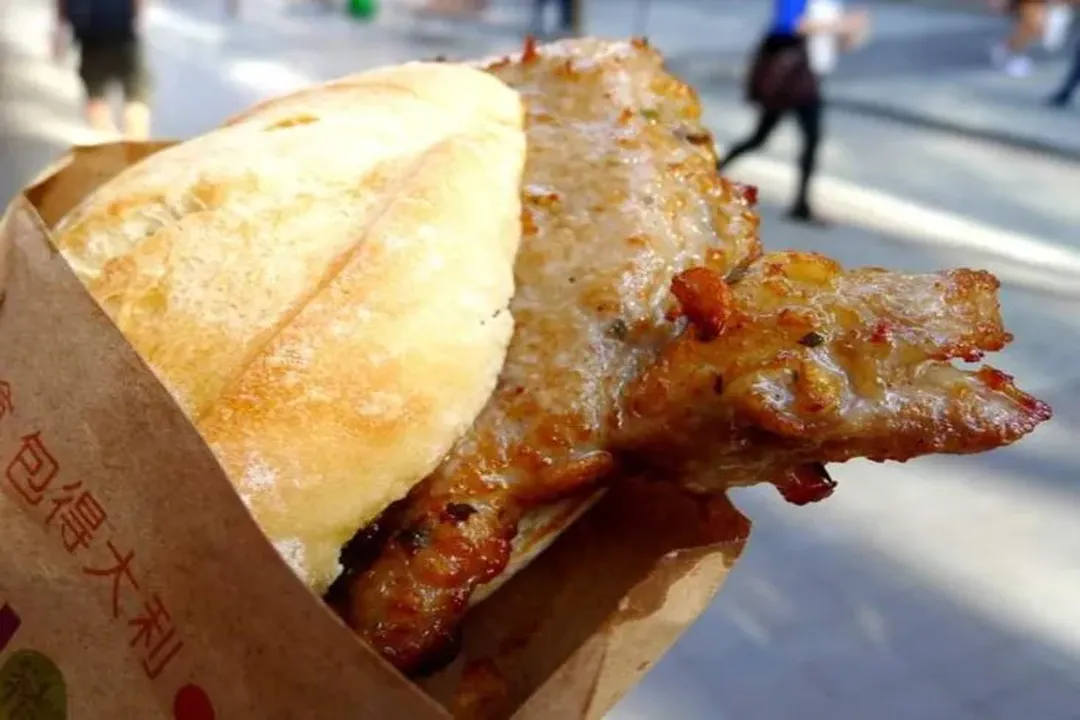
The quest to definitively name the single most eaten street food on the planet is a fascinating, yet ultimately impossible, undertaking. Every corner of the globe, from bustling night markets to quiet roadside stalls, offers ready-to-eat meals that are cheaper and faster than traditional restaurant fare. Because consumption volume data is rarely centralized, we must rely on indicators of fame, critical acclaim, and sheer ubiquity to narrow down the chief contenders for this title. While one specific dish might dominate sales in a single metropolis, another might boast a presence across continents, making the definition of "most eaten" dependent on how wide one casts the net.
# Top Rated
When turning to audience ratings as a proxy for widespread appeal, the results reveal a rich global diversity, often highlighting deeply traditional specialties. According to the latest user-generated rankings, the reigning champion is Karantika, an Algerian and Moroccan street food traditionally made from a chickpea flour batter baked until creamy inside, often served tucked into bread. This high-ranking item is a testament to the power of simple, comforting, oven-baked goods.
However, Karantika sits atop a very competitive field where many top contenders share the same high rating of 4.5/5.0. These include Kontosouvli from Greece—large, marinated, rotisserie-cooked pork skewers—and Sate kambing from Indonesia, which features goat or mutton marinated in sweet soy sauce and grilled. Egypt’s Taameya, the fava bean version of falafel, also scores highly, known for its fluffier texture compared to chickpea-based counterparts. The top tier also recognizes international favorites such as China’s pan-fried Guotie (potstickers) and Mexico’s relatively new fusion sensation, Quesabirria (birria tacos dipped in consomé).
# Global Staples

If we shift focus from specialized, top-rated dishes to those foods recognized almost everywhere a street vendor operates, the list narrows to the familiar building blocks of global convenience food. Items like the Hamburger, Doughnut, Pizza slices, and Ice cream are cited as widespread street foods, sometimes serving as the backbone of urban snacking culture across Europe, North America, and beyond.
The Hot Dog is arguably the most frequently cited contender for sheer global recognition and ubiquity, often mentioned in discussions about iconic American street food found worldwide. Similarly, the Doner Kebab—meat cooked on a vertical rotisserie and served in flatbread with salad—is a staple recognized across Turkey and Europe, particularly Germany. Falafel also belongs in this group, deep-fried chickpea (or fava bean) fritters served in a wrap that have spread far beyond the Middle East.
The very nature of these ubiquitous staples—a filling meat/protein served on simple bread or wrapped in dough—makes them inherently suited for high-volume sales and easy consumption while moving, which is the defining characteristic of street food. A traditional, complex dish like a Moroccan Tajine, which is a slow-cooked stew in a clay pot, is rarely consumed while walking, leading to debates over whether some highly respected national dishes truly qualify as street food.

# City Victors
Examining the cities that have earned reputations as the world’s street food capitals offers another perspective on what might be eaten the most, as density of vendors suggests higher consumption rates. One expert survey placed Mexico City, Mexico, as the second-best city globally, proclaiming Tacos as the "king," specifically citing Tacos al pastor served on every corner. The constant presence of thousands of taco stands suggests a volume of consumption that few other single items can match in that region.
Vietnam appears twice in the top cities, with Da Lat taking the top spot overall, famed for its Bánh tráng nướng (Vietnamese pizza), while Osaka, Japan, ranks highly for its mastery of snacks like Takoyaki (octopus balls). In the US context, New York is noted for its diversity, yet the recommendation centers on lamb over rice from halal carts and "dirty-water dogs"—a clear nod to the enduring popularity of the hot dog format.
The sheer cultural weight placed on certain items within these cities provides a strong argument for their volume. For instance, in a city like Mexico City, the ability to procure a complete, satisfying meal like tacos or tortas for a very low price drives consumption figures far higher than an item that might score better in taste ratings but is less accessible day-to-day.
# Popularity Metrics
The discrepancy between the "best-rated" (like Karantika at #1) and the "most famous" (like Tacos or Hot Dogs) illuminates an interesting dynamic in street food popularity. Highly rated foods often represent specialized, artisanal preparations that travelers actively seek out, such as the complex preparation of Indonesian Sate kambing or the unique texture of Algerian Karantika. These dishes achieve high scores because they offer a distinct, memorable culinary experience.
Conversely, the foods most often mentioned in general guides and debates—the hot dogs, kebabs, and tacos—are successful due to process standardization and ease of adaptation. A taco is structurally simple: a piece of meat, some toppings, on a tortilla. This structure allows it to integrate nearly any local protein or flavoring while maintaining its essential street-food portability. If you look closely at the success of these high-volume items, their defining feature isn't necessarily a unique ingredient, but rather the vessel itself—be it the convenient bun, the easily folded tortilla, or the wrap. This structural adaptability is key to global scaling that niche items often lack.
While Karantika may capture the highest score in a specific rating system that values traditional flavor profiles, the true "most eaten" food globally is likely one that has successfully transitioned from being a regional specialty to a versatile, transportable template. The ubiquity of the taco in the Americas, the kebab in Europe and the Middle East, and the hot dog across many Westernized urban centers suggests that adaptable simplicity often outpaces niche excellence in the race for raw consumption figures. Therefore, while no single food claims the crown uncontested, the taco—championed by the street food hub of Mexico City—presents the strongest overall case based on cultural dominance, structural adaptability, and widespread praise across various metrics.
#Videos
The Street Foods That Define Every Country - YouTube
Related Questions
#Citations
Top 100 Street Food in the World - TasteAtlas
A cool guide of 55 beloved street foods from around the world - Reddit
10 Best Street Food Cities In The World
The Street Foods That Define Every Country - YouTube
List of street foods - Wikipedia