What are some American street food?
The landscape of American street food is less a single, unified cuisine and more a sprawling, vibrant collision of immigrant traditions, regional specialties, and pure convenience, all served up hot off a cart or out of a truck. While the concept of ready-to-eat food sold publicly is universal, the U.S. scene has evolved into a reflection of its diverse populace. If you are looking for the "most American" street food, some suggest it is the hot dog, tied closely to imagery of backyard barbecues and ballpark traditions. However, the reality is far more complex, offering everything from dense, meat-stuffed sandwiches to sweet, fried dough creations enjoyed on the move.
# Icons Essential
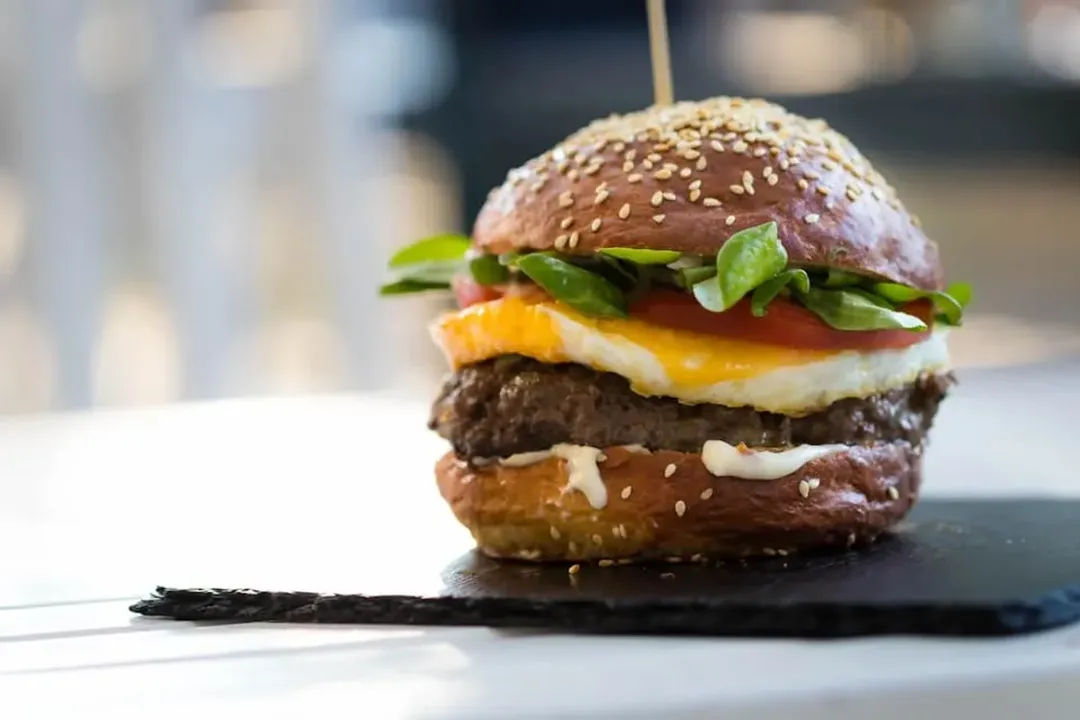
When assessing what defines American street food, a handful of titans consistently appear at the top of any list, often overshadowing other great regional finds. The Hamburger is frequently cited as the ultimate example, considered by many to be the official symbol of American cuisine, even if its origins are globally rooted. Its ubiquity in the U.S. is undeniable, with countless chefs putting their signature spin on the classic ground beef patty on a bun. One particular icon traces its lineage to established places like Louis’ Lunch in New Haven, Connecticut.
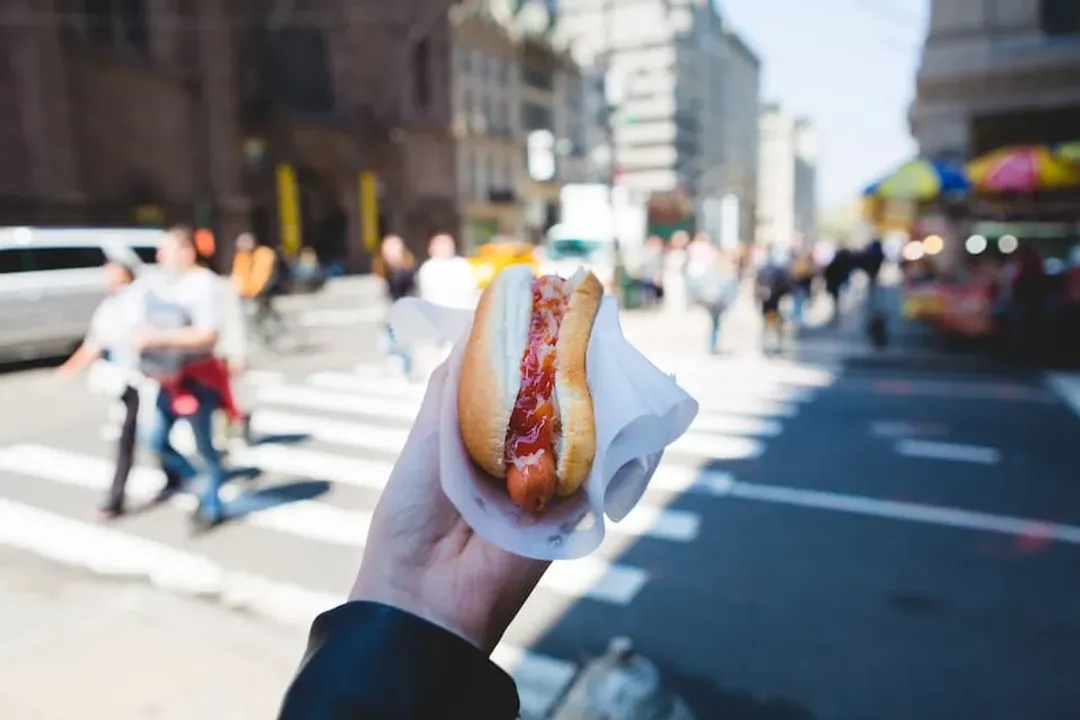
Equally foundational is the Hot Dog, which appears in more specific, localized variations than almost any other single item. The classic preparation might involve simple mustard and ketchup, but the street cart scene encourages endless customization. For instance, Boston is known for steaming its sausages, while Seattle vendors might pile on cream cheese and grilled onions. A staunch refusal to accept ketchup on a fully dressed dog is the hallmark of the Chicago-style Hot Dog, loaded instead with mustard, onions, relish, and a dill pickle spear. On a far heartier note, the Polish Boy from Cleveland, Ohio, elevates the sausage experience by adding French fries, coleslaw, and barbecue sauce to the bun—a clear example of local culinary ambition.
Pizza, while Italian in origin, has become thoroughly Americanized in its street form, primarily seen in large, foldable slices designed for easy portability. New York-style Pizza fits this perfectly, characterized by its thin crust and topping versatility. Beyond these ubiquitous items, the humble Soft Pretzel holds a special place, often served warm and salted, functioning as a quick breakfast or a substantial snack, with New York City often claiming the best versions available.
# Border Flavors

The proximity and deep cultural ties to Mexico have cemented Tex-Mex and broader Latin American flavors as intrinsic to the American street food narrative. Tacos are a nationwide staple found everywhere from dedicated trucks to fair stands, with flavors ranging from grilled shrimp to carnitas. For those seeking authenticity, cities near the Mexican border, like San Diego, are often heralded as having some of the country’s best examples.
The Burrito, a wheat flour tortilla wrapped around substantial fillings, is another powerhouse often found at food trucks, allowing for high degrees of customer customization regarding rice, salsa, beans, and sour cream. A specialized, high-octane version rooted in Californian street food is the California Burrito, alongside the Carne Asada Fries—a San Diego signature showing how street food evolves by combination. Further south and east, the Tamale, traditionally steamed in corn husks with masa dough and savory fillings, remains a popular market choice.
The Southwestern identity is further expressed through dishes like Frito Pie, a handheld meal of corn chips topped with chili and cheese, often credited to the Frito brand's influence in Texas around the mid-1940s. Even deep-fried turnovers like the Chimichanga, essentially a fried burrito, are noted as specific to the Southwestern U.S. culinary sphere. The deep-seated Mexican influence is so profound that a Breakfast Burrito, invented in Santa Fe, New Mexico, featuring scrambled eggs and cheese wrapped in a tortilla, is cemented on many national lists.
It is fascinating to observe how core American street foods often serve as blank canvases for these regional tastes. Take the Hot Dog variations again—the Chicago style is a complete departure from the classic, while the Polish Boy is an entirely different sandwich structure built upon the same sausage foundation. This adaptability, allowing immigrant flavors to graft onto established American forms, is a key engine for street food innovation.
# Regional Deep Dives
While the major metropolitan areas boast variety, the true soul of American street food often resides in powerful regional specialties that capture a specific geography in a single bite.
# East Coast Seafood
The northeastern coast, particularly around New England, champions seafood. Fried Clams are immensely popular here, with Ipswich, Massachusetts, often cited as their birthplace. These deep-fried mollusks are sometimes served simply on a plate with tartar sauce, or surprisingly, stuffed into hot dog buns for a portable coastal treat. In contrast, a dish that offers coastal comfort in a portable vessel is Clam Chowder served in a Bread Bowl, a perfect solution for chilly days along the New England shore.
# The Unexpected Classics
Some street foods claim fame despite foreign origins or niche appeal:
- Cheesesteaks: A creation born in Philadelphia about a century ago, the savory combination of steak and melted cheese (often American Provolone) on a hoagie roll has crossed over from restaurant specialty to a sought-after mobile meal.
- Kolaches: Hailing from Texas, this item brings Czech heritage to the street scene, featuring flaky dough pockets filled with fruit, cheese, or meats.
- Gator on a Stick: For the truly adventurous eater in areas like Louisiana, the deep-fried, skewered alligator meat offers a unique, crunchy texture that embodies regional exoticism.
When you consider how a dish moves from a local specialty to a national street food hit, the shift in format is often key. For instance, a regional soup like Clam Chowder requires the bread bowl to become truly street-friendly, transforming it from a sit-down dish into a handheld experience. This adaptation to the "on-the-go" necessity is perhaps the most American characteristic of all.
# Sweet Endings and Carnival Fare

Sweet items are essential components of the street food experience, often providing the nostalgic punctuation mark to a savory meal. Doughnuts, brought over by Dutch immigrants centuries ago, are celebrated as the sweetest street option, appealing to a broad audience with their icing and sprinkles.
The fairground and festival circuit is dominated by deep-fried, sugar-dusted delights:
- Funnel Cake: This German immigrant contribution from the 19th century involves deep-frying batter poured through a funnel in a circular pattern, finished with a generous dusting of powdered sugar, and is especially popular around Pennsylvania.
- Churros: Though Spanish/Portuguese in origin, these fried-dough sticks, often coated in cinnamon sugar and served with chocolate or caramel dips, are a fixture at American street vendors and fairs.
- Corn Dogs: The quintessential carnival food—a hot dog coated in cornmeal batter and deep-fried on a stick—is so beloved it can be found in grocery stores, yet it tastes best right from the street cart or fair booth.
# The Immigrant Influence Beyond Tex-Mex
The diversity of American street food is heavily reliant on global imports that have been adopted, tweaked, and made accessible:
- Bagels: Though originating in Poland, the ring-shaped roll became an American staple, specifically in New York City, where its dense, chewy texture is prized even when sold by street vendors.
- Falafel: Originating in the Middle East, this vegetarian alternative made from chickpeas or fava beans has become a quick, crunchy favorite, often served in pita bread.
- Döner/Shawarma: These Middle Eastern meat preparations, cooked on a vertical rotisserie and sliced thin, have found their way onto American streets, often showing up alongside their related cousin, the Gyro.
- Dumplings: A gift from Asian cuisine, cheap and delicious dumplings are often found in Chinatowns, frequently steamed but sometimes fried.
- Arepas: These cornmeal cakes, filled with cheese or meats, have gained traction in urban areas, reflecting a strong presence of Latin American culinary traditions.
Looking closer at the sheer variety of hot dog toppings versus other items reveals an interesting observation: the hot dog is rarely just a hot dog in America; it's a regional dialect spoken through mustard and relish. While the hamburger represents a static, perfect ideal, the hot dog is a flexible host, welcoming everything from bacon-wrapping (the "Danger Dog" from Mexico, an item adopted into some US street scenes) to full-on regional topping medleys. This suggests that for many cities, the test of a good street food scene isn't just what they invented, but how creatively they co-opt and remix established street food formats.
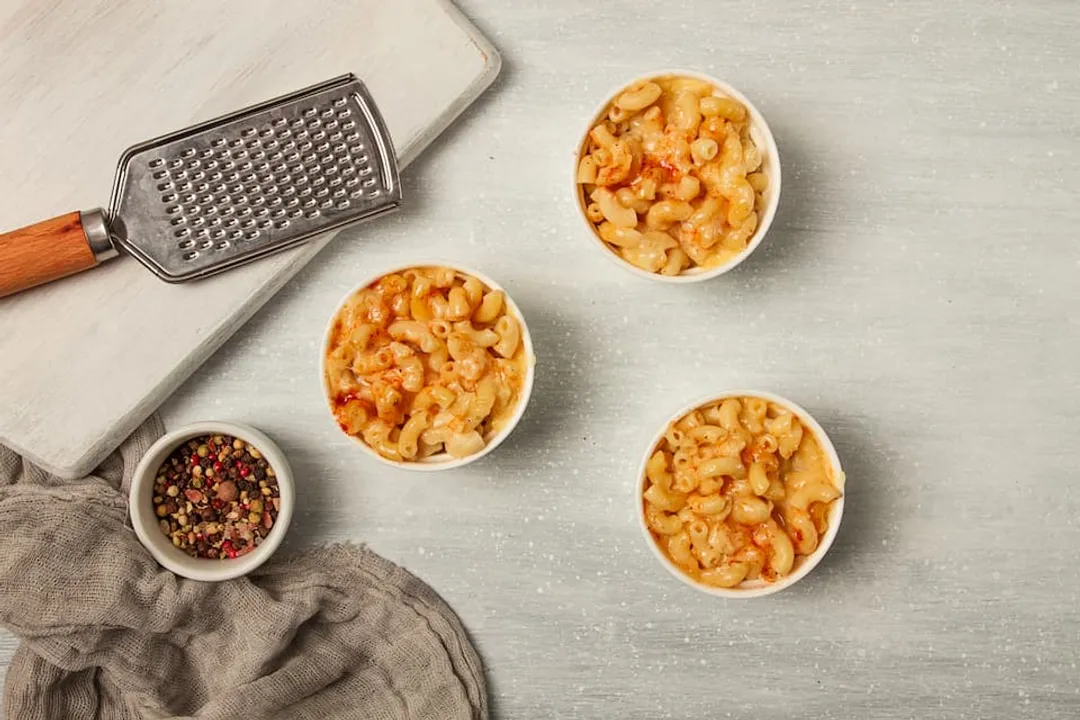
The ongoing evolution is evident, too. Reports note new trends like Birria Tacos—known for their rich, spicy flavors and dipping sauce—and Korean Corn Dogs adding fun, flavorful twists to the classic snack lineup. Even traditional comfort foods like Mac and Cheese and the Grilled Cheese Sandwich have successfully transitioned from side dish or home meal to popular takeaway truck fare, proving that familiarity is no barrier to street-side success.
Related Questions
#Citations
American Street Food: Best Recipes & Restaurants
21 Popular Street Foods of the US
List of street foods
The top 20 American Street Food dishes