What are popular street foods?
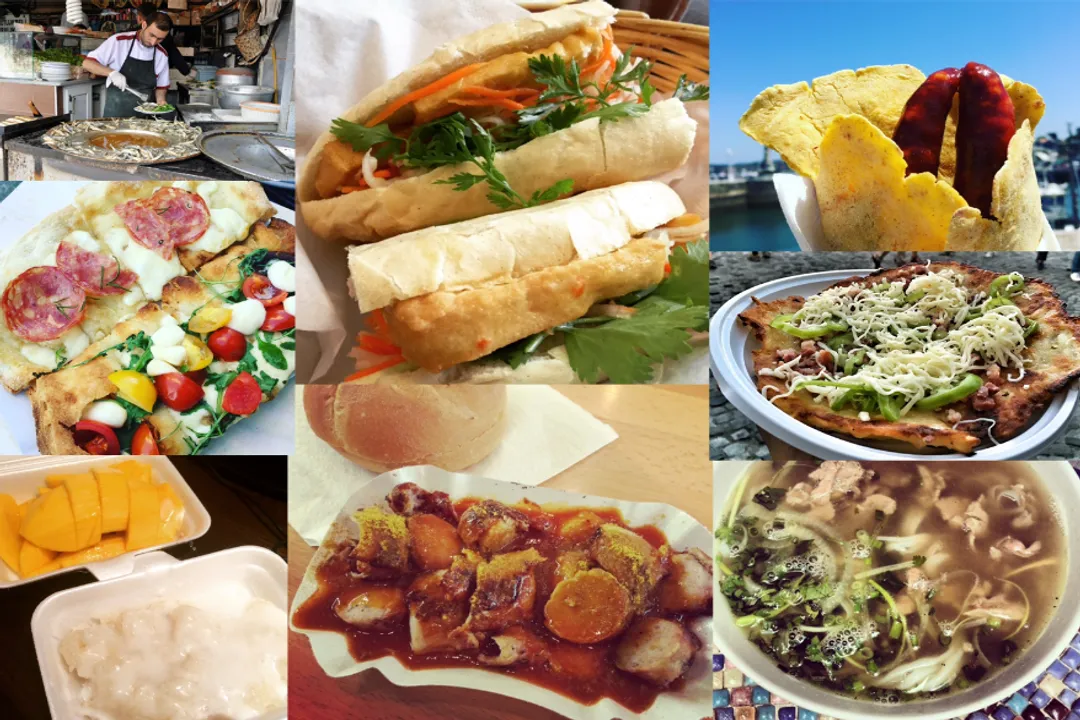
The aroma of sizzling oil, the rhythmic chop of a cleaver, and the sharp scent of lime and chili—these sensory details are the universal language of street food, a dynamic culinary landscape found on virtually every corner of the globe. It is the pulse of a city made edible, offering immediate satisfaction and an authentic taste of local culture that is often more revealing than a formal restaurant experience. [4][5] These dishes are frequently the product of necessity, adapted over generations to be cheap, filling, and quick to prepare, yet many have evolved into world-renowned specialties commanding global recognition. [1][3]
# Global Favorites
The sheer variety of beloved street foods documented across the world is staggering, reflecting the vastness of global culinary traditions. [1][3] When looking at some of the most highly rated or frequently mentioned items, a clear concentration emerges from Asia, though the Americas and Europe offer their own iconic contributions. [5][4]
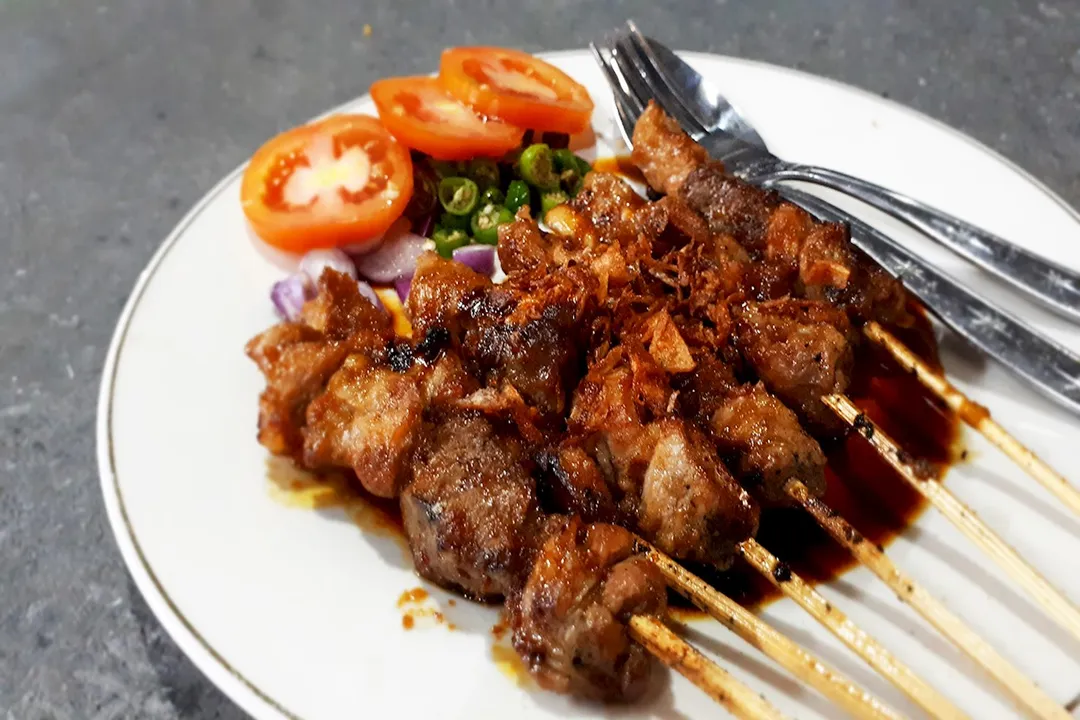
In many parts of Asia, street food is an integral part of daily life, not just a snack. [6] Consider the famous Pad Thai from Thailand, a complex mix of sweet, sour, and salty flavors, often cooked right in front of you on a searing hot wok, combining rice noodles, shrimp, peanuts, and tofu. [2][5] Another staple across Southeast Asia is Satay, which involves skewered and grilled meat—chicken, beef, or pork—served with a rich, spiced peanut dipping sauce. [2] Moving towards South Asia, the savory delights of Samosas, deep-fried pastries stuffed with spiced potatoes or meat, and Dosa, a thin, fermented crepe from South India typically served with sambar and chutney, are absolute must-tries. [1][5]
The Philippines offer unique items like Kwek Kwek, which are hard-boiled eggs dipped in an orange batter and deep-fried until crispy, often served with vinegar-based dipping sauces. [3][6] Japan contributes classics like Takoyaki, small, round balls of batter filled with minced or diced octopus, cooked in special molded pans and topped with sauce, mayonnaise, and bonito flakes. [1][5] Meanwhile, the influence of Chinese cuisine is felt everywhere, with dumplings like Gyoza appearing frequently on lists of essential street eats. [1][3]
# Americas' Offerings
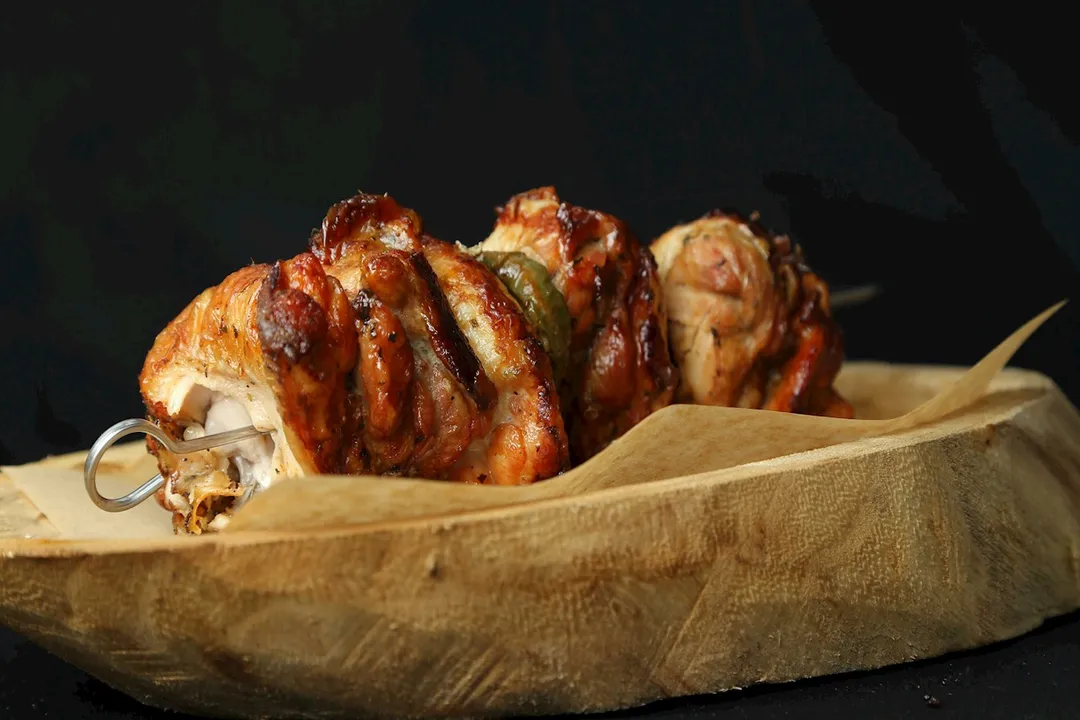
The culinary streets of the Americas are equally vibrant, specializing often in robust, filling portable meals. Tacos are perhaps the quintessential street food of Mexico, simple tortillas filled with a variety of meats, fish, or vegetables, adorned with salsa, onion, and cilantro. [4][5] Nearby, in Central America, countries boast favorites like Pupusas from El Salvador—thick, handmade corn tortillas stuffed with cheese, beans, or meat. [1]
South America brings us the versatile Arepa, particularly popular in Colombia and Venezuela. These are essentially small, round, unleavened patties made of ground maize dough, often split open and stuffed with savory fillings. [1][4] If we travel north to the United States and Canada, the offerings shift slightly but maintain their hearty nature. A North American street food standout, especially in Canada, is Poutine—French fries smothered in cheese curds and topped with hot gravy. [1][3] In many parts of the US, simple yet effective fare like hot dogs or street corn (Elote), grilled or boiled corn on the cob coated in mayonnaise, cheese, chili powder, and lime, reigns supreme. [3][4]
# European Staples

While Europe often emphasizes sit-down dining, its street food scene is rich with regional specialties that demand attention. In Germany, the quick, flavorful Currywurst—steamed, then fried pork sausage cut into slices and seasoned with curry ketchup—is a massive seller. [1][5] Italy’s contribution often surprises people who associate it solely with trattorias; however, an authentic slice of Neapolitan Pizza sold by the slice (Pizza al taglio) is a true street food experience. [1][5] France has its delicate Crêpes, sold from carts and stalls, which can be filled with sweet ingredients like Nutella or savory components like ham and cheese. [2]
To better appreciate the diversity, one can compare a few internationally recognized items based on their preparation and flavor profile:
| Street Food | Origin | Primary Preparation | Key Flavor Notes |
|---|---|---|---|
| Dosa | India | Griddled Batter | Tangy, Savory, Spiced |
| Banh Mi | Vietnam | Assembled Sandwich | Fresh, Herby, Pickled, Meaty |
| Takoyaki | Japan | Pan-cooked Dough | Umami, Savory, Creamy Toppings |
| Arepa | Colombia/Venezuela | Grilled/Fried Corn Patty | Neutral/Starchy Base, Filling Dependent |
| Currywurst | Germany | Steamed/Fried Sausage | Sweet, Tangy, Spiced (Curry) |
# The Economics of the Cart
One fascinating aspect of popular street food is the delicate balance between tradition and practicality. The best street foods are those that can be made from readily available local ingredients, requiring minimal equipment to maintain high throughput and low cost. [4] This efficiency is a form of expertise in itself; mastering the heat, the timing, and the small inventory needed to serve hundreds of customers during a peak hour demands a skill set developed over years of high-volume repetition. [6] For instance, a vendor selling Shawarma must perfectly balance the slow rotation of the spit against the demand for thinly shaved, perfectly crisped meat. This necessity for speed and low waste often dictates which foods become legendary street snacks—they must be adaptable enough to absorb variances in ingredient quality while maintaining that signature taste.
A simple calculation shows why street food dominates in many dense urban centers: if a typical street stall can serve 100 customers per hour at an average price point significantly lower than a seated restaurant, and maintain margins because they have virtually no front-of-house labor or overhead for dishware, they become essential economic engines for both the vendor and the hungry commuter. [4]
# Regional Deep Dives and Unique Finds
While the global list features well-known entries, diving into specific regions reveals even more specialized favorites. In Southeast Asia, beyond the famous Thai and Vietnamese items, many local vendors focus on snacks that are deeply ingrained in the local rhythm. For example, the practice of grilling street meat, common everywhere, takes on unique marinades depending on the island or mainland region. [6] In Vietnam, the Banh Mi sandwich is a testament to culinary fusion, combining a French baguette with Vietnamese fillings like pâté, various meats, pickled carrots, daikon, and fresh cilantro. [1][4]
The world’s top-rated lists consistently feature items that excel in textural contrast. A food that offers a crunch followed by a soft interior, or a cool topping over a hot base, tends to score highly among tasters globally. [5] Think of the Vietnamese Pho, a deeply aromatic noodle soup whose complexity comes from hours of simmering bone broth, served piping hot with fresh herbs added just before eating. [1][2] Contrast that with the crispy, often sweet rice-flour-based snacks found across Asia that offer immediate gratification. [6]
It’s worth noting the difference between foods born on the street and foods adapted for the street. A dish like Pizza was invented as a peasant food in Naples, making it a genuine street food tradition, whereas a complex stew might be scaled down and simplified into a quicker grab-and-go format for roadside vending. [1][8]
# Navigating the Street Food Scene
For the adventurous eater planning to dive into this culinary world, having a simple strategy can enhance the experience and ensure safety. First, follow the crowd. Long lines, particularly those composed of locals, are almost always a sign of high turnover, which means the food is fresh and the vendor is popular for a reason. [4][9] Second, pay attention to hygiene cues; while street food inherently involves less formality, look for clean surfaces, vendors who handle money separately from food preparation, and, if possible, food that is cooked to order right in front of you rather than sitting out for long periods. [9]
A practical tip for maximizing flavor discovery without relying on just the most famous dishes is to sample foods from stalls that specialize in only one item. A vendor who only sells Takoyaki, for instance, has dedicated their entire operation to perfecting that single offering, leading to higher consistency than a stall trying to manage five or six disparate dishes. [4] This hyper-specialization is a key indicator of expertise in the informal food economy.
Ultimately, the popular street foods of the world are more than just quick meals; they are a direct, accessible manifestation of cultural identity. From the inexpensive comfort of Chole Bhature (spicy chickpea curry with fried bread) in India to the perfectly balanced sweet and sour notes of a Thai snack, these offerings represent the daily sustenance and creative spirit of communities worldwide. [1][3][5] They remind us that the most memorable dining moments often require nothing more than a napkin and a willingness to stand on the curb.
#Videos
I Tried The Best Street Food In America - YouTube
Related Questions
#Citations
List of street foods - Wikipedia
World street food: 25 street food dishes we love! - Tasteaway
A cool guide of 55 beloved street foods from around the world - Reddit
50 Best Street Foods Around the World - Uncornered Market
Top 100 Street Food in the World - TasteAtlas
Most Popular Street Foods in the World - Facebook
I Tried The Best Street Food In America - YouTube
30 Street Food Recipes From All Around The World - Delish
I ate the world's best street foods: Here are the top 13 - Yahoo Creators