What are examples of produce food?
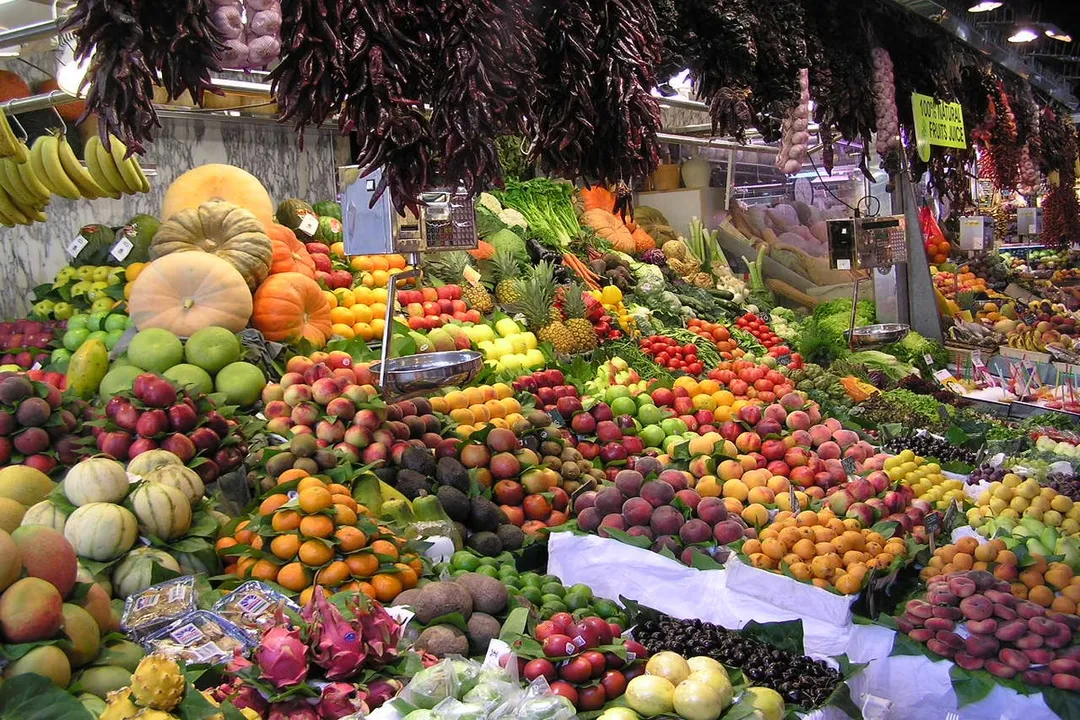
The realm of food categorized as "produce" encompasses a vast and colorful array of edible parts of plants, typically consumed raw or minimally processed, such as fresh fruits and vegetables. [4] This classification is fundamental to understanding dietary staples, guiding consumers toward nutrient-dense options and influencing how food is bought, sold, and prepared globally. [5] While the term is straightforward, the sheer variety within it—from the humble carrot pulled from the earth to the delicate berry picked in summer—demands a closer look at its many subsets and specific examples. [6][8]
# Defining Produce
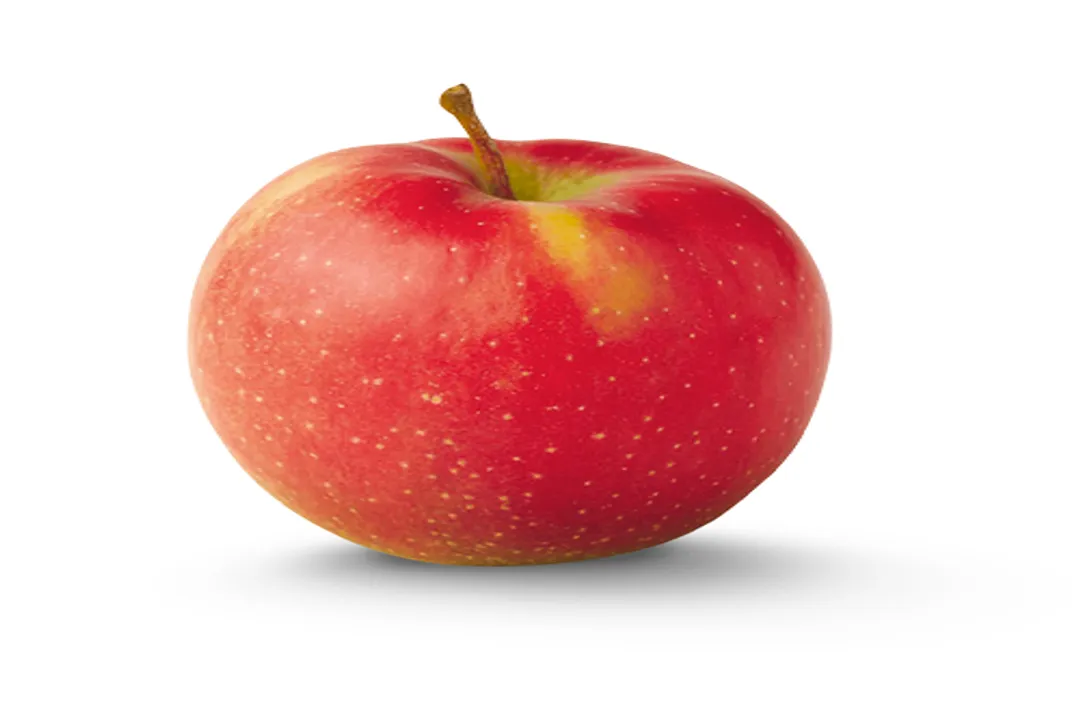
At its most basic level, produce refers to fresh fruits and vegetables. [4] In a retail setting, like a grocery store, these items are generally found in dedicated sections, distinct from shelf-stable goods, processed foods, or non-food items like cleaning supplies. [9] The definition, however, can blur slightly depending on whether one takes a strict botanical or a common culinary perspective. [4] For instance, botanically, a fruit develops from the flower's ovary and contains seeds, which would technically classify items like tomatoes, cucumbers, and squash as fruits. Yet, in the kitchen and on nutritional guides, these are almost universally treated and grouped with vegetables due to their savory flavor profile and common usage in main courses. [4][5]
# Vegetable Diversity
The vegetable category within produce is incredibly broad, often sub-divided based on the part of the plant consumed. This categorization helps in understanding where in the growing cycle that specific food is harvested and what nutrients it primarily offers. [1]
# Plant Parts
A helpful way to visualize this variety is by examining the specific plant part that ends up on our plates:
- Roots and Tubers: These grow underground and serve as storage organs for the plant. Examples include potatoes, sweet potatoes, yams, carrots, beets, radishes, turnips, and parsnips. [6][8] The Earthiness associated with these items often means they store well, making them staples even outside peak growing seasons. [7]
- Bulbs: The fleshy, layered bases of certain plants are highly valued for flavor. Onions, garlic, shallots, and leeks fall into this group. [6][8]
- Stems and Shoots: These are the structural parts of the plant that are eaten. Asparagus spears and celery stalks are prime examples. [6][8]
- Leaves and Greens: This group is vital for vitamins and minerals, covering everything from the loose leaves to tightly bound heads. Spinach, kale, collard greens, lettuce varieties (like romaine or iceberg), Swiss chard, and cabbage are frequently consumed. [1][6][8]
- Flowers: These are the unopened or just-opened flower buds of the plant. Broccoli and cauliflower are the most common representatives here. [6][8]
- Immature Seeds/Legumes: While some legumes are treated as grains when dried, many are eaten fresh as produce. Green beans, peas, corn (technically a grain, but treated as a vegetable), and lima beans fit this description. [6]
# Culinary Vegetables
Beyond the botanical groupings, common culinary usage throws items like tomatoes, peppers (bell and chili), zucchini, eggplant, and pumpkins into the vegetable basket, despite their botanical classification as fruits. [4] A look at popular produce items often shows these "botanical fruits" dominating savory dishes. [2] For those focused on dietary guidelines, like the USDA's MyPlate, vegetables are generally grouped based on nutrient density, such as dark-green vegetables or red/orange vegetables, rather than botanical origin. [5]

# Fruits Grouping
Fruits, which are the sweet, fleshy seed-bearing structures of a plant, are typically eaten as snacks or desserts, though their applications in cooking are extensive. [4] They offer natural sugars and are packed with specific vitamins. [5]
# Common Fruit Types
The world of fruit produce can be neatly organized into several established categories:
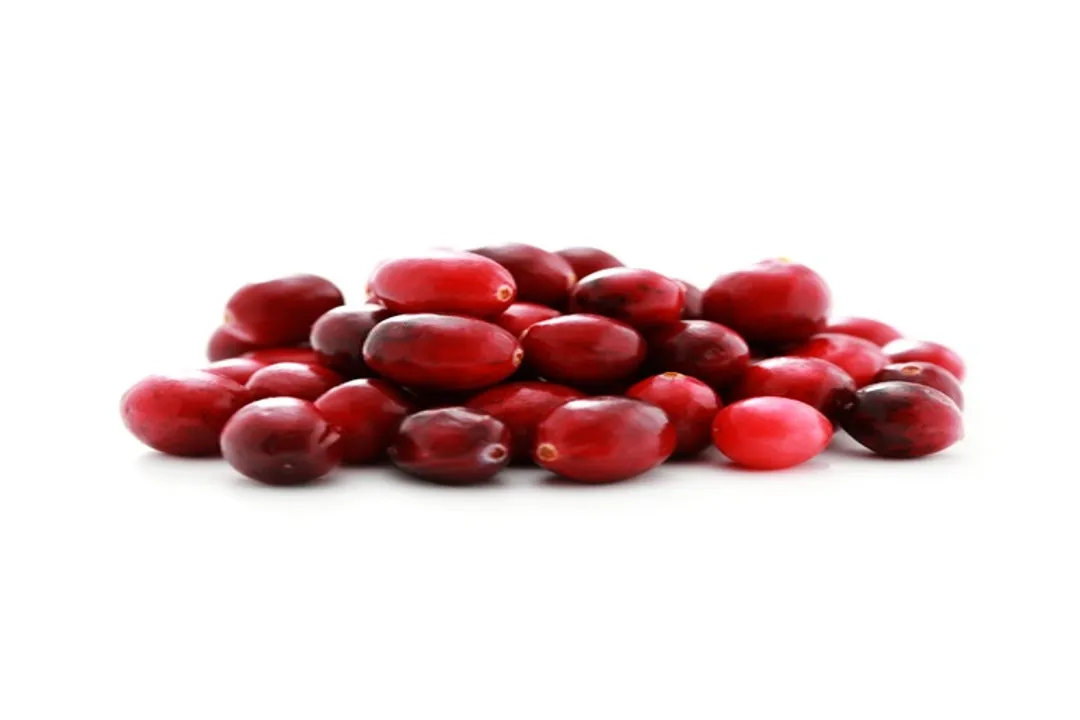
- Berries: Small, pulpy, and often brightly colored. Examples include strawberries, blueberries, raspberries, blackberries, and cranberries. [6][8]
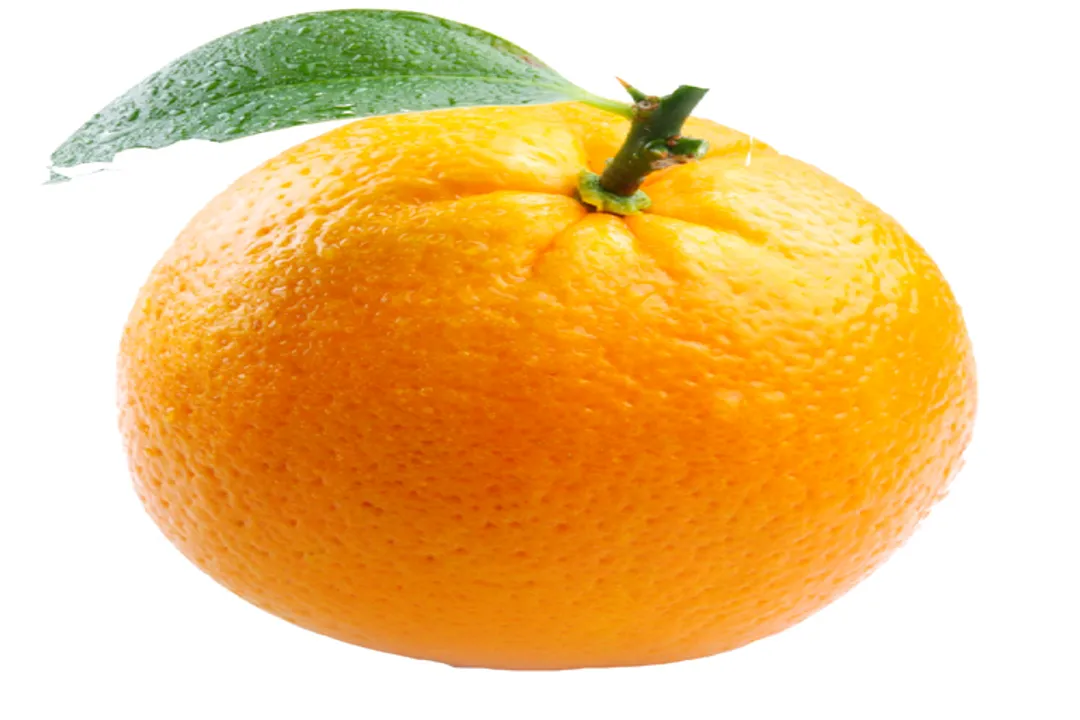
- Citrus Fruits: Known for their thick rinds and tart, juicy interiors. Oranges, lemons, limes, grapefruits, and tangerines are classic examples. [6][8]
- Pomes: Fruits with a central core containing seeds, like apples and pears. [6][8]
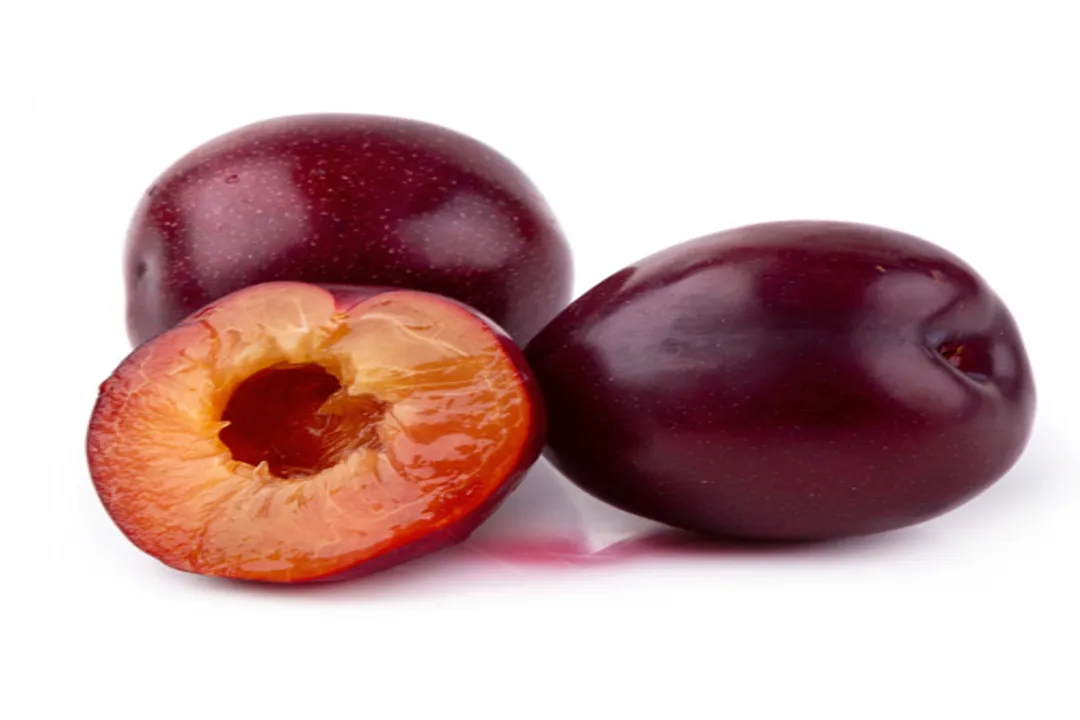
- Stone Fruits (Drupes): Characterized by a fleshy exterior surrounding a single hard pit or "stone." Peaches, plums, apricots, cherries, and nectarines belong here. [6][8]
- Melons: Large, watery fruits with hard rinds, such as watermelon, cantaloupe, and honeydew. [6]
- Tropical Fruits: Varieties that thrive in warmer climates, offering diverse textures and flavors. Bananas, pineapples, mangoes, kiwis, and avocados (another botanical fruit used culinarily as a vegetable) are prominent members of this diverse group. [6][8]
This immense variety means that a person prioritizing fresh produce can easily meet their daily fruit intake targets while experiencing a wide range of flavors—from the tartness of a lemon to the creamy sweetness of a ripe avocado. [2]
# Top Sellers and Availability
Understanding what constitutes produce is one thing; recognizing what is most popular and when it is at its best is another layer of knowledge for the informed consumer. [1] While exact rankings shift annually, certain items consistently appear on "top 20" lists across the industry due to their versatility and shelf stability when properly handled. [2]
Consider the overlap between staple vegetables and the top sellers. Items like onions, potatoes, carrots, and celery often appear near the top, serving as the foundational aromatics or starches for countless recipes. [2][6] In the fruit category, apples and bananas frequently lead the pack due to global availability and broad consumer appeal. [2]
When thinking about stocking up, it is interesting to contrast these high-volume sellers with highly seasonal items. While a standard Russet potato is available year-round due to storage techniques, a true Vidalia onion or a Bing cherry offers peak quality only during a very specific window. [7] Consumers looking to maximize flavor and often support local agriculture might try this approach: for staples like carrots or apples, find a good supplier; for highly seasonal items like spring asparagus or summer peaches, focus on buying them only when local guides indicate their peak harvest time. [1] This strategy balances convenience with quality acquisition.

# The Role of Seasonality in Produce Selection
A critical factor influencing the quality and character of produce is seasonality, which is heavily emphasized by food sustainability advocates and chefs alike. [1][7] Produce grown in season, close to where it is consumed, is generally fresher, tastes better, and often requires fewer resources for transport and storage. [7]
For example, knowing that eating seasonally in many temperate climates means enjoying leafy greens like lettuce and spinach abundantly in the cooler months, while summer brings a bounty of tomatoes, squash, and berries, allows for a dynamic and interesting rotation in one's diet. [1] Conversely, demanding strawberries in December in a northern climate necessitates long-distance shipping or greenhouse cultivation, impacting the item's environmental footprint and potentially its texture. [7] Seasonal guides are invaluable tools for navigating this complex availability landscape. [1][7]
# The Business of Prepared Produce
The modern food landscape has also seen the rise of value-added produce, particularly the segment focused on pre-cut or "pre-prepped" items. [3] This segment includes items that have been washed, sliced, peeled, or diced before packaging.
Examples of this convenience-focused produce include:
- Peeled and segmented oranges or grapefruits.
- Washed and shredded lettuce or cabbage mixes.
- Diced onions, peppers, or celery ready for immediate cooking (often called mirepoix or sofrito bases). [3]
- Pre-cut fruit trays featuring melon cubes or pineapple chunks. [3]
While whole, unprocessed produce remains the baseline definition, the growing market for pre-cut items reflects a consumer need for speed and reduced preparation time, even if it sometimes comes at a higher per-pound cost or slightly altered shelf life compared to the whole item. [3] However, one must be aware that this processing can sometimes necessitate preservatives or may slightly degrade nutrient content compared to slicing an item minutes before consumption at home. [4] The decision often rests on balancing the time saved against the freshness achieved through self-preparation.

# Going Beyond the Basics: A Broader View
While fruits and vegetables form the bulk of what consumers call "produce," sometimes the term is used more loosely in grocery settings to include other fresh plant-based items that aren't strictly categorized as fruits or vegetables in the same way, such as fresh herbs. Herbs like basil, parsley, cilantro, mint, and chives are essential produce items, used for flavoring rather than bulk consumption. [6] They dramatically enhance the flavor profile of dishes made with the foundational vegetables and fruits mentioned earlier. [3]
When a shopper navigates the aisles, they are interacting with a system rooted in agricultural classification. Whether they are looking for Brussels sprouts (a bud) or Avocado (a single-seeded berry used as a vegetable), they are searching for items that meet the standard of being fresh, minimally processed agricultural products. [4][5] For instance, if you are following the MyPlate guidelines and aiming to fill half your plate with fruits and vegetables, selecting one item from the dark green category (like kale) and one from the citrus category (like oranges) successfully covers two distinct nutritional needs represented by two very different types of produce. [5] The sheer variety available, even within the constraints of a single grocery store's inventory, ensures that exploring produce is an ongoing culinary education. [8]
The continuous innovation in the fresh-cut sector, demonstrated by companies specializing in ready-to-use vegetables, highlights that the definition of "produce" is evolving to meet modern lifestyles while still centering on the natural quality of the raw plant material. [3] This blend of tradition (seasonal eating) and modernity (convenience processing) shows the enduring centrality of fresh plant foods in our diet. [1][3]
Related Questions
#Citations
Seasonal Produce Guide - SNAP-Ed Connection - USDA
Top 20 Fruits and Vegetables Sold in the U.S.
Discover Fresh Produce Types - Welcome to TazZA
Produce - Wikipedia
MyPlate.gov | Five Food Group Gallery
Produce List - Table, Inc.
Seasonal Food Guide
Fruits and Vegetables A-Z - Know Your Produce
What are some examples of food and non-food items in a grocery ...