What are examples of local foods?
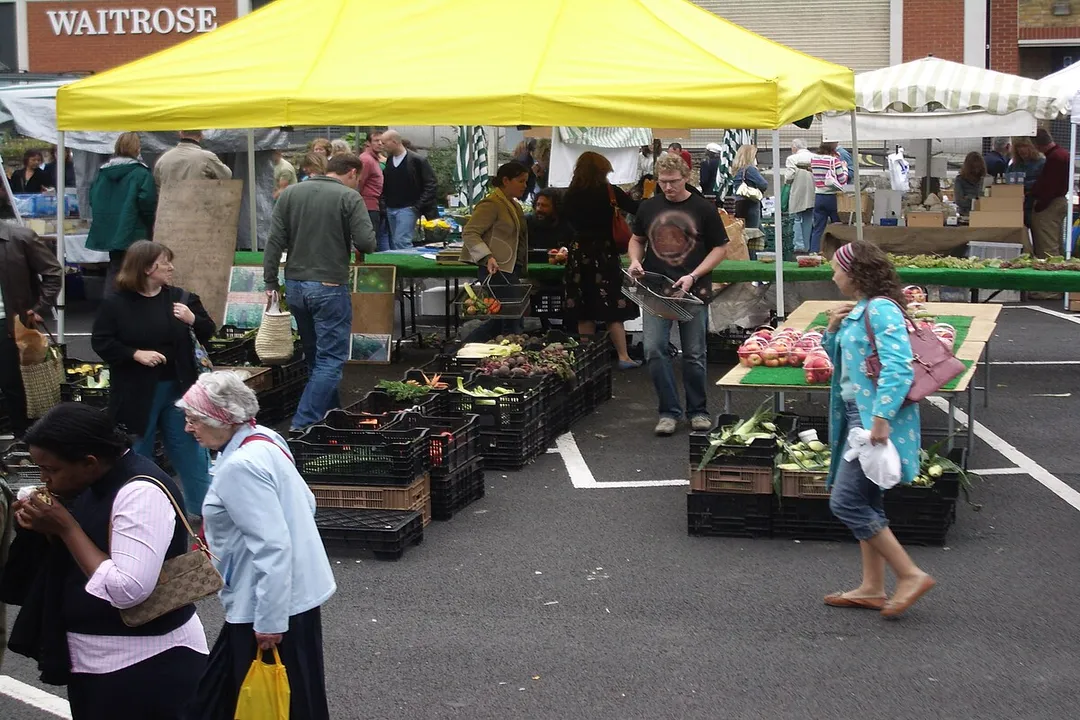
The concept of "local food" carries a meaning that is deeply personal yet simultaneously codified by government standards, making its definition surprisingly flexible. At its simplest, local food is defined as that which is produced close to where it is eaten, often existing outside the established, long-distance supply chain typical of major supermarkets. When we talk about moving away from the global model, we are talking about supporting networks that tie food producers and consumers within the same geographic area, aiming for greater community resilience and economic benefit.
# Defining Proximity
The core of the local food discussion always circles back to distance. What exactly constitutes a "short distance"? There is no single, universally accepted answer, which is why the movement often relies on various metrics. For instance, the American Food, Conservation, and Energy Act of 2008 offered a specific statutory boundary: a product is local if transported less than 400 miles from its origin, or if it is produced within the originating state. This provides a clear, if broad, administrative benchmark.
However, many organizations use tighter geographical criteria. The Northeast Indiana Local Food Network, for example, anchors its definition to the 11 counties of that specific region. This highlights a key tension: is "local" defined by a hard mileage rule, or by the practical boundaries of a community's shared agricultural watershed, often termed a foodshed?. Thinking practically about what this means for your table, the 400-mile federal metric works reasonably well for items that travel long distances anyway, like grains or potatoes. But for truly perishable items—the milk, the greens, the fresh eggs—the local flavor you seek might only be found within a far tighter radius, perhaps even just the distance a farmer can comfortably drive to a roadside stand and back in a single morning. Relying solely on the 400-mile rule might let in products that, while technically "local" by that definition, still involve significant regional trucking, missing the intimacy of a true community food system.
It is also worth noting that "local" often transcends mere geography. It can describe the social structure and supply chain characteristics promoted, such as sustainable or organic farming methods, even if the product travels slightly farther than a strict local definition would allow.
# Regional Specialties
While staples like apples, vegetables, eggs, and cheese can be local anywhere, the true charm of local foods lies in the specialty items that reflect a place’s unique climate, history, and culture. These are the foods that connect a place to its people, often unknown outside a small geographic area.
In the American South, for example, you might encounter Conecuh sausage in Alabama, described by locals as simply "a really good smoked sausage," which belies its regional importance. Another Southern classic, especially appreciated for its saltiness and tied to country cooking, is country ham. You may also find dishes like spoonbread or corn pudding appearing on menus, dishes that puzzle outsiders but are comforting standards in their home regions.
Moving into the Mid-Atlantic, the area around Cincinnati boasts Goetta, a breakfast loaf made from sausage and oats, while New Jersey strongly claims pork roll, sometimes known as "Taylor Ham". The Connecticut region offers white clam pizza, a concept that sounds unusual until tried. For those seeking something different, Albany, New York, features a local tradition of serving raspberry sauce (or Melba sauce) with appetizers like mozzarella sticks, a pairing that surprises those unfamiliar with the regional taste for fruit and cheese combinations.
Further west, in areas associated with Pennsylvania Dutch culture, you can find specialties like scrapple (a mix of pork scraps and cornmeal) and Lebanon bologna (which is not traditional bologna). These examples demonstrate that local food encompasses everything from prepared meats and baked goods to unique condiment pairings. Even in Germany, one region, Lower Franconia, has its specific pride in Schäufele, a crispy-skinned roast pork shoulder typically served with brown gravy and potato dumplings. These items are embedded in the culture of a city or town, telling a story through their ingredients and preparation methods.
To help readers navigate this wide array of examples, we can categorize them based on their nature:
| Category | Description | Examples Sourced |
|---|---|---|
| Hyper-Regional Specialties | Unique processed items or dishes tied strongly to a specific town or limited metro area. | Goetta, Pork Roll, White Clam Pizza, Conecuh Sausage |
| Traditional Reinterpretations | Common food types (like ham or sausage) prepared using a distinct, often older, local curing or cooking method. | Scrapple, Country Ham, Lebanon Bologna |
| Seasonal Centerpieces | Dishes built entirely around peak local produce, often requiring more in-kitchen effort. | Butternut Squash Lasagna, Mushroom Tart, Basil Blackberry Apple Crumble |
This categorization helps illustrate that supporting local is not just about buying a carrot; it’s about maintaining the supply chains for these more complex, culturally significant products.

# Meal Assembly
Eating locally often necessitates returning to fundamental cooking skills, as many meal ideas rely on combining simple, whole ingredients that haven't been processed for long-distance shipping. The movement shifts the cooking repertoire away from simply opening cans and boxes. A local diet fundamentally supports a whole foods diet, demanding a bit more time in the kitchen but rewarding it with real nutrition and intense flavor.
For example, a satisfying meal can be constructed from the formula: local grain/potato/squash + local protein + greens/salad/sauerkraut. This approach naturally lends itself to dishes that celebrate the season’s bounty:
- Baking: Homemade pasta or pumpkin ravioli suggests mastering the basics of flour and egg sourcing.
- Comfort Dishes: Southern brunch items like cheesy grits served alongside fresh eggs and local greens showcase basic components transformed by local quality.
- Seasonal Desserts: A basil blackberry apple crumble demonstrates how unique local fruit combinations become the star of the dessert course.
Even simple preparations, like the Eggs in a Nest featuring eggs, onion, carrot, and Swiss chard, rely on vegetables being available fresh, reducing the need for heavy seasoning or chemical preservation.
# Beyond Distance
While freshness and flavor are immediate appeals, the reasons for prioritizing local sourcing are layered, touching on economic support, environmental considerations, and community ties. Supporting local food actors—from the farm to the processor and distributor—keeps more income circulating within the defined region, boosting local job creation.
Community interaction is another significant, often unexpected, benefit. Farmers' markets become social hubs; one study noted that 75% of shoppers arrived in groups, compared to only 16% at supermarkets, facilitating direct relationships between those who grow food and those who eat it.
However, the environmental case requires nuance. The popular concept of reducing food miles to achieve sustainability has been heavily debated. Studies show that the energy used in the production phase—how the food is grown—often outweighs the emissions from transportation. In some cases, high-intensity, large-scale farming operations might actually produce lower greenhouse gas emissions per unit than smaller, pastured operations, though this must be weighed against impacts like deforestation. Furthermore, shifts in what people eat, such as moving toward plant-based diets, generally offer a more substantial reduction in climate footprint than simply shifting where food comes from. A balanced approach acknowledges that shifting toward plant-based foods coupled with supporting more locally produced items, particularly in affluent areas, presents the best path forward.
# Local Food Impact
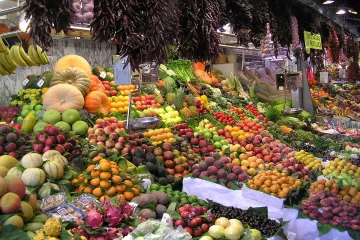
The push for local food has tangible effects on the agricultural sector. In the years leading up to 2008, the number of small farms in the US actually began to increase after a century of decline, partially credited to the support generated by local food campaigns. Programs designed to encourage state procurement, such as North Carolina’s "10% local food campaign," aim to stimulate local economic development by explicitly prioritizing in-state agriculture.
For consumers, engaging with local systems provides transparency. You learn how food was grown, often by farmers using practices like crop rotation which can improve soil health and reduce pollutant use. This direct line of sight builds a level of trust that certification alone might not achieve, allowing many consumers to value farms using organic practices even if they are not USDA Certified Organic.
If you are looking to deepen your connection, actively seeking out local food hubs is a good starting point. These centers aggregate products from multiple small farms, allowing buyers to consolidate orders from various sources into a single pickup or delivery, providing small producers access to wholesale markets they could not reach alone. By choosing local, you are participating in building a food system that is geographically connected, socially interactive, and economically self-reliant, even as the metrics for what qualifies as "local" continue to evolve.
Related Questions
#Citations
Local food - Wikipedia
Local Food | Illinois Farm Bureau
Locally sourced meal ideas - make gather grow
What is "Local" Food? - USDA
What are some local foods that are relatively unknown outside of ...
Eating Local - NEXT.cc
Local Food Definitions - Northeast Indiana Local Food Network