What is food freshness?
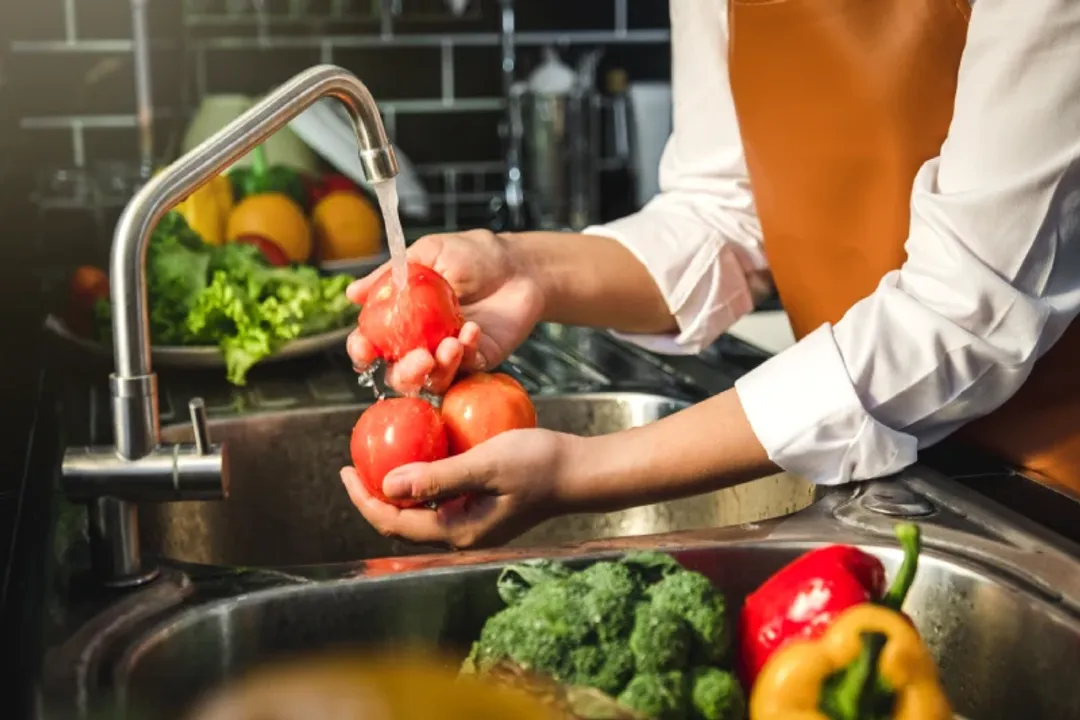
Food freshness is a concept that feels intuitive until you try to pin it down. It carries a strong emotional appeal, conjuring images of vibrant color, crisp texture, and peak flavor. [8] However, the definition is often slippery, shifting between marketing strategy, perceived quality, and actual chemical state. [1][4] For the consumer navigating the grocery aisle, understanding what truly constitutes "fresh" can be the difference between enjoying peak nutrition and simply buying something that hasn't yet visibly spoiled. [6]
# Perception Versus Reality
The term "fresh" is incredibly powerful in consumer culture, often implying that a product has undergone minimal interference since its origin, whether that is the farm field or the ocean. [4] This perception drives purchasing decisions, but it rarely accounts for the journey food takes before reaching the shelf. [4] Sometimes, the very idea of absolute freshness is considered somewhat manufactured; for instance, discussions around food quality acknowledge that "freshness" might be a convenient concept rather than a scientifically fixed state, especially when considering nutrient retention over time. [1]
Consider fresh produce that has traveled across continents. It may look perfect, but the time spent in transit, even under controlled refrigeration, allows for gradual degradation. Conversely, produce picked at its optimal ripeness and immediately processed—like flash-frozen berries—may retain more vitamins and antioxidants than a piece of "fresh" fruit that spent ten days ripening slowly in a truck. [8] In essence, what the market calls "fresh" is often a measure of appearance and short-term handling, whereas true quality might be better measured by how much of the original nutritional density remains. [6]
# Quality Degradation
From a scientific standpoint, food freshness is intrinsically linked to time because biological materials naturally begin to degrade the moment they are harvested or processed. [6] This degradation is driven by enzymatic activity, microbial growth, and chemical reactions like oxidation, all of which lead to changes in texture, color, flavor, and, importantly, nutritional content. [6]
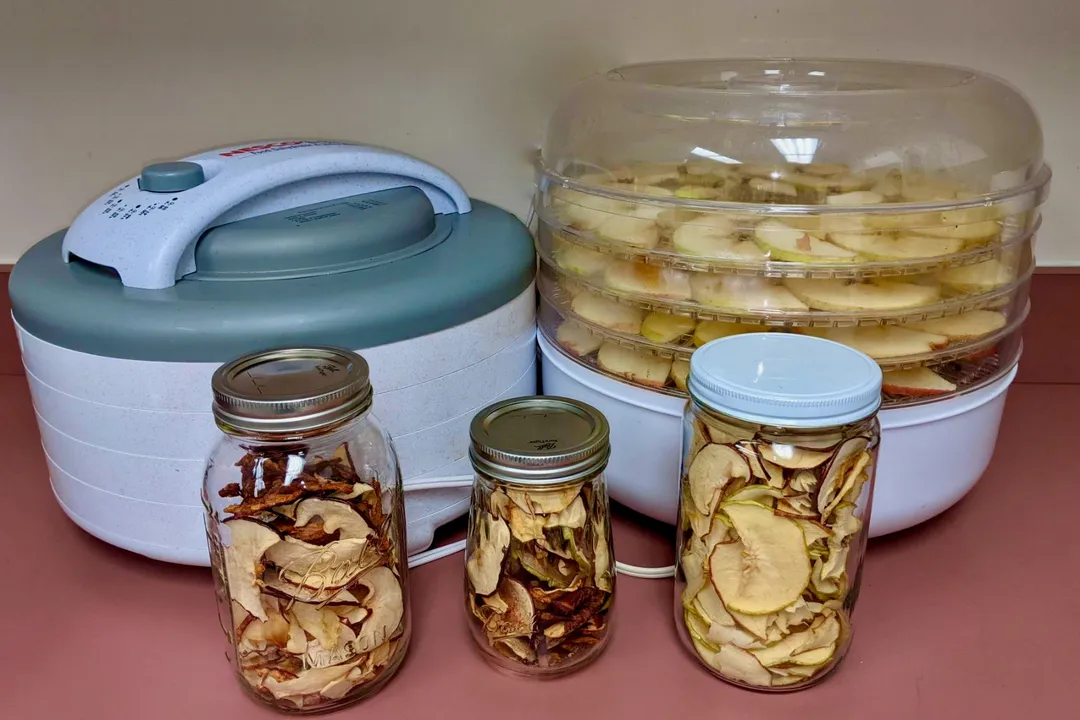
Preservation techniques exist precisely to slow down this inherent decay. The goal of methods like canning, drying, curing, and chilling is to interrupt the processes that lead to spoilage and maintain quality characteristics for extended periods. [2] Freezing, for example, is highly effective because it significantly slows down the chemical and microbial activity that compromises food quality. [3] When food is frozen rapidly and stored at consistent temperatures, much of the freshness—meaning its desirable sensory and nutritional attributes—can be locked in, often better than when it spends days on a truck or sitting in a refrigerator. [2][3]
When comparing different preservation methods, one important factor is the timing of the intervention. For delicate items like fish or certain fruits, the period between harvest and the preservation step is crucial. [8] A flash-frozen fish caught miles offshore and frozen within hours might offer a superior experience and nutritional profile compared to a fish that was chilled on ice for three days before reaching a metropolitan fish counter, even if the latter is labeled as "fresh". [4]
# Decoding Dates
Navigating the grocery store requires understanding the language on the packaging, especially concerning dates, which are often mistaken for indicators of safety when they are primarily indicators of peak quality. [7] Several common date labels exist, and misinterpreting them leads to massive amounts of perfectly good food being discarded. [7]
- "Best If Used By/Before": This is generally a manufacturer's suggestion for when the product will have the best flavor or quality. It is not a safety date. [5][7] After this date, the food is usually still safe to consume, though its texture or taste might start to decline. [5][7]
- "Sell By": This date tells the store how long to display the product for sale, allowing for typical home storage time afterward. It is for inventory management, not consumer safety. [7]
- "Use By": This is the last date recommended for the use of the product while at peak quality. While less common than the other two, it often appears on highly perishable items. [7]
The distinction between these labels is key to assessing freshness realistically. A yogurt jar marked "Best By" last week might taste exactly the same today, whereas a package of sliced deli meat marked "Use By" carries a higher safety risk if kept past that date, though even that is an estimate based on ideal conditions. [5]
# Processed Versus Fresh
The debate over processed versus truly "fresh" food often overlooks the nutritional realities of modern supply chains. [9] Highly processed foods, like breakfast cereals or packaged frozen meals, involve significant alteration, often including added salts, sugars, or preservatives to ensure shelf stability. [9] In contrast, "fresh" food is typically minimally altered but may suffer more from environmental exposure. [9]
However, the term "processed" is broad. A loaf of bread is processed, as is a bag of pre-cut salad greens. The degree of processing matters immensely. [9] When looking at vegetables, for instance, the processing that occurs immediately after harvest—such as blanching (briefly scalding in hot water) before freezing—is designed to halt enzymatic activity and lock in color and nutrients. [2] This intentional, rapid stabilization can make the frozen item superior in quality to a "fresh" counterpart that has sat on a refrigerated truck for a week, losing water content and nutrients steadily the entire time. [6]
This leads to an important clarification: the value of "fresh" hinges heavily on proximity. If you are buying an item grown a mile away, its freshness will almost certainly surpass something shipped across the country, regardless of the latter's labeling. The ability to consume something within a day or two of harvest is the gold standard for true, unpreserved freshness. [8]
When evaluating local farmers' market produce versus supermarket staples, it's helpful to think in terms of time elapsed since harvest rather than just the label. A carrot pulled from the ground yesterday is functionally fresher than one harvested three weeks ago, even if both are sold in the "fresh" produce section. [1]
# Controlling Freshness
Consumers hold considerable power in determining how long food remains fresh after purchase. While the initial handling by distributors and retailers sets the baseline, poor home storage can rapidly negate the quality already present. [2]
A crucial, often overlooked factor is temperature fluctuation. For frozen goods, keeping the freezer door closed and avoiding large gaps between items allows the sustained cold to function correctly. [3] For refrigerated items, the crisper drawer is designed not just for humidity but to offer a slightly more stable temperature environment than the main shelves, which are often subject to temperature swings every time the door opens. [2]
Here is a simple approach to maximizing the life of your groceries:
- Prioritize the Perishables: Plan your shopping so that items with the shortest shelf life (like tender herbs or thin-skinned berries) are used first, regardless of when you bought them. [7]
- Manage Moisture: Excess moisture is the enemy of freshness for most dry produce. Don't wash berries or greens until immediately before consumption; washing introduces surface water that encourages mold and bacterial growth. [2]
- The Ripeness Spectrum: When buying fruits that ripen off the vine (like avocados or bananas), purchase a mix. Buy one item that is ready to eat today, one that is ready in two days, and one that needs a week. This creates a rolling supply of "peak" freshness rather than having everything spoil simultaneously. [8]
Ultimately, food freshness is a dynamic target. It is a combination of the food's initial quality, the scientific methods used to pause its natural decline, and the consumer's diligence in handling and storage post-purchase. [2][6] Recognizing that the label is often a guideline, not a guarantee, empowers us to make better choices about what we eat and what we discard. [5][7]
Related Questions
#Citations
“Freshness” is a made up concept when it comes to food, and ...
Preserving Freshness: The Basics of Food Preservation
Freezing preserves food freshness, flavor - Mayo Clinic Health System
Does “Fresh” Always Mean Fresh? - Seattle Sutton's Healthy Eating
What do food freshness labels really mean? - Harvard Health
Freshness - an overview | ScienceDirect Topics
Food Freshness: What's the Date? - Wellspring
Food freshness: tips for its preservation - Dream Foods Caribe
Processed vs. Fresh Food: What is the difference - Unidine