What are the two types of food production?
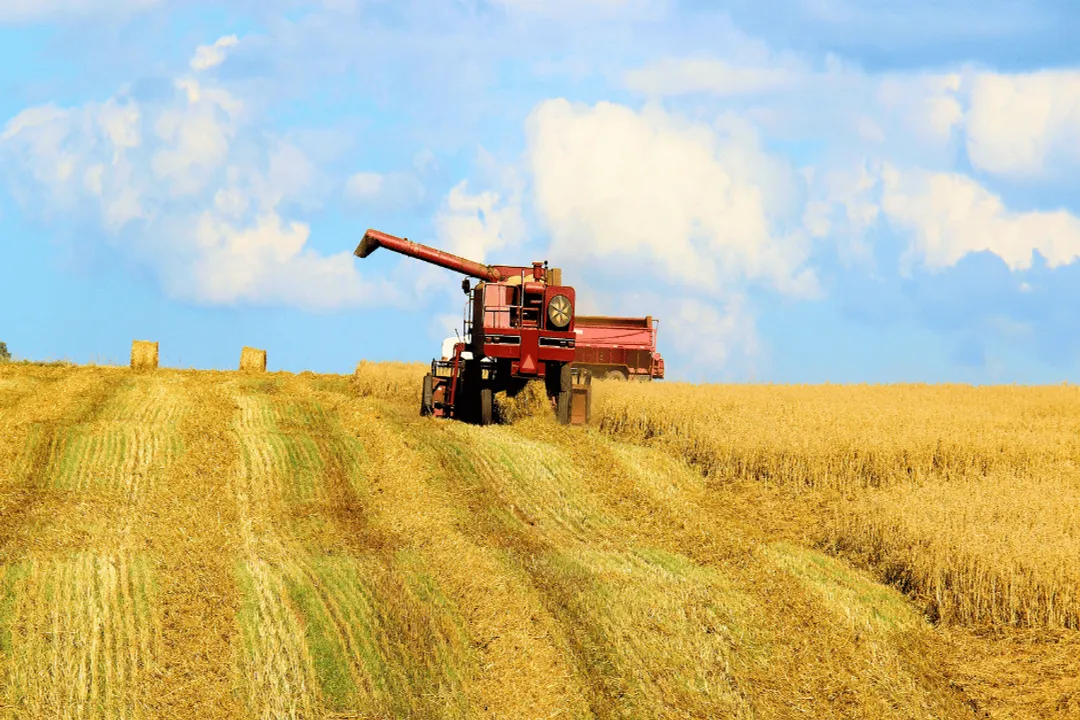
The methods humanity employs to produce the food necessary for survival exist along a wide spectrum, but nearly all production systems can be fundamentally categorized based on their purpose and scale. At one end lies production primarily aimed at feeding the producer and their immediate community, while the other end focuses almost exclusively on generating surplus for sale in distant markets. This forms the primary division in food production: subsistence agriculture and commercial agriculture. [5][9]
While some analyses divide the field into three categories—traditional, modern/industrial, and sustainable—the most foundational distinction explored in understanding global food systems contrasts the self-sufficiency drive of subsistence farming with the market orientation of commercial farming. [6] Recognizing which system dominates a region helps explain everything from trade patterns to land use intensity and population density. [1]
# Subsistence Farming
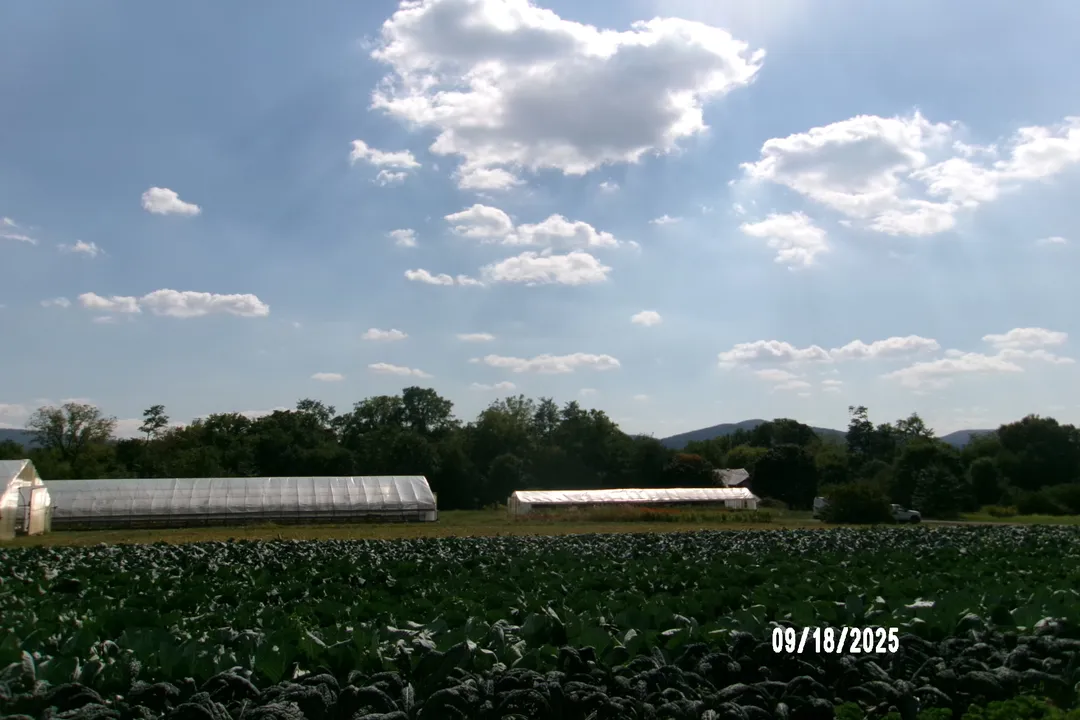
Subsistence agriculture is characterized by farming in which the farmers grow enough food to feed themselves and their families, with little or no surplus intended for trade. [9] In this system, the output is directly correlated with the survival needs of the farming family. Historically, this was the dominant mode of food production across the globe. [1]
# Primary Characteristics
The defining features of subsistence farming revolve around low technological input, small land holdings, and a focus on local consumption. These operations often rely heavily on human labor and animal power rather than machinery, leading to generally lower yields per unit of land when compared to their commercial counterparts. [1] The crops grown are typically diverse, aimed at providing a varied diet rather than specializing in a single cash crop. Land ownership or tenure systems can also differ significantly, sometimes involving communal rights rather than private ownership. [5]
# Subsistence Subtypes
Even within the goal of self-sufficiency, different environmental and cultural contexts necessitate distinct approaches, leading to several recognizable subtypes of subsistence agriculture. [1][5]
# Shifting Cultivation
This method, often called slash-and-burn agriculture, is practiced primarily in tropical or subtropical areas with high humidity and poor soil quality, where continuous cropping would rapidly deplete nutrients. [1] The process involves clearing a patch of forest, burning the debris to release nutrients into the thin topsoil, cultivating the land for a few seasons until productivity drops, and then moving on to clear a new plot. [1][5] The abandoned plot is left fallow to regenerate, a process that requires vast amounts of land to sustain a population, making it difficult to support dense settlements. [1] The need for large tracts of land per person highlights a key constraint on population density in areas relying heavily on this technique. [5]
# Pastoral Nomadism
This form of food production centers on the raising of domesticated animals—such as cattle, sheep, goats, camels, or yaks—and moving them seasonally in search of fresh pasture and water. [1] This practice is best suited to arid and semi-arid environments where crop cultivation is impractical or impossible. [5] The relationship between the pastoralists and their animals is deep; the animals provide not only food (milk, meat) but also materials for clothing and shelter. [1] Because this system requires vast grazing territories, populations practicing pastoral nomadism are also typically sparse. [5]
# Intensive Subsistence
When population pressures are higher, farmers must cultivate the same plot of land more intensively to meet food needs. This leads to intensive subsistence agriculture, which is divided based on the primary crop and climate. [1][5]
- Wet-Rice Dominant: Found in East, South, and Southeast Asia, this system is highly labor-intensive, often utilizing draft animals for plowing, but it yields a high output per unit of land, especially when utilizing terraced fields or areas with abundant water for flood irrigation. [1] The focus is almost entirely on rice cultivation. [5]
- Non-Wet Rice: Practiced in areas with climates less suited for flooded rice (like parts of India and Northern China), farmers grow crops like wheat, corn, or millet. While still focused on self-sufficiency, these regions often use less water management infrastructure than wet-rice areas and may allow a field to remain fallow occasionally. [1]
# Commercial Systems
Commercial agriculture contrasts sharply with the subsistence model. It involves the production of food, feed, fiber, and other goods for sale off the farm. [7][9] This orientation toward the market drives specialization, high capitalization, and the adoption of technology. [5]
# Market Orientation and Specialization
In commercial systems, the guiding principle is profit maximization, which leads to extreme specialization. [1] A farm might dedicate hundreds or thousands of acres solely to one crop, such as corn, soybeans, or wheat, or exclusively to raising one type of livestock, like beef cattle or poultry. [1][7] This specialization allows for massive economies of scale, where investing heavily in large machinery and specialized techniques results in a very low cost per unit produced. [7] The location of these operations is heavily influenced by proximity to markets, processing facilities, and suitable climates/soils for the chosen high-value commodity. [1]
# Technology and Inputs
Commercial agriculture is incredibly capital-intensive. Modern machinery—tractors, harvesters, automated irrigation systems—replaces manual labor. [7] Furthermore, these operations heavily rely on inputs purchased from outside the farm, such as synthetic fertilizers, pesticides, and high-yield hybrid seeds. [1][9] This reliance on external inputs distinguishes it clearly from subsistence farming, where inputs are often recycled or produced on-site (e.g., manure for fertilizer). [5]
# Commercial Subtypes
Similar to subsistence farming, commercial agriculture adapts to various geographic settings, resulting in distinct practices:
- Commercial Grain Farming: Large-scale production of crops like wheat, corn, sorghum, or barley, often found in the world's great interior plains, such as the North American prairies or the Ukrainian steppes. [1] Fields are massive, and machinery is essential.
- Commercial Livestock Ranching: The commercial equivalent of pastoral nomadism, practiced in areas too dry or marginal for intensive crop cultivation, such as the western United States or the Pampas of Argentina. [1][5] The key difference is the scale and market focus: animals are raised for beef or wool sold globally, not just for immediate community consumption. [7]
- Mixed Crop and Livestock Farming: A more integrated system, common in the U.S. Midwest and Western Europe, where crops like corn and soy are grown both for sale and to feed the farm’s livestock (pigs or cattle). [1] The animal manure is then returned to the fields as fertilizer, creating a partial nutrient cycle missing in highly specialized operations. [5]
- Plantation Agriculture: This system involves large-scale, single-crop cultivation, usually of crops that grow in tropical climates, like coffee, tea, sugarcane, rubber, or bananas. [1][7] Plantations are historically linked to colonial structures, often using cheap labor (or formerly enslaved labor) to produce crops for export to more developed regions. [1]

# System Comparison and Scale
Understanding the difference between these two poles—subsistence and commercial—is critical for appreciating global food security and land use patterns. The shift from one to the other is often seen as a marker of economic development. [5]
| Feature | Subsistence Agriculture | Commercial Agriculture |
|---|---|---|
| Primary Goal | Self-consumption/Survival [9] | Profit/Market Sales [7] |
| Scale/Size | Small plots, small output [1] | Very large holdings, massive output [7] |
| Technology | Low capital, human/animal labor [1] | High capital, mechanized, high-tech inputs [5] |
| Crop Diversity | High diversity for varied diet [1] | Low diversity (monoculture for efficiency) [7] |
| Labor Type | Family/Household labor [1] | Wage labor or highly skilled technicians [7] |
One interesting point of comparison is the concept of labor efficiency. In intensive subsistence farming, labor productivity (output per worker) can be relatively low because so many family members are engaged in manual tasks just to feed the household. [1] Conversely, commercial farming achieves incredibly high labor productivity due to mechanization; one worker operating a combine harvester can bring in thousands of bushels in a day. [7] However, commercial systems have very low land productivity if they are extensive (like ranching), but extremely high land productivity if they are intensive (like dairy or vegetable farming near a city). [5]
The transition between these two is rarely clean. Many areas, particularly in the developing world, exist in a mixed state. A farmer might grow enough corn to feed the family (subsistence) while dedicating a smaller plot to a cash crop like tobacco or vegetables to earn money for tools or school fees (a nod toward commercialization). [5] This blending suggests that the intent behind the production, rather than just the method, defines the category. [6]
# Modern Convergence
The lines blur further when considering modern geographical realities. A key development often seen in agricultural geography is the rise of Intensive Commercial Agriculture. [1] This system, common near large urban centers, maximizes yield per unit of land for market sale. For example, truck farming—the commercial cultivation of high-value vegetables and fruits—is extremely intensive and market-driven, contrasting with the low-density, large-scale grain farms. [1][7]
Furthermore, an important area of consideration, which some classify as a distinct third model, is the push toward Sustainable Agriculture. [6] While traditional subsistence farming can often be sustainable by accident (due to low inputs and fallowing), modern sustainability focuses on intentionally reducing environmental impact within a market-oriented system. This involves techniques like reduced tillage, integrated pest management, and organic certification—aims that often overlap with subsistence principles (like minimizing external inputs) but are executed at a commercial scale to capture premium market prices. [6]
When analyzing land use in a developed nation, it’s useful to consider the relationship between land cost and production intensity. In areas surrounding major metropolitan centers, land is prohibitively expensive for large-scale grain farming. Therefore, the remaining agricultural activity tends to be incredibly intensive per square foot—think of large-scale greenhouses or vertical farms supplying salad greens. [7] This is commercial agriculture driven by location, not just climate. Conversely, in the arid interiors far from markets, commercial ranching persists because the land is cheap, and the primary input (the animals) can cover large distances to reach processing centers, making it economically viable despite low output per acre. [5] This relationship between real estate value and production style provides an excellent way to predict what type of agriculture will dominate a specific locale, regardless of whether the base methods are "traditional" or "modern."
Another area where the traditional understanding needs updating involves the role of smallholder farmers in global supply chains. While they may farm small plots and use less machinery than industrial giants, they are often deeply integrated into global markets by supplying specific raw materials like cocoa, coffee, or specific spices. [1] They operate on a subsistence base but are acutely sensitive to volatile global commodity prices, meaning their local decisions are often dictated by distant market forces—a clear hybrid between the two classic models. To transition successfully toward more stable, profitable operations, these smallholders often benefit from local cooperative structures that allow them to pool resources for shared access to better equipment or direct access to buyers, effectively simulating the economies of scale enjoyed by large commercial farms. [5]
Understanding these two fundamental poles—production for self versus production for sale—provides the bedrock for dissecting global food geography, resource competition, and the environmental consequences of how we choose to feed ourselves. [1][9]
Related Questions
#Citations
6.2 Types of Agriculture – Introduction to Human Geography
Types & Methods of Food Production - GeeksforGeeks
What are the two types of agriculture? - Facebook
Food Systems and Models of Food Production - Dickinson Blogs
Ch 8 Food, Water, and Agriculture - Open Geography Education
Three Types of Food Production Systems - Presage Analytics
What Is Commercial Agriculture? Definition & Types | Eden Green
What Are the Different Types of Agriculture - Cropler
Food Production Systems Definition - AP Human Geography Key Term