What are the three types of food spoilage?
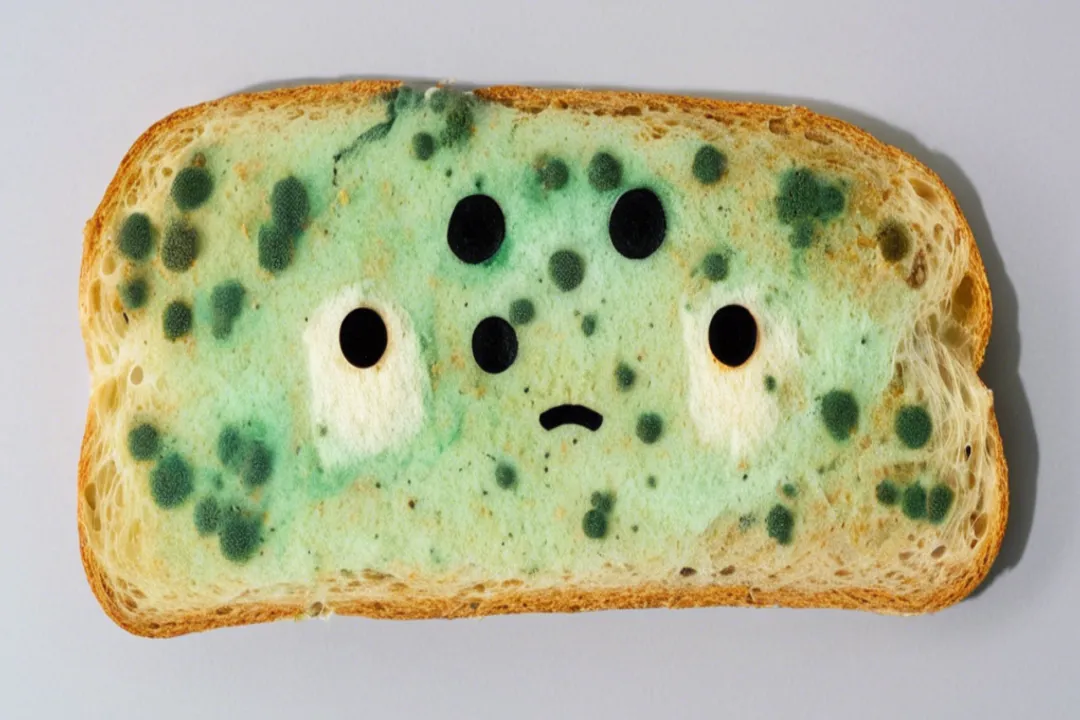
Food quality decline is an unavoidable reality for nearly everything we purchase or harvest, leading to eventual waste if not managed correctly. [2] When we talk about food spoiling, we are discussing the point where the food becomes unacceptable to eat, whether due to changes in sensory qualities like taste, smell, or texture, or because it has become unsafe. [8] Understanding the mechanisms driving this decline is key to extending shelf life and minimizing loss, a concern addressed by organizations like the USDA. [4] Fundamentally, food spoilage can be sorted into three broad categories based on the source of the deterioration: changes driven by living organisms, changes caused by chemical reactions within the food itself, and changes resulting from external physical forces. [2][3] Each type operates under different environmental triggers and requires a distinct approach for mitigation.
# Microbial Growth
The most commonly recognized cause of food spoilage involves the proliferation of microorganisms, which are tiny living things that can break down food components for their own sustenance. [6][9] This category encompasses three primary culprits: bacteria, yeasts, and molds. [6]
Bacteria are single-celled organisms that multiply rapidly under favorable conditions, often through binary fission, doubling their population in very short periods. [6] Certain bacteria produce enzymes that can break down proteins, fats, and carbohydrates, leading to slime formation, off-odors, and discoloration in meats, dairy, and vegetables. [1][6] For instance, psychrotrophic bacteria, which thrive in cold temperatures, are often responsible for spoilage in refrigerated foods. [6] The presence of these organisms is not always immediately detectable by sight or smell, making them particularly insidious agents of spoilage. [6]
Yeasts are single-celled fungi that typically cause spoilage in foods with high sugar or acid content, such as fruit juices, jams, and jellies. [9] They are characterized by their ability to ferment sugars, which produces alcohol and carbon dioxide gas, often resulting in bubbling, foaming, or an alcoholic off-flavor. [9] While yeasts are generally easier to detect than many bacteria because of their visible effects, their presence signifies that the food's structure and taste profile are fundamentally altered. [9]
Molds are multicellular fungi that are often visible as fuzzy growth on the surface of foods like bread, cheese, or old produce. [9] They are particularly adept at growing in less moist environments compared to bacteria. [6] Molds can degrade food through the secretion of exoenzymes, and more dangerously, some species produce mycotoxins, which are poisonous substances harmful to humans and animals. [6] The ability of molds to grow across a wider range of environmental conditions, including slightly drier ones than bacteria prefer, makes them a persistent problem in storage. [6]
The conditions necessary for microbial spoilage—known as the "Big Four" environmental factors—are temperature, water activity (moisture content), pH (acidity/alkalinity), and oxygen availability. [6] Controlling any one of these can significantly slow down or halt spoilage. [6]
# Chemical Changes
Unlike microbial spoilage, chemical spoilage refers to the degradation that occurs within the food matrix itself due to inherent chemical reactions, often accelerated by factors like enzymes, light, or exposure to oxygen. [3] These changes can alter the nutritional value and sensory appeal of food even in a sterile environment devoid of microbes. [1]
# Enzymatic Activity
Enzymes are biological catalysts naturally present in all living tissues, including fruits and vegetables, and they remain active even after harvest, continuing to drive ripening and eventual deterioration. [3] One of the most common examples is enzymatic browning, which occurs when the enzyme polyphenol oxidase reacts with phenolic compounds in the presence of oxygen, turning the cut surfaces of apples, potatoes, or avocados brown. [3] Another significant chemical process is rancidity caused by lipolytic enzymes breaking down fats (lipids) into free fatty acids, leading to soapy, bitter, or stale flavors and odors in high-fat foods like oils or nuts. [3] Managing these reactions usually involves deactivating the enzymes, often through heat (blanching) or by controlling oxygen exposure.
# Non-Enzymatic Reactions
Beyond enzyme action, other non-biological chemical processes contribute to spoilage. Oxidation is a prime example, particularly affecting vitamins and fats. [3] Exposure to light and oxygen can degrade light-sensitive nutrients and cause the development of stale, paint-like, or metallic off-flavors in fats and oils. [1][3] This is why opaque, airtight packaging is frequently recommended for sensitive items. Another chemical pathway is the Maillard reaction, which is generally desirable during cooking (creating desirable brown colors and flavors), but when occurring slowly under mild heat over long storage periods, it can lead to undesirable browning and the loss of essential amino acids in foods like powdered milk or stored grains. [3] While the Maillard reaction is key to the flavor development in roasted coffee or baked bread, its unintended continuation in storage degrades quality. [3]
# Physical Deterioration
The third main type of spoilage involves physical changes that compromise the food's texture, appearance, or structural integrity without necessarily involving microbial or significant chemical breakdown. [3] While these changes might not always render the food immediately unsafe, they drastically reduce consumer acceptability. [2]
Moisture movement is a critical aspect of physical spoilage. Dehydration in one area of a product while another area gains moisture leads to significant texture changes. [3] A classic manifestation is freezer burn, which occurs when moisture sublimates from the surface of frozen food due to improper packaging that allows air contact. This results in tough, dry, leathery patches on the food's exterior. [3] Conversely, moisture migration in baked goods leads to staling, where the starch molecules retrograde, making the product hard. [3]
Other forms of physical damage include crushing or bruising, especially common in fruits and vegetables during transport and handling, which creates entry points for subsequent microbial invasion. [1] Temperature fluctuations are also a physical stressor; for instance, chilling injury in tropical produce like tomatoes or bananas can cause pitting, discoloration, and texture loss even above freezing temperatures. [3]
# Categorical Comparison
It is useful to distinguish how these three types manifest. Microbial spoilage is often characterized by active growth, visible mold, slime, or foul odors related to metabolic byproducts. [6] Chemical spoilage is more subtle initially, involving gradual changes in color (browning, fading), flavor (rancidity), or nutritional content. [3] Physical spoilage relates directly to structure—toughness, dryness, softening, or breakage. [3]
| Spoilage Type | Primary Agent | Key Sensory Indicator | Speed of Manifestation |
|---|---|---|---|
| Microbial | Bacteria, Yeast, Mold | Slime, off-odors, visible fuzz, gas production [6] | Can be rapid, dependent on conditions |
| Chemical | Enzymes, Oxygen, Light | Color change (browning), stale/soapy flavor [1][3] | Gradual to moderate |
| Physical | Moisture movement, Force | Toughness, dryness (freezer burn), bruising, thawing damage [3] | Varies based on handling/storage |
A crucial observation when dealing with spoiled food is that these categories rarely act in isolation; they frequently overlap and accelerate one another. [1] For example, a simple physical event, like a bruise on an apple, breaches the protective skin barrier, creating a moist, nutrient-rich environment that becomes an ideal starting point for bacterial or mold colonization—a clear interaction between physical and microbial spoilage. [1] Similarly, chemical breakdown of fats via lipolysis (chemical spoilage) can produce compounds that lower the pH, potentially favoring the growth of certain acid-tolerant bacteria or yeasts. Considering this interplay is key to effective preservation.
# Control Strategies
Preservation science revolves around disrupting one or more of these three spoilage pathways. While temperature control is universally effective, specific techniques target distinct mechanisms. For microbial control, freezing, drying (reducing water activity), canning (heat sterilization and sealing), and using chemical preservatives like salt or sugar all aim to create an environment hostile to microbial life. [6] Drying out a food item, for instance, inhibits microbial growth by lowering the a_w (water activity) necessary for their metabolic functions. [6]
To manage chemical deterioration, particularly enzymatic activity and oxidation, controlling the atmosphere is vital. This means employing techniques like vacuum packing or the addition of inert gases like nitrogen to displace oxygen, which minimizes fat oxidation and the activity of oxygen-dependent enzymes. [1] Another approach is blanching vegetables before freezing, which uses brief exposure to hot water or steam to denature (inactivate) native enzymes without fully cooking the product, thus halting the chemical processes that cause off-flavors during long-term storage. [3]
For physical protection, the focus shifts to packaging integrity and handling protocols. Proper wrapping prevents moisture loss (freezer burn) by blocking air exchange. [3] Educating handlers on gentle stacking methods and using appropriate containers for delicate items like berries or soft vegetables directly mitigates crushing injuries that open the door for the second wave of spoilage: microbial attack. [4] An insightful practice often overlooked in home settings is prioritizing consumption based on vulnerability. Produce that bruises easily (physical vulnerability) or has high enzyme activity (chemical vulnerability, like avocados) should generally be consumed first after purchase, even before items that only show signs of slow microbial aging, assuming all items were stored equally well immediately after purchase.
By understanding food as a system susceptible to these three distinct modes of failure—microbial invasion, inherent chemical breakdown, and physical damage—we gain a more nuanced approach to food handling that goes beyond simple refrigeration. Addressing the structural integrity (physical), managing internal chemistry (chemical), and excluding external contaminants (microbial) offers a multilayered defense against the unavoidable march toward waste. [2][8]
Related Questions
#Citations
Food Spoilage: Causes, Types, and Prevention Methods
Food spoilage - Wikipedia
8.1.1: Food Spoilage - Medicine LibreTexts
Protecting Your Family from Food Spoilage - USDA
[PDF] Frequently Asked Questions: 1. Define food spoilage? Ans
[PDF] Microbial Food Spoilage — Losses and Control Strategies
Food spoilage Flashcards - Quizlet
Definition, Causes, and Prevention of Food Spoilage
Microbial Food Spoilage- Types of microorganisms with examples