What is the easiest way to recognize food spoilage?
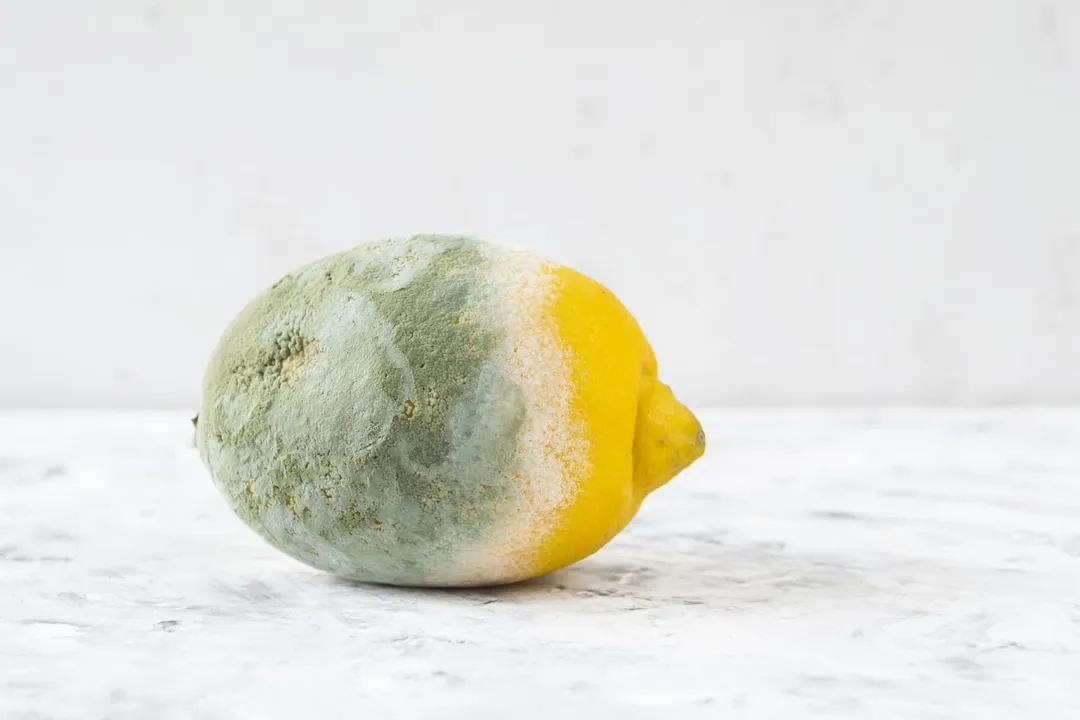
The most straightforward path to determining if food has turned bad relies on engaging your primary senses: smell, sight, and touch. These instinctive checks are the first line of defense against consuming something that could make you ill, as spoilage often announces itself loudly through unmistakable physical changes. [3][5] While dates on packaging offer guidance, they are often just estimates of peak quality, whereas your senses provide real-time data about the current state of the item in your hand. [1]
# Sensory Checks

The nose is perhaps the most immediate alarm system when it comes to spoiled food. A sour, rancid, or generally "off" odor is a strong signal to discard the item immediately. [5] Many types of spoilage, particularly those caused by bacteria, produce volatile organic compounds that we detect as unpleasant smells. [7] For instance, milk that is turning sour releases specific organic acids that create that recognizable pungent scent. [1] If you detect an unusual smell, even if the food looks fine otherwise, the safest action is to throw it out rather than risk illness. [5]
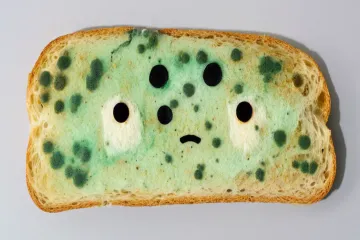
Visually inspecting food reveals a host of clues. Mold is the most obvious sign, presenting as fuzzy spots of blue, green, white, or black growth. [5][1] Beyond mold, look for discoloration that isn't typical for the food; for example, meat that turns grey, brown, or develops a greenish tint signals deterioration. [1][3] Dairy products might show separation or unnatural color changes. [1] For fruits and vegetables, look for sliminess, unusual wetness, or signs of shriveling that go beyond normal wilting. [5][3] Pay special attention to liquids, where cloudiness or sliminess in sauces or juices is a clear indicator that microorganisms are active. [1]
Finally, texture provides critical feedback. If a food item feels slimy, sticky, or excessively mushy when it shouldn't be, it’s likely past its prime. [5][3] Meats and poultry that feel sticky or tacky to the touch are showing signs of bacterial buildup. [1] For produce like lettuce or soft fruits, if they feel significantly softer or mushier than expected, the cellular structure is breaking down, often accelerated by microbial action. [7]
# Bacterial Indicators

While mold is easy to spot, bacterial spoilage is often more insidious because it might not present with an obvious smell or visual cue right away, particularly in the early stages. [9] Bacterial contamination, especially with pathogenic bacteria like Salmonella or E. coli, is a primary concern for food safety, and recognizing these subtle signs is crucial. [2]
One key indicator, particularly in raw foods like meat, is the development of a sticky or slimy film on the surface, as mentioned previously. [1][9] This slime is often a biofilm created by growing bacteria. [9] Another significant sign associated with bacterial activity is gas production. [9] If you notice a sealed container, like a jar or a plastic package, that appears bloated or swollen, it suggests that microbes inside are metabolizing the food and releasing gases as a byproduct. [9] This swelling is a serious warning sign, especially in home-canned goods where it can indicate dangerous botulism growth. [6]
A helpful, though less universally applicable, indicator is the pH change associated with certain spoilage. For instance, lactic acid bacteria in dairy products create acid, lowering the pH and causing souring, which we smell. [7] For handlers needing a deeper level of certainty, one technique involves observing how food reacts when introduced to water; pathogenic bacteria can sometimes cause food surfaces to appear dull or change their overall physical texture in ways that standard spoilage might not. [2] However, for the home cook, focusing on the established sensory benchmarks remains the easiest and quickest method for general recognition. [3]
# Specific Food Checks
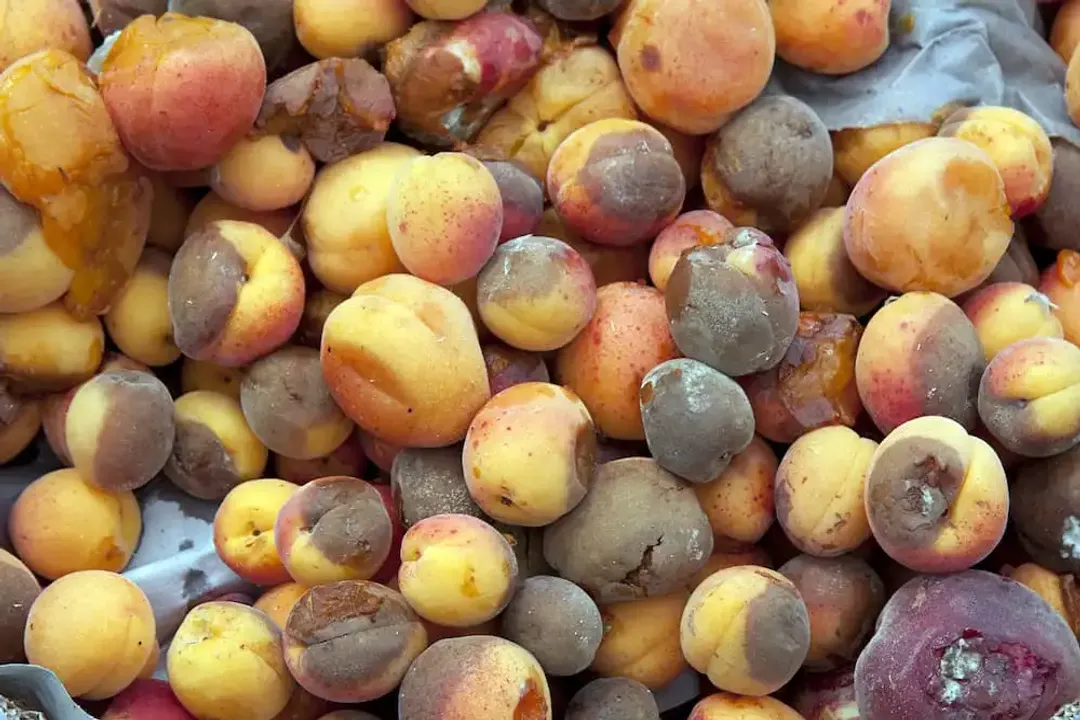
Different categories of food exhibit spoilage in unique ways, requiring tailored inspection methods.
# Dairy Products
Milk that has soured will often separate, showing clumps or curds floating in a watery liquid. [1] Yogurt or sour cream that develops a distinctly sharp, acrid smell or shows mold growth on the surface should be discarded. [5] Cheese, particularly soft cheeses, may exhibit mold growth, discoloration, or an unusually strong, ammonia-like odor. [1]
# Meat and Poultry
Fresh, safe meat should have a consistent color—bright cherry red for fresh beef, for example—and a mild, almost metallic scent. [1] Spoilage is signaled by a gray or greenish hue, or the development of that sticky surface film mentioned earlier. [1][3] Any strong, sour, or foul odor means the meat has spoiled beyond safe consumption. [5] It is a common misunderstanding that if meat is only slightly discolored, merely trimming the edge will make it safe; this is rarely true, as bacteria can penetrate the entire cut. [9]
# Produce Safety
For fruits and vegetables, the indicators are often related to moisture and decomposition. Fruits that are excessively soft, leaky, or showing evidence of fermentation (a slightly alcoholic smell) are spoiling. [5][7] Root vegetables might become soft or sprout in unusual ways. [3] When in doubt with produce, particularly if only a small spot is moldy, cutting away a significant margin around the visible mold is necessary, though soft, high-moisture items like berries or tomatoes should usually be tossed entirely if mold is present because the contamination is likely deeper than it appears. [1]
# Examining Canned Foods
Home-canned goods introduce a specialized, high-stakes spoilage check due to the potential for Clostridium botulinum, which produces a deadly toxin. [6] The easiest and most critical way to detect spoilage here is by checking the seal and the physical integrity of the container. [6]
Look for these unmistakable warning signs in jars:
- Lid Bulging: The center of the lid should be concave or flat. If it is bulging upward, gas production is occurring inside. [6]
- Leaking: Any evidence of liquid seeping from the seal area is a failure. [6]
- Pressure/Stiffness: A seal that feels extremely rigid or pressurized when lightly touched is dangerous. [6]
- Foaming or Bubbling: If the contents bubble when the jar is opened, spoilage is present. [6]
If any of these signs are present, do not taste the food. [6] Even if the seal seems intact, a foul odor, cloudiness, or unusual spurting when opening an older home-canned item indicates potential botulism or other severe spoilage, requiring immediate, safe disposal. [6]
# Beyond the Immediate Sensory Test
While your senses are fast, there are contextual clues that support your assessment. A good practice, which moves slightly beyond just the immediate easiest check, is tracking storage time. Knowing how long an item has been in the refrigerator or pantry helps calibrate your expectations. [8] For example, while many foods are safe past their printed date, prolonged storage increases the probability of microbial activity. [7]
It is important to remember that bacteria causing foodborne illness often do not change the food's appearance, smell, or taste. [2] This is the critical differentiator between spoilage—which generally makes food unpleasant or ill-tasting—and contamination by dangerous pathogens. [2] Spoilage organisms grow relatively quickly and cause visible/olfactory changes, but pathogens can multiply silently in foods that still appear and smell acceptable, especially within the temperature danger zone (between 40°F and 140°F or 4°C and 60°C). [9][7]
When considering leftovers, a simple rule of thumb is to treat anything refrigerated for more than three or four days with extreme caution, even if it looks okay, because slower-growing bacteria may already be present. [8] Instead of relying solely on whether it looks spoiled, consider whether it has been stored too long under marginal conditions. If you are storing food in bulk, implementing a First In, First Out (FIFO) system, where older items are moved to the front, minimizes the chance that food will be forgotten until it reaches the stage where spoilage is undeniable. [8] This proactive approach reduces reliance on the last-minute sensory check when urgency is high.
Another angle to consider is the source of the spoilage. Food spoilage is fundamentally caused by the growth of microorganisms like bacteria, yeasts, or molds, or by enzymatic changes within the food itself. [7] Understanding this underlying cause helps explain why you see what you see. For example, sliminess points toward bacterial action, while excessive wetness and breakdown in fruit often involve natural enzymes speeding up decomposition, sometimes aided by yeast fermentation. [7] Being aware of this distinction means you know that a sour smell usually equals bacteria, but a slightly alcoholic fizz might mean yeast fermentation has begun, rendering the food unsuitable for consumption. [5]
Ultimately, the easiest way is the sensory audit—smell, sight, touch—but the safest way combines that audit with an awareness of the invisible threat: pathogens that require strict time and temperature controls to manage. [2][9] When you encounter any strong, unusual odor, fuzzy growth, or sticky texture, the safest call is always to reject the food, saving your senses for when the indicators are less obvious. [3][5]
Related Questions
#Citations
Signs of Food Spoilage - Penn State Extension
What Is the Easiest Way to Recognize Food Contaminated with ...
The 3 Ways to Identify Spoiled Food - HUBERT.com
What is the easiest way to recognize foods contaminated ... - Brainly
6 Ways to Identify Spoiled Food - Taste of Home
How to Detect Spoilage in Home-Canned Foods - Dummies.com
Get to know the causes of food spoilage - MSU Extension
How to Prevent Food Spoilage | Signs, Causes & 10 Tips
Identifying Bacterial Spoilage: Key Indicators and Prevention ...