How do dangerous pathogens differ fundamentally from spoilage organisms regarding sensory detection?
Answer
Pathogens can multiply silently in food that still appears and smells acceptable.
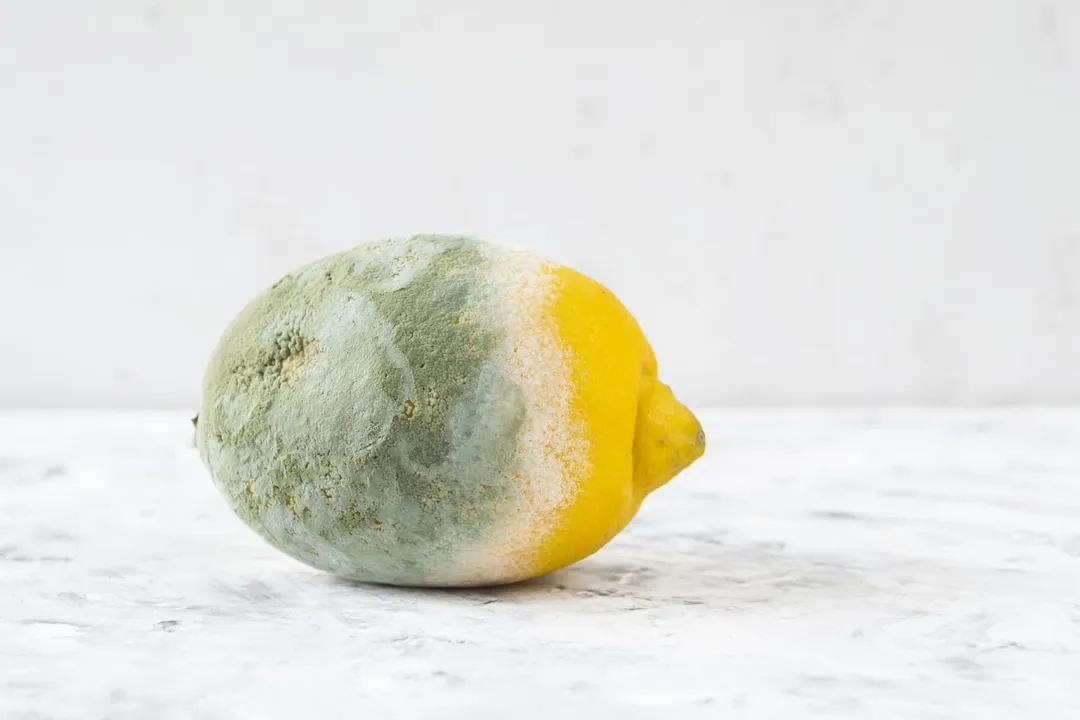
The most critical difference in food safety lies between spoilage organisms and pathogenic bacteria. Spoilage organisms, such as many yeasts and molds, grow relatively quickly and cause changes that make the food unpleasant—manifesting as visible mold, sour smells, or textural breakdown. However, dangerous pathogens, including *Salmonella* or *E. coli*, are insidious because they can multiply significantly within the temperature danger zone (40°F to 140°F) without causing any noticeable changes to the food's taste, appearance, or odor. This means food can look and smell fine but still pose a severe risk of foodborne illness.
Related Questions
Why are immediate sensory checks like smell and sight better than packaging dates for assessing food safety?What physical indication in a sealed container like a jar suggests active microbial metabolism?What specific visual change in meat indicates deterioration beyond fresh consumption standards?What is the high-stakes danger associated with *Clostridium botulinum* in home-canned goods?How do dangerous pathogens differ fundamentally from spoilage organisms regarding sensory detection?What specific physical presentation defines spoiled milk when visual inspection is performed?What temperature range constitutes the danger zone where pathogens multiply rapidly?What organizational system is recommended for bulk food storage to reduce reliance on late sensory checks?What structural feature on raw meat surfaces points specifically to bacterial colonization?What is the primary physical indicator related to the seal integrity of a home-canned jar signaling danger?