What is the primary pathogen that dictates the need for pressure canning in low-acid foods?
Answer
*Clostridium botulinum*
Any preservation technique for shelf-stable products must prevent the growth of dangerous pathogens, most notably *Clostridium botulinum* in low-acid foods, which requires the higher temperatures of pressure canning.
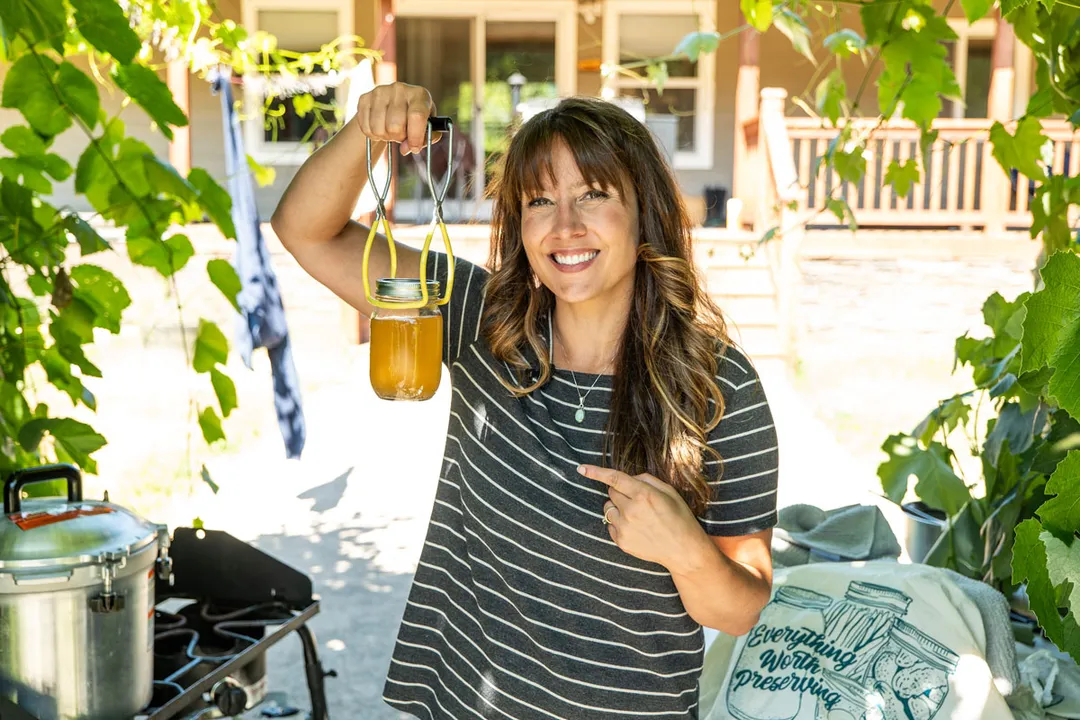
#Videos
6 Food Preservation Projects – From Fresh Food to Shelf-Stable ...
Related Questions
What is the primary pathogen that dictates the need for pressure canning in low-acid foods?Which quality is freezing generally superior at retaining compared to canning?What is a major nutritional trade-off associated with the high heat required for traditional canning?What is the main advantage of dehydration as a preservation method for long-term storage?How does lactic acid fermentation uniquely contribute to nutritional value during preservation?How does the energy requirement for freezing compare to canning over a multi-year period?Which processing method is typically sufficient for preserving high-acid foods like many fruits?If the primary concern is texture and flavor retention for consumption within a year, which method is recommended?What is the consensus among preparedness advocates regarding reliance on a single food preservation method?What step is necessary before freezing some vegetables to prevent nutrient loss due to enzymatic action?