What Indian food is best for weight loss?
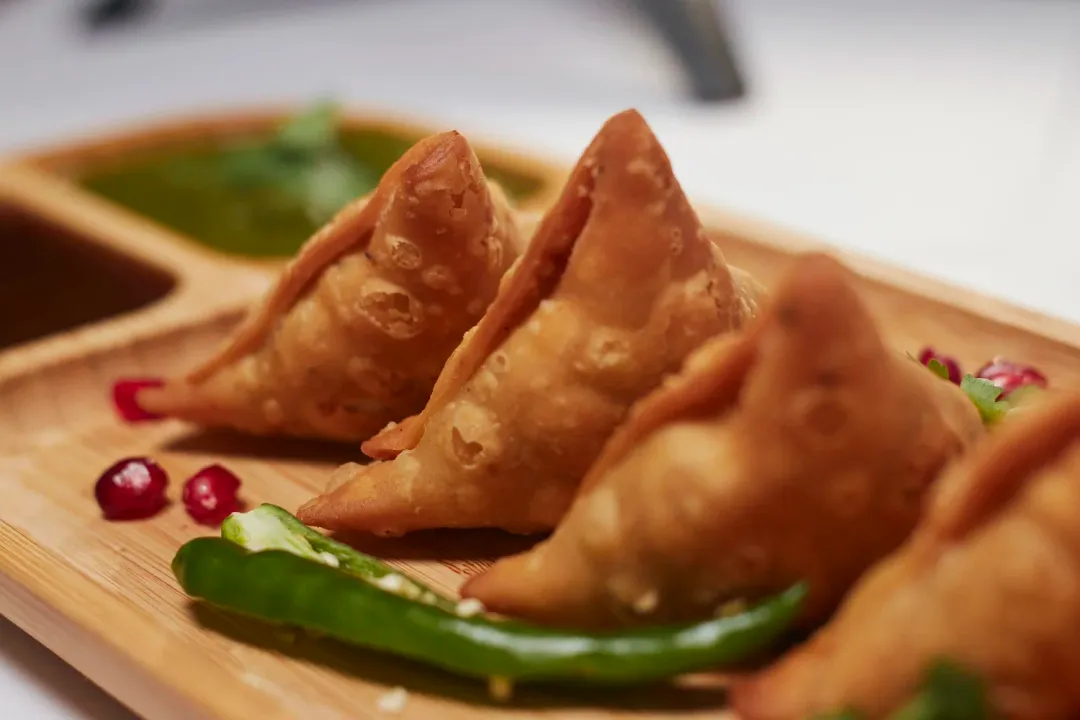
The notion that Indian food, with its rich curries and deep-fried snacks, is inherently an obstacle to weight management is a common, yet often misplaced, concern. Many people who have experienced the vast culinary landscape of India, from the heavy ghee-laden Mughlai dishes to the lighter South Indian staples, carry an impression that might not reflect the healthiest versions of this cuisine. [2] In reality, traditional Indian cooking relies heavily on vegetables, lentils, legumes, and spices—ingredients that are exceptionally beneficial for anyone looking to shed pounds or maintain a healthy weight. [1][4] The key to success lies not in abandoning the cuisine, but in making informed choices about preparation methods, portion sizes, and the specific dishes consumed. [1]
# Diet Foundations
Understanding the basic building blocks of an Indian diet is the first step toward making it weight-loss friendly. The foundation should center on fiber-rich carbohydrates and adequate protein intake. [1] For many, the staple is roti (whole wheat flatbread) or rice. When managing weight, the type and quantity of these items matter significantly. [3] Opting for whole wheat roti over refined flour (maida) versions like naan is a smart move because whole wheat offers more fiber, which aids satiety and digestion. [1][3] Similarly, choosing brown rice or millets like jowar or bajra over white rice can stabilize blood sugar levels more effectively, preventing energy crashes that often lead to overeating. [1]
Protein intake, often derived from dal (lentils) and various legume preparations, is crucial because it helps build lean muscle mass and keeps you feeling full longer. [1] If you are building a daily chart, ensuring that every major meal incorporates a significant source of protein from vegetarian or non-vegetarian options is vital. [8] For instance, incorporating paneer (in moderation due to fat content), eggs, chicken, or fish alongside dal provides a more balanced macronutrient profile than relying solely on carbohydrate-heavy sides. [8]
A vital consideration often overlooked in restaurant settings is the use of fats. Many restaurant preparations use copious amounts of ghee or oil to enhance flavor. [3] A practical analysis reveals that simply swapping out one portion of aloo paratha (stuffed flatbread, typically pan-fried with oil/ghee) for two plain, thin whole wheat rotis can easily save 100 to 150 calories per meal, primarily by reducing added fat, without sacrificing the carbohydrate base needed for energy. [7] This simple reduction in fat content during daily cooking, rather than wholesale elimination of favorite foods, is a sustainable strategy. [3]
# Meal Selections
Structuring your day around traditional Indian meal patterns, but with mindful modifications, yields excellent results. [1][8] What you choose for breakfast sets the tone for the entire day. [8]
# Morning Fuel
For breakfast, options like idli, dosa, or poha are popular, but their health profile depends entirely on preparation. [1] Small, steamed idlis are low in calories and high in energy, provided they are not drenched in high-fat sambar or coconut chutney. [1][3] Poha, made from flattened rice, can be a decent choice, but heavy additions of potato or excessive oil during tempering will derail weight loss efforts. [4] A superior alternative, often featuring high fiber and protein, might be moong dal cheela (savory lentil pancake) or a bowl of plain yogurt mixed with chopped fruits and nuts. [4][5]
# Midday Intake
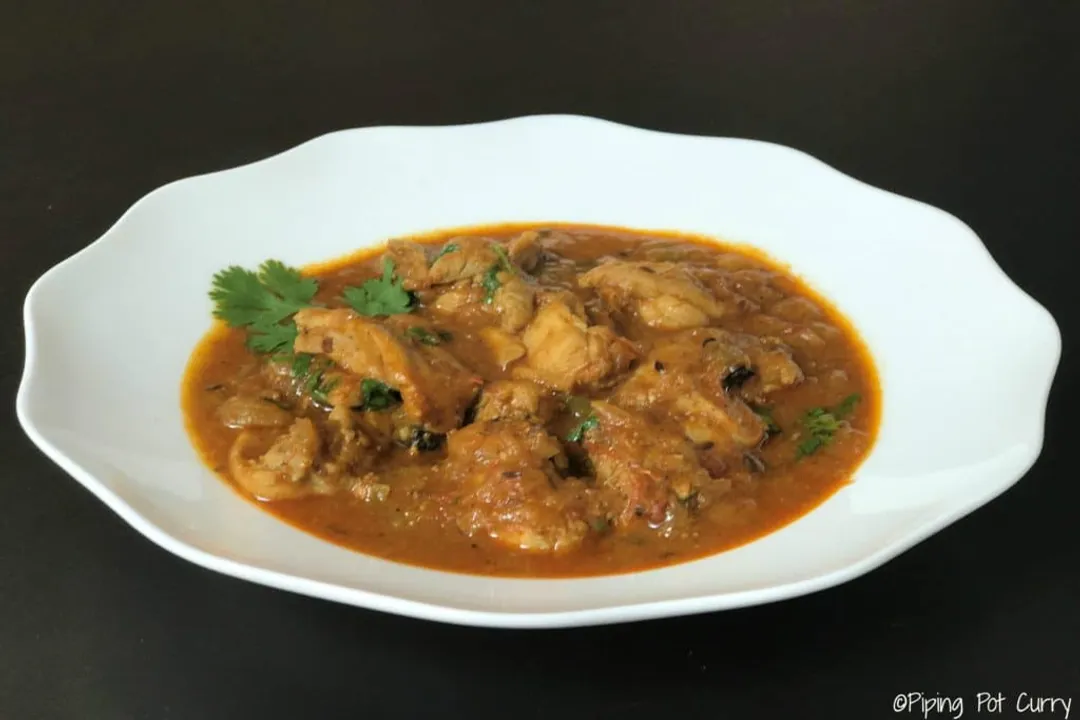
Lunch is often the largest meal of the day. The structure here should prioritize vegetables and protein over starches. [8] A plate that dedicates half the space to vegetable sabzi (cooked vegetables), one-quarter to a lean protein source (dal, chicken curry, or fish), and the remaining quarter to a complex carbohydrate (one roti or a small bowl of brown rice) is an ideal model. [8] Avoid pairing multiple heavy starches, such as having both roti and rice in the same sitting. [3]
# Evening Finish
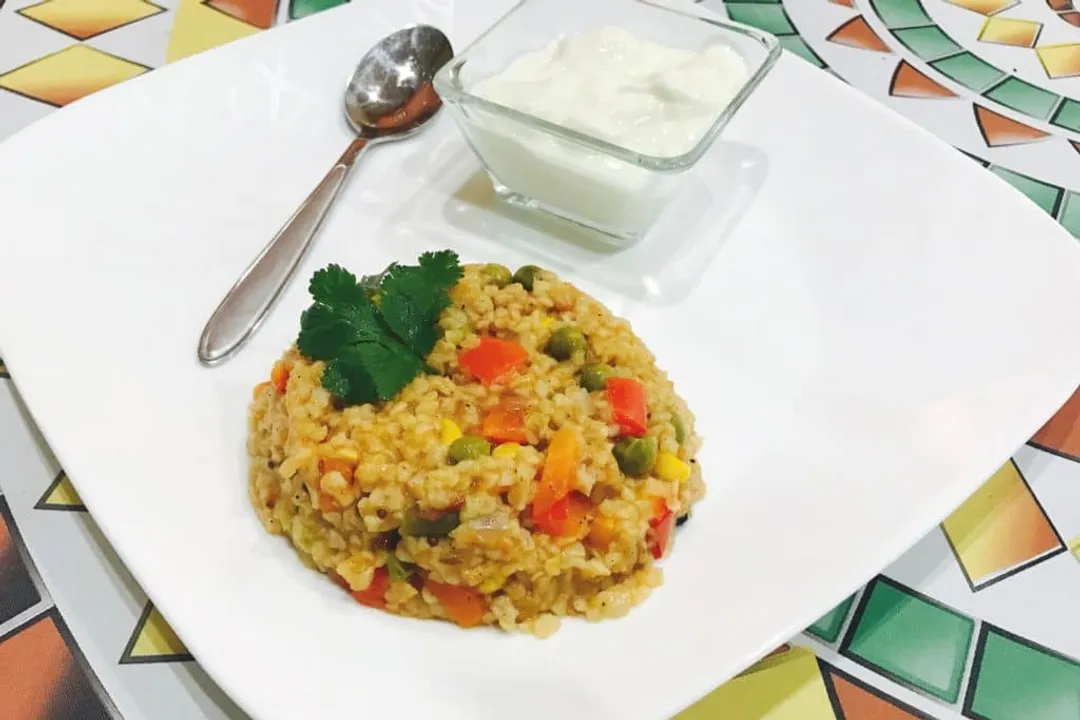
Dinner should generally be the lightest meal, focusing on easily digestible, high-protein items. [1][8] Soups and lighter lentil preparations work well here. [4] A simple vegetable khichdi made with minimal ghee and lots of vegetables, or a plain grilled piece of fish/chicken seasoned with Indian spices, is often recommended over heavy, creamy gravies or fried items like pakoras. [1][6]
When considering specific vegetable preparations, choose those that rely on water or light steaming rather than deep frying or heavy cream bases. [1] For example, a simple bhindi (okra) fry made with minimal oil and tempered with cumin and turmeric is much better than rich kofta or malai (cream) based dishes. [6]

# Healthy Swaps
Making direct ingredient or dish substitutions is perhaps the fastest way to reduce daily calorie intake without feeling deprived of familiar flavors. [7] Here are several high-impact changes:
| Traditional Item | Weight Loss Swap | Calorie/Nutrient Impact | Source |
|---|---|---|---|
| White Rice | Brown Rice or Millets (e.g., Jowar, Bajra) | Higher fiber, better glycemic control | [1] |
| Full-Fat Dairy/Cream | Skim Milk Yogurt or Buttermilk (Chaas) | Lower saturated fat, good probiotics | [7] |
| White Flour (Maida) Naan | Whole Wheat Roti (Tawa-cooked) | Increased fiber, reduced refined carbs | [3][7] |
| Deep-Fried Samosa/Pakora | Baked/Air-Fried Snacks or Moong Dal Cheela | Drastically reduced fat absorption | [4][6] |
| Rich Gravy Curries (Malai Kofta) | Tomato/Onion based curries or Dal Tadka | Reduced saturated fat and calories | [1][3] |
One highly effective, yet often overlooked, swap involves the cooking medium itself. [7] If a recipe traditionally calls for ghee or oil for tempering (tadka), try replacing half the amount with vegetable broth or water until the spices bloom. [7] This technique still allows the spices to release their essential oils for flavor without adding excessive empty calories from fat. This adjustment requires a slightly lower heat setting to prevent scorching, but the flavor payoff is substantial for the calorie saved. [7]
Another area for substitution is in the raita (yogurt side dish). Instead of using full-fat yogurt, switch to low-fat or non-fat yogurt and add more chopped cucumber, mint, or finely grated carrots for bulk and texture, rather than relying on fat for creaminess. [7]
# Spice Power
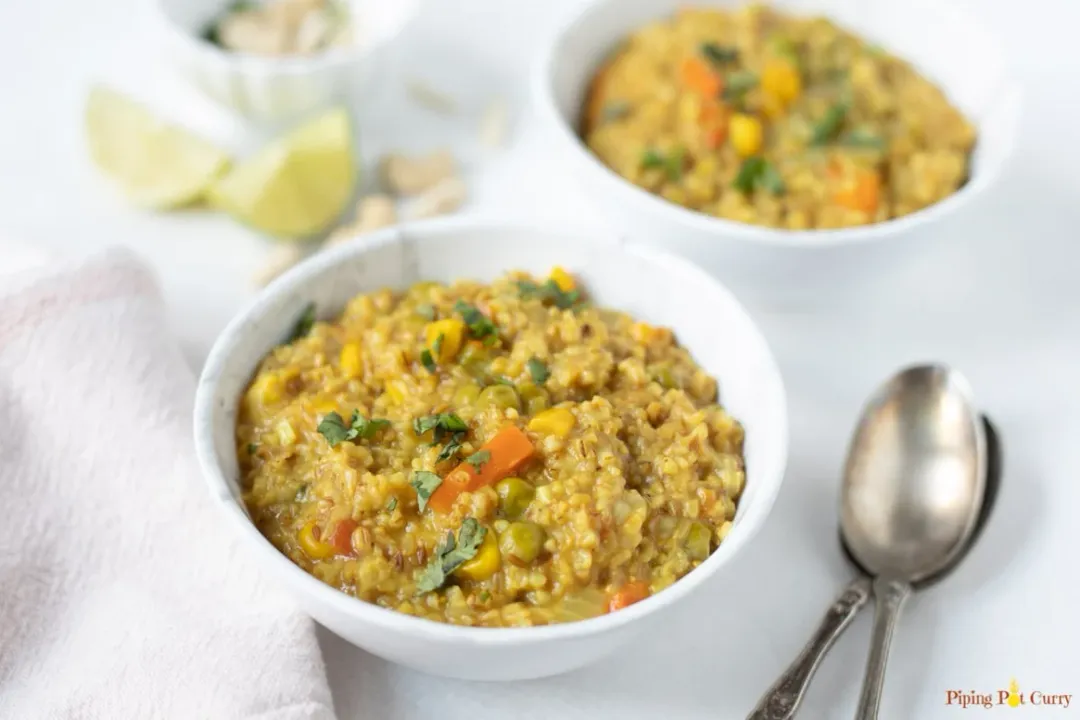
The arsenal of spices native to Indian cooking is a secret weapon for weight management that often gets overshadowed by discussions about carbohydrates and fats. [1] Turmeric, cumin, coriander, and chili peppers are not just flavor enhancers; they possess properties that can support metabolism and digestion. [1]
- Turmeric: Contains curcumin, which is studied for its anti-inflammatory effects, potentially aiding in managing inflammation linked to weight gain. [1]
- Chili Peppers: Contain capsaicin, which can temporarily boost metabolism and reduce appetite. [1]
- Cumin and Fenugreek: These seeds are traditionally used to aid digestion, ensuring that the body processes food efficiently. [1]
By increasing the quantity of these spices in your daily dal, sabzi, or even in your marinades for grilled proteins, you naturally enhance the flavor profile without adding significant calories, salt, or fat. [1] This means you can enjoy simpler, less creamy preparations and still experience complex taste satisfaction.

# Dining Out
Navigating an Indian restaurant menu while dieting presents specific challenges, mainly due to hidden fats and refined flours. [5] The primary strategy when eating out is to prioritize grilled, tandoori, or dry-roasted items over anything described as korma, bhuna, tikka masala, or malai. [5]
When looking at appetizers, skip the deep-fried samosas and opt instead for tandoori appetizers like tandoori aloo (potatoes cooked in the clay oven) or tandoori chicken—even the chicken should be eaten without the accompanying creamy sauce if possible. [5] For the main course, Tandoori Fish or Chicken Tikka (the dry, grilled variety, not the creamy curry) are excellent high-protein choices. [5] If you must have a curry, ask for it to be made with minimal oil or cream, perhaps choosing a simple tomato-based preparation like Rogan Josh (if the oil skim is manageable) or a plain dal tadka over a rich Korma. [5]
When ordering bread, stick to one plain, thin whole wheat roti cooked on a tawa (griddle) rather than naan or bhatura. [5] If rice is preferred, request steamed or plain brown rice over pulao or biryani, which often contain added ghee and heavier cuts of meat. [5] A helpful technique to employ, which requires direct communication, is asking the server if the dal or vegetable dish can be prepared with only a light tadka made from just a teaspoon of oil, rather than the usual heavy base. [5]
# Regional Balance Insight
One insight gained from observing diverse Indian eating habits is the importance of regional context in weight management. Many believe dosa and idli from the South are universally healthy staples, but traditional South Indian meals often involve large amounts of rice flour, coconut oil in the sambar, and rich coconut chutneys. [1] Conversely, staple meals from North or West India relying on bajra or jowar roti (millets) combined with dal and raita are inherently higher in fiber and lower on the glycemic index than an all-rice plate. [1] Therefore, when planning a week's worth of meals, consciously rotating between Northern, Western, and Eastern staples—ensuring millet-based breads feature at least three times a week—can offer superior, sustained energy compared to defaulting to white rice and cream-based dishes daily, regardless of portion size. [8]
# Calorie Control Checklist
For those who prefer a more structured approach, a diet chart template can be helpful, though specifics must be tailored to individual needs (like calorie requirements for men versus women). [8] The consistent theme, however, is balance and small portions of high-density items. [8]
Here is a simplified structure emphasizing low-calorie, high-volume foods:
- Hydration First: Begin the day with warm water, possibly with lemon, which is better than sugary drinks. [1]
- Protein Focus at Lunch: Ensure your main carbohydrate (roti/rice) is restricted to one serving, while the lentil/meat/paneer portion is generous. [8]
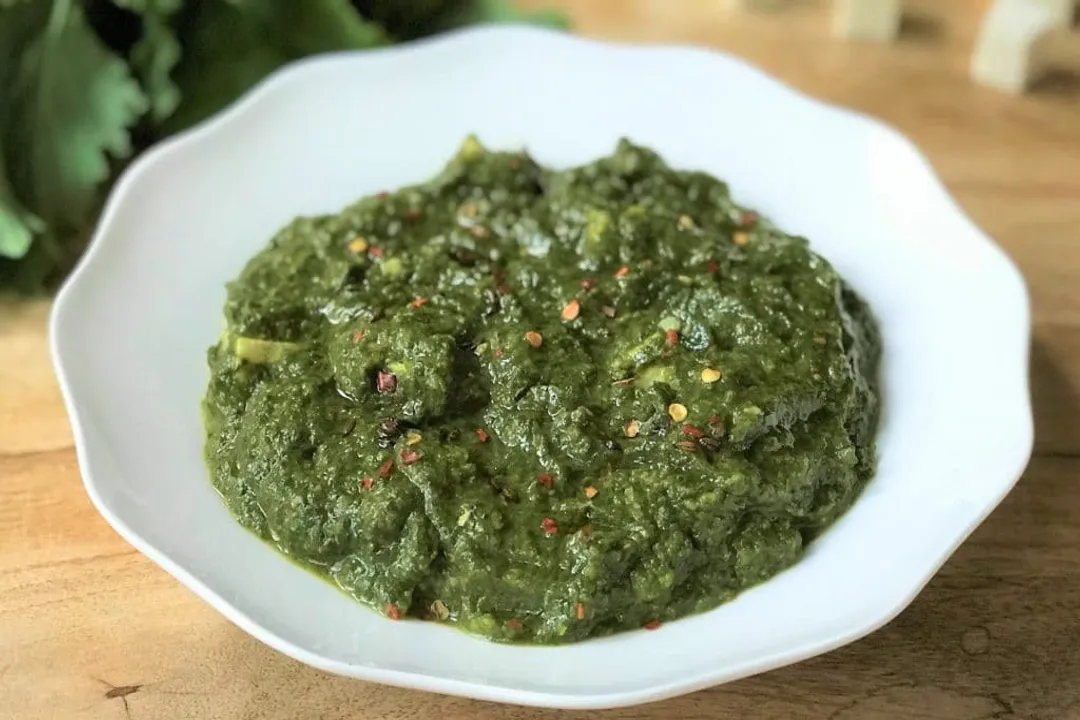
- Vegetable Volume: Always prioritize a large serving of non-starchy vegetables cooked simply (like spinach, gourds, or beans) to fill the stomach with low-calorie density food. [6]
- Snack Mindfully: Instead of fried snacks, opt for whole fruits, a handful of roasted chana (chickpeas), or buttermilk (chaas). [3]
A final, actionable piece of advice centers on the sabzi preparation technique. When cooking vegetables like cauliflower or potatoes, instead of sautéing them heavily in oil at the start, try a technique where you lightly coat them in spices and then cook them covered with just a splash of water in a heavy-bottomed pan until tender. This allows the vegetables to steam in their own moisture, often requiring less than half the usual oil while preserving nutrients. This method mimics the texture of a slightly dry stir-fry without the added fat, making everyday home cooking significantly more conducive to weight loss goals. [4] By implementing these smart substitutions, embracing the natural benefits of Indian spices, and being vigilant when dining out, the traditional Indian diet transforms from a perceived barrier into a powerful ally for achieving sustainable weight loss.[1][9]
Related Questions
#Citations
The Best Indian Diet Plan for Weight Loss - Healthline
Having sampled a wide range of world cuisines, I can strongly say ...
Indian Food: The Five Healthiest Dishes and Nine To Avoid - WebMD
25+ Indian Recipes for Weight Loss - Piping Pot Curry
Diet-Friendly Indian Restaurant Dishes You Have To Try
15 Indian Dinner Recipes for Weight Loss (2025 Edit)
My top 10 Indian food swaps - Three Pillars of Fitness
Indian Diet Plan for Weight Loss: Effective Food Charts
What is the lowest calorie Indian food? Is Indian food good ... - Quora