How to cook the best carrots?
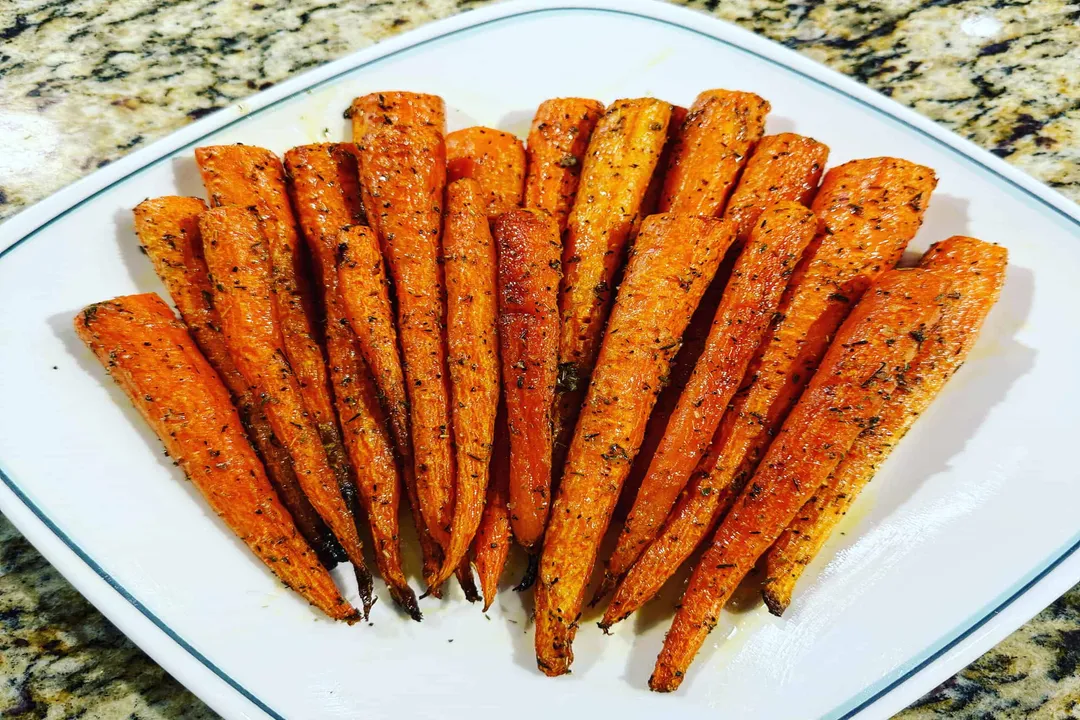
The secret to achieving truly exceptional cooked carrots isn't found in a single, complicated technique, but rather in understanding how heat interacts with their natural sugars and starches. Many people default to boiling them until they are mushy, which is a disservice to the vegetable’s inherent sweetness and texture. Whether you prefer them caramelized and slightly charred, or tender and coated in a sticky, sweet coating, the best approach depends entirely on the desired final result. [1][3]
# Choosing Carrots
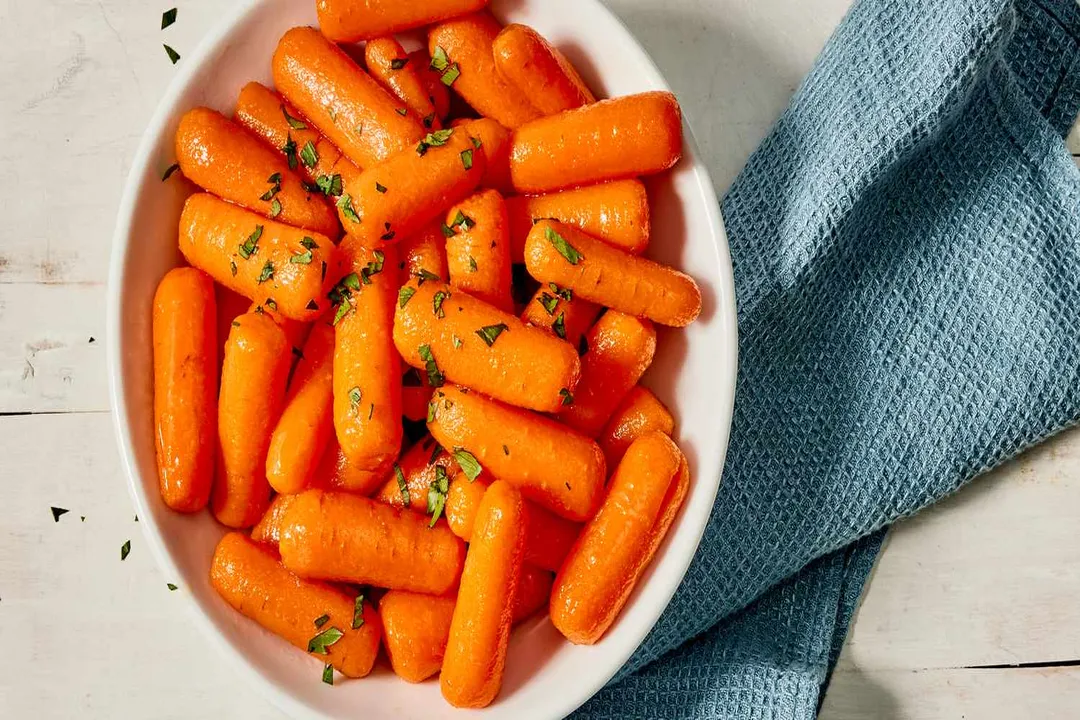
The journey to perfect carrots begins before the heat is even applied. While you can certainly cook the standard, smooth orange variety—often sold bundled or bagged—consider experimenting with different colors and sizes. Rainbow carrots, which include shades of yellow, white, and deep purple, often share the same great flavor profile as their orange counterparts, though their textures might vary slightly based on density. [3]
When preparing them, uniformity in size is paramount for even cooking, regardless of the method you select. [4] If you are roasting or sautéing, slicing them into pieces of roughly the same thickness ensures that no single piece ends up burnt while another remains raw in the center. For instance, if you decide to cut them into coins, aim for coins that are within a quarter-inch of each other in thickness. [1] If you are working with very large, thick carrots, cutting them in half lengthwise after peeling, or even into quarters, allows the heat to penetrate more quickly and evenly. [3]
Peeling is often recommended, as the skin can sometimes impart a slightly bitter flavor when cooked at high heat, especially during roasting. [3] After peeling, a quick rinse is essential. Here is a small tip: for methods that require a dry surface, like roasting, patting the carrots completely dry with a clean cloth or paper towel beforehand is a small step that yields better caramelization later on. If you skip this, the surface moisture will create steam, inhibiting the browning process. [4]
# High Heat Roasting
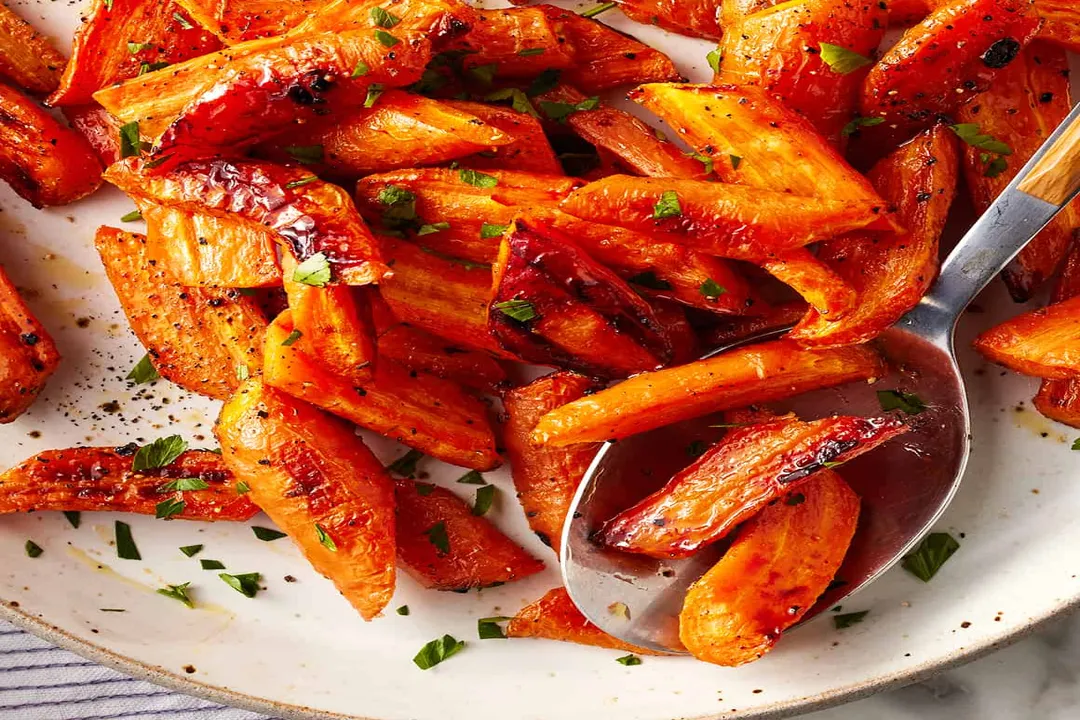
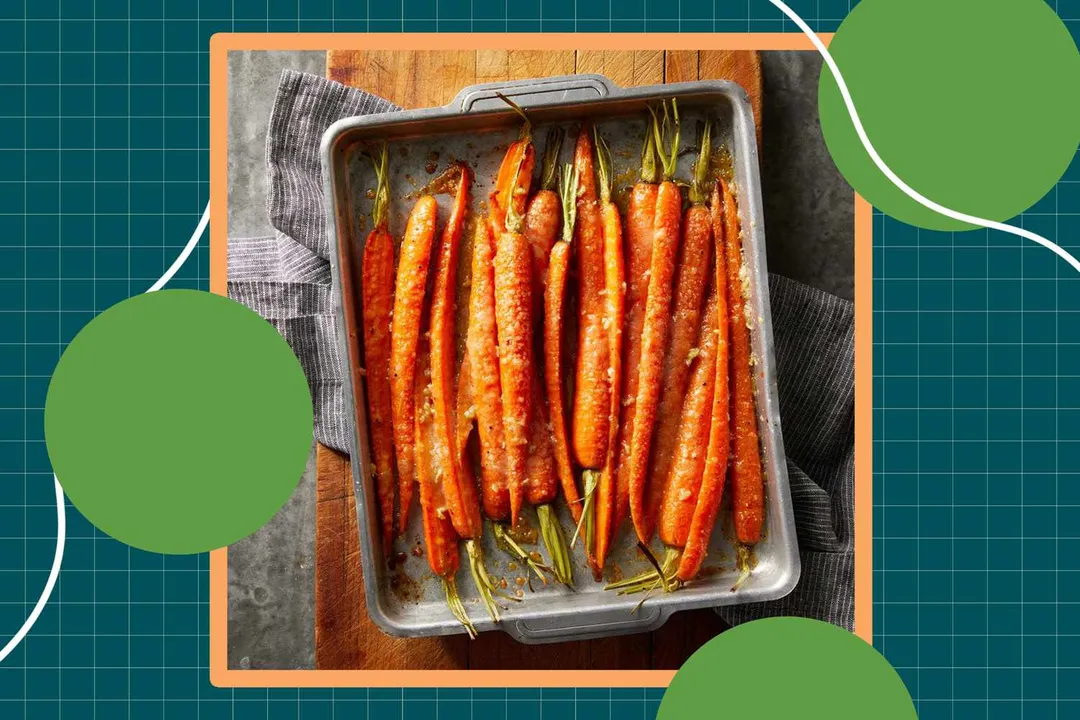
Roasting is arguably the method most likely to unlock the deep, earthy sweetness of the carrot. This technique relies on dry heat and relatively high temperatures to encourage the natural sugars to caramelize, resulting in tender interiors and slightly crisp, browned edges. [3][4]
The temperature sweet spot for roasting generally falls between 400°F and 425°F (200°C to 220°C). [3] Toss the prepared carrots liberally with a good quality fat—olive oil is a common choice, though melted butter can also work well, especially if you plan on adding a simple glaze later. [3][4] Seasoning is minimal here; a generous sprinkle of salt and freshly ground black pepper is often all that is needed to enhance the natural flavor profile. [4]
Some chefs take an extra step before applying oil. One approach involves placing the dry, seasoned carrots directly onto the baking sheet and letting them roast for about 10 to 15 minutes before tossing them with oil and seasoning. [4] This technique attempts to drive off more internal moisture first, leading to quicker surface browning once the fat is introduced.
When it comes to herbs, hardy varieties stand up best to the long cooking time and high heat. Thyme and rosemary sprigs tossed in with the carrots during the initial coating phase infuse the vegetable with a pleasant, savory aroma. [3]
Consider this comparison: roasting typically takes between 20 and 35 minutes, depending on how thick the pieces are and the exact temperature used. [3][4] Thinner pieces might be done in 20 minutes, while larger chunks can take closer to 40. They are finished when easily pierced with a fork, but still hold their shape. [4]
# Sweet Glazes
For those who crave that restaurant-style, shiny, sweet exterior, glazing is the way to go. This method often starts with a gentle simmer or steam before the final sweet coating is applied. [1][5] Glazing is a process where the carrots cook until tender, and then a sugar source is added and reduced until it coats the vegetable beautifully. [5]
# Stovetop Simmer Glaze
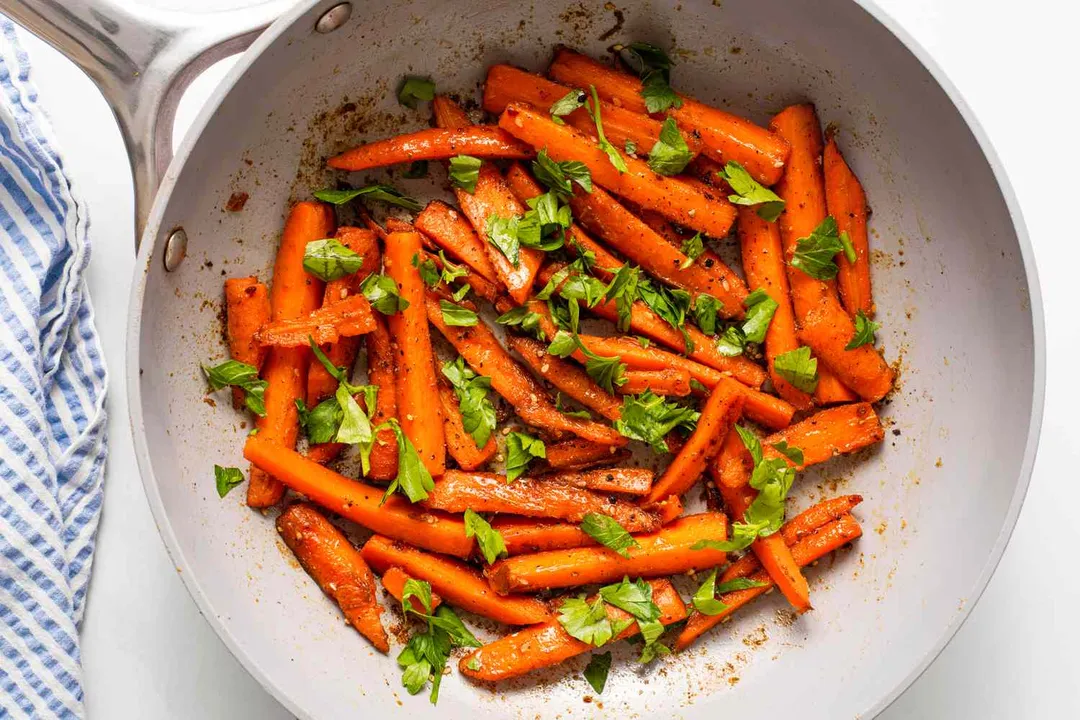
A straightforward stovetop approach involves cooking the carrots in a shallow layer of liquid—water or broth—until they are nearly tender. [1] Once most of the liquid has evaporated, you introduce the sweet elements and fat. A classic combination involves adding butter, salt, pepper, and often a small amount of water, allowing it to cook down until the water is gone and the carrots are coated in a buttery film. [1] Some cooks prefer to use a blend of honey or maple syrup with butter to achieve that classic sweet and savory balance. [5] A touch of acid, like a splash of vinegar or lemon juice added right at the end, can cut through the richness and brighten the overall taste, preventing the sweetness from becoming cloying. [1]
# Honey Maple Finish
A dedicated honey-glazed carrot recipe often combines butter, water, and honey, cooking the carrots in this mixture until the liquid evaporates and thickens into a glossy coating. [5] If you find honey too intensely sweet, substituting it with maple syrup can provide a slightly more complex, woody sweetness, which pairs particularly well with aromatics like fresh ginger if you choose to experiment beyond the basic recipe. [5]
# Tender Steaming
If your goal is the most nutrient-retaining method that yields a purely tender texture without added fat or sugar during the cooking phase, steaming is the top choice. [9] Steaming cooks the carrots gently using moist heat, keeping them bright orange and ensuring they are soft throughout. [2][9]
For the simplest iteration, the carrots are steamed until fork-tender, then immediately tossed with a pat of melted butter, salt, and pepper. [2] This retains the vegetable’s natural flavor while adding necessary richness at the very end. This method is fast, often requiring only 5 to 10 minutes depending on the size of the cut pieces. [2]
Contrast this with boiling: while boiling is similar, it risks leaching more water-soluble vitamins into the cooking water, which is then discarded. [9] Steaming keeps the carrots above the water, leading to better nutrient retention and a less watery final product. [9]
# Method Comparison
Choosing the right method often dictates texture and time commitment. It is helpful to visualize the expected outcomes:
| Method | Primary Fat/Liquid | Key Flavor Profile | Texture Result | Ideal Use Case |
|---|---|---|---|---|
| Roasting | Olive Oil/Melted Butter | Caramelized, Earthy, Savory | Tender interior, slightly crisp/charred exterior | Serving as a side dish where texture contrast is desired. [3] |
| Glazing | Butter, Honey/Maple Syrup | Sweet, Sticky, Rich | Soft and deeply permeated with glaze | Holiday meals or when serving with a leaner protein. [5] |
| Steaming | None (Finished with Butter) | Pure Carrot Flavor, Bright | Uniformly soft and tender | Health-focused preparation or as a base for purées. [2][9] |
A key consideration when deciding is the shape of the carrot relative to the cooking time. A coin cut (cross-section) will require less time than a large diagonal slice or a whole baby carrot because the surface area exposed to direct heat or liquid is greater for the same volume of vegetable matter. [4] If you are roasting carrots cut into thick diagonals (batons), plan for at least 30 minutes at 400°F to ensure the core is tender. [3]
# Seasoning Notes
While salt and pepper form the foundation for nearly every preparation, the finishing touches can redefine the carrot entirely.
For roasted carrots, if you want an herbaceous lift without glazing, consider tossing the hot, just-out-of-the-oven carrots with a drizzle of good quality olive oil and finely minced fresh parsley or chives. The residual heat helps the herbs "bloom" without cooking them into bitterness. [3]
If you are using a pressure cooker for speed, a general guideline for cooking carrots in broth is to ensure the liquid covers the bottom, then cook under pressure for about 4 to 6 minutes, followed by a natural pressure release, which helps prevent the carrots from becoming overly mushy compared to an immediate release. [8] This fast method often benefits greatly from a quick toss in butter and herbs immediately after depressurizing to add back the richness lost by using water/broth instead of fat for cooking. [2]
For a savory twist instead of sweet, try finishing the roasted or steamed carrots with nutritional yeast for a slightly cheesy, umami note, or incorporate smoked paprika into the initial oil coating before roasting. These additions move the carrot from a side dish accompaniment to a feature flavor component on the plate. [9]
#Videos
How to cook: Glacé (Glazed) Carrots - YouTube
Related Questions
#Citations
Glazed Carrots - Dinner at the Zoo
Buttery Cooked Carrots Recipe - Allrecipes
Roasted Carrots Recipe - Love and Lemons
The Best Roasted Carrots - Pressure Luck Cooking
My Favorite Way To Cook Carrots Takes 4 Ingredients and 15 Minutes
Master Cooking Carrots Like a Pro - YouTube
How do you cook carrots? : r/EatCheapAndHealthy - Reddit
We Asked 4 Chefs the Best Way to Cook Carrots—They ... - EatingWell