How to cook salmon shark?
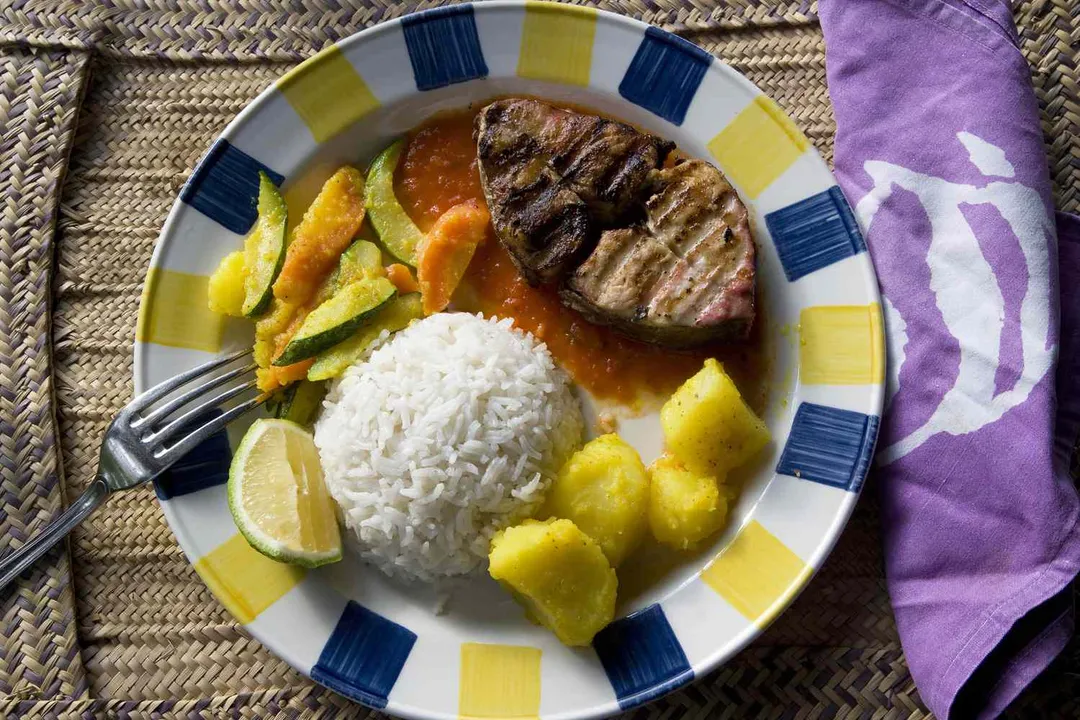
Preparing salmon shark for the table requires a bit more diligence than handling standard supermarket fillets, but the result—a firm, meaty fish often compared to swordfish or marlin—can be incredibly rewarding. Unlike many common whitefish, salmon shark possesses a dense texture, making it quite substantial on the plate. Getting it right hinges almost entirely on proper processing and neutralizing any naturally occurring compounds that can lead to off-flavors.
# Prepping the Flesh
The single most important factor when preparing shark meat, including salmon shark, is mitigating the presence of urea, a chemical compound that disperses into ammonia after the animal dies. If the fish is not handled quickly and correctly, this ammonia smell can render the meat inedible.
There are two primary schools of thought regarding treatment: rapid field care or extended soaking. Anglers catching shark for recipes like the Spanish-style preparation emphasize bonking the fish immediately upon landing, bleeding it by slicing the gills, gutting it, and placing it on ice as fast as possible. This aggressive initial care significantly reduces the ammonia development. For those who do not process the shark immediately, or to remove any residual ammonia, an extended soak is necessary. One recommendation suggests completely submerging the steaks in milk and refrigerating them for a full 24 hours or more to draw out the urea. While soaking in milk is a known remedy, the immediate bleed-and-ice method prioritizes preventing the ammonia from forming in the first place, offering a trade-off between proactive field management and post-catch chemical treatment.
Once the initial concerns about odor are addressed, the meat itself is ready for standard preparation. Shark meat is described as being very firm, snow white, and savory, similar in flavor profile to a striped bass. Interestingly, in certain inland areas of Japan, like Tochigi Prefecture, shark (moro) was historically prized because the uric acid that turns to ammonia also made it less prone to spoilage, making it a valuable source of protein when transportation for fresh sea fish was difficult.
# Cooking Styles
Because salmon shark is dense, it responds well to high-heat cooking methods like grilling and frying, but it can also be simmered or baked.
# Grilling Steaks
Grilling works exceptionally well for shark steaks, much like it does for swordfish. Given the density, you want to ensure a good sear on the outside without drying out the interior. A key operational step when grilling any fish prone to sticking is oiling the grates thoroughly right before the fillets touch the heat.
For a straightforward preparation, a simple marinade of olive oil, soy sauce, and lemon juice, along with plenty of black pepper, can be applied for at least half an hour before grilling. The general consensus for safe consumption suggests cooking these warm-water predatory fish thoroughly; aim for an internal temperature of 145^\circ \text{F} until the flesh flakes easily with a fork.
If you are using a marinade, be aware that the rendered marinade, when simmered separately for a few minutes, can form a flavorful sauce to serve alongside the grilled fish.
# Battering and Frying
For a texture reminiscent of fish and chips—a common preparation for gummy shark (flake) in Australia—battering and frying works perfectly. One suggested method involves preparing a simple coating made from:
- One cup of crushed Ritz crackers
- Half a cup of Parmesan cheese
- Garlic powder and parsley to taste
The steaks are dipped into a binding batter, often utilizing eggs mixed with milk, and then rolled in the cracker-cheese mix before being fried in real butter until just golden brown on each side, requiring only about three minutes per side. Pan-frying in a cast-iron skillet is an alternative to deep-frying; heat the oil until it shimmers, add the steaks, reduce the heat, and turn only once, cooking for about 10 to 12 minutes total depending on thickness.
# Baking and Simmering
If you prefer a more enclosed cooking environment that steams the fish while infusing deep flavor, the foil packet method is highly effective. This approach involves wrapping the steaks with vegetables, fresh garlic pieces, a splash of whiskey (suggested at one shot per two pounds of meat), spices like onion powder and Cajun seasoning, and a half-cube of butter. Seal the foil tightly and place it on the top rack of a grill over medium heat for an hour, or bake in an oven at for the same duration.
For a traditional Japanese approach, Moro no Nitsuke involves simmering. This involves gently cooking the sliced fillets in a liquid base of soy sauce, sugar, mirin, sake, and water, flavored with sliced ginger, until tender—typically about 10 minutes on medium heat. This method leverages the ability of the simmering liquids to tenderize the firm texture.
# A Flavorful Chunk Preparation
Another rich way to prepare shark is by cutting it into firm, inch-sized chunks and preparing it in a Spanish style featuring tomatoes. This recipe involves lightly dusting the flour-coated chunks and sautéing them until they are well-browned on a few sides. The aromatics—slivered garlic and toasted pine nuts—are added, followed quickly by diced Roma tomatoes, white wine to deglaze, and finished with Spanish smoked paprika and fresh parsley. The key to this dish is speed; the tomatoes should only cook for a couple of minutes so they retain their shape, allowing the firm shark chunks to contrast nicely with the softer vegetables and crunchy nuts.
# Safety and Consumption Limits
Regardless of the delicious preparation method chosen, responsible consumption requires acknowledging the environmental and health considerations associated with shark meat.
# Mercury Concerns
Shark meat, particularly from larger, predatory species, can possess one of the higher concentrations of mercury found in seafood. Because of this, health advice often suggests eating shark very rarely. Specific guidance from some fisheries areas advises that vulnerable populations, such as children and women who are pregnant or expecting, should severely restrict their intake—in one account, limiting consumption to no more than 4 ounces per month due to potentially hazardous levels of naturally occurring methylmercury.
# Sourcing Ethics
In the broader conversation surrounding shark consumption, ethical sourcing is paramount. While the practice of finning—removing fins from live sharks—is rightly condemned and illegal in places like America, the consumption of meat from non-threatened or sustainably managed species is often differentiated. When purchasing, seeking out a reputable fishmonger who understands and adheres to strict harvesting guidelines is advised. Furthermore, understanding the species matters; while some commercial stocks may be listed as a "Good Alternative" by sustainability monitors, others are apex predators that play a vital role in ocean health. Opting for species from healthy, regulated recreational fisheries, or those designated as more sustainable alternatives like dogfish, allows for enjoyment of the firm, meaty texture while minimizing impact.
| Cooking Method | Suggested Flavor Profile | Pre-Cook Treatment | Approximate Cook Time |
|---|---|---|---|
| Grilling Steaks | Soy, Lime, Pepper or Lemon, Wine, Soy | Marinate 30 min to 2 hours | 5–6 minutes per side to |
| Frying (Battered) | Savory/Crispy (Ritz/Parmesan) | Egg/Milk Batter & Crumb Coat | ~3 minutes per side in butter |
| Simmering (Nitsuke) | Sweet, Savory (Soy/Sugar) | None, or milk soak (optional) | ~10 minutes at a simmer |
| Foil Packet Bake/Grill | Whiskey, Garlic, Cajun Spice | Wrap with butter and vegetables | 1 hour at or equivalent grill time |
When assessing texture, remember that shark is a firm fish, making it forgiving on the grill compared to delicate, flaky white fish that require more gentle handling to avoid breaking apart. This firmness means it can absorb strong marinades and bold seasonings without losing its structure. Choosing a high-quality source and preparing it with care unlocks a unique, dense texture that stands apart from common table fare.
Related Questions
#Citations
Recipe of the week: Lemon Marinated Salmon Shark
Salmon Shark | Alaska Outdoors Forums
Moro no Nitsuke( Salmon Shark Stew) | Our Regional Cuisines
Shark. Any preferred cooking methods? - Reddit
Salmon Shark Recipe??? - Hunt Talk
Grilled Shark Steaks Recipe - The Spruce Eats