What is healthier, pink salmon or sockeye salmon?
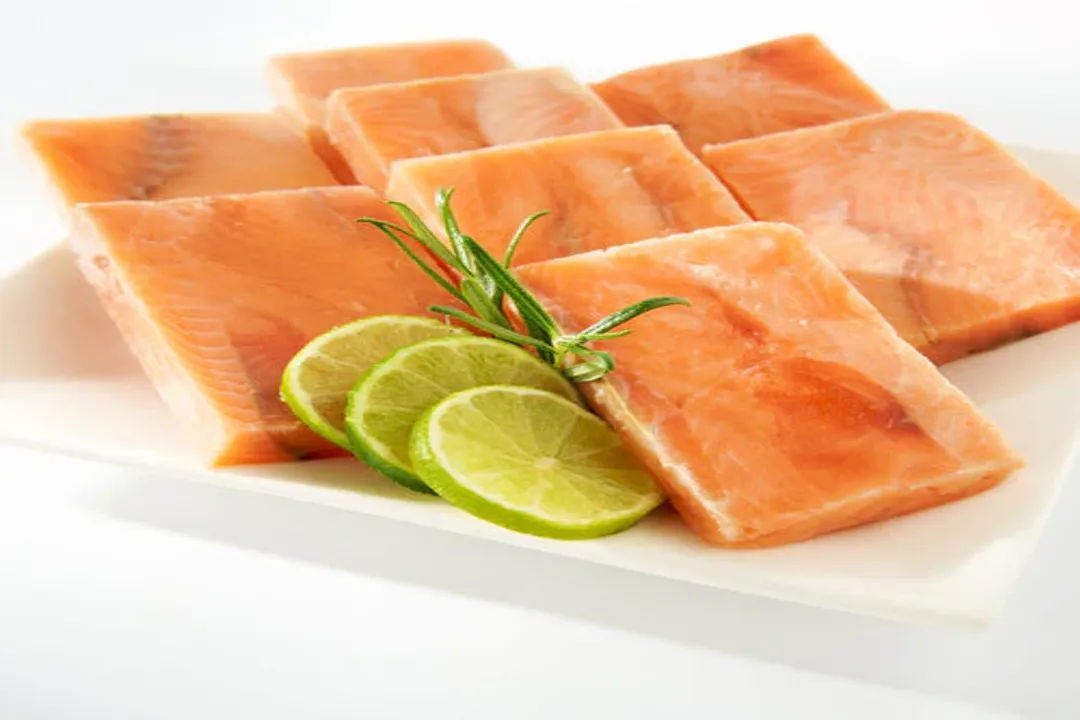
When deciding between pink salmon and sockeye salmon, many people are trying to pinpoint which one offers the best nutritional bang for their buck. Both are excellent sources of high-quality protein and essential nutrients, falling under the general umbrella of healthy seafood choices. [3] However, they are distinct species with noticeable differences in color, texture, fat content, and even omega-3 levels, which can make one more suitable than the other depending on your cooking goals and specific dietary needs. [2][1]
# Color and Diet
The most immediate difference between sockeye and pink salmon is the striking variation in their flesh color. [1] Sockeye salmon is famous for its deep, vibrant red hue, often leading it to be called "red salmon". [6] This rich color is not natural to all salmon species; it comes directly from their diet, which is high in astaxanthin, a powerful antioxidant they consume in the wild. [1]
Pink salmon, in contrast, has much lighter flesh, often described as pale pink or sometimes nearly orange. [1] While pink salmon also consumes krill and shrimp containing astaxanthin, they do so in smaller quantities than sockeye, resulting in a milder color. [1] If you are looking for the fish that visually screams "antioxidant powerhouse" on your plate, sockeye wins hands down because of its concentration of this carotenoid pigment. [1]
# Nutritional Comparison
When diving into the specifics of their nutritional profiles, both types deliver fantastic amounts of protein, but the fat content varies significantly, directly impacting their omega-3 fatty acid concentrations. [2]
Sockeye salmon generally stands out for being slightly higher in total fat and, consequently, possessing higher levels of beneficial omega-3 fatty acids compared to pink salmon. [2] A higher fat content usually translates to a richer flavor and a moister texture when cooked. [1][2] While both are considered oily fish, sockeye leans toward the higher end of that spectrum. [1]
Pink salmon, on the other hand, tends to be leaner. [2] This lower fat content means it has fewer calories overall compared to sockeye, which might appeal to those strictly counting calories or looking for a very lean protein source. [2]
For a clearer picture, considering the approximate values per serving illustrates the trade-offs:
| Feature | Pink Salmon (Approximate) | Sockeye Salmon (Approximate) |
|---|---|---|
| Color | Pale Pink/Orange | Deep Red |
| Fat Content | Lower | Higher [2] |
| Omega-3s | Good source | Excellent source [2] |
| Protein | High [2] | High [2] |
| Calories | Generally lower | Generally higher |
When you evaluate these numbers, it becomes clear that if your primary health goal is maximizing omega-3 intake, sockeye salmon holds a slight advantage due to its higher fat concentration. [2] However, choosing pink salmon consistently means you are still consuming excellent amounts of protein and healthy fats, making it a superior choice over many other protein options. [2] Sometimes, the health choice is simply the one you are most likely to eat regularly. If the price difference between the two means you can afford to put pink salmon on your plate twice as often as sockeye, the overall nutritional gain from increased frequency could easily outweigh the slight per-serving difference. [1]
# Flavor and Texture
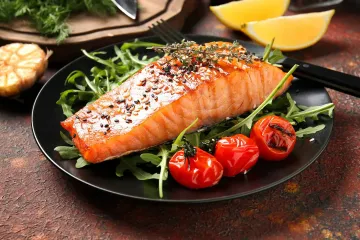
Beyond the lab values, the culinary experience strongly influences how often one incorporates a food into their diet. Sockeye and pink salmon offer distinct experiences on the palate. [1]
Sockeye’s deep red flesh is known for having a richer, bolder flavor. [1] Because it carries more natural oil, it maintains a moister texture, even if slightly overcooked. [1][2] This robust flavor profile means sockeye holds up exceptionally well to strong seasonings, smoking, or grilling, as its inherent taste won't be completely masked by marinades or rubs. [1]
Pink salmon has a much milder flavor profile—less intense and less "fishy" than sockeye. [1] Its texture is generally softer and flakier. [1] Due to this delicacy, pink salmon is often favored for preparations where a subtle flavor is desired, such as when it is canned, baked simply with lemon and herbs, or used in recipes where it is mixed with other ingredients, like salmon patties or salads. [1] Because it is leaner, if you were to grill a piece of pink salmon aggressively, you would need to be much more mindful of cooking time to prevent it from drying out compared to a piece of oilier sockeye. [1]
# The Role of Astaxanthin
Astaxanthin, the pigment responsible for the red color in sockeye, is a major talking point when discussing the health benefits of salmon. [1] This compound is a potent antioxidant, and while sockeye contains more of it, pink salmon still provides a beneficial amount. [1]
Antioxidants help combat oxidative stress in the body, which is associated with aging and various chronic conditions. [4] While sockeye has a measurable lead here due to its diet, it is worth noting that the entire salmon family offers substantial health benefits regardless of the exact shade of red. [3] When you consider that some commercial cooking processes, like canning, can slightly diminish certain nutrient levels, focusing too narrowly on the marginal difference between the raw antioxidant content of the two might miss the bigger picture of consistent seafood consumption. [3]

# Practical Considerations for Purchase
Accessibility and cost are crucial, unspoken factors in any "healthiest" debate. If one food is prohibitively expensive, its health benefits are theoretical for most people, as they won't buy it often. [1]
Sockeye salmon, due to its desirable color and higher fat content, often commands a premium price in the market compared to pink salmon. [1] Pink salmon is frequently the most abundant and least expensive variety available, making it an excellent gateway fish for people new to eating salmon or those managing a tighter grocery budget. [1]
Here is a simple thought experiment: If you spend fifty dollars, you might purchase one premium pound of sockeye. Alternatively, that same fifty dollars could secure two or even three pounds of pink salmon, depending on seasonal pricing and whether you are buying fresh or frozen. [1] If the goal is to increase your intake of omega-3s and quality protein across your monthly diet, the option that allows for greater volume and frequency—often the pink variety—becomes the practically healthier selection for sustained wellness.
# Tailoring Your Choice
Choosing between these two wonderful fish isn't about declaring a single winner; it is about matching the fish to the meal or the moment.
If you are preparing a simple, elegant dish where the fish is the star—perhaps pan-searing a thick fillet to serve with rice pilaf—and you want the richest flavor and texture, sockeye salmon is likely your best pick. [1] Its higher oil content ensures a luxurious mouthfeel. [2]
If you are looking to incorporate salmon into a family meal where you need a milder flavor, or if you plan on baking a large batch or using the fish in a recipe with strong sauces, pink salmon is an outstanding, cost-effective substitute. [1] Its leaner profile also makes it an ideal candidate for dishes where you might want to add your own healthy fats later, such as serving it over a large salad dressed with olive oil vinaigrette. Consider using pink salmon for homemade smoked salmon dips, as its softer texture blends more easily without becoming overly oily. [1]
Ultimately, both pink and sockeye salmon offer significant health advantages, delivering essential nutrients like Vitamin D, B vitamins, and selenium. [3] A diet that incorporates both, rotating based on what looks best at the fish counter or what fits the week’s meal plan, ensures you benefit from the unique merits of each type without overspending or missing out on the benefits of consistent fish consumption. [3]
#Videos
How to Pick the Healthiest Salmon: Avoid Toxins and Make Smart ...
Related Questions
#Citations
Sockeye Salmon vs. Pink Salmon: Key Differences & Benefits
Which is better — pink salmon or sockeye salmon? - Circle Seafoods
Which Types of Salmon Are Healthiest? Registered Dieticians Explain
What is the difference between Salmon and Pink ... - Facebook
Pink Salmon? : r/keto - Reddit
Which is healthier pink or red salmon? - Quora
Canned Salmon: Red Sockeye vs Pink Nutrition Comparison - TikTok
Is Sockeye Salmon Good Compared to Other Salmon?
How to Pick the Healthiest Salmon: Avoid Toxins and Make Smart ...