What is better, keta or sockeye?
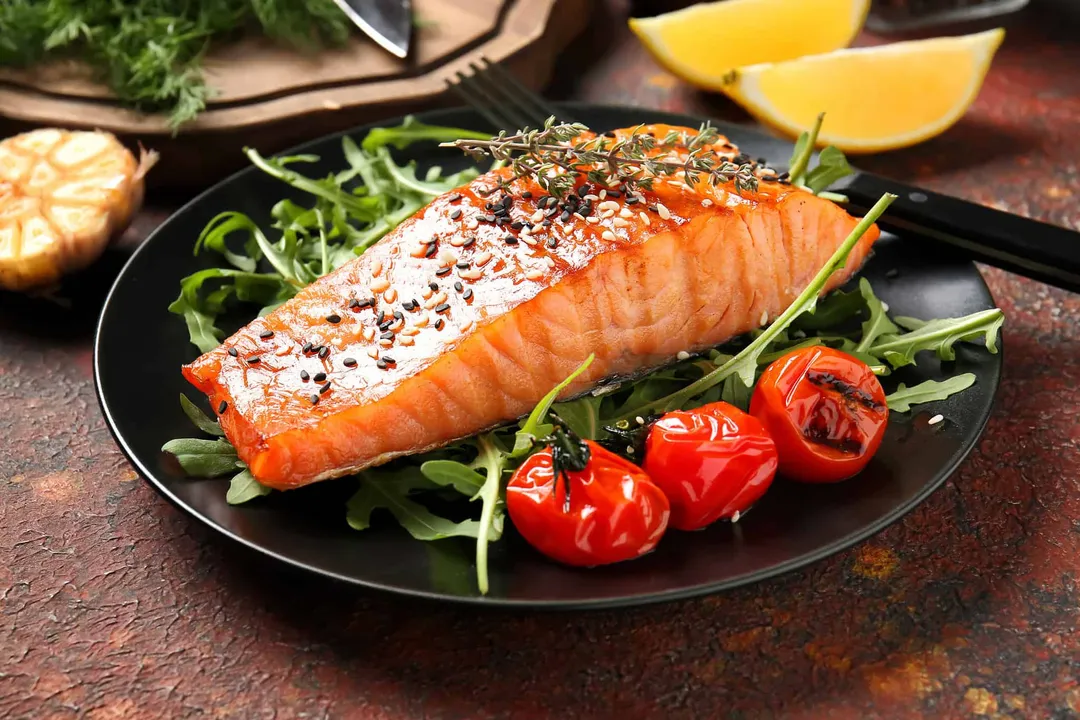
The decision between Keta and Sockeye salmon often comes down to what you plan to do with the fish and what flavor intensity you prefer at the table. Both are fantastic examples of wild Alaskan salmon, but they offer distinctly different experiences, from the color of the flesh to the richness of the oil content and even the size of their roe. Understanding these differences moves the choice from a random selection to an informed culinary decision.
# Species Names
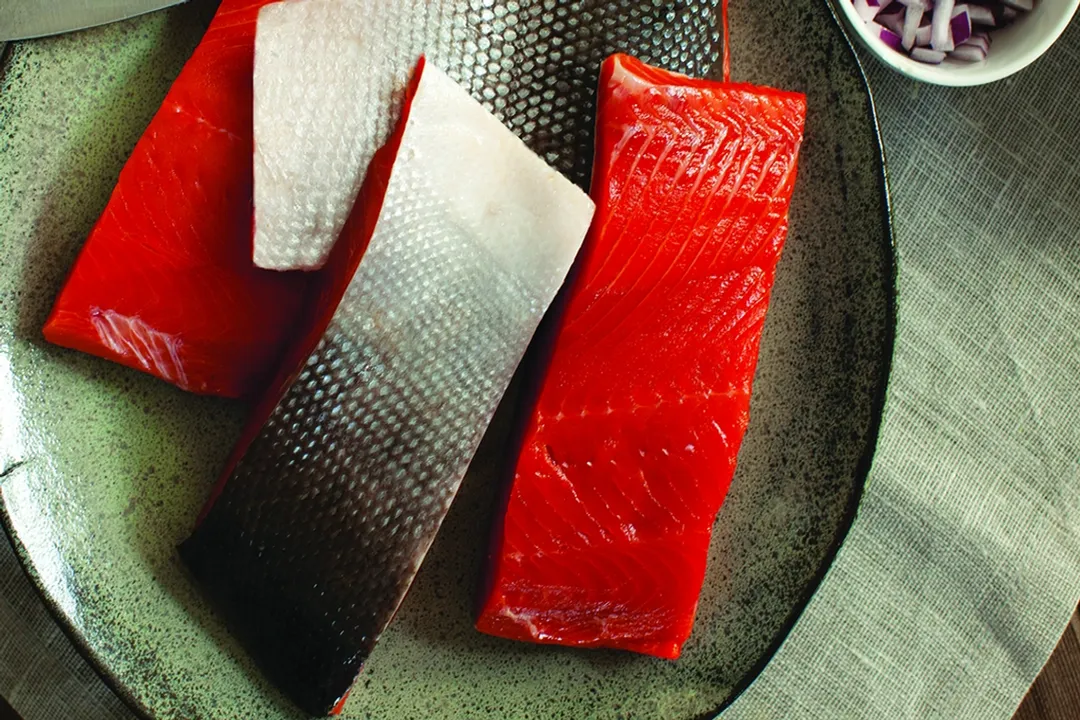
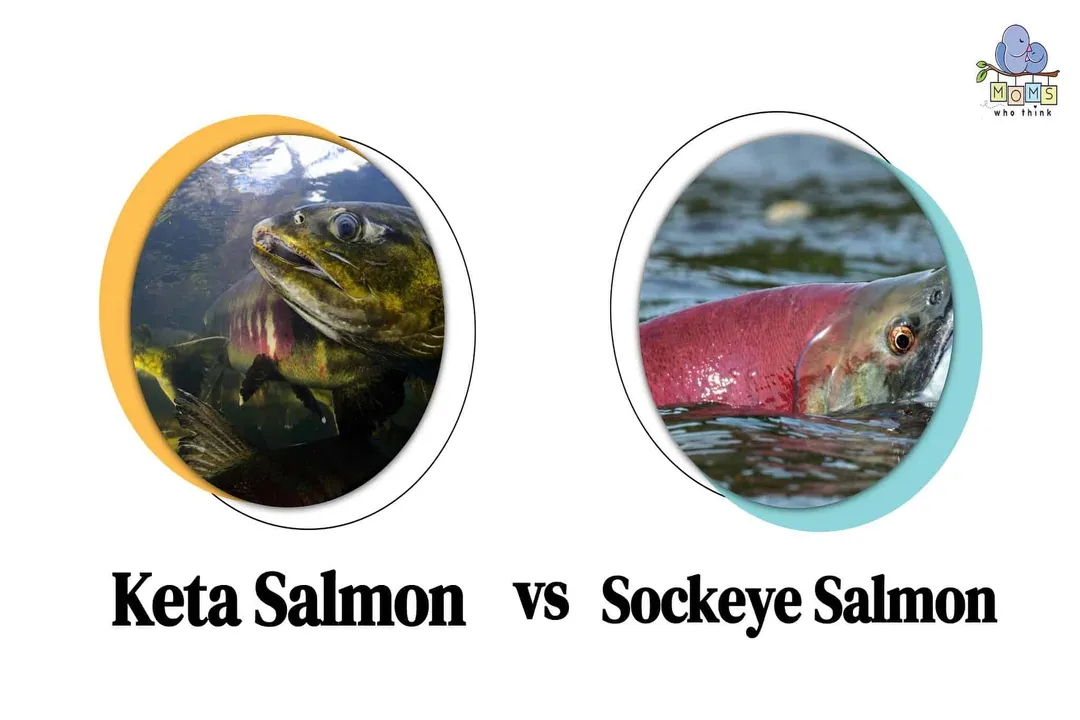
To avoid confusion, it helps to know the various names these fish go by. Keta salmon, sometimes referred to as Chum salmon, is also known as Dog salmon. While the term "Keta" is commonly used in commercial circles, especially concerning its roe, it's the same species. Sockeye salmon, on the other hand, is perhaps most recognizable by its striking deep red flesh, which is why it is frequently nicknamed "Red Salmon". Knowing the common trade name versus the biological name ensures you are sourcing the intended product.
# Flesh Appearance
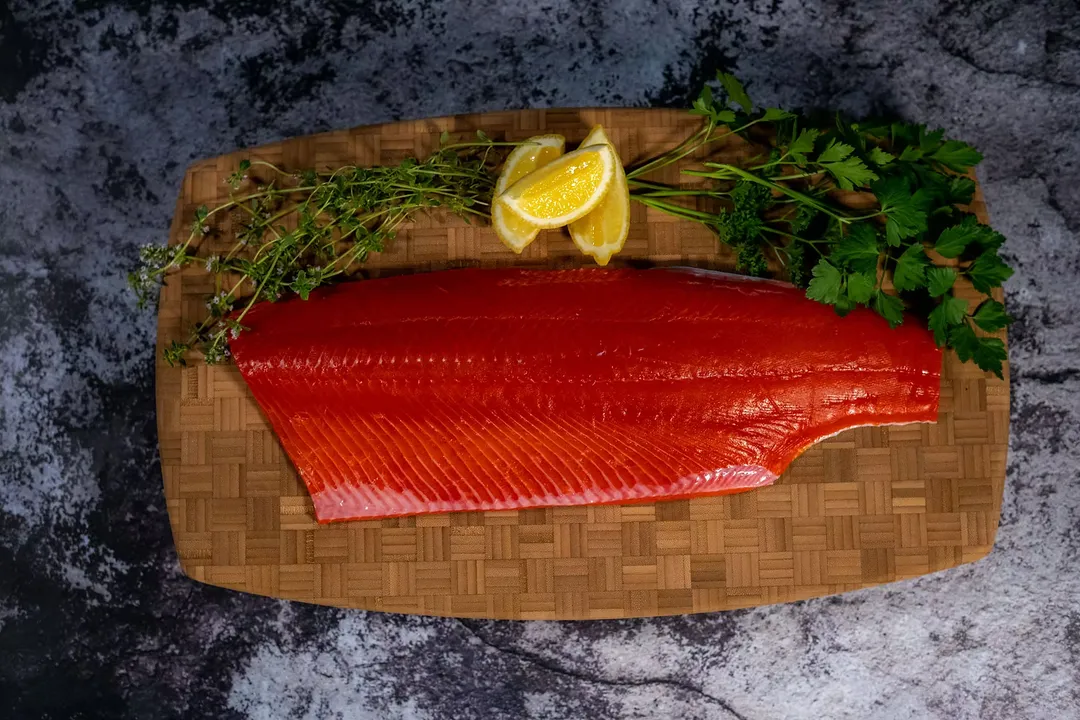
The visual difference between a fillet of Keta and Sockeye is often the most immediate way to distinguish them, even before cooking. Sockeye salmon is famous for its vibrant, deep crimson color. This intense coloration comes from their diet, rich in carotenoids, and is a hallmark trait that many consumers seek out.
Keta salmon presents a much more subdued palette. Its flesh is typically a lighter pink or even an orange-red color, significantly paler than its Sockeye counterpart. This difference in pigmentation directly relates to the oil and fat content, which influences both appearance and culinary handling.
# Oil Content
The oil content, or fat level, is a major differentiator that dictates how the salmon behaves when cooked and how it tastes. Sockeye is known for being an oilier fish, which translates to a richer mouthfeel and a more assertive, pronounced salmon flavor. This higher fat concentration helps the meat retain moisture during high-heat cooking methods.
Keta, conversely, is generally considered a leaner fish compared to Sockeye. While it certainly contains healthy fats, its profile is lower in oil. This leanness means that Keta fillets can sometimes dry out more easily if they are overcooked or subjected to intense, dry heat without proper preparation. For those actively monitoring fat intake, the relative leanness of Keta might be a deciding factor.
# Flavor Intensity
Flavor intensity is closely tied to the fat content. Sockeye delivers a bold, strong flavor that many salmon enthusiasts crave. If you are looking for that quintessential, robust "salmon taste," Sockeye is usually the way to go.
Keta salmon offers a much milder flavor profile. Its taste is subtle and less intense than Sockeye, making it an excellent option for people who enjoy salmon but are sensitive to overly "fishy" or strongly flavored seafood. Because of this mildness, Keta is often well-suited for smoking or canning, where it can absorb other flavors readily without the dominant taste overpowering the seasoning.
# The Caviar Distinction
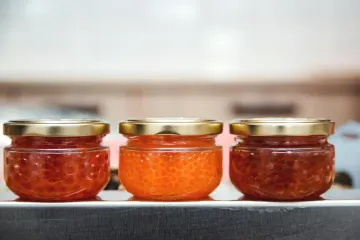
Both Keta and Sockeye produce highly prized salmon roe (ikura), but the eggs themselves have noticeable differences in size and character.
Sockeye roe tends to be smaller with a deeper red hue.
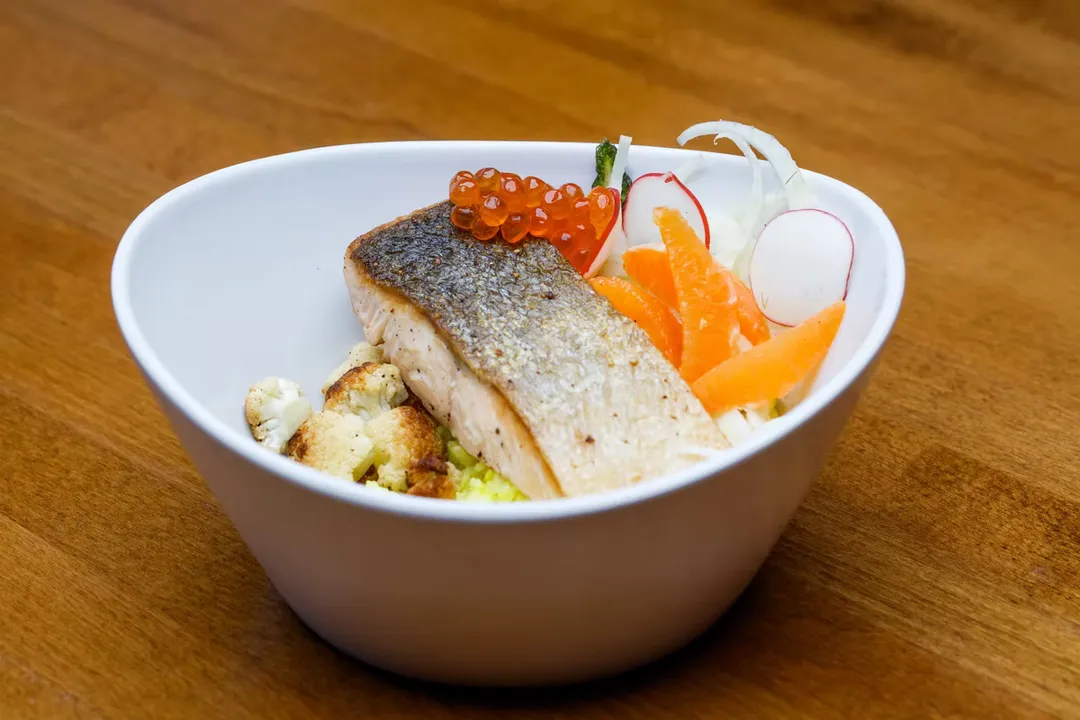
Keta roe, often marketed commercially as Silver or "Ikura" (though that term is sometimes used broadly), produces larger eggs. The larger size often contributes to a more satisfying "pop" when eaten. Given that Sockeye is prized for its deep red flesh, it's an interesting contrast that its roe is not the largest available among the common species. This highlights that color and size are independent traits across the different parts of the fish. If you are purchasing roe specifically for texture, the larger Keta eggs might be preferable for that burst quality.
# Culinary Uses
The structural integrity and flavor profile of each fish suggest different best-use scenarios in the kitchen.
Sockeye's high oil content and firm texture mean it holds up exceptionally well to cooking methods that expose it to direct heat, such as grilling, broiling, or high-heat roasting. The meat flakes beautifully while remaining moist due to the natural oils.
Keta's milder flavor and leaner composition make it versatile, but it demands more attention to moisture retention.
- Smoking: Keta is a popular choice for hot-smoking due to its mild taste, which allows the smoke flavor to permeate nicely.
- Canning: Its leaner structure can work well in home canning preparations.
- Poaching/Slow Cooking: Methods that introduce moisture slowly are ideal for Keta to prevent it from becoming dry.
If you are aiming for a recipe where the salmon is the undisputed star, perhaps served simply with lemon and herbs, Sockeye's strong inherent flavor shines. If the salmon is part of a larger, more complex dish, like a creamy pasta sauce or a rich marinade, Keta's subtlety may be the better canvas.
| Feature | Keta Salmon (Chum/Dog) | Sockeye Salmon (Red) |
|---|---|---|
| Flesh Color | Light pink to orange-red | Deep crimson red |
| Fat/Oil Content | Leaner | Higher oil content, richer |
| Flavor Profile | Milder, less intense | Strong, robust salmon flavor |
| Roe Size | Larger eggs | Smaller eggs |
| Best Use | Smoking, canning, when mild flavor is needed | Grilling, roasting, when bold flavor is desired |
# Health Aspects
When looking at the nutritional side, it is important to remember that all wild-caught salmon species are considered excellent sources of nutrition, particularly omega-3 fatty acids, which are essential fats that support heart and brain health. However, the distribution of these healthy fats varies.
Because Sockeye is the oilier fish, it often contains a higher overall concentration of these beneficial omega-3s compared to leaner species like Keta. A general rule across many fish types is that the fattier the fish, the higher the omega content, and Sockeye fits this pattern when compared directly to Keta. If your primary goal in eating salmon is maximizing omega-3 intake per serving, the Sockeye fillet will typically edge out the Keta.
An interesting analysis point is how cooking affects nutritional density. Because Keta is leaner, if you are searing both fillets side-by-side, you will lose a smaller percentage of total fat mass from the Keta fillet during rendering compared to the Sockeye, although the Sockeye starts with a higher absolute amount of fat to lose. Conversely, Sockeye's retained moisture from its high oil level means its nutrient density might remain higher even after cooking, as less moisture (and thus fewer water-soluble nutrients) cooks out.
# Purchasing Insights
When standing at the fish counter, consider the preparation timeline. If you purchase a whole fish or a large fillet and plan to use portions over several days, the higher fat content of Sockeye can sometimes lead to faster, though usually more gradual, changes in flavor profile compared to leaner fish stored under the same conditions. For me, knowing that Keta is leaner prompts a specific purchasing consideration: if I buy a larger Keta fillet, I prioritize vacuum sealing and freezing the unused portions immediately rather than relying on refrigeration for more than two days, specifically to prevent that mild flavor from turning slightly dull due to fat oxidation, which can happen even in leaner fish over time.
Furthermore, if you are buying fresh, never frozen, wild Alaskan salmon, knowing the season matters. Sockeye generally comes to market slightly earlier than Keta, which has a longer run window. This means you might find fresher, higher-quality Sockeye earlier in the summer season.
# Handling Mildness
For those new to salmon or feeding children, the mildness of Keta is a significant advantage. A common experience shared among home cooks is that Keta accepts marinades and rubs exceptionally well because its inherent flavor doesn't fight the additions. This offers a high degree of flexibility in flavor development without needing extreme seasoning to mask the fish. You can treat it almost like a blank slate, perhaps infusing it with citrus zest or smoky paprika, and the resulting flavor will be primarily derived from those additions, not the fish itself. Sockeye, due to its strong personality, sometimes requires a simpler approach to let its natural flavor shine through.
# Final Preference
The question of "better" really hinges on the eater's palate and the meal's requirements. There isn't a universally superior fish between Keta and Sockeye; rather, there are better tools for specific culinary jobs. If a deep, oily richness and that classic, intense red color are what you desire, Sockeye is the clear winner. If you prefer a lighter salmon experience, need a fish that absorbs seasoning well, or are perhaps more budget-conscious (as Keta is sometimes less expensive than Sockeye), then Keta offers exceptional quality for its class. Your best choice is the one that fits your recipe and preference profile for that specific meal.
#Videos
Packaged Salmon Comparison | Keta vs Sockeye Salmon. - YouTube
Related Questions
#Citations
Wild Alaskan Keta and Copper River Sockeye Salmon
Anyone else have this experience with Keta Salmon? - Reddit
Understanding The Different Types of Wild Salmon
The Healthiest Types of Salmon | Vital Choice
Keta Salmon vs. Sockeye Salmon: The Undervalued Differences
Packaged Salmon Comparison | Keta vs Sockeye Salmon. - YouTube
What does keta salmon taste like? - Facebook
Sockeye vs. Keta Salmon: A Comprehensive Comparison