Is tomato better than cucumber?
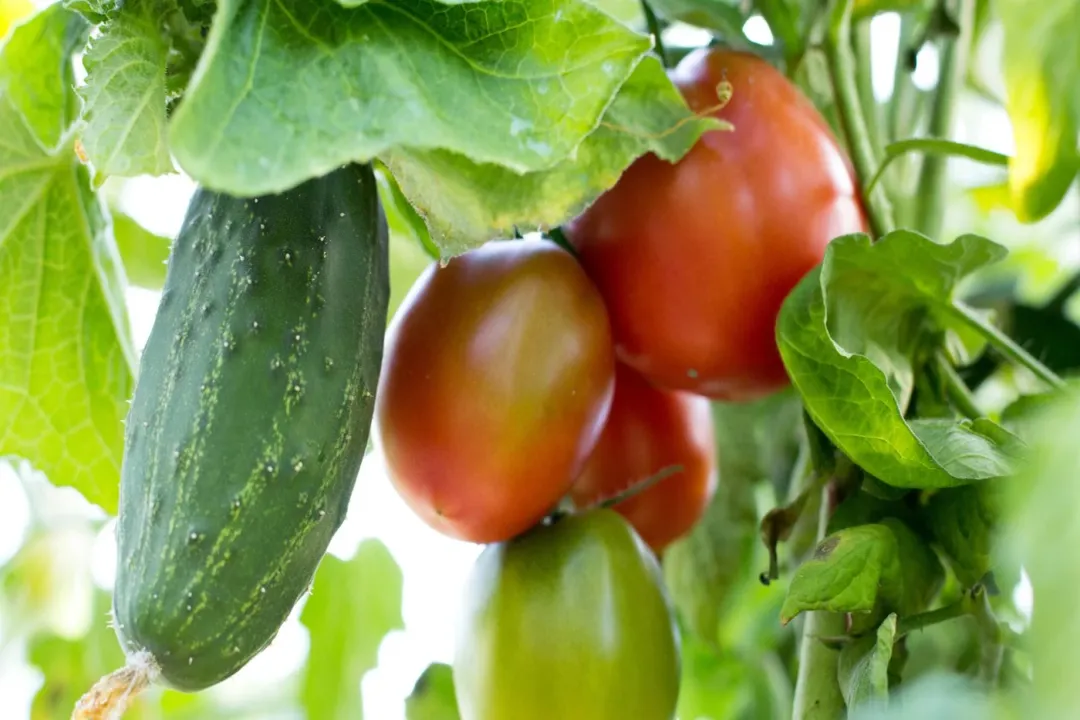
The age-old debate over whether the plump, savory tomato outshines the cool, crisp cucumber often ends in a stalemate, usually decided by the dish at hand. While both are staples in salads, sandwiches, and summertime fare, they are not interchangeable when it comes to their nutritional profiles or how they impact the body. Technically, they share the same botanical classification—both are fruits—yet their culinary roles place them in very different categories.
The tomato (Solanum lycopersicum) brings a burst of rich flavor and a notable acidity to meals, often serving as a foundational ingredient in items like pasta sauces or salsas. The cucumber (Cucumis sativus), conversely, is valued for its chilly, crisp texture and mild flavor, making it a perfect counterpoint in salads, a refreshing addition to water, or the basis for pickles. Understanding where one excels over the other requires a closer look at the micronutrient differences packed into 100 grams of each.
# Core Composition
At a glance, the fundamental makeup of tomato and cucumber shows surprising parity in some areas while highlighting clear divergence in others. Both vegetables are overwhelmingly composed of water, clocking in at around 94.52% water for tomatoes and 95.23% for cucumbers. This high water content is why both are exceptionally low in calories—100 grams of cucumber is approximately 15 calories (unpeeled), while 100 grams of tomato is around 18 calories.
In terms of macronutrients, they are relatively similar across the board. Carbohydrate content is nearly equal, with tomatoes having about 3.89 grams and cucumbers slightly less at 3.63 grams per 100g. However, when comparing caloric density via macro ratios, tomatoes register slightly higher in both protein (17% of calories) and fat (9% of calories) compared to cucumbers (15% protein, 5% fat). Both remain low in fat and contain no cholesterol or trans fats.
For those who consume these vegetables in large volumes as a low-impact snack—a habit noted by some dedicated consumers of these produce items—the overall caloric load is minimal in either case. If one were to try substituting an equivalent volume of apples for this high volume snacking habit, apples would introduce significantly more sugar and calories, according to community discussion.
# Vitamin Advantages
The vitamin landscape reveals a decisive advantage for the tomato. When comparing their contribution to daily nutritional needs, the tomato is richer in a wider array of essential vitamins.
Tomatoes possess significantly more Vitamin A, Vitamin C, Vitamin E, Niacin (B3), Vitamin B6, and Folate. The difference in Vitamin C is particularly dramatic; tomatoes provide almost 389% more Vitamin C per 100g than cucumbers. Similarly, tomatoes are far superior sources of Vitamin A, showing a greater than 700% difference. For example, 100g of raw tomato contains 42 g of Vitamin A (RAE), while cucumber contains only 5 g.
Conversely, cucumbers hold the nutritional edge in Vitamin K, containing over 100% more than tomatoes, with 16.4 g versus 7.9 g per 100g, respectively. Cucumbers also lead in Vitamin B2 (Riboflavin) and Vitamin B5 (Pantothenic acid).

# Mineral Content and Acidity Profile
In the mineral department, the race is tighter, with each offering unique contributions. Cucumbers are richer sources of Calcium, Sodium, and Selenium compared to tomatoes. Cucumbers contain about 16mg of Calcium per 100g, slightly edging out the 10mg found in tomatoes.
Tomatoes, however, are excellent sources of Potassium, providing about 61% more than cucumbers, with 237mg per 100g versus cucumber's 147mg. Interestingly, in terms of Iron, Phosphorus, Magnesium, and Copper, the amounts are comparable or equal based on the nutrient data reviewed.
A key chemical differentiator lies in the and Acid Load. Both possess a potential renal acid load () rating that is negative, meaning they are ultimately alkaline-producing in the body. However, the tomato has a more strongly negative score ($-4.1$) than the cucumber ($-2.4$). This suggests that, gram for gram, tomatoes might have a slightly greater capacity to neutralize dietary acid load. From a dietary context, the acidity of tomatoes means they are often not recommended for sensitive stomachs or diets like the diet, while mild cucumbers fit more easily.
# Cardiovascular Influence
Both vegetables contain compounds that promote heart health, though their mechanisms differ based on their dominant phytonutrients.
Tomatoes are rich in lycopene and beta-carotene, powerful antioxidants associated with reducing the risk of strokes and heart attacks. Clinical findings suggest that lycopene can aid in lowering harmful () cholesterol levels and possess anti-inflammatory properties that protect blood vessels, potentially curbing blood clotting risks. Furthermore, studies focusing on prostate, lung, and stomach cancer risk reduction have pointed toward the high lycopene content in tomatoes and tomato products. If aiming to maximize lycopene intake, it is worth noting that cooking tomatoes, especially with a source of fat like olive oil, significantly boosts the body’s ability to absorb this beneficial compound.
Cucumbers, on the other hand, are noted for their link to lowering both systolic and diastolic blood pressure, a benefit likely stemming from their diuretic effect that reduces circulating fluid and thus the heart's workload. Cucumbers contain potassium and magnesium, which help reduce blood pressure by inhibiting renin release and promoting sodium/water excretion. Furthermore, cucumbers include cucurbitacins, which some studies suggest may protect against oxidative stress, although one study raised a potential concern regarding cardiac cell death linked to cucurbitacin .

# Blood Pressure Intervention Study
The comparative effects of consuming these vegetables as beverages were specifically tested in a quasi-experimental study focusing on individuals with Stage 1 hypertension. The intervention involved subjects consuming either 100 grams of tomato juice or 100 grams of cucumber juice daily for six weeks, compared against a control group drinking mineral water.
The results indicated that both juices were more effective than the control in reducing blood pressure, confirming prior research on the benefits of both. However, the tomato juice group demonstrated a significantly greater reduction:
- Systolic Reduction: Tomato juice group dropped ; Cucumber juice group dropped .
- Diastolic Reduction: Tomato juice group dropped ; Cucumber juice group dropped .
The analysis showed a statistically significant difference between the tomato and control groups, and the cucumber and control groups, for both systolic and diastolic measures. Most notably, when comparing the two intervention groups directly, there was a significant difference in systolic reduction (), favoring the tomato juice, although the difference in diastolic reduction was not statistically significant between the two juices (). The study concluded that consumption of tomato juice was more effective overall in lowering blood pressure than cucumber juice over the six-week period, attributed primarily to the potassium content.
# Culinary Combinations and Seasonality
Beyond direct nutritional comparisons, there are practical considerations for incorporating these two into a regular diet. A persistent piece of kitchen lore suggests that combining cucumbers with other vegetables, particularly tomatoes, might destroy the Vitamin C content of the latter because of an enzyme in cucumbers. This idea centers on the enzyme catalase present in cucumbers. However, current thinking suggests this is largely a myth for mixed consumption. While catalase can act on Vitamin C when sliced cucumber enzymes meet the sliced tomato flesh, the process is typically not significant enough to cause a major loss, especially once mixed with other foods and subject to the changes in the mouth and stomach.
From a shopping perspective, availability and cost are also factors. While both are year-round products in some regions, like the American Midwest, in places like Toronto, consumers report that cucumbers may disappear entirely during the off-season, and tomatoes can more than double in price when they are not locally in season.
When constructing a balanced, high-volume snack regimen, it is helpful to remember the differences in bulk. Cucumbers have an incredibly high water content, making them very filling by volume with few calories. If you are looking for a snack that requires more chewing and provides a different spectrum of micronutrients, the tomato, with its higher fiber and antioxidant load, provides a more nutrient-dense, albeit slightly less alkaline, option. If one seeks the highest possible alkaline benefit from this comparison, the tomato's superior score makes it the winner on that specific metric.
Related Questions
#Citations
Cucumber vs. Tomato — Health Impact and Nutrition Comparison
I eat a ton of tomatoes and cucumber every week. What's a good ...
Nutrition Comparison of Tomatoes vs Cucumber - Nutrition Data Tools
Tomato Vs Cucumber - Nutrition Comparison - Souper Sage
Are Tomatoes and Cucumbers Bad Together? | by Ray Rizzel
Effect of Tomato and Cucumber Juice on Blood Pressure in ...