Which is better monkfish or wolffish?
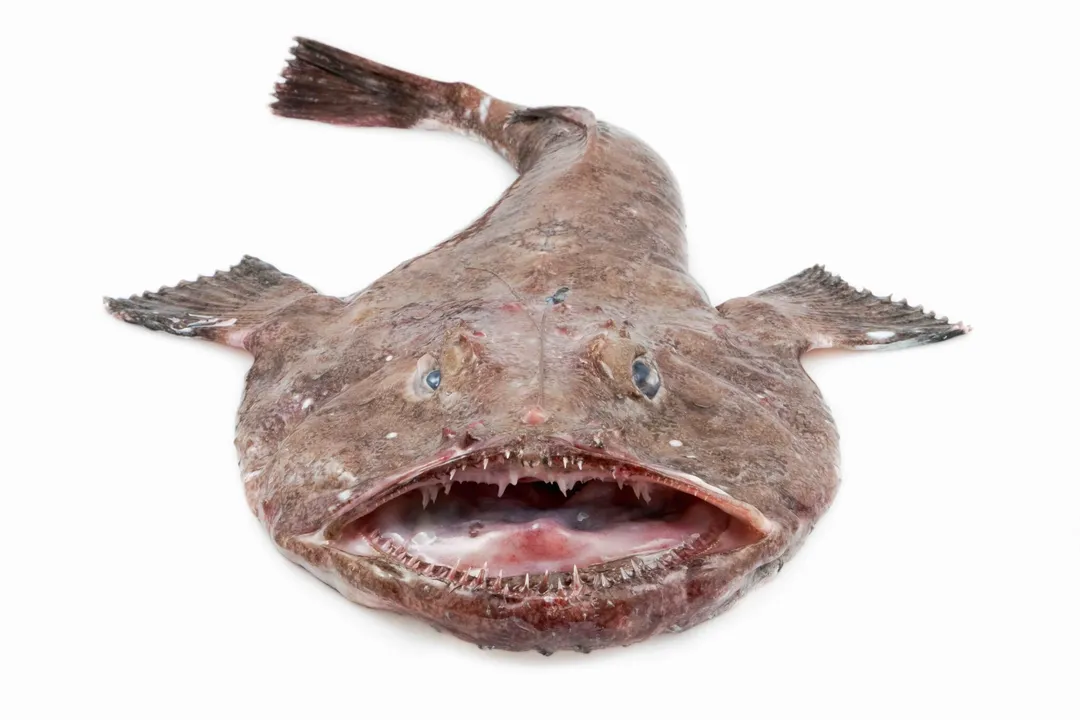
The world of gourmet seafood often reserves its highest praise for creatures that possess the most unassuming, or perhaps even off-putting, exterior. This is certainly the case when pairing the monkfish, also known as the anglerfish, against the wolffish. Both are frequently called the "ugly ducklings of the fish kingdom" due to their somewhat monstrous appearances, yet they command high prices on menus because their flesh is genuinely fantastic to cook with. Deciding which one deserves a spot on your plate requires looking past the initial fright factor and comparing their subtle differences in texture, flavor, and origin.
# Ugly Origins
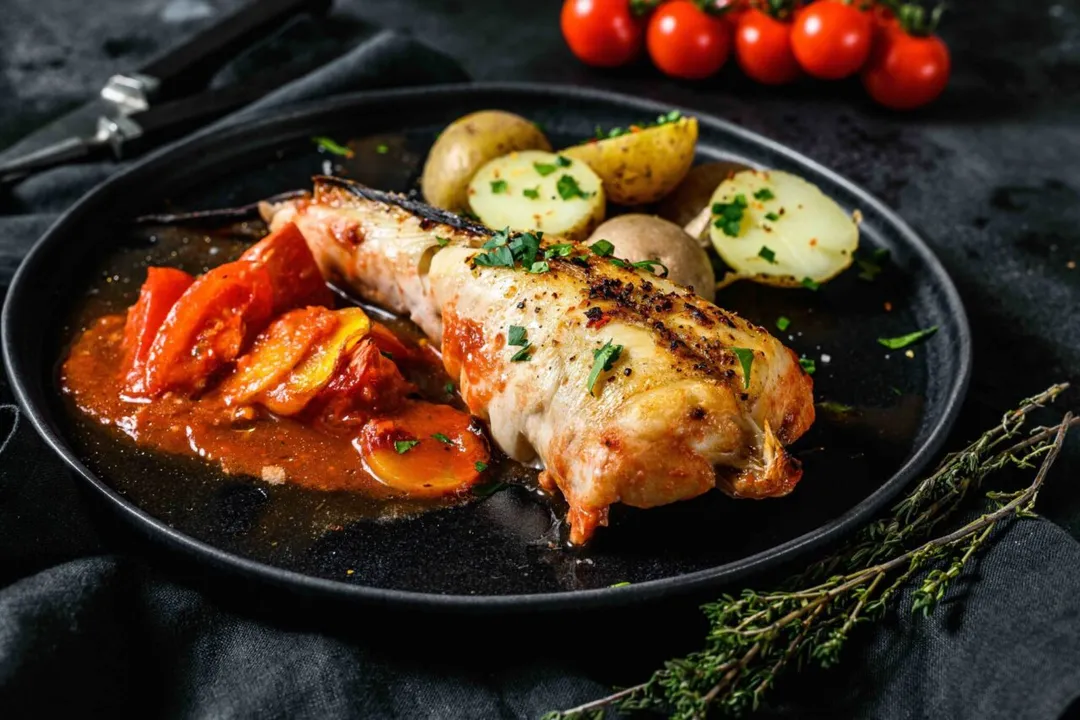
The initial glance at either fish might lead an inexperienced observer to steer clear. Monkfish are famous for their appearance; they are bottom-dwellers that rest with an oversized head and dangle a fleshy, modified spine over their toothy mouth to lure in prey. This feature is why they are nicknamed "anglerfish". In fact, most of the whole fish is taken up by this massive mouth, leading to another common moniker: "allmouth". The monkfish (Lophius piscatorius) has sharp, inward-slanting teeth designed to secure prey, which can include creatures nearly as large as the fish itself, such as crabs and lobsters.
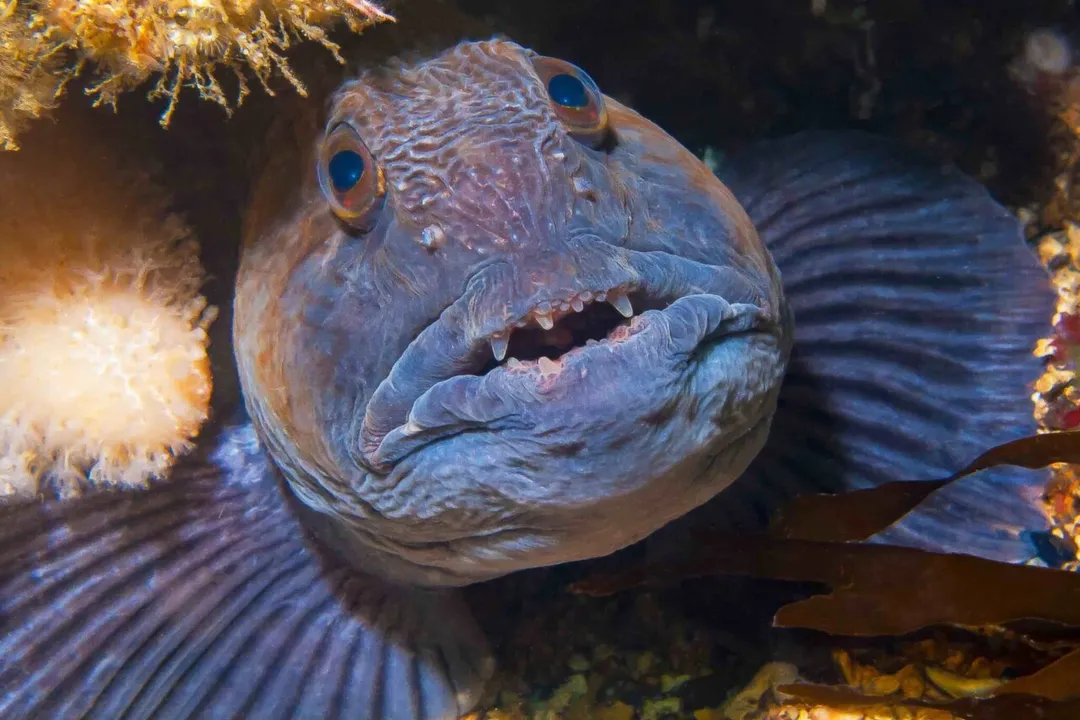
Wolffish, specifically the Spotted Wolffish (Anarhichas minor), also earn their reputation through dentistry. While their head is considerably smaller than that of the monkfish, their teeth are described as even more monstrous. The Spotted Wolffish, also known as the Atlantic Wolf or Leopard Fish, typically features a blue-grey coloring accented with dark vertical stripes. In the wild, they inhabit cold, deep waters like the Barents and North Seas, possessing a natural antifreeze in their blood to survive the extreme temperatures.
# Textural Comparison
Where both fish truly shine is on the plate, particularly concerning texture. Both are celebrated because they are notably firm and do not flake apart during cooking the way groundfish like cod or haddock might.
Monkfish tail meat is famously dense and holds its structure well, which makes it incredibly versatile in the kitchen. This density means that if you are accustomed to preparing delicate white fish, you will find that monkfish requires slightly longer cooking times to reach perfection. Because of this desirable mouthfeel, monkfish is frequently referred to as the "poor man's lobster" in Europe.
Wolffish presents an incredibly white flesh that chefs note holds together exceptionally well, even under challenging service conditions like banquets or off-site catering. Its consistency is often likened to Chilean Sea Bass or Black Cod. When considering which texture might suit a specific application, a chef might note that wolffish is described by some as a mix of black cod and monkfish. For someone specifically seeking that firm, slightly chewy quality reminiscent of shellfish—often desired by those with shellfish allergies looking for a substitute—both species deliver on the promise of density over flakiness.
As a general rule of thumb for the home cook: because both monkfish and wolffish possess significantly denser protein structures than typical flaky fillets, resist the urge to overcook them, but be prepared to grant them a little more time over medium heat than you would a thinner fillet. This density is what allows them to absorb bold marinades without breaking down into mush.

# Flavor Profiles Diverge
While both are firm, their flavor profiles offer distinct experiences. The monkfish tail is often characterized by a mild, sweetish taste. Its diet, which often includes tasty crustaceans like lobster, likely imparts some of that essence, contributing to its "poor man's lobster" reputation.
Wolffish, conversely, is described as having a unique flavor all its own. Sources suggest it is meaty, light, and importantly, not fishy. This allows it to pair well with complex dishes without losing its own identity. A useful comparison is that the wolffish is often compared to a combination of black cod and monkfish, suggesting it carries a richness that might be slightly deeper than the classic sweetness of the monkfish tail. For diners who dislike an overt "fishy" note, the wolffish often satisfies that requirement while delivering a satisfyingly meaty bite.
# Versatility in Preparation
The culinary applications for both fish are broad, as their robust texture means they stand up well to various heat treatments.
Monkfish, primarily served as the tail section since the head is often discarded, can be pan-fried, baked, grilled, steamed, or used in curries and soups. One suggested preparation involves coating the chunks in a mixture of flour and coconut flakes, then frying them until golden brown, served with an Asian-type dipping sauce.
Wolffish is equally adaptable, responding well to high heat preparations like grilling over charcoal, as well as more gentle methods such as sous vide or roasting. Furthermore, one of the key advantages of the Spotted Wolffish is that its skin is edible and can be prepared to achieve a crispy texture, perhaps turned into a savory chicharron appetizer. This adaptability across all heat types makes it a favorite for chefs looking to place the fish on diverse menus.
# Sourcing and Sustainability Context
A significant differentiator between the two fish, especially in modern markets, is the current state of their sourcing and availability. Historically, both fish were somewhat underutilized, but growing appreciation has increased demand.
Wild monkfish is managed by various fishery councils, and while stocks are reportedly rebuilding, knowledge about their population is still developing. In the Dutch fishing industry, monkfish tail is sometimes called staartvis (tail fish). For fresh, wild product, the optimal period seems to center around the late summer through fall, with one source noting the best season runs from July to March.
Wolffish, conversely, has a major sustainability narrative attached to it. Wild stocks have faced scarcity due to high demand, particularly in Northern Europe. However, the Spotted Wolffish is now the subject of the world’s first commercial wolffish farm, located in Norway. This land-based, green energy farm provides a year-round, highly sustainable source, which has earned it endorsement from the WWF because it does not impact wild stocks. These farmed fish are raised without antibiotics or hormones, and their feed conversion ratio is noted as extremely low. The best season for wild wolffish fishing, however, is listed as mid-February to May.
If you are looking to purchase based on timing alone, the seasonal availability offers a choice: if you are shopping early in the year (February through May), the wild wolffish might be in its prime fishing season, whereas monkfish peaks later, running strong from summer into early spring. If sustainability is your primary concern, the Norwegian-farmed wolffish offers a distinct advantage over relying on potentially fluctuating wild catches of either species.
# Final Assessment
Choosing between monkfish and wolffish really comes down to a preference for subtle flavor notes, or perhaps the procurement method available to you. Both are protein-rich, firm, and an excellent upgrade from standard white fish fare.
If you prefer a flavor profile that leans toward the sweet and mild, reminiscent of a lobster tail, monkfish is likely your choice. If you seek a slightly meatier, more unique flavor that still remains decidedly "not fishy," the wolffish—whether wild or farmed—might win out. Furthermore, if you are interested in experimenting with textures that hold up to intense searing and want to try edible, crispy skin, the wolffish presents that extra avenue for preparation. Ultimately, both are testament to the fact that culinary excellence often hides behind the most unappealing disguises.
| Feature | Monkfish (Anglerfish Tail) | Wolffish (Spotted/Seawolf) |
|---|---|---|
| Dominant Flavor | Mild, sweetish | Meaty, light, unique |
| Texture Profile | Dense, firm, lobster-like | Firm, yielding, tender, like Black Cod |
| Preparation Note | Takes slightly longer to cook due to density | Skin is edible and crisps well |
| Sourcing Status | Wild stocks managed; peak season July–March | Highly sustainable, year-round farmed option available; wild peak Feb–May |
Related Questions
#Citations
Monstrously delicious: anglerfish or wolffish - Mooijer-Volendam
Looking for a specific type of fish but I don't know if it exists. Shellfish ...
[PDF] The monkfish: So much more than just a pretty face
Monkfish – As delicious as they are dangerous - Points East Magazine
Spotted Wolffish Introduction - Buena Vista Seafood