How do I make my carrots taste better?
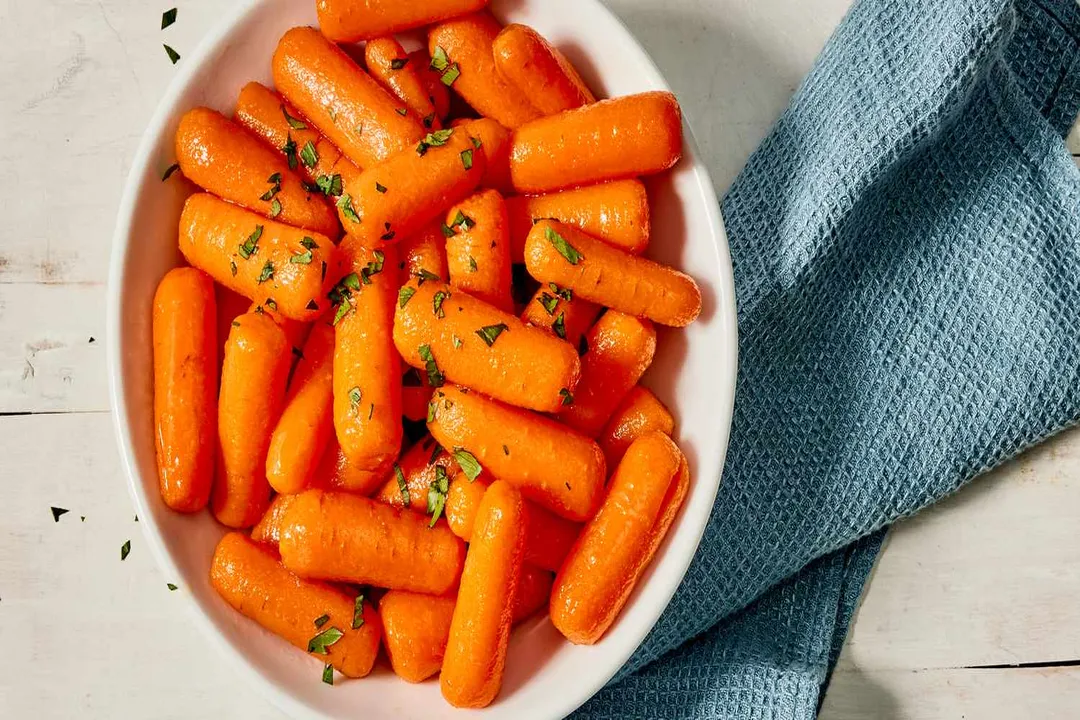
If your carrots are coming out tasting bland or, worse yet, noticeably bitter, the first step to better flavor isn't adding sugar or butter—it's addressing the root of the problem: the vegetable itself or how it's initially treated. [7] Some gardeners note that carrots grown in heavily fertilized soil, particularly those high in nitrogen, can develop a distinctly bitter taste. [7] If you have a batch that tastes off, sometimes soaking the chopped or sliced carrots in water for about 20 minutes before cooking can help leach out some of that unwanted flavor component. [7] Furthermore, the variety of carrot matters significantly. Smaller, thinner varieties often possess a sweeter profile compared to massive, older ones. [1] Selecting fresh, firm carrots that haven't dried out is crucial, as dehydration concentrates less desirable flavors. [5]
# Cooking Method
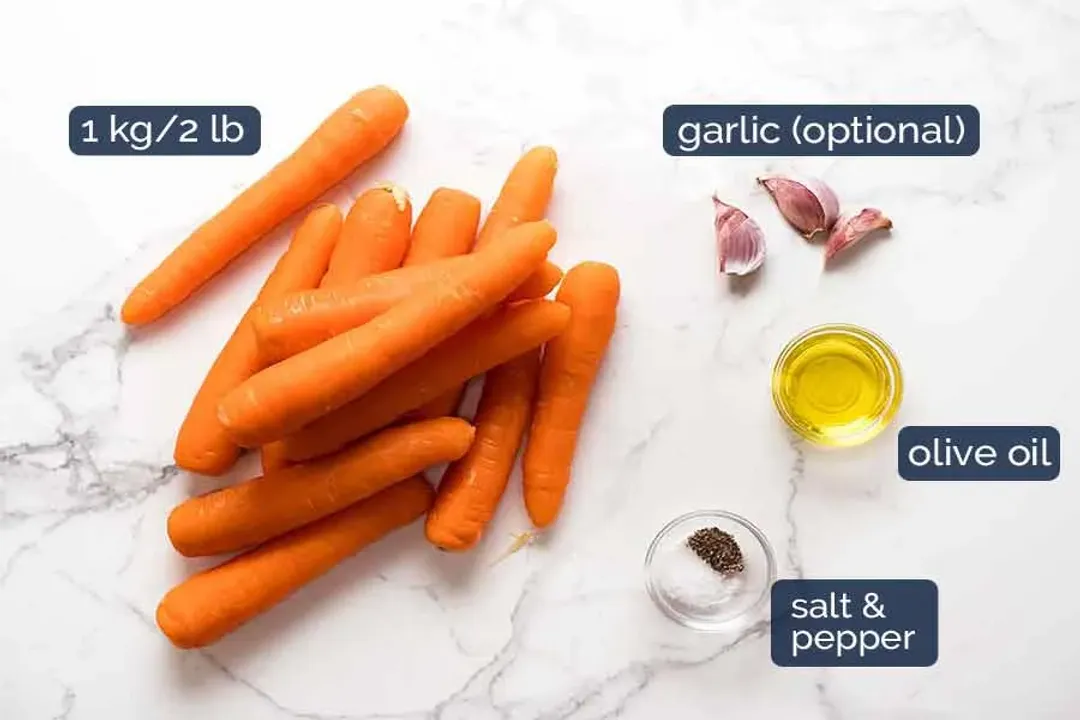
The method you choose to cook your carrots dictates how much natural sugar is concentrated and how much external flavor can adhere to the surface. There is a clear division between techniques that maximize sweetness through dry heat and those that rely on moisture, which can dilute the inherent flavor if not managed carefully. [2][5]
# Roasting Intensity
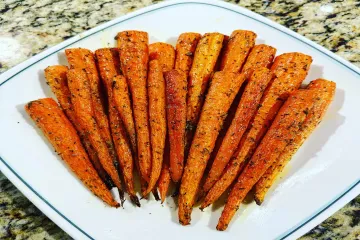
Roasting is frequently cited as the superior method for bringing out deep, natural sweetness in carrots. [5] The high, dry heat encourages caramelization, which is the browning process that creates complex, sweet, nutty flavors. [5] To achieve this, the technique matters more than the seasoning initially. [5]
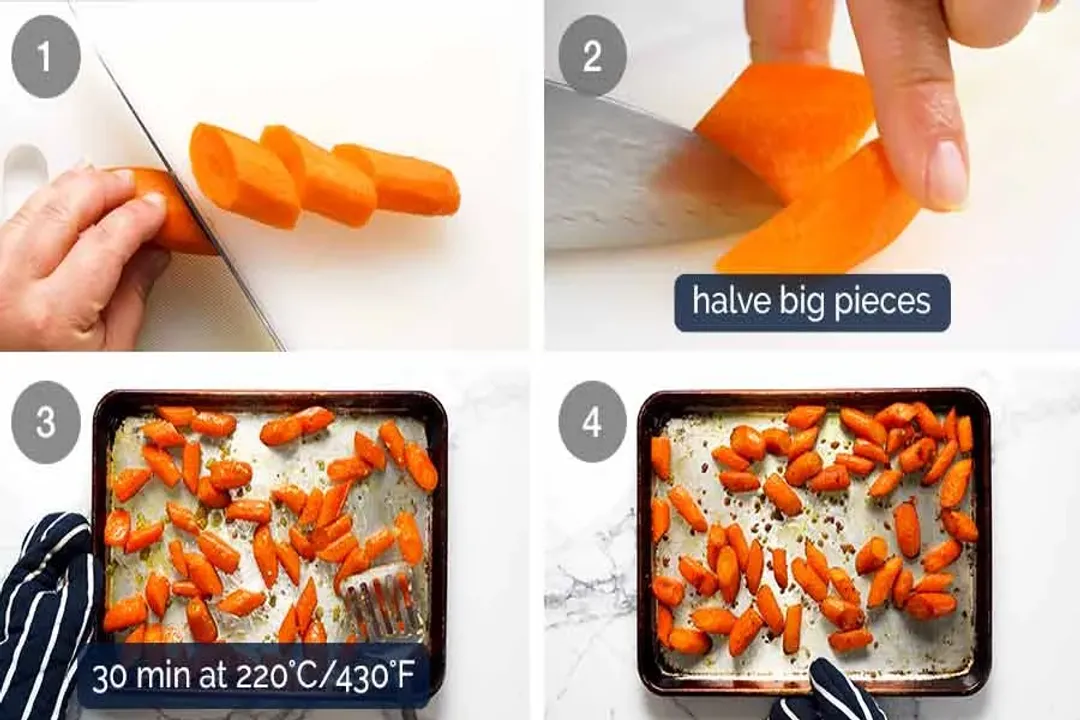
For successful roasting, ensure the carrots are tossed in oil—like olive oil or another suitable high-heat oil—and spread them out in a single layer on a baking sheet. [5] Overcrowding the pan is a common pitfall; if the carrots steam instead of roast, they won't brown well, leading to a duller taste. [5] A temperature around 400°F (about 200°C) is often recommended for a good balance of cooking time and surface development. [5] Some cooks suggest cooking them until they are fork-tender and slightly charred at the edges, which is where the most intense flavor develops. [5]
# Moist Heat Management
When cooking carrots using moist heat, like boiling or steaming, the risk of flavor loss into the cooking water is high. [2] If you are boiling them, cut them into larger pieces to minimize surface area exposure to the water, or consider cutting them after blanching if they are already tender. [1] For boiled carrots, immediately draining and then finishing them with fat and seasoning—rather than serving them straight from the water—is essential. [2] The recipe for simple buttery cooked carrots emphasizes cooking them until tender, draining them well, and then tossing them with butter, salt, and pepper in the pan to coat and reintroduce richness. [2]
A comparison of popular methods highlights this distinction:
| Cooking Method | Primary Flavor Result | Ideal For |
|---|---|---|
| Roasting | Concentrated Sweetness, Nutty Notes | Serving as a standalone side, maximizing natural sugar [5] |
| Glazing | Sweet and Tangy/Savory | Adding a polished restaurant finish, balancing sweetness with acid [4][8] |
| Boiling/Steaming | Mild, Retains some "fresh" carrot flavor | Quick preparation, blending into soups or purees [1][2] |
# Glazing Secrets
Glazing involves coating the carrots in a sweet and often acidic liquid during the final stages of cooking, creating a shiny, flavorful crust. [4][8] This method works well whether you start with roasted, steamed, or simmered carrots. [4]
The core components of a good glaze usually involve a sweetener and a liquid, often with an acid to cut the richness. [4][8] Common sweeteners include brown sugar or honey. [4][8] For the liquid, water is standard, but some preparations use stock or orange juice for added complexity. [4]
A key step often mentioned in glazed carrot recipes is allowing the liquid to reduce down significantly. [4][8] You are aiming for a thick, syrupy coating that clings to the carrot surface, not a watery sauce. [8] In one suggested method, you cook the carrots in liquid until nearly done, then add the sugar and butter/fat, allowing the mixture to bubble and thicken until the liquid coats the back of a spoon. [4] Another approach focuses on using butter, brown sugar, and a splash of something acidic like lemon juice, simmering until the sauce reduces to a thick syrup. [8] This combination of sweet (sugar) and tart (lemon/acid) is crucial because it prevents the final dish from tasting flat or overly saccharine. [8]
If you are adapting a glaze, here is an actionable tip: for every two tablespoons of sweetener (like maple syrup or honey) you use, try incorporating at least one teaspoon of a sharp acid, such as apple cider vinegar or fresh lemon juice. [8] This ratio helps ensure the sweetness is brightened rather than simply heavy.
# Simple Seasoning
Even without elaborate glazing, simple additions can transform the taste of carrots from pedestrian to memorable. [1][3] The general consensus among home cooks is that carrots respond exceptionally well to fat, salt, and an aromatic contrast. [1][2][3]
# Fat and Salt Foundation
Fat carries flavor, and carrots benefit greatly from being coated in it, whether it's olive oil for roasting or butter for finishing. [2][5] A common recommendation is to season generously with salt before or during cooking, not just as a final sprinkle. [1] Salt helps draw out moisture and allows the natural sugars to become more prominent. [1]
# Aromatic Twists
Beyond the basics, introducing aromatics during the cooking process adds layers of complexity.
- Herbs: Fresh herbs can be added toward the end of cooking to prevent burning or flavor loss. Thyme is a classic pairing that complements the earthiness of the carrot. [3] Some cooks suggest adding a sprig of thyme or rosemary to the roasting pan for a subtle infusion. [5]
- Spices: Warming spices are highly effective. Ground cinnamon or nutmeg can bring out the inherent sweetness, making the carrots taste almost dessert-like, especially when paired with maple syrup or brown sugar. [3] Alternatively, a pinch of cumin or smoked paprika can add a savory depth that contrasts nicely with the carrot’s natural sweetness. [1]
- Allium Support: Including aromatics that mellow during cooking can greatly enhance the profile. Sautéing carrots alongside finely minced shallots or garlic in butter before adding any liquid or roasting them imparts a foundational savory note that prevents the final dish from tasting one-dimensional. [3]
# Flavor Pairing
When considering how to make carrots taste better, it's helpful to think about what other flavors they naturally complement, which can guide your seasoning choices. [1][3]
# Savory Pairings
Carrots often accompany richer meats or robust grains, and matching that intensity makes them shine as a side dish. [1] Incorporating bacon fat instead of plain oil for roasting or sautéing provides a salty, smoky depth that is highly praised in community discussions. [1][3] If you prefer a vegetarian route, adding a small amount of soy sauce or a dash of miso paste to the cooking liquid or glaze can mimic that umami depth. [3]
# Sweetness Adjustments
If you find your carrots taste more like vegetable than sweet, you need to concentrate or add sugar, but balance is key. [4][8] While using ingredients like brown sugar or maple syrup is standard for glazes, remember that the natural sugars in carrots are more pronounced when cooked to the point of slight charring. [5]
Here is a general guideline for assessing sweetness needs based on cooking style:
| Cooking Style | Flavor Goal | Necessary Adjustments |
|---|---|---|
| Roasting | Deep, Natural Caramelization | Ensure high heat and single-layer cooking [5] |
| Boiling/Steaming | Bright, Clean | Finish with butter and salt immediately after draining [2] |
| Glazing | Complex Sweet/Sour | Balance sweetener with an acid like vinegar or lemon juice [4][8] |
To truly amplify the experience, consider using contrasting textures. For example, if you roast them until tender, tossing them with toasted nuts, like pecans or slivered almonds, right before serving adds a crucial crunch that makes the soft carrot texture more interesting. [5] This textural contrast is often as important for enjoyment as the taste itself.
# Preparation Nuances
Even before the heat is applied, small choices in preparation affect the final outcome. While roasting often calls for tossing larger chunks or whole baby carrots, the size of the pieces matters significantly when simmering or boiling. [1][2]
If you are aiming for a quick, buttery side dish, cutting the carrots into uniform coins or sticks ensures they all reach tenderness at the same moment. [2] If they are cut unevenly, some pieces will turn mushy while others remain slightly firm, leading to an inconsistent eating experience. [1] When glazing, smaller, thinner sticks or rounds allow the glaze to adhere more evenly across the surface area compared to thick, uneven logs. [4]
My personal observation from reviewing several successful methods suggests that for the best results across all styles—roasting, glazing, or sautéing—aim for pieces that are no thicker than about three-quarters of an inch across. This size allows the exterior to achieve deep flavor development (caramelization or glaze reduction) while the interior becomes tender, all within a reasonable cooking window, preventing flavor loss from overcooking in liquid. [1][5]
#Videos
3 Simple Tricks To Improve Your Roasted Carrots - YouTube
How to Make Martha Stewart's Brown Sugar Glazed Carrots - YouTube
Related Questions
#Citations
Tips to make carrots taste better? : r/Cooking - Reddit
Buttery Cooked Carrots Recipe - Allrecipes
What do you put in your cooked carrots to make them taste better?
Glazed Carrots - Dinner at the Zoo
Great Roasted Carrots - RecipeTin Eats
3 Simple Tricks To Improve Your Roasted Carrots - YouTube
What can be done with bitter carrots? - Seasoned Advice
Sweet and Buttery Glazed Carrots (15-Minutes) - Familystyle Food