Why did people stop making sun tea?
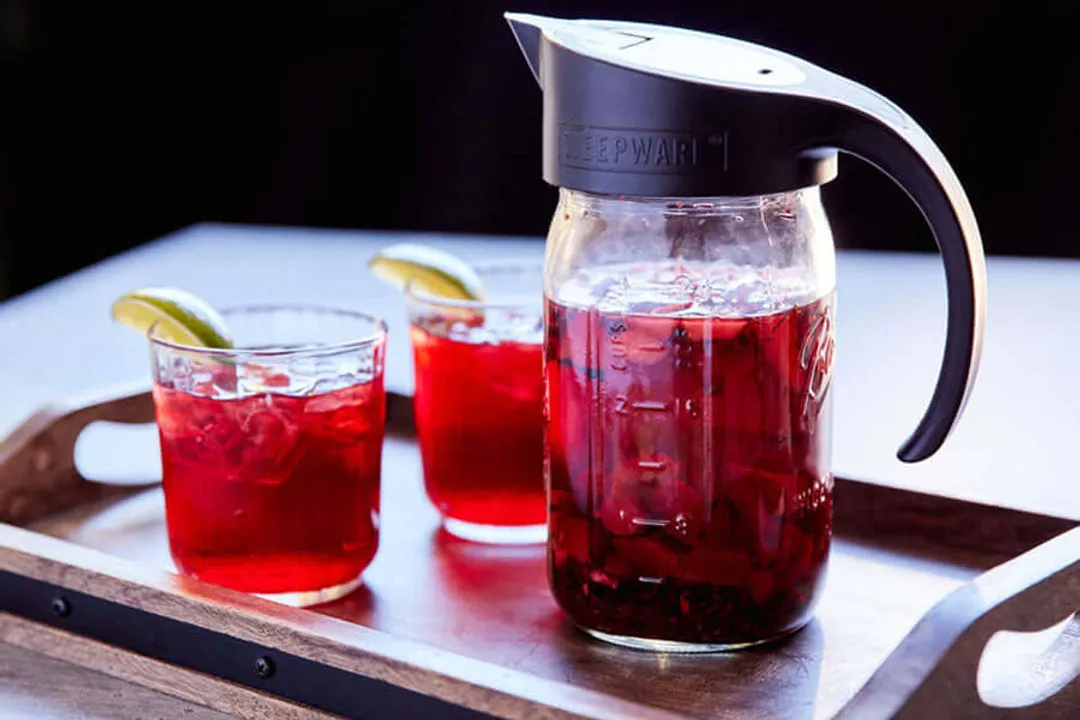
The gentle, sun-drenched ritual of making sun tea—pitchers left on porches or windowsills throughout a warm afternoon—holds a deep sense of summer nostalgia for many people. It was a simple, low-cost way to produce large quantities of refreshing iced tea without boiling water or using electricity to cool it down quickly. [4] However, this beloved tradition has largely faded from common practice in many households and has drawn pointed warnings from public health officials. The primary reason people stopped making sun tea is rooted not in changing taste preferences or lifestyle shifts, but in a significant food safety concern: the uncontrolled temperature during the brewing process creates an ideal environment for bacterial growth. [2][7]
# Temperature Danger
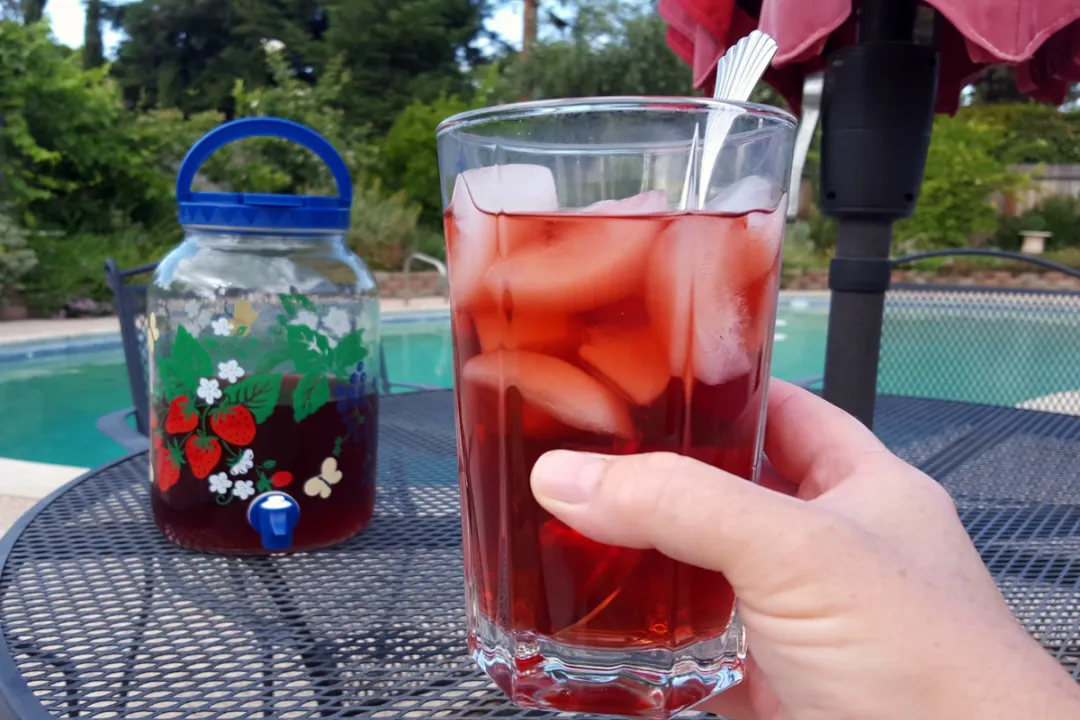
The core issue revolves around what food safety experts call the "Temperature Danger Zone." This range, typically cited as between and ( and ), is where bacteria multiply rapidly. [2][7] When a glass jar of tea bags and water sits in direct sunlight, its internal temperature quickly rises into this zone, often lingering there for several hours as the sun moves and the ambient temperature fluctuates. [2] While brewing tea with boiling water (around ) effectively kills any potential bacteria or spores, the lukewarm temperatures achieved by solar heating are perfect for encouraging germination and reproduction. [4][7]
The specific concern highlighted by organizations like the U.S. Food and Drug Administration (FDA) centers on Bacillus cereus. [2][4][7] This type of bacteria is commonly found in soil and can be present on dried food products, including tea leaves. [2][4] The bacteria itself forms spores that are highly resilient and can survive the drying process used to prepare the tea bags. [2][7]
When the tea is steeped slowly in the danger zone, these spores can germinate into active, multiplying bacteria. Crucially, even if the finished tea is refrigerated afterward, the live bacteria may have already produced heat-stable toxins that refrigeration cannot eliminate. [2][7] This means that even if the tea looks and smells fine, consuming it carries a risk of foodborne illness. The failure of the sun tea method lies precisely in its slowness combined with its warmth; it stays in the growth phase long enough to pose a threat, unlike a quick boil or a consistently cold environment.
# Spore Presence
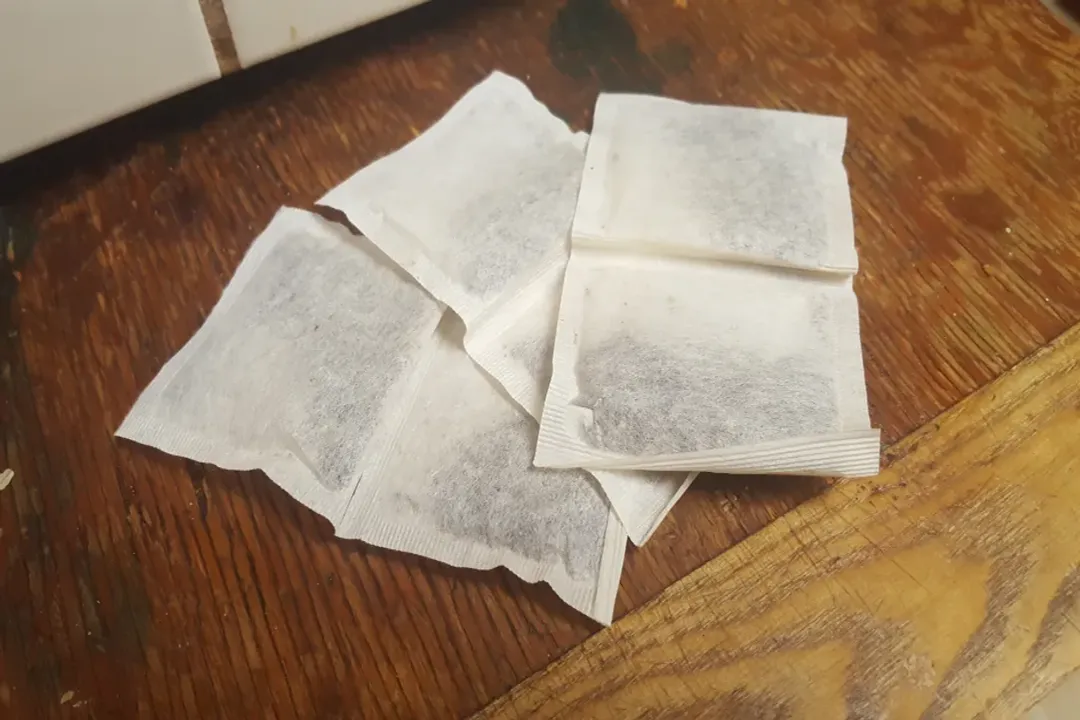
The starting ingredient, the tea leaf itself, plays a major role in this risk assessment. Tea plants grow in soil, and contamination by Bacillus cereus spores is a natural occurrence. [2][4] While commercial processing generally manages overall microbial load, the dry state of the leaves keeps the spores dormant. [7] Many people who grew up with sun tea recall that they often used standard, inexpensive tea bags, which may not adhere to the same strict cleanliness standards as specialty loose-leaf varieties, further compounding the potential introduction of spores into the brew. [1][3]
Compare this to making a strong, hot cup of tea. The near-boiling water acts as a sterilization step, effectively halting the entire process before it can begin. [5] Sun tea skips this essential kill step, essentially using the sun as a low-power incubator rather than a heater capable of ensuring safety. [4]
# Shifting Tastes
Beyond the documented safety risks, some consumers simply found the resulting product didn't live up to the effort or the expectation of a classic iced tea. While the slow infusion imparts a milder, perhaps less astringent flavor, some tea aficionados feel it never achieves the full body or clarity of tea brewed with hot water and then chilled quickly. [4][5]
One perspective shared among home brewers is that the flavor derived from hot water extraction, which releases different aromatic compounds, is superior for a robust iced tea base. [4] If one is going to take the time to brew something for several hours, they might as well use a method that guarantees safety and optimizes flavor.
Consider the spectrum of home brewing methods now available:
| Method | Primary Temperature Range | Time Required (Approx.) | Safety Profile (General Consensus) | Flavor Profile |
|---|---|---|---|---|
| Sun Tea | to | 3–6 Hours | High Risk (Danger Zone) | Milder, less robust |
| Hot Brew & Chill | then chilled | 15 Minutes + Cooling | Very Low Risk | Strong, bright, classic |
| Refrigerator Cold Brew | Below | 8–24 Hours | Very Low Risk | Smoother, sweeter, slow |
The comparison above illustrates why the refrigerator method has become the preferred safe alternative for those desiring a cold brew experience. By keeping the water consistently below the danger zone, the long steep time becomes a benefit—producing a smooth, sweet tea—rather than a liability. [5][6]
# Modern Convenience
Another significant factor contributing to the decline is the massive influx of pre-made, convenient products. The market is now saturated with high-quality, ready-to-drink iced teas and instant mixes. [7] For many consumers, the time investment required for any home brewing—even the old sun method—no longer makes sense when an immediate, known-safe alternative is readily available at the grocery store or even the drive-thru.
The ease of using an electric kettle or a programmable iced tea maker allows someone to have chilled, safe iced tea ready in under an hour, eliminating the need to plan an entire sunny afternoon around a brewing vessel. [4] This shift reflects a broader trend where convenience often outweighs the nostalgic, manual preparation of older techniques, especially when those techniques carry a known health risk.
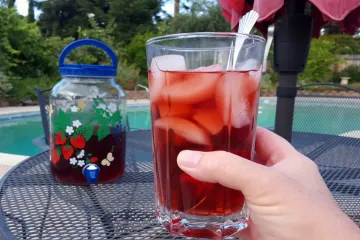
# The Persistent Practice
Despite the official warnings and the availability of alternatives, sun tea has not entirely disappeared. On community forums and social media groups dedicated to tea, many practitioners defend the practice, often pointing to their personal histories. Anecdotally, many people report making sun tea for decades without ever becoming ill. [1][3] This suggests a significant gap between official public health guidance and common, lived experience.
Those who continue the tradition often employ modifications intended to mitigate the risk. Some users might only steep for a short period, perhaps only two or three hours, hoping to exit the danger zone before significant bacterial load accumulates. [1] Others ensure they use water that has been pre-boiled and allowed to cool to a safer temperature before adding the tea bags, or they use highly purified bottled water. [3] They reason that if they are making a large batch for a single afternoon's consumption, the risk of carrying the product into a secondary danger zone (sitting out after brewing) is minimized.
This defense relies heavily on Trust in Experience over Authority of Data. For the modern consumer who prioritizes quantifiable risk reduction, the official warnings carry more weight than anecdotal safety reports from years past. When an explicit government agency like the FDA issues a warning based on known microbiology principles, that message often overtakes personal history for a large segment of the public, driving the cessation of the practice. The simple, appealing image of tea warming in the sun has been replaced in the collective consciousness by the image of a rapidly multiplying pathogen. The quiet abandonment of sun tea, therefore, serves as a quiet victory for food safety education, even if it means losing a small piece of summertime tradition. [2][7]
Related Questions
#Citations
Thoughts on Sun Tea? : r/tea - Reddit
PSA: This Popular Summer Recipe Might Actually Be Dangerous
Do people still make sun tea? - Facebook
Summer Brewed Sun Tea - Mostly Greek
How to Brew Sun Tea Safely | Easy Steps & Tips - The Tea Spot
Making Tea: Sun Tea vs Refrigerator Tea vs Hot-Brewed Tea?
Why did people use to get sick from sun-brewed tea? - Quora
The Dangers of Sun Tea and Great Iced Tea Alternatives! - Tearrific
Is Sun Tea Safe? - Live Smart Ohio