Is sun tea stronger than regular tea?
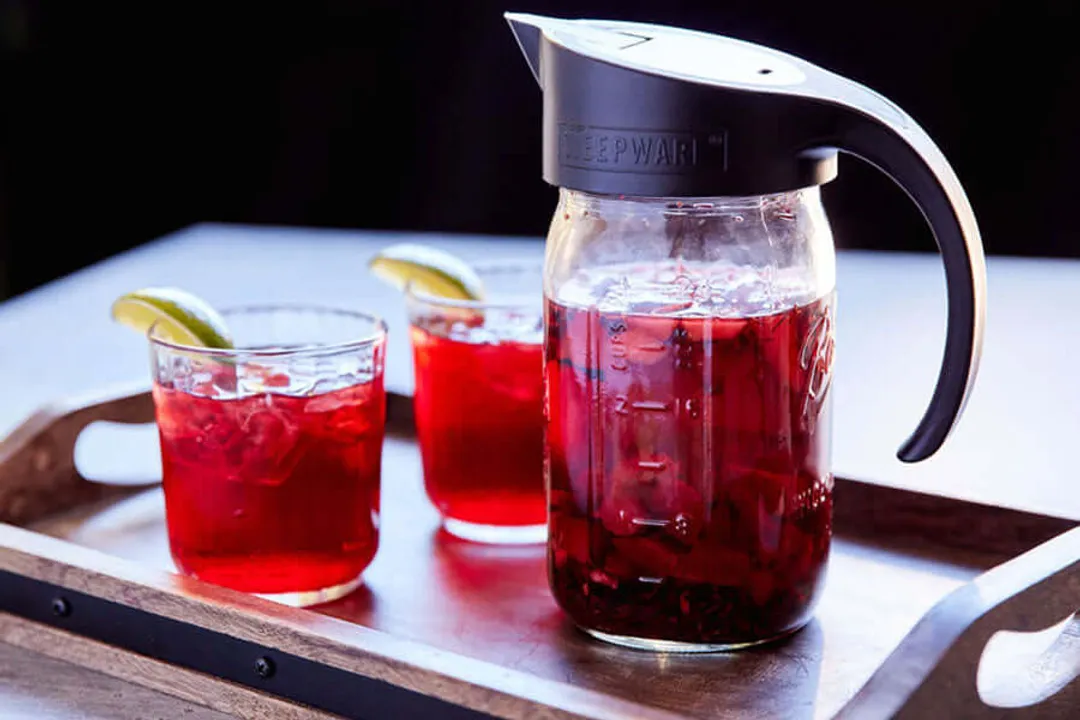
The golden jar left on the porch, slowly brewing a deep amber liquid, has long symbolized summer refreshment for many tea drinkers. This ritual, known as making sun tea, often sparks a quiet debate among enthusiasts: is this sun-drenched brew inherently stronger than the tea we make traditionally, either with boiling water or slow refrigeration? The answer isn't a simple yes or no, as "strength" can refer to concentration, caffeine level, or simply the perceived flavor intensity, all of which are impacted by the unique, low-heat environment of the sun jar. [2][5]
# Defining The Process
Sun tea preparation is straightforward, relying on solar energy rather than a kettle. The basic method involves placing tea bags or loose-leaf tea directly into a clear glass container filled with cool or room-temperature water. [7] This vessel is then set outside, typically on a porch or in direct sunlight, where it can steep for several hours—often four to six hours, or even longer. [4][1] Some aficionados even leave it out overnight, though this practice often relates more to convenience than chemistry. [5] Unlike traditional hot brewing, which uses temperatures near boiling (around 212°F or 100°C) to rapidly dissolve and extract the tea solids, sun tea relies on ambient warmth, keeping the water significantly cooler for an extended duration. [5]
# Extraction Chemistry
When we talk about strength in tea, we are largely discussing the concentration of dissolved solids—tannins, polyphenols, catechins, and flavor compounds—that migrate from the leaf into the water. [2] Hot water is an incredibly efficient solvent. The high kinetic energy of the boiling water molecules breaks down the leaf structure quickly, releasing a vast array of compounds rapidly. [5] This speed often leads to a very strong, highly pigmented brew in a matter of minutes.
Sun tea, operating at much lower temperatures, extracts these components much more slowly. [2] Because the water temperature is lower, it cannot break down the tea leaves' cellular structure as effectively or as quickly as boiling water. Proponents sometimes claim the resulting tea is stronger due to the extended exposure time—sometimes sitting for half a day—allowing a slow, steady buildup of flavor. [1] However, chemically speaking, this argument often misses a key point: lower heat correlates to lower extraction efficiency for many key flavor elements. [5] For instance, while you might pull out some compounds over six hours in the sun, the total dissolved solids are often lower than what a quick five-minute dunk in near-boiling water achieves. [2]
For those seeking the absolute highest concentration of tea solids, including caffeine and bitterness, the hot brew method remains superior due to the physics of heat transfer and solubility. [5] A user looking for a very strong flavor might find that sun tea falls short when directly compared to a standard hot brew using the same amount of tea. [2]

# Flavor Versus Potency
The distinction between strength and flavor profile is where sun tea gains its dedicated following. While it may not be objectively stronger in terms of total dissolved solids than a hot brew, its taste is undeniably different. [2] The cooler brewing temperature prevents the extensive release of certain astringent compounds, namely tannins. [2]
Tannins are responsible for the sharp, drying sensation you feel in your mouth after drinking over-steeped black tea. Because the sun's heat is moderate, it preferentially extracts the more soluble, brighter flavor notes while leaving a larger percentage of the bitter tannins behind. [2][5] The result is a brew that often tastes smoother, less bitter, and easier to drink without added sweetener or milk. [2] This perceived ease of drinking might be interpreted by some as a different kind of "strength"—a flavor that stands up well on its own without being overwhelmingly sharp. This flavor distinction is what separates it from a refrigerator cold brew as well; while cold brew in the fridge is slow and low-temperature, the sun provides a slight, fluctuating boost in warmth that the consistent chill of the refrigerator lacks. [2]
# The Bacterial Concern
Perhaps the most critical difference between sun tea and other methods lies in safety, overshadowing the discussion of flavor strength entirely for many experts. [3] The method of preparing sun tea often places the water and leaves directly in the temperature danger zone—the range between about 40°F and 140°F (4°C and 60°C) where harmful bacteria can multiply rapidly. [3][7]
When you use room-temperature tap water to start, and then expose the container to sunlight, the temperature often hovers right in this problematic range for hours as it heats up but rarely reaches the consistent high temperatures needed to sanitize the mixture. [3] Bacteria, such as Bacillus cereus, which is commonly found in soil and can contaminate tea leaves or dust settling on the container, thrive in these conditions. [3] A traditional hot brew kills these potential pathogens instantly by reaching boiling temperature; even refrigeration keeps the tea safely below the growth threshold. [3] This means that while a sun tea might taste milder, it carries a distinct, often unacknowledged, risk of spoilage if left out too long or if the water/container was not perfectly clean to begin with. [7]

# Drawing Comparisons
To organize this, it helps to visualize the trade-offs between the three main brewing techniques: hot brew, refrigerator cold brew, and sun tea.
| Method | Typical Temperature | Extraction Speed | Primary Flavor Notes | Safety Profile |
|---|---|---|---|---|
| Hot Brew | Near Boiling (195–212°F) | Very Fast (3–5 min) | Full-bodied, potentially astringent | Very Safe (Kills most bacteria) |
| Refrigerator Cold Brew | Consistent Low (35–40°F) | Very Slow (8–16 hours) | Smooth, low bitterness, high sweetness | Very Safe (Stays out of danger zone) |
| Sun Tea | Variable Warm (70–130°F) | Moderate (4–8 hours) | Smooth, mild, less bitter than hot | Highest Risk (Spends time in danger zone) |
If your primary goal is maximum strength and safety, hot brewing is the winner. If your goal is maximum smoothness with high safety, the overnight refrigerator method is best. [2][3] Sun tea sits uncomfortably between these two poles, offering a unique flavor at a heightened risk. [7]
# Optimizing Sun Tea Results
Given the unique extraction dynamics, if one is determined to make sun tea, adjusting the input variables can help manage the outcome. Since the temperature is lower, a simple adjustment to the ratio of tea to water can compensate for less aggressive extraction. Consider using approximately one-third more tea by weight than you would for a standard hot brew to achieve a comparable concentration of flavor compounds, even with the slower process. [1] This accounts for the less vigorous release of solids without drastically increasing the steeping time past the point where potential bacterial issues become more pronounced.
For instance, if you typically use one standard tea bag per eight ounces of water for hot tea, try using one and a half or even two bags for the same volume when brewing in the sun. This slightly increased leaf density helps ensure you pull enough desirable flavor compounds before the ambient temperature quits extracting them.
Another valuable consideration, often overlooked, relates to the type of tea used. Darker teas, like robust black teas (e.g., Assam or Ceylon), tend to hold up better to the extended, gentler sunlight exposure than delicate green or white teas, which might oxidize or develop off-flavors more readily under fluctuating conditions. [5] If you are making sun tea, start with teas known for their resilience.

# Reaching Desired Strength Safely
Ultimately, whether sun tea is "stronger" depends on what you are measuring. If strength means extracting the maximum amount of tannins and caffeine, then no, it is not stronger than a proper hot steep. [2][5] If strength means a flavorful, ready-to-drink tea that avoids the harshness of a rapidly brewed cup, then many people find it satisfyingly potent in its own way. [2]
For those who love the idea of sun tea but are wary of the microbiological risks, a hybrid approach is advisable. Start the tea in the sun for a couple of hours to let the initial flavor extraction begin gently, warming the water naturally. Then, move the jar into the refrigerator for the remainder of the steeping time (perhaps another four to six hours). [3] This method utilizes the initial sun exposure for a gentle start but finishes the process in the safety of cold storage, minimizing time spent in the bacterial danger zone while still achieving a flavor profile distinct from a purely refrigerated cold brew. It allows the tea to mellow while ensuring food safety standards are met, offering the best of both worlds for the cautious summer sipper. [7]
Related Questions
#Citations
Can someone explain sun tea to me? : r/tea - Reddit
Is sun tea really any stronger or better than cold brewed refrigerator ...
Sun Tea | Summer's Controversial Beverage
Making Tea: Sun Tea vs Refrigerator Tea vs Hot-Brewed Tea?
Sun Tea: So Much More Than Sun-Brewed Tea - Food Republic
Is sun tea less flavorful than hot tap water tea? - Facebook
How to Brew Sun Tea Safely | Easy Steps & Tips - The Tea Spot
How is sun tea different than traditionally brewed tea? - Quora
"Sun tea" vs. cold brew - Steepster