Why are tea bags pyramid-shaped?
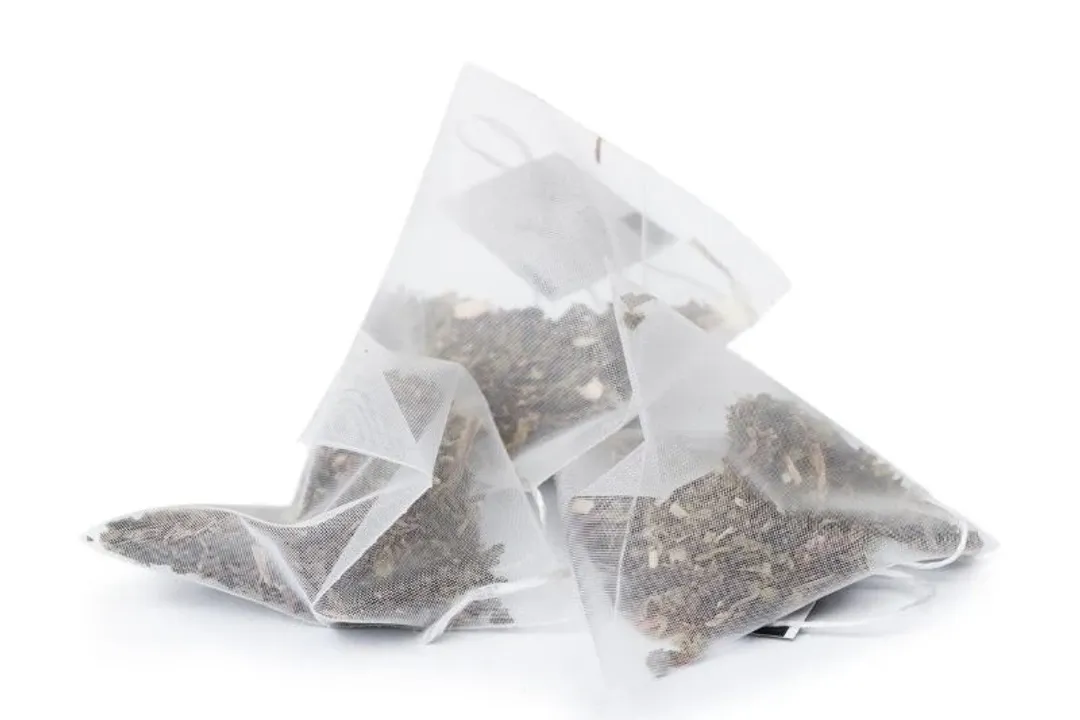
The modern tea experience often hinges on convenience, yet for many tea lovers, the pre-packaged bag has long been a compromise—a trade-off made to avoid the mess of strainers and the time investment of a full teapot. For decades, the flat, square, or sometimes round paper envelope dominated the market, often delivering a brew that tasted more like warmed paper than actual tea. Then came the geometric shift: the pyramid tea bag. This three-dimensional sachet arrived promising to bridge the gap between the speed of a bag and the nuanced flavor extraction of quality loose leaf, fundamentally altering expectations for quick brewing. [1][5] The question isn't merely about aesthetics; this novel shape is a direct engineering choice intended to unlock the full potential of the tea leaves held within.
# Historical Shift

The history of the tea bag itself is somewhat debated, with early forms possibly dating back to the Tang Dynasty in paper pouches, though the modern iteration solidified in the early 20th century with cotton mesh patents. [1] By the 1950s, tea bags were firmly embedded in the culture, catering to a lifestyle demanding speed and less cleanup. [1] The next major iteration was the introduction of the round tea bag in 1989. [1] However, the true revolution began later when Brooke Bond, a Unilever brand associated with PG Tips, spent four years developing the pyramid design, introducing it to the market roughly around 1996 or 1997. [1] This introduction sparked commercial rivalry, notably with Tetley, who championed the round design. When PG Tips advertised the superiority of their pyramid bags, Tetley complained to the UK's Advertising Standards Authority (ASA). The ASA ultimately sided with Unilever, upholding claims that pyramid-shaped bags provided better brewing efficiency based on comparative testing. [1][5] This validation solidified the pyramid shape not just as a trend, but as a demonstrable step forward in tea bag technology.
# Three Dimensions Superiority
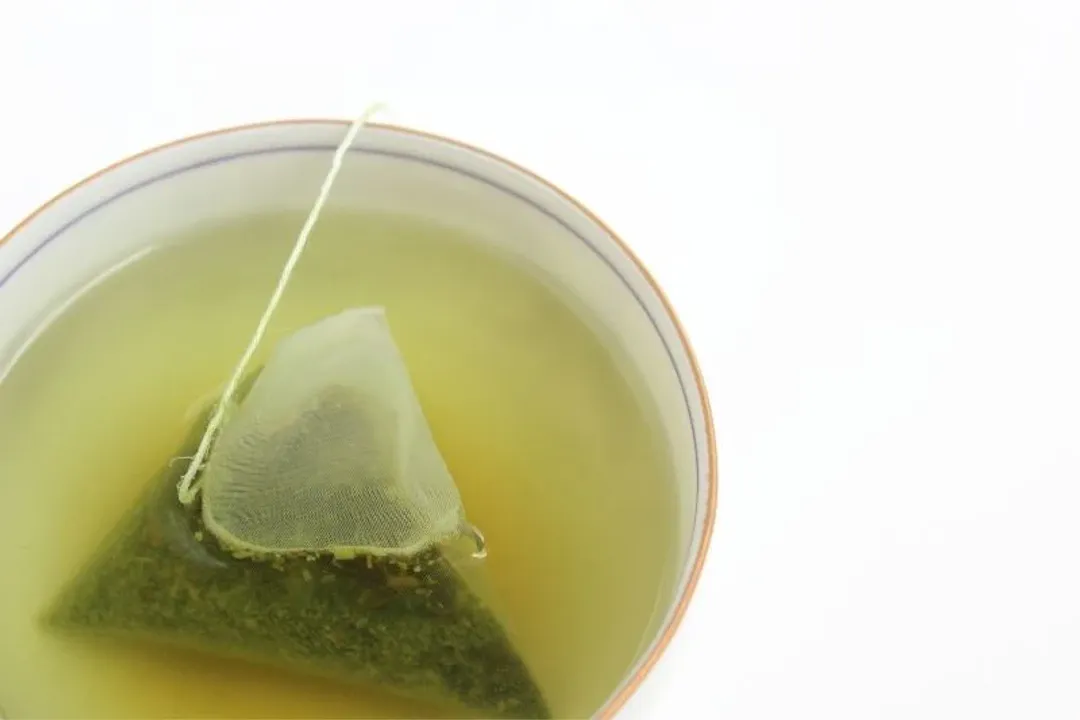
The fundamental difference between a traditional flat bag and a pyramid sachet lies in geometry and available volume. [1][3] A flat tea bag is inherently two-dimensional, forcing the tea leaves into a compressed layer against the material walls. [3] The pyramid, or tetrahedron, shape introduces a vital third dimension, creating a substantially greater internal capacity for the same amount of dry tea material. [1]
This increased volume is where the magic of extraction truly begins. When hot water hits the tea, the leaves require room to move, absorb liquid, and unfurl—a process essential for releasing their complex oils and flavors. [3] In a flat bag, expansion is severely restricted, leading to inefficient use of the tea mass. [4] The pyramid shape ensures that the leaves can swirl, tumble, and circulate in a near-circular motion when the water is poured in, much like they would in a traditional teapot or a spacious metal infuser. [1][5] This active movement ensures that all particles come into consistent contact with the brewing water, maximizing flavor dispersion throughout the cup. [1]
Considering the physics of this design, the pyramid shape is engineered to optimize the rate and thoroughness of extraction. While a flat bag may expose a large surface area to the water initially, this is often limited by the compacted nature of the contents. The pyramid, conversely, maximizes the usable surface area by facilitating three-dimensional flow patterns within the bag itself. This means that water doesn't just wash over the exterior; it actively penetrates the entire volume, leading to a richer, more complete saturation and flavor profile, essentially mimicking the ideal loose-leaf environment. [1] For a connoisseur looking for immediate results, this volumetric efficiency translates directly into a cup that tastes more like traditional brewing, just faster. [1]
# Leaf Grade Elevation

The space afforded by the pyramid design has a direct correlation with the quality of the tea used. [1][5] Traditional, low-cost tea bags often rely on fannings and dust—the very small, broken remnants of tea production. [1][4] These tiny particles release their flavor aggressively and quickly, leading to over-extraction, bitterness, or simply a one-note "tea dust" taste. [1]
Because the pyramid sachet provides ample room, tea producers can confidently fill it with larger, whole, or high-quality cut leaves. [1][3] Whole leaves retain more essential oils and natural compounds, offering a superior flavor complexity and aroma that broken fragments cannot match. When these larger leaves have the space to fully expand, they release their full character, which is why pyramid bags are often associated with "premium" selections. [5] This shift is crucial: the pyramid bag solved a historical packaging paradox—how to offer the quality of loose-leaf tea in a convenient format. [5] The ability to accommodate diverse ingredients like dried fruit pieces, flowers, and spices also becomes easier, leading to creative, complex blends that would simply clog or be impossible to effectively brew in a flat sachet. [1][5]
This design philosophy caters directly to the evolving consumer desire for quality without sacrificing modern speed. Many consumers today seek the holistic benefits and flavor integrity associated with specialty tea but operate on schedules that do not permit long steeping times or cleanup involving pots and strainers. [1] The pyramid bag is the physical manifestation of that market demand: achieving premium convenience.
# Material Matters
While the shape dictates how the tea infuses, the material dictates what infuses with the tea, leading to significant consumer consideration regarding health and sustainability. [3][4] Historically, many tea bags were made from materials like nylon or plastic, which are heat-resistant but raise concerns about potential microplastic shedding when steeped in hot water. [1][4] Even seemingly benign paper bags often rely on a heat-seal strip made of polypropylene plastic to prevent them from tearing open during use, meaning a significant portion of the bag may not biodegrade.
The shift to the pyramid shape often coincided with a push toward better materials. [3] High-quality pyramid bags frequently utilize alternatives like silk, paper, or, most commonly, plant-cellulose materials like PLA (Polylactic Acid). [3] PLA is derived from renewable resources such as corn starch or sugarcane. [1][3] Companies specifically promoting this feature often stress that their bags are plastic-free, compostable, and biodegradable, thus eliminating the issue of ingesting microplastics from the bag itself. For example, some brands use materials chemically similar to Soilon, which is made from plant starch, does not emit harmful gases when burned, and can be composted. [1]
This material evolution is an important counterpart to the shape innovation. A superior shape filled with questionable material still falls short of the ideal. A tea lover today can look for bags explicitly marked as unbleached (avoiding chlorine byproducts) and fully plant-based to ensure both optimal flavor extraction and minimal environmental or ingestion risk.
# Practical Perks
Beyond the core mechanics of flavor release, the pyramid design offers several tangible advantages for the daily user. Because the mesh or weave of the pyramid bag generally allows for higher water permeability compared to tightly woven paper, the brewing process is often quicker. [1] This efficiency means you can achieve a satisfying steep in a shorter timeframe, and proponents suggest the resulting infusion may even stay hotter longer than in thinner, flatter alternatives. [1]
Furthermore, the sturdiness derived from the three-dimensional structure makes these sachets more resilient to wear and tear compared to traditional flat bags, which are more prone to tearing or bursting during handling or prolonged steeping. [5] This durability makes them particularly suitable for travel, as they are less likely to suffer damage when packed away. [5] For those who prefer to savor the lighter notes of a premium tea over multiple cups, high-quality pyramid bags can sometimes be successfully re-steeped two or three times, with the flavor profile becoming milder on the second or third infusion. [1] Finally, the aesthetic value cannot be overlooked. The elegant, translucent, silken appearance of a pyramid bag brewing is inherently appealing, lending a sense of occasion to even a quick desk-side cup, making them a popular choice for luxury tea gifting. [5]
#Videos
What makes a pyramid tea bag unique? | Unilever Food ... - YouTube
Related Questions
#Citations
What's the Deal with Pyramid Tea Bags?
Just "how bad" are the pyramid bags? : r/tea - Reddit
What makes a pyramid tea bag unique? | Unilever Food ... - YouTube
Why Pyramid-Shaped Tea Bags are Considered Better
What are pyramid tea bags, why are they premium and benefits
Plastic-Free Tea Bags: Tease Pyramid Tea Bags
Why Pyramid Teabags are Better? - Citea