What is a sun tea?

Sun tea carries with it a distinct sense of summertime nostalgia, evoking images of porch swings, long, slow afternoons, and pitchers beaded with condensation. At its most fundamental, making sun tea is an ancient, simple method of infusion where tea leaves or bags are steeped in water exposed to the sun’s natural heat, rather than being steeped in kettles of boiling water. [3][6] This technique results in a brew often described as smoother and less bitter than its hot-brewed counterpart, a characteristic often attributed to the lower, slower extraction process. [3] Unlike traditional brewing where hot water immediately extracts tannins, the gentle warmth of the sun coaxes the flavor out over several hours, offering a different chemical interaction within the beverage. [3][9]
# Solar Steeping
The concept relies entirely on solar energy to warm the water enough to extract the necessary compounds from the tea leaves—the color, the aroma, and the flavor. [6] While modern tea enthusiasts often turn to precise temperature-controlled kettles for optimal performance with delicate greens or whites, sun tea traditionally uses heartier teas, most commonly black tea, though herbal and green varieties can certainly be used. [9] Many people associate the method with large, clear glass containers, often a gallon-sized jar, left outside on a deck, windowsill, or porch to catch the full intensity of the daylight. [4] This method functions somewhat like a large-scale, solar-powered version of cold brewing, relying on time rather than high temperature to achieve saturation. [9]
# Preparation Steps
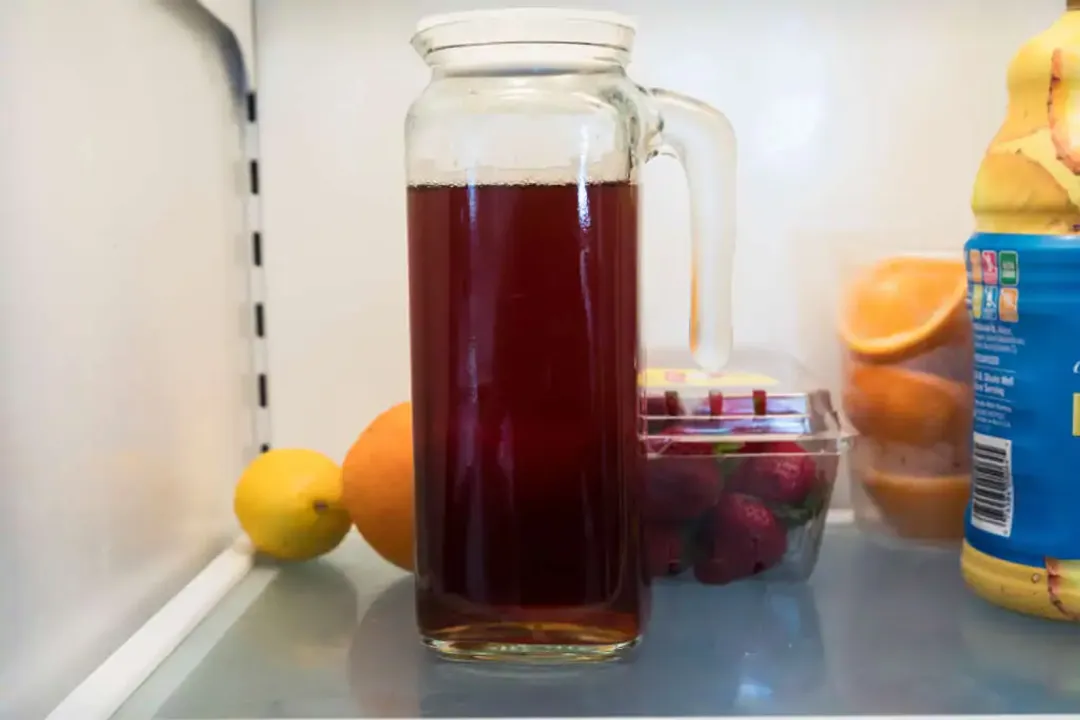
The actual preparation is straightforward, which is part of its enduring appeal, especially for casual summer sipping. [4][1] The general consensus for making a standard batch starts with obtaining a clean, clear glass container, often a gallon jar, as transparency is key to absorbing solar energy. [4][3]
The steps generally proceed as follows:
- Water and Tea Ratio: Decide on your base. A common starting point for a gallon of sun tea is using about eight standard tea bags or the equivalent amount of loose-leaf tea. [4] If you prefer loose leaf, some experienced brewers suggest using about one rounded teaspoon per cup of water you intend to brew, adjusting for the large volume. [1]
- Combine Ingredients: Place the tea bags or loose tea directly into the clear container and fill it with cool, clean water. [3] The water source matters; while tap water is common, utilizing filtered or distilled water can marginally reduce the initial level of naturally occurring microbes you are introducing to the brewing environment. [1]
- Sun Exposure: Seal the container tightly and place it in an area that receives direct, uninterrupted sunlight. [4] The duration is variable, but recipes often suggest anywhere from three to five hours, depending on the intensity of the sun and your preference for strength. [1][4]
- Finishing: Once the tea has reached the desired strength—it should look nicely colored—remove the tea bags or strain out the loose leaves immediately to stop the steeping process. [4] At this point, many drinkers prefer to remove the jar from the heat and place it directly into the refrigerator to cool completely before serving. [4]
If you are making this on a particularly hot day, say one where the ambient temperature is consistently above 90°F, the water inside a clear glass jar exposed to direct sun can often reach temperatures in the 120°F to 140°F range. While this is warm, it is frequently not hot enough to reach the boiling point or even the sustained high temperatures (above 180°F) needed to kill off all potential microbial life quickly, which becomes the central issue with this preparation method. [3]
# Bacterial Risks
Despite its widespread tradition, particularly in the American South, sun tea carries significant food safety warnings from many health organizations. [5][3] The core concern revolves around the temperature attained during the infusion period. Safety experts point out that the temperature window between about 40°F and 140°F is known as the "danger zone" for food, as this range allows many types of harmful bacteria to multiply rapidly. [3]
When you steep tea in boiling water (212°F), you are effectively sterilizing the liquid, ensuring that bacteria are killed off immediately. [3] Sun tea, however, often sits in that danger zone for hours. If the tea bags, the water, or the jar itself carried any contaminants, the slow, warm environment provides an ideal incubator for these microbes to thrive. [3][5] Bacillus cereus is one bacterium often cited in relation to improperly handled brewed teas, as it can survive boiling temperatures and then proliferate when the tea cools slowly. [3]
Food safety guidelines from sources like the USDA and the FDA generally advise against making sun tea because of this inherent risk of bacterial proliferation when brewing at suboptimal temperatures. [3][5] While a glass jar left in the sun might feel hot, it often fails to reach the sustained heat necessary to ensure safety when compared to traditional stovetop or electric kettle brewing methods. [5]
# Food Safety Stance
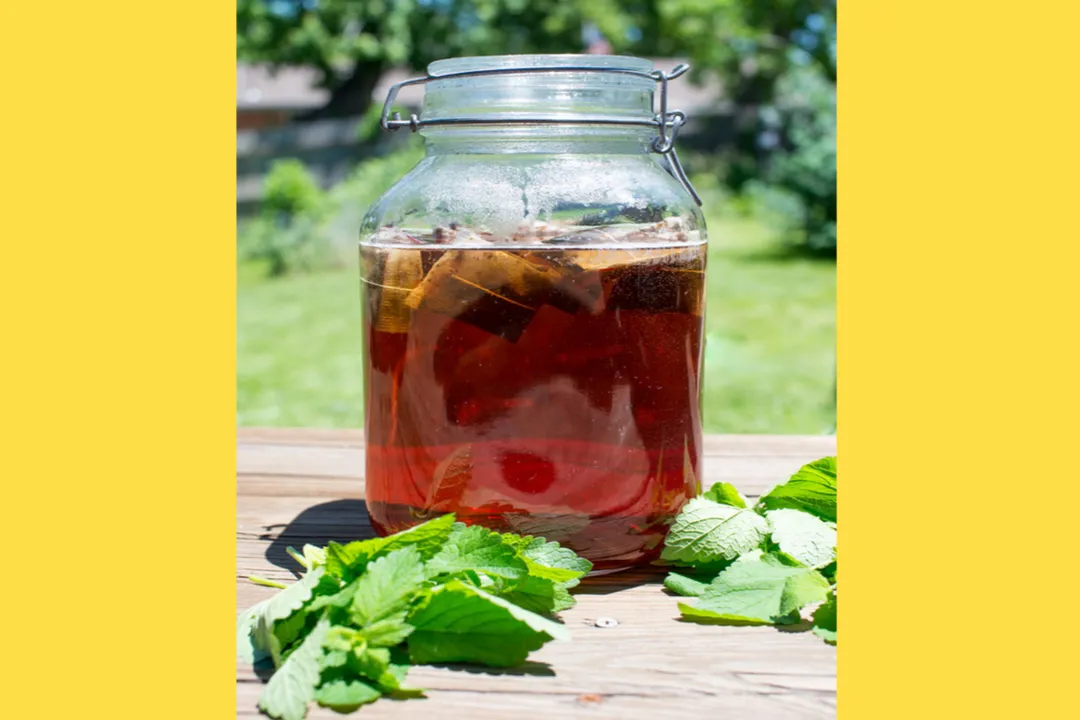
The contrast between tradition and official advice creates a clear divide in how sun tea is viewed. On one side are long-time practitioners who grew up drinking it without incident, often citing the use of filtered water or the quick removal of the tea bags as sufficient protection. [1][6] They might argue that because the tea is brewed quickly and immediately refrigerated, any potential risk is minimized. [1]
On the other side are food safety authorities who maintain that the method inherently carries a risk that hot brewing avoids entirely. [5] Their stance is built on the premise that safety should not depend on variables like the intensity of the sun on a given day or the cleanliness of a specific jar, but on a guaranteed sterilization temperature. [3] From a purely scientific standpoint, hot brewing is safer because it controls the temperature variable completely. [3] If you absolutely must adhere to the sun tea method, removing the tea and chilling the beverage quickly, ideally within three hours of starting the brew on a sunny day, is the recommended best practice to limit bacterial exposure time. [5]
# Flavor Adjustments
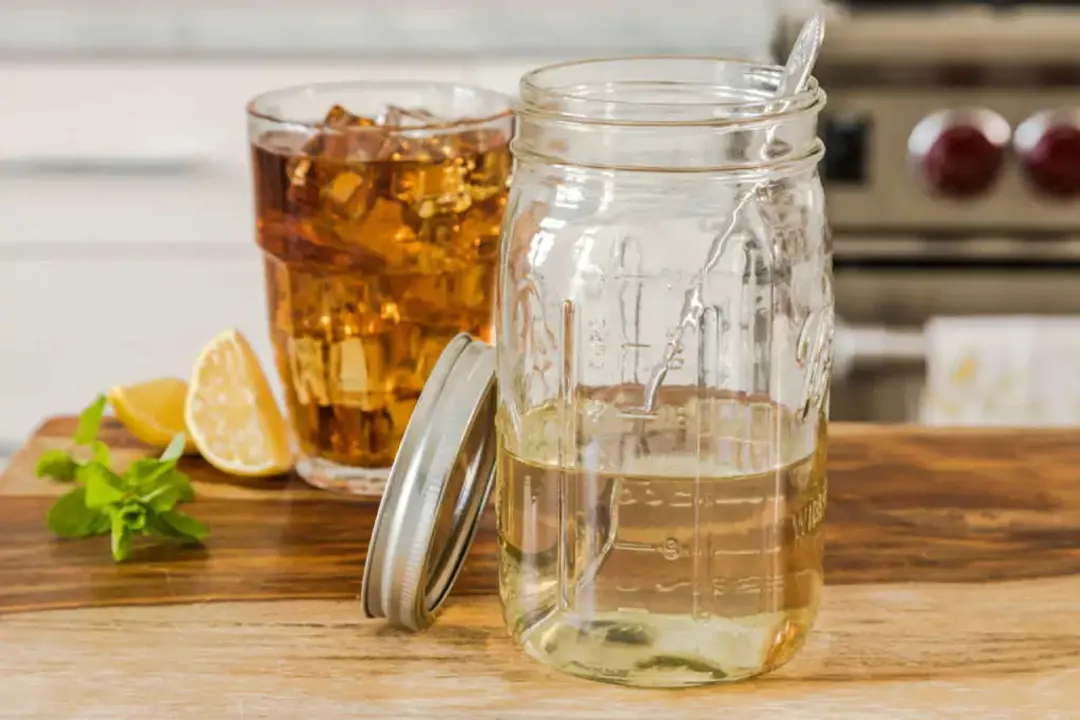
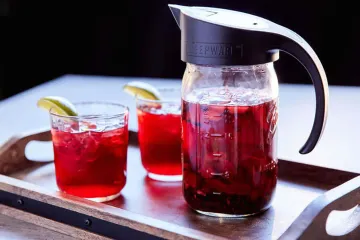
Whether one chooses to brew traditionally or adopt the solar method, the finishing touches define the final experience. [4] Sun tea is typically served cold, making it an excellent canvas for additions. Common accompaniments include a squeeze of fresh lemon, often paired with a sweetener like sugar or simple syrup to balance the inherent slight bitterness, even in a smooth sun brew. [4] Herbal teas can also be used to create caffeine-free infusions, though they might not achieve the same deep color as a black tea base. [9] For a truly traditional Southern experience, one might pair it with unsweetened iced tea staples like peach slices or mint sprigs. [4]
If you find your sun tea comes out a bit too pale—perhaps you used a cooler day or a lower-tannin tea—you don't have to wait for another day of perfect sun. A quick and safe way to adjust the strength is to brew a very small, highly concentrated batch of hot tea (using twice the tea bags in half the water) and then blend this hot concentrate into your cooled sun tea base until the color and strength meet your expectations. This gives you the flavor profile you want without leaving the main pitcher out to languish in the sun past its safe cooling point. The key difference in flavor, regardless of the brewing temperature, is often in how the tannins are extracted; lower temperatures result in fewer dissolved tannins, leading to less astringency, which is why many people prefer the sun-brewed result when they drink it plain. [3]
#Videos
HOW TO MAKE SUN TEA - YouTube
Related Questions
#Citations
Can someone explain sun tea to me? : r/tea - Reddit
Making tea in the sun. We also call it Sun Tea! Mmm. Mmm. Good!
Sun Tea | Summer's Controversial Beverage
How to Make Sun Tea - The Pioneer Woman
HOW TO MAKE SUN TEA - YouTube
Brew Sun Tea with Kids - Tinkergarten
Is Sun Tea Safe To Drink? We Asked The FDA - Southern Living
How to Make Sun Tea and Cold Brew Iced Tea - Luzianne Tea