Can you make sun tea in the shade?
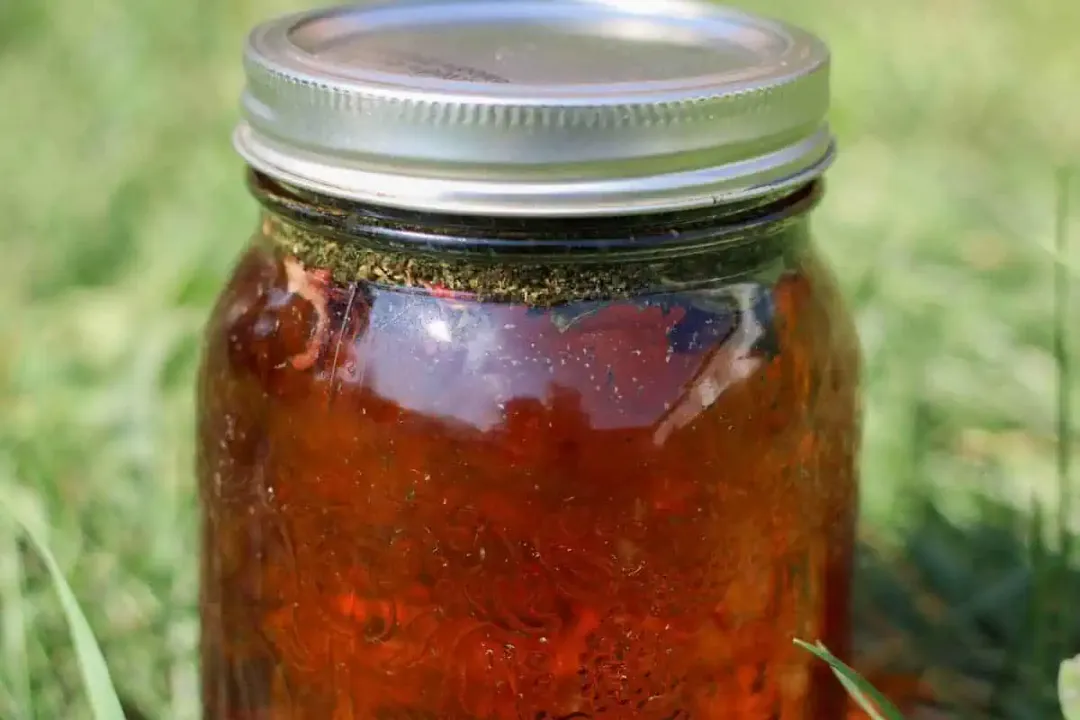
The gentle, sun-warmed jar of freshly brewed tea seems like a quintessential summer memory, a simple pleasure achieved by setting a glass container outside and letting nature do the work. It’s the perfect way to create a large batch of refreshing iced tea without needing to boil water or constantly monitor a stovetop infusion. Yet, when the sun ducks behind the clouds or when your perfect patio spot is entirely shaded, the question naturally arises: can you still make sun tea in the shade? The answer, technically, is yes, but the process fundamentally changes, moving away from the traditional definition of "sun tea" and introducing different considerations for flavor and safety.[2]
# Steeping Method
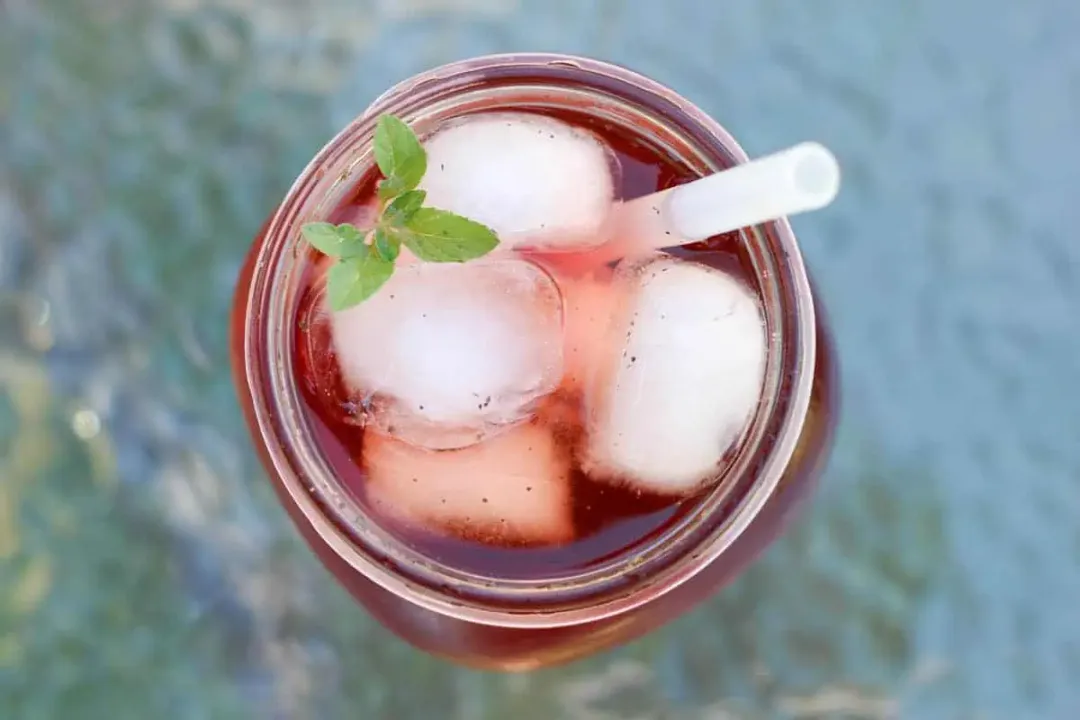
Making sun tea relies on a straightforward infusion process. You take a clean, clear glass container—a large Mason jar or pitcher works well—fill it with water, and add your tea. This can be loose leaf tea or tea bags. [5][6] The ratio of tea to water is crucial for achieving a strong flavor that stands up well to ice later on. Many methods suggest using about twice the amount of tea you would typically use for hot tea, since the infusion process is much slower. [6] For example, if you usually use one tea bag per cup hot, you might use two bags per cup when making it in bulk for sun tea. [1] Once the water and tea are combined, the container needs a tight-fitting lid to prevent debris or insects from getting in during its outdoor stint. [5]
# Heat Source
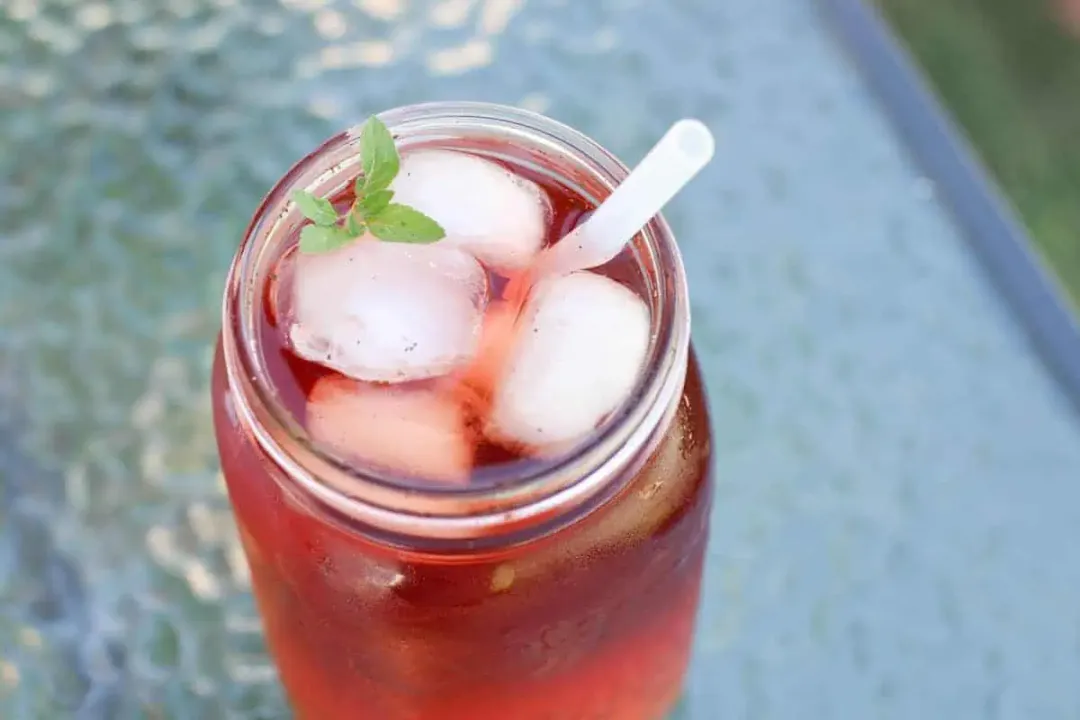
The traditional concept of sun tea hinges entirely on the sun. The heat generated by direct sunlight is what warms the water, allowing the oils and flavor compounds in the tea leaves to extract efficiently over several hours. [1][7] This is essentially a long, slow warm steep. Depending on the intensity of the sun and the ambient temperature, this process usually takes anywhere from three to six hours. [1][6] Once the tea has reached the desired strength—often described as being dark enough that you can barely see through it—it should be brought inside and the tea bags or leaves removed promptly. [7] Leaving the tea bags in past this point can result in over-extraction, leading to bitterness. [6]
# Shade Brewing
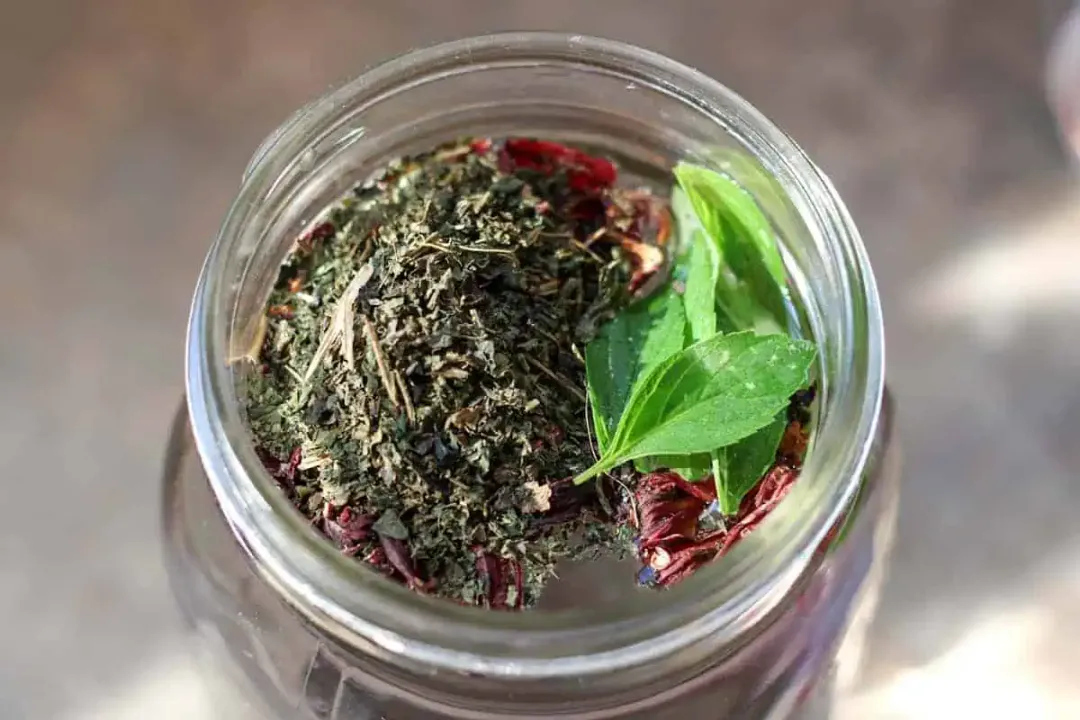
When the sun isn't available, the process relies solely on the ambient temperature of the surrounding air—making it an extended, room-temperature steep, often referred to by purists as a "shade steep." One source confirms that making tea this way is indeed possible, but it requires significantly more time than its sunny counterpart. [2] If direct sunlight is absent, the water temperature will remain much lower, meaning the extraction of flavor compounds happens at a much slower pace. [2]
If you are aiming for the strength achieved in four to six hours under direct sun, you might need to leave the tea sitting out for an entire day, or even overnight, in the shade. This deviation from the rapid warming provided by the sun is where the primary distinction—and concern—arises. The flavor profile might also differ; the gentle, slow extraction in the shade might yield a smoother taste profile, perhaps closer to a traditional cold brew if the ambient temperature is cool enough, whereas a hotter sun steep extracts different compounds faster. [2]
If you are making a fruit-infused sun tea, for instance, leaving it in the shade overnight might be feasible for flavor infusion, provided safety guidelines are strictly followed. [4] Hibiscus tea, which relies on steeping dried flowers, can also be prepared this way, though time adjustments are essential. [8]
# Temperature Risks
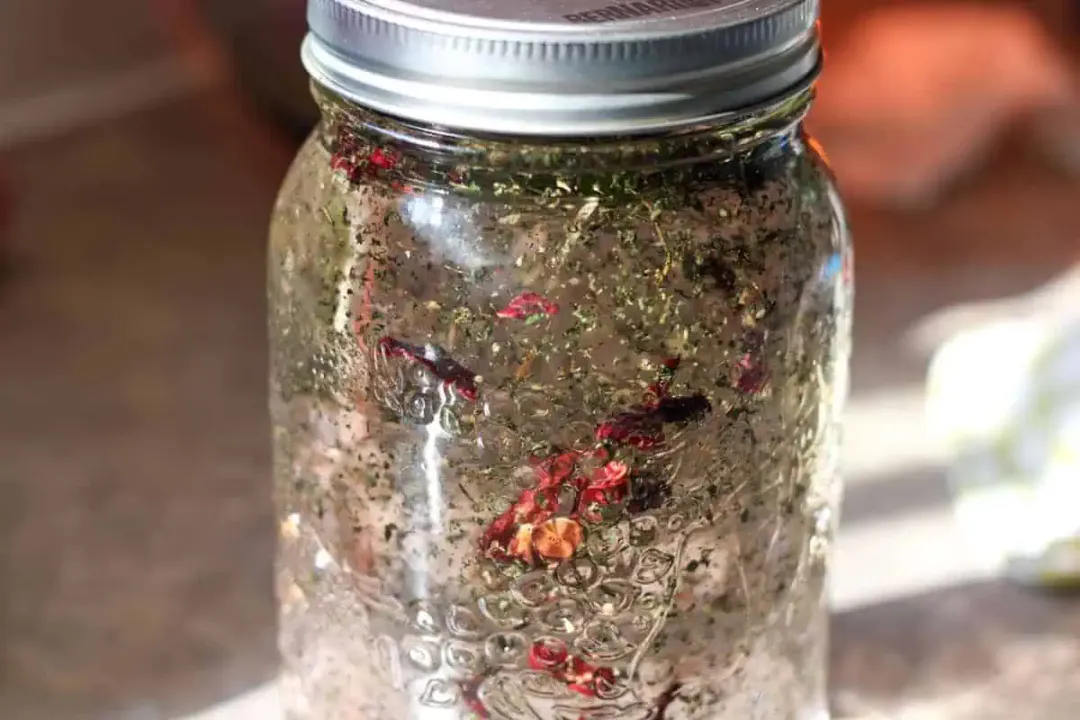
The major reason many food safety experts advise caution around sun tea—whether made in the sun or the shade—centers on the danger zone for bacterial growth. Bacteria thrive in temperatures between 40°F and 140°F (about 4°C and 60°C). [2] Sun tea, especially when made in a dark glass jar, can easily reach temperatures in the upper end of this zone, which helps inhibit microbial growth during the infusion period. [2]
However, tea brewed in the shade will likely remain near room temperature, perhaps around 70°F to 80°F on a warm day, which is squarely in the danger zone. [2] If you let the tea sit in the shade for the six to eight hours required for a strong brew, you are essentially leaving food at room temperature for a prolonged period. This presents a real opportunity for bacteria to multiply, creating an unpleasant or potentially unsafe beverage. [2] This is why many experienced tea drinkers who make sun tea insist on strict timelines, regardless of whether it's sunny or shady: once the desired color is reached, the tea must be refrigerated immediately. [1][6] If you are steeping in the shade, you must monitor the clock even more closely than if the sun were helping to keep the temperature up.

# Brewing Tips
Regardless of where you place your jar—in the sun or in the shade—a few general guidelines help ensure a great result. If you are adding fruit to enhance the flavor, such as citrus slices or berries, it is often best to add these after the initial tea infusion is complete and the tea is strained, or right before chilling. [4] This prevents the fruit from breaking down too much or introducing unwanted textures into the final product.
When you decide your tea is ready, whether after four hours in the bright sun or eight hours in the deep shade, the next step is critical for both flavor and food safety. Strain out all loose leaves or remove the tea bags. If you used fruit slices in the main infusion, strain those out too. [5] Then, chill the tea quickly. The goal is to move it out of the temperature danger zone as fast as possible.
For those who prefer a very mellow flavor without any bitterness, consider this approach: use your normal hot-brew tea ratio but steep it in a pitcher of cool, filtered water overnight in the refrigerator—a true cold brew. While not "sun tea," it offers unparalleled smoothness and is perfectly safe. If you must keep the spirit of the outdoor brew, but the sun isn't cooperating, place your tea-filled jar in the shadiest, coolest part of your porch or patio where air circulates well. Calculate your necessary steeping time based on ambient temperature—if it’s 65°F outside, you might need 12-15 hours for a decent steep, but you must bring it in before it ever approaches room temperature for a full 24 hours. A good rule of thumb for any room-temperature steep outside of direct sunlight is to limit the process to no more than 8 hours, then chill immediately, even if it seems slightly weaker than you prefer.
This preference for quick chilling and immediate cooling, whether the initial steep was in bright sun or deep shade, speaks to the core difference between a safe, well-made tea and one that has lingered too long in an uncertain thermal environment. [2][6] The primary difference between shade and sun preparation, therefore, is not if it can be done, but how long you can safely leave it unattended before it requires refrigeration.
Related Questions
#Citations
How To Make Sun Tea
Thoughts on Sun Tea? : r/tea
Making sun tea in the south
How to Make Foolproof Fruited Sun Tea
The safe way to make sun tea
How to Make Sun Tea | Easy Recipe
How to Make Sun Tea: A Simple Summer Brewing Method
How To Make Sun Tea