Is New Jersey Tea edible?
The possibility of making a refreshing, natural beverage from a common North American shrub is a compelling idea for foragers and gardeners alike. New Jersey Tea, scientifically known as Ceanothus americanus, has a long-established reputation tied directly to its edibility, specifically for crafting an herbal infusion that substitutes for commercial tea. [1][6] The plant itself is a small, deciduous shrub, recognizable by its dense clusters of small, white flowers that bloom in late spring or early summer. [5][7]
# Plant Identity
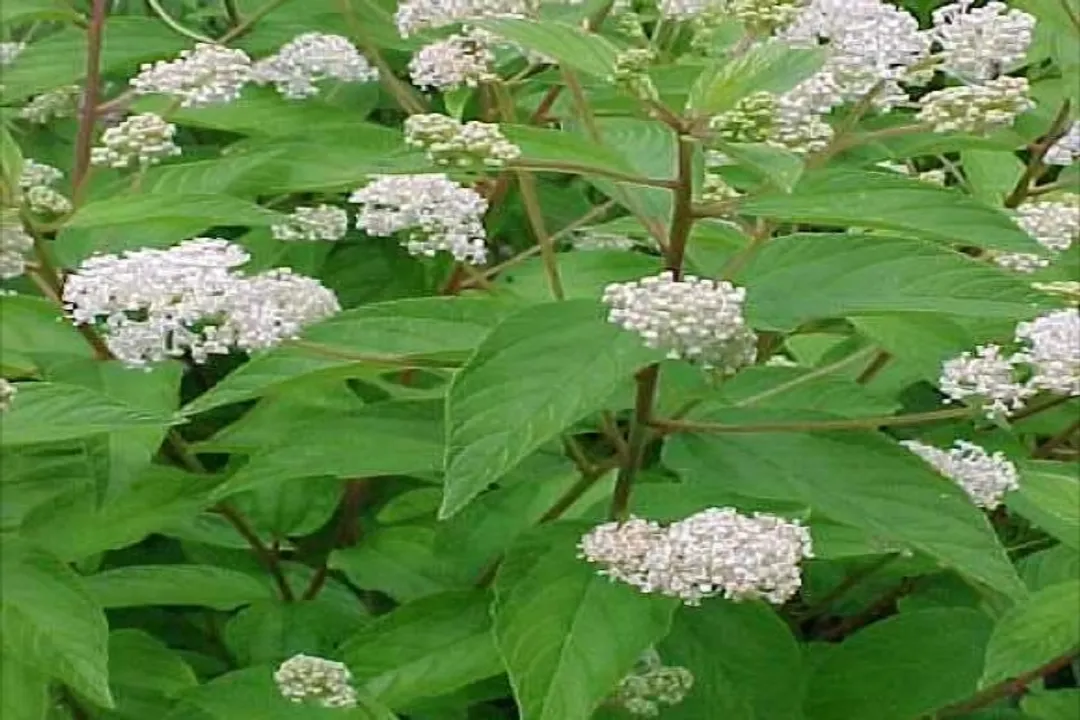
This shrub belongs to the Ceanothus genus. [2] While the common name points specifically to New Jersey, the plant has a wide native distribution, ranging across much of eastern and central North America. [2][7] It is also sometimes called Redshank or Jersey Tea. [1] Its presence in gardens is often encouraged because it contributes positively to the local ecosystem. [5]
# Historical Tea Use

The history surrounding New Jersey Tea is closely linked to colonial politics and self-sufficiency. During the American Revolution, when colonists boycotted imported goods, particularly tea from Great Britain, locally available alternatives became necessary. [1][9] Ceanothus americanus filled this gap, providing a domestically sourced hot beverage that allowed people to maintain the cultural ritual of afternoon tea without importing taxable goods. [1] This historical necessity cemented its primary culinary role as a tea substitute. [6] A contemporary user who tried brewing the plant noted that the resulting infusion has a mild flavor profile, comparable in character to standard tea. [3]
# Harvesting Tea
For those looking to replicate this historical beverage, understanding which parts to use and when to gather them is key. The leaves and young stems are the components traditionally steeped to create the drink. [1] The optimal time for gathering is generally considered to be late spring or early summer, ensuring the foliage is fresh and robust before the heat of high summer sets in. [1]
When preparing any wild or foraged ingredient for long-term use, processing technique matters greatly. While the traditional method involves steeping fresh or dried material, true tea processing (Camellia sinensis) often involves deliberate oxidation (rolling or bruising the leaves before drying) to develop specific flavors. For Ceanothus, a simple drying process is common, but the resulting flavor profile can differ significantly depending on whether the leaves are dried quickly in the sun, air-dried in the shade, or briefly "fired" over heat to halt enzymatic activity. A simple air-drying might retain a greener, more herbaceous quality, which might not appeal to those expecting the malty notes of a black tea substitute.
The roots offer a different kind of utility, though one requiring much more caution. The root bark contains saponins, compounds that are known to stupefy fish, a method some indigenous groups historically employed for harvesting aquatic life. [1] It is critical to differentiate this use from the mild leaf infusion; any preparation involving the roots should be approached with extreme care, as decoctions made from them are much more potent than a simple leaf tea. [1]
# Plant Safety Context
When consuming any wild plant, safety must be the primary consideration. For Ceanothus americanus, the consensus among those referencing its traditional use points toward the leaves and stems being safe for infusion when properly prepared. [1][6] However, it is essential to correctly identify the plant. The genus Ceanothus contains numerous species, and while C. americanus is the one recognized for tea, other varieties might possess different chemical profiles and could potentially be unsafe if consumed. [1] Correct identification, therefore, is not just a step in foraging; it is a necessary safety measure before ingesting any part of the plant. [4]
# Ecological Value
Beyond its culinary history, New Jersey Tea serves important ecological functions in its native habitat. It is recognized as a nitrogen-fixing plant, meaning it forms symbiotic relationships with soil bacteria that convert atmospheric nitrogen into a form plants can absorb, enriching the soil for surrounding flora. [2][5] This characteristic makes it beneficial for planting in areas needing soil improvement. [5]
Furthermore, its bloom period is a boon for local insect life. The masses of small white flowers provide an excellent source of nectar and pollen, making Ceanothus americanus highly attractive to various pollinators, including bees and butterflies. [5][7] For the gardener focused on creating a wildlife-friendly landscape, this plant delivers both aesthetic value with its blooms and tangible support for local biodiversity. [9]
# Distribution and Naming
The distribution of C. americanus is quite broad across the eastern United States and parts of Canada. [2][7] The very name, New Jersey Tea, implies a strong connection to that specific Mid-Atlantic region, perhaps suggesting it was first popularized there or used by specific communities during the Revolutionary War era. [1][9] However, looking at its current documented range, which covers areas far west and south of New Jersey, it suggests the common name is more a marker of historical association than geographic exclusivity. This contrasts slightly with some specialized native plants whose common names accurately reflect a very narrow distribution. [2] The plant thrives in various conditions, often preferring well-drained soils but showing adaptability across its range. [4] Its association with nitrogen fixation also suggests it can grow in poorer soils where other flowering shrubs might struggle. [5]

# Cultivation Considerations
For those interested in growing their own supply, Ceanothus americanus is generally hardy and relatively easy to establish in suitable settings. [4] It prefers full sun to partial shade. [5][7] While it does fix nitrogen, it generally does not require rich soil and can suffer if kept too moist. [4] Successful cultivation often involves siting the plant where it gets good drainage, which aligns with its preference for well-drained sites mentioned in plant profiles. [4] If you are planting it specifically for tea production, grouping several plants together can make harvesting the small stems and leaves more efficient than trying to collect from scattered individual specimens. This practical grouping approach helps manage the minor labor involved in gathering enough material for a decent batch of dried tea. [1]
Related Questions
#Citations
New Jersey Tea - Eat The Weeds and other things, too
[PDF] New Jersey Tea, Ceanothus americanus, Plant Fact Sheet
New Jersey Tea.... tea : r/foraging - Reddit
Ceanothus americanus New Jersey Tea, Wild Snowball PFAF Plant ...
New Jersey Tea - Grow Native!
New Jersey Tea - Experimental Farm Network Seed Store
Ceanothus americanus (New Jersey Tea)
New Jersey Tea - Network of Nature
New Jersey Tea | Hyattsville, MD - Official Website