What is a list of edible flowers?
The tradition of incorporating blooms into the meal is far older than modern culinary trends suggest, stretching back to ancient Roman indulgence in roses and Indian traditions thousands of years old. [1][5] Today, these natural garnishes offer an immediate visual appeal, transforming a simple salad or dessert into an artistic creation. [5] However, before you garnish your next cocktail with a vibrant blossom plucked from the garden, a crucial understanding of identification, sourcing, and preparation is necessary, as the difference between a delightful garnish and a toxic substance lies entirely in the details. [2]
# Essential Precautions
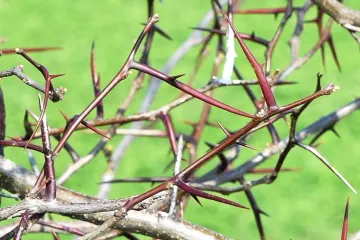
The most critical rule in the world of edible flowers is simple: When in doubt, do not eat it. [5][8] Edibility is not an assumption one can make based on appearance alone; many common flowers are highly poisonous. [2] For instance, while Daylilies are often recommended, other types of lilies (Lillium) are toxic. [5] Similarly, ornamental sweet peas should never be confused with edible garden peas. [5]
Safety concerns begin with sourcing. Flowers obtained from florists, nurseries, or roadside locations must be avoided because they are frequently treated with systemic pesticides or other chemicals that plants absorb directly, rendering them impossible to simply wash off. [1][2][5] Systemic pesticides are distributed throughout the plant, meaning a simple rinse won't suffice. [2] The gold standard is to grow your own flowers organically, or purchase those explicitly labeled as certified organically grown or sold through the produce department for human consumption. [2][5] Even if a plant is grown safely, some individuals may still experience allergic reactions, so introducing new blooms cautiously and in small amounts is prudent. [2]
# Plant Parts
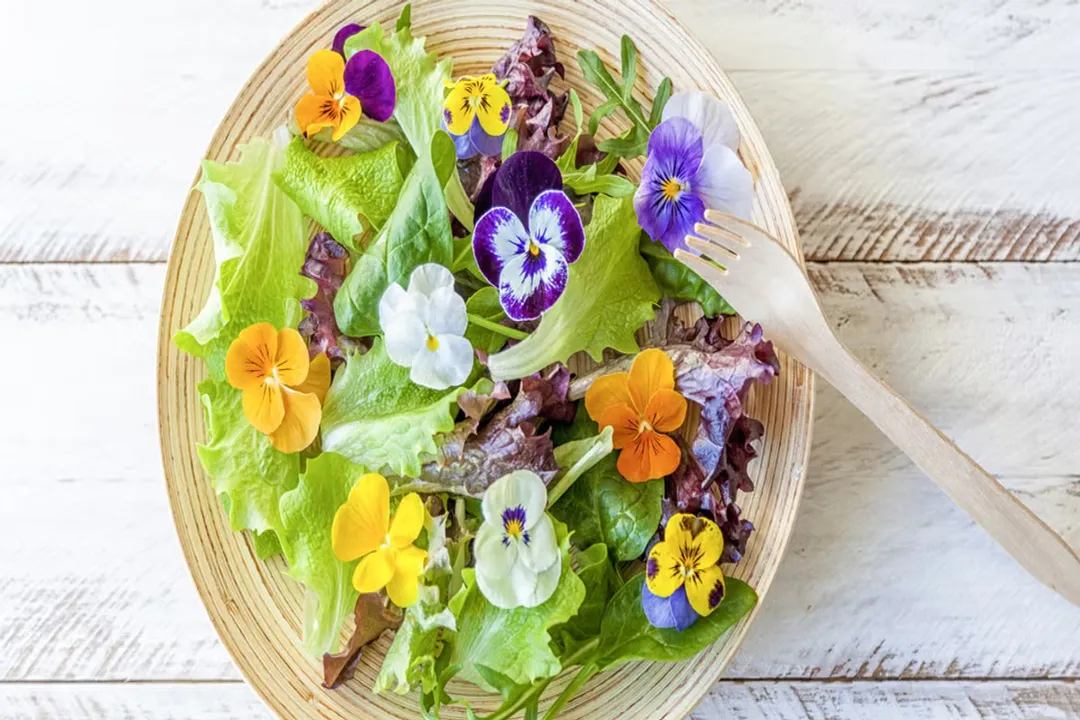
Even when a flower species is confirmed as safe, it is vital to know which parts are edible. [2] For the majority of safe flowers, only the petals should be consumed. [1][2] The base of the petal, often white, is frequently bitter and should be trimmed away, as seen with Roses and Carnations (Pinks). [1][2][5] Furthermore, the reproductive structures—the stamens and pistils—should generally be removed to avoid a bitter taste or potential allergic response from pollen. [1][2] Exceptions to this removal rule include certain flowers like Violas (pansies), scarlet runner beans, and clover, which are often enjoyed whole. [2]
Beyond the blossoms, caution is paramount with other plant parts. For example, while the flowers of Elderberry can be cooked, the raw flowers, stems, leaves, and unripe berries can cause digestive issues. [2] Tuberous Begonias offer edible, citrusy petals, but they contain oxalic acid and should be moderated by those with kidney issues, gout, or rheumatism. [2][5] Even some flowers with edible components, like certain Marigolds, should only be eaten occasionally due to potential harm in large amounts. [5]
# Preparing the Bloom
Proper preparation ensures the best flavor and texture. Flowers are ideal when harvested fresh in the cool morning, before the sun has caused them to wilt and before insects have sought too much shelter within the petals. [2][5][8] Once picked, they should be gently shaken and washed in cold water, then patted dry or set on dampened paper towels inside a sealed container in the refrigerator. [2][5] If they do wilt, a few minutes floating in ice water can revive them. [2] Always add them to the final dish immediately before serving to maintain their fresh appearance and texture. [2]
A practical consideration arises when dealing with culinary herbs that also flower, such as Thyme, Sage, and Cilantro. [1][8] Allowing these plants to bloom means their leaves will often turn bitter, effectively ending their usefulness as a standard herb. [8] For example, once Arugula bolts, its leaves become tough, though the resulting flowers offer a peppery flavor. [1] Gardeners looking to utilize both the leaves throughout the season and the flowers for a different application often find it necessary to cultivate a separate patch specifically allowed to flower for pollinator attraction and culinary use, ensuring they don't inadvertently sacrifice their primary herb harvest. [8]
# The Flavor Spectrum
The term "edible" simply means safe to consume; it rarely guarantees palatability. [2] Flavors range dramatically, meaning flowers should be chosen not just for color, but for complementary taste profiles. [2]
# Spicy and Zesty Notes
Flowers in this group provide a noticeable "bite," making them excellent primary additions to savory dishes like salads or sandwiches. [5][8]
| Flower Name | Flavor Profile | Best Application |
|---|---|---|
| Nasturtium | Peppery, similar to watercress [5][8] | Salads, mixed with cream cheese/butter [5][8] |
| Arugula | Delightfully peppery [1][5] | Salads (best after leaves have bolted) [1] |
| Marigold (T. tenuifolia) | Refreshing citrus with a tarragon-like quality [1][2][5] | Salads, smart drinks [5] |
| Perennial Phlox | Slightly spicy [5] | Fruit salads, desserts (crystallized) [5] |
# Sweet and Perfumed Blooms
These selections excel in desserts, beverages, or when a soft, aromatic touch is desired. [1][5] Restraint is key, as intense floral notes can easily become soapy or bitter if overused. [2]
| Flower Name | Flavor Profile | Best Application |
|---|---|---|
| Rose | Delicate, varying from sweet to spicy; darker petals are more intense [1][2] | Ice cubes, jams, sprinkled on cakes [1][5] |
| Lavender | Intensely sweet, perfumed, can become astringent/bitter [1][2][8] | Baked goods, teas, lemonade (use sparingly) [1][5] |
| Lilac | Ethereal, floral, with subtle lemon undertones [2][5] | Soft cheeses, yogurt, summer punch [5] |
| Elderflower | Light, sweet, honey-like with delicate citrus notes [5] | Infusions, syrup, fritters [5] |
| Strawberry Flowers | Mild strawberry flavor and fragrance [2] | Drinks, salads, candied [2] |
# Herbal and Unique Tastes
For those looking for complexity or a specific vegetable/herb note, this group offers variety. [2][5]
| Flower Name | Flavor Profile | Best Application |
|---|---|---|
| Chive Blossoms | Pungent, strong oniony flavor [1][2] | Salads, potatoes, soups [1] |
| Borage | Cooling, crisp cucumber taste [1][2][5] | Gin & tonic, lemonade, cheese plates [2][5] |
| Daylily | Sweet; flavor compares to mild melon, asparagus, or green beans [2][5] | Pancakes, frittatas, stuffed and fried [2] |
| Dandelion | Honey-like when young; becomes bitter as it ages [2][5] | Scattered over pasta or rice [2] |
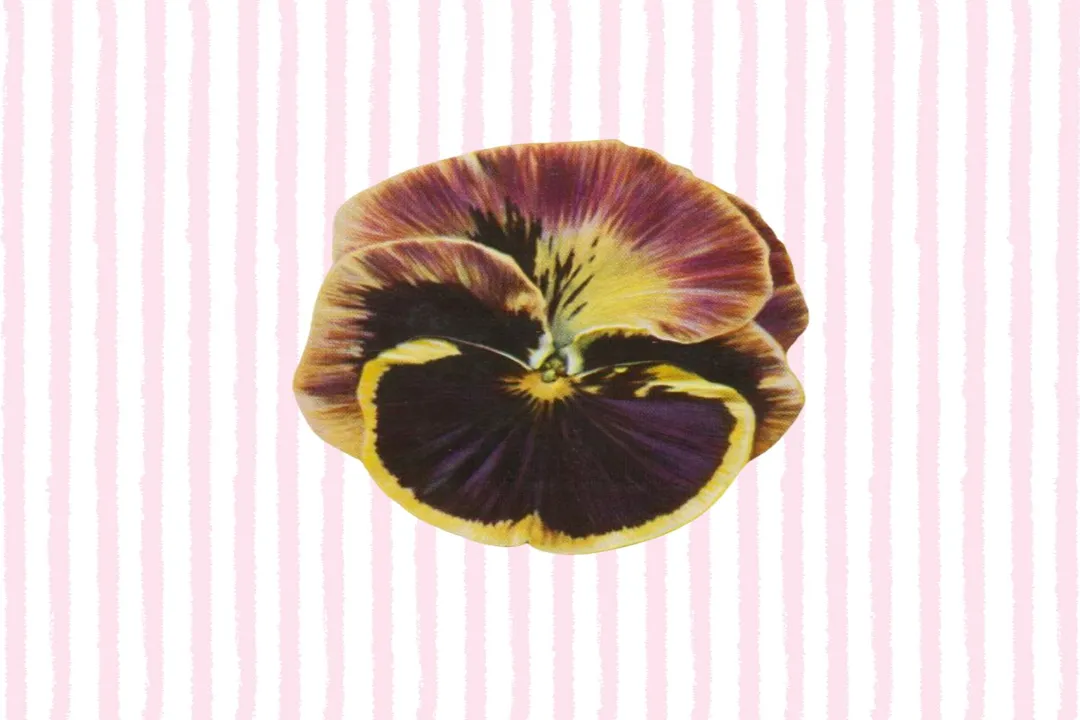
| Pansy/Violet | Grassy, green, or slight wintergreen taste [1][2][8] | Cupcakes, soft cheeses, fruit salad [1][5] |
One interesting comparison is between the Daylily and the Squash Blossom. [2][5] Both offer vegetal notes, yet the Daylily leans towards fruit/melon/asparagus, whereas the squash blossom is often described with a fainter, sweeter nectar-like quality, making it a better candidate for savory stuffing preparations like ricotta and herbs. [2][5]
# Layering Flavor and Visual Appeal
When using edible flowers, it is helpful to think in terms of flavor intensity versus visual impact. Flowers like Nasturtium or Chive Blossoms possess flavors strong enough to act as a primary seasoning, delivering a sharp, peppery, or pungent counterpoint to richer foods. [5][8] These flowers can stand up to robust ingredients like red meat or strong cheese.
Conversely, many flowers are prized almost entirely for their beauty, offering subtle flavors that will be easily masked by other ingredients. [5][8] Pansies, English Daisies (which are mild/bitter), and many Hollyhocks fall into this category. [5][8] These are the perfect candidates for a pure garnish, scattered over a white frosting or clear soup just before serving, where their visual contribution is the main event. If you want to infuse a flavor subtly, using flowers like Lavender or Citrus Blossoms in a simple syrup for a beverage or infusing them into sugar for baking allows their perfume to permeate without overwhelming the palate with bitterness or astringency. [5] For example, a few Lilac flowers stirred into cream cheese can impart a hint of lemon and floral elegance without the flavor dominating the entire spread. [5]
# Creative Applications
The uses for these natural additions go far beyond salad decoration:
- Frozen Accents: Flowers such as Borage, Roses, and Chicory petals can be frozen directly into ice cube trays with water or light-colored juice to create stunning, floating garnishes for punches, iced tea, or summer cocktails. [2][5][8]
- Infusions and Syrups: Aromatic blossoms like Apple Blossom or Lavender can be steeped in sugar or cream to create flavored syrups, jams, or butters, capturing their essence for later use. [5] Elderflowers are classically made into cordial or syrup. [5]
- Savory Fillings: The large, delicate blooms of Squash (zucchini or pumpkin) are highly versatile, often stuffed with soft cheeses or herbs and then battered and fried, or sautéed and added to pasta dishes. [1][2][5]
- Baking and Candying: Petals can be candied by dipping them in egg white and caster sugar, creating crystallized decorations for cakes and pastries. [5]
By understanding the flavor profile, practicing rigorous safety checks, and preparing them correctly, these petals offer a unique way to connect cooking with the garden's ephemeral beauty. [2][5]
Related Questions
#Citations
List of edible flowers - Wikipedia
List of Edible Flowers - West Coast Seeds
Edible Flowers Guide | Thompson & Morgan
Edible Flowers: What they Taste Like & How to Use - Finch + Folly
List Of Edible Flowers With Pictures - Frolic & Fare
Edible flowers | UMN Extension
15 Edible Flowers You Can Grow for a Gourmet Garden
Edible Flowers List For Use in Cooking and Garnishing | Teleflora.com