Can you give me a list of vegetables?
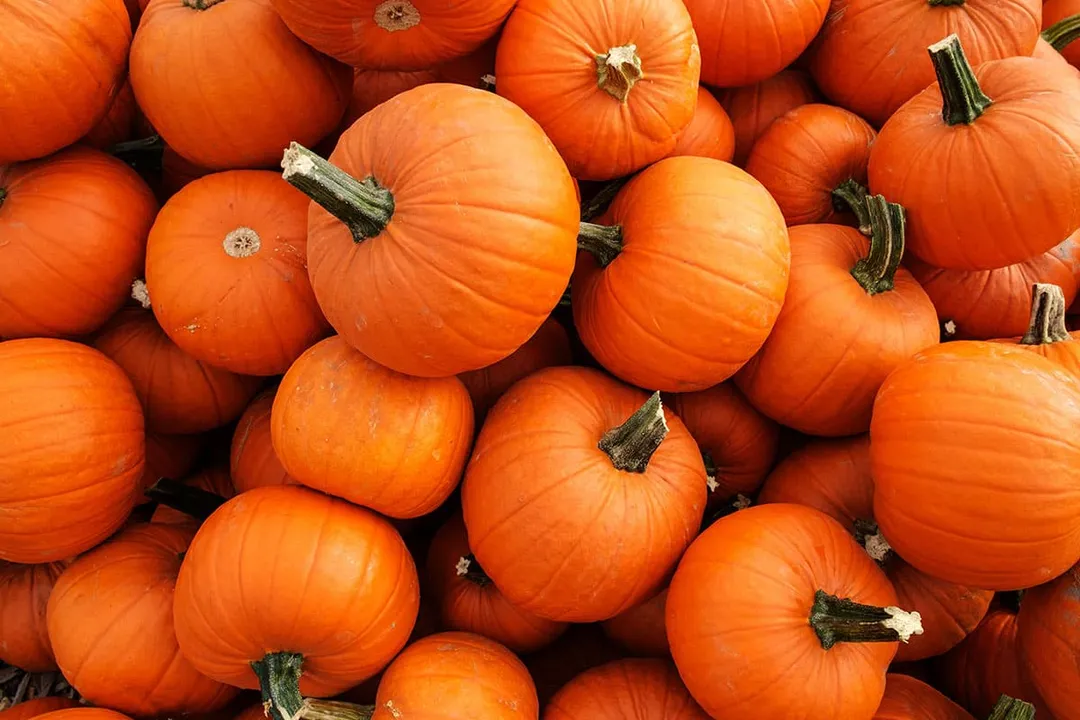
The sheer number of items that qualify as a vegetable can be dizzying, stretching from the common carrot to more obscure tubers and greens. Listing every single one is a monumental task, as evidenced by the different compilations available, each reflecting slightly different criteria for inclusion. [3][4][5] To make sense of this edible world, it helps to move beyond a simple alphabetical catalog and instead look at how we classify them—whether by what part of the plant we eat, or by the nutritional role they fill in our diet.
# Plant Parts
One of the clearest ways to organize vegetables is by identifying the edible portion of the plant itself. This method reveals fascinating connections between seemingly disparate items, as different sources group them similarly. [2][4][5]
# Roots Tubers
Root vegetables are those where the edible portion grows underground, acting as storage organs for the plant. [4] This group is rich in hardy carbohydrates and essential minerals.
Common root examples appearing across multiple lists include:
- Carrots: Often highlighted as an excellent source of Vitamin A. [1][5]
- Beetroot (or Beet): A red root vegetable that can be juiced or used in salads. [4][5]
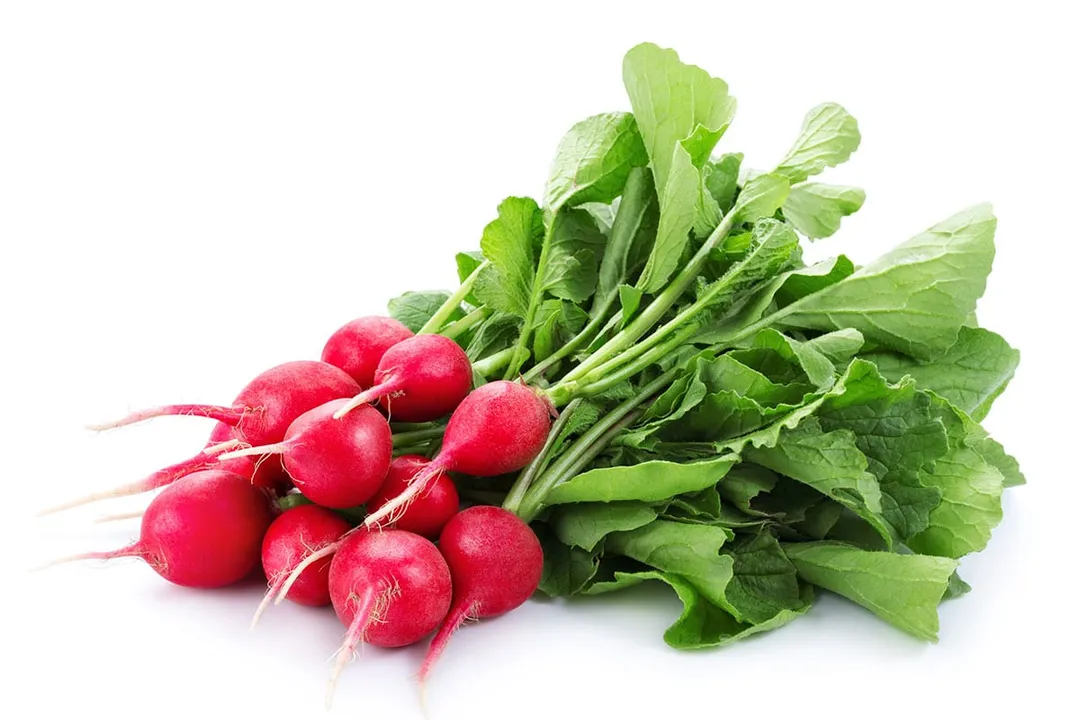
- Radish: Includes common radishes and the larger Daikon, sometimes called white radish. [3][5][6]
- Turnips and Parsnips: Both appear frequently in broad compilations. [3][5][6]
- Potatoes: While botanically tubers, they are often grouped with roots in culinary contexts due to their underground growth. [5][6] The lists show great variety, mentioning regular potatoes, sweet potatoes, and specific types like Yukon Gold. [3][4]
Tubers, which are swollen underground stems, include Potatoes, Yams, Jicama, and Taro. [5][6]
# Stems and Flowers
Vegetables derived from the stems or stalks offer a distinct textural element to meals. Celery is a classic example of a stem vegetable, noted for its fibrous stalk. [4][5] Asparagus, described as young green shoots, is another primary stem inclusion. [3][5] Rhubarb also falls into this group, although it is often used as a fruit in cooking. [5][6]
The flower section of the plant yields some of the most well-known vegetables, particularly those from the Brassicaceae family. [4]
- Broccoli and Cauliflower are perennial favorites. [3][4]
- Specific varieties like Broccolini, Broccoli Raab (or Rapini), and Romanesco show the diversity within this group. [3][5]
- Artichoke is also listed as a flower vegetable. [5]
# Leaves Greens
Leafy greens are highly valued for their tender leaves and significant nutrient load, including fiber and vitamins. [1][4] Spinach, kale, and various types of lettuce dominate this category. [3][4][5]
The available lists highlight significant variety:
- Cabbage: Mentioned in multiple forms, including Green, Purple, and Savoy. [3][6]
- Chard: Both Red and Swiss varieties are noted. [3][5]
- Lettuces: Include familiar types like Romaine and varieties like Butterhead and Oak Leaf. [3][4]
- Other notable leafy inclusions are Arugula, Collard Greens, Mustard Greens, and Watercress. [3][5][6]
# Bulbs Alliums
Vegetables in the Allium family are characterized by their strong aroma and flavor, deriving from underground bulbs. [4] This group is crucial in building savory foundations in cooking. [5]
The most frequently cited members are:
- Onion: With variations like White, Red, and Spring Onions (also called Green Onions or Scallions). [3][5][6]
- Garlic. [3][5]
- Leeks. [3][5][6]
- Shallots and Fennel are also included in this group by some sources. [3][4][5]
# Seeds Pods Fungi
Vegetables grown from seeds or enclosed in pods are generally good sources of plant-based protein alongside fiber. [1][4]
- Beans and Peas: Common examples include Green Peas, Lentils, Black Beans, Kidney Beans, and Broad Beans (also called Fava Beans). [4][5][6]
- Sprouts: Alfalfa Sprouts and Bean Sprouts are listed as seed derivatives. [3][4]
- Mushrooms: It is important to note that while culinarily treated as vegetables, Mushrooms are biologically fungi, not plants. [2][6]
# Culinary Versus Botanical Definitions
A significant point of difference arises when moving between botanical science and culinary practice. Botanically, a vegetable is defined as any plant part that is not the reproductive part (the fruit) of a flowering plant. [4] This strict definition leads to many items we use as savory vegetables being classified as fruits.
This conflict is where an interesting insight emerges: if you are aiming for peak nutrient diversity, you must reconcile these two systems. For example, while the MyPlate system groups vegetables by nutrient profile (like red/orange or dark green), [1] a strictly botanical view would separate tomato, squash, and cucumber into the fruit category, despite their savory application. [4]
Key items often debated include:
- Tomatoes: Listed widely as a vegetable, but botanically a fruit. [3][4][5][6]
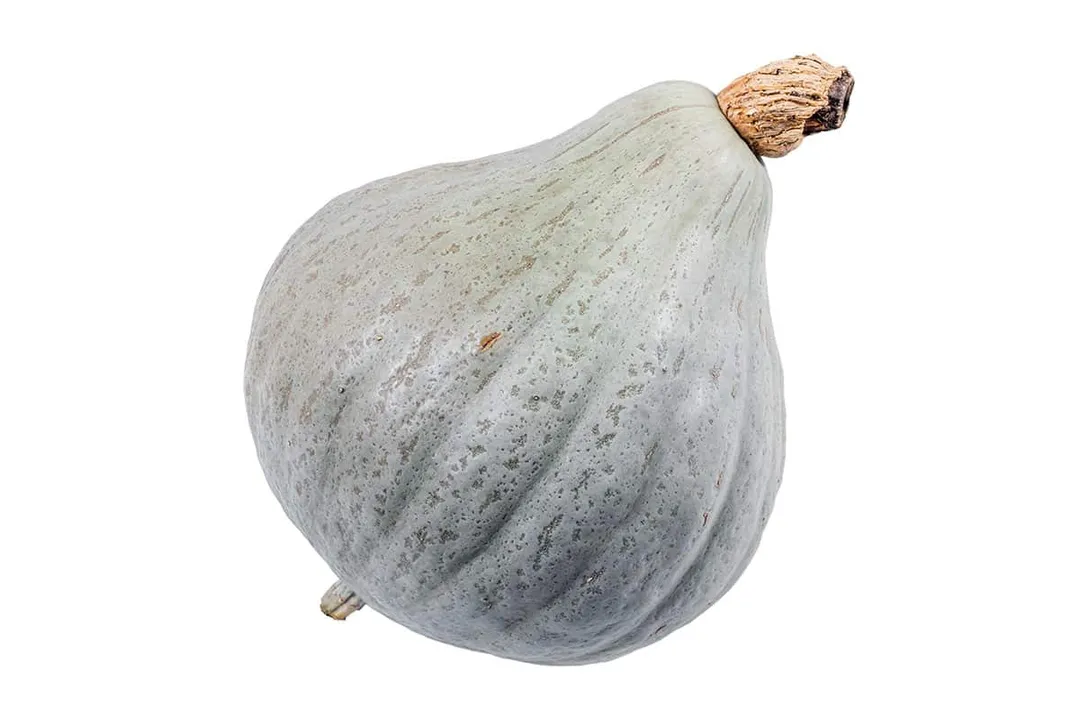
- Squash: Varieties like Acorn Squash, Butternut Squash, and Zucchini (also known as Courgette) are listed as vegetables but are fruits. [3][4][6]
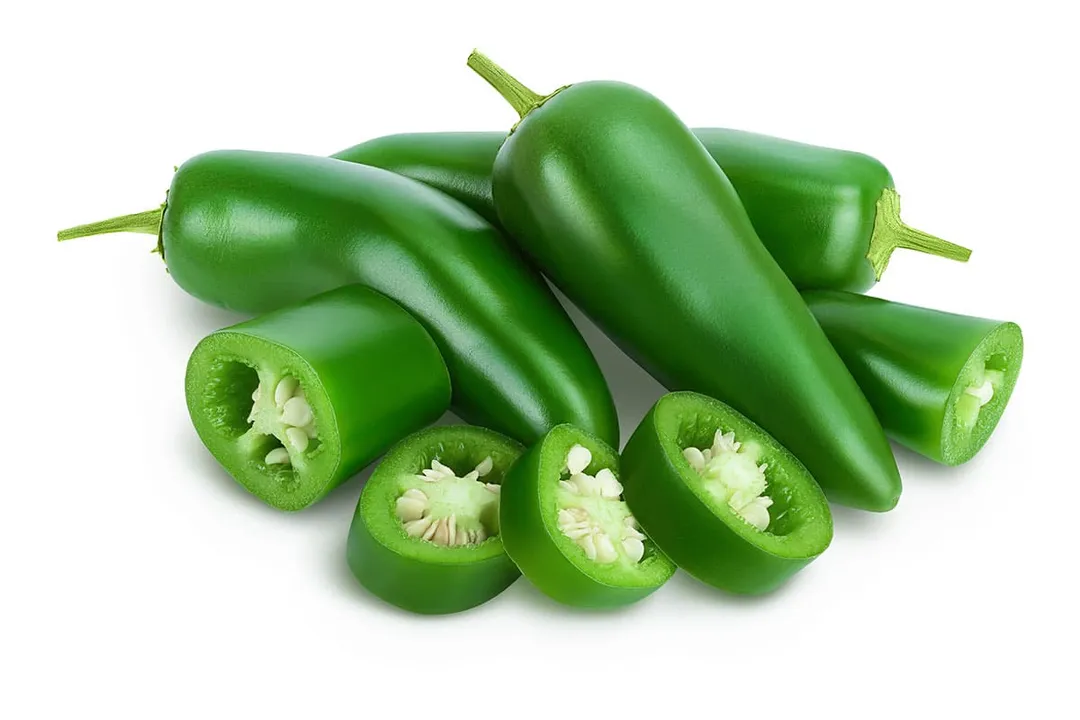
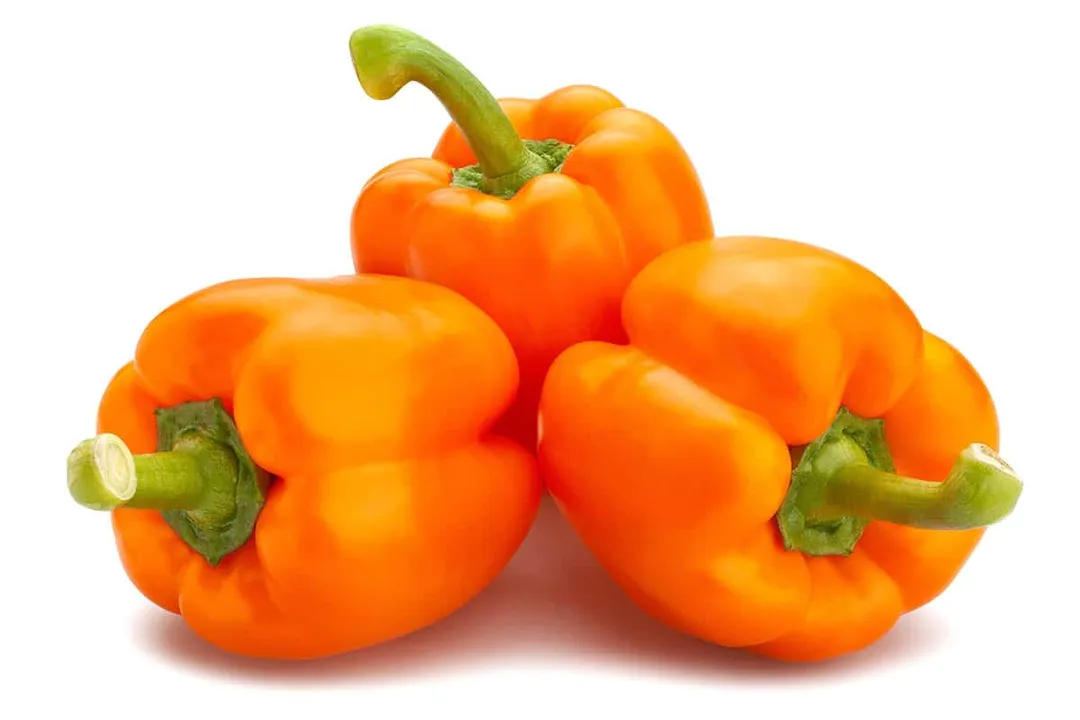
- Peppers: Including Bell Peppers and Chili Peppers. [3][4][5]
- Eggplant (Aubergine). [3][4][5]
For practical, everyday cooking, virtually all major guides list these as vegetables because of how they are used in meals. [4] MyPlate further categorizes vegetables based on nutrients, offering a different way to select variety: Dark Green, Red and Orange, Beans/Peas/Lentils, Starchy, and Other Vegetables. [1]
# Diversity in Naming and Availability
Diving into the A-Z lists reveals a world of linguistic and regional variations that can be confusing for the novice shopper. This regional variation is an essential, though often overlooked, aspect of vegetable literacy.
For instance, the same item might be known by different names depending on location, as seen when comparing New Zealand terminology with common US or UK terms: [2][6]
- Zucchini (US) is often called Courgette (UK). [6]
- Rutabaga (US) is referred to as Swede in the UK. [5][6]
- Coriander leaves are often called Cilantro. [4][6]
Furthermore, specialized lists include items that might be less common in mainstream supermarkets, such as Celeriac, Jicama, Kohlrabi, Romanesco, and various gourds like Ash Gourd. [3][4][5] The New Zealand list even integrates local language with names like Rengakura for Beetroot and Kūmara for Kumara (sweet potato). [2]
We can organize a selection of these items by their common plant part classification, drawing from the different lists to show the breadth of options available:
| Edible Part | Common Examples | Less Common/Varietal Examples |
|---|---|---|
| Root | Carrot, Radish, Turnip | Celeriac, Daikon, Horseradish [5][6] |
| Tuber | Potato, Sweet Potato | Jicama, Taro, Yam [3][4] |
| Leaf | Spinach, Kale, Cabbage | Bok Choy, Swiss Chard, Watercress [2][5] |
| Bulb/Allium | Onion, Garlic, Leek | Shallot, Fennel, Spring Onion [3][4] |
| Flower | Broccoli, Cauliflower | Artichoke, Romanesco [3][5] |
| Fruit-Veg | Tomato, Cucumber, Pepper | Eggplant, Okra, Tomatillo [4][5] |
| Pod/Seed | Peas, Green Beans | Lentils, Chickpeas (Garbanzo Beans) [4][5] |
# Health and Dietary Considerations
Beyond categorization, the reason for seeking out vegetables in the first place relates to health benefits. Vegetables are naturally low in fat and calories but deliver vital nutrients. [1]
Key nutrients consistently mentioned are Potassium, Dietary Fiber, Vitamin A, and Vitamin C. [1]
- Potassium intake, found in high amounts in items like sweet potatoes, white beans, and spinach, is important for maintaining healthy blood pressure. [1]
- Dietary fiber helps manage blood cholesterol, potentially lowering the risk of heart disease. [1]
- Vitamin A supports eye and skin health, while Vitamin C aids in wound healing and improves iron absorption. [1]
MyPlate emphasizes that eating a variety of vegetables, including raw, cooked, frozen, or canned, counts toward daily goals. [1] The specific amount needed varies significantly based on age, sex, and activity level, underscoring that a one-size-fits-all recommendation is insufficient. [1] For example, a toddler needs around ⅔ to 1 cup daily, while an active adult man might need 3 to 4 cups. [1]
Here is an actionable consideration for readers building their weekly grocery list: instead of focusing solely on hitting a cup count or ensuring you have "a red one" and "a green one," try to select items from at least three of the edible part categories each week: one root/tuber (like a potato or carrot), one leafy green (like spinach or kale), and one "fruit-vegetable" (like a pepper or zucchini). [2][4] This approach organically drives variety across textures, cooking methods, and nutrient profiles, ensuring you sample from the bulb, stem, and flower categories as well.
The MyPlate system is designed to promote variety by grouping based on nutritional contributions:
- Dark Green: Such as spinach and kale. [1]
- Red and Orange: Carrots, tomatoes, and sweet potatoes. [1]
- Beans, Peas, and Lentils: Which are unique as they can also fit into the Protein Group. [1]
- Starchy: Including corn and white potatoes. [1]
- Other: A catch-all for items like celery, cucumbers, and asparagus. [1]
By mixing items from these distinct groups, one ensures a wider spectrum of vitamins and minerals, helping to reduce the risk of certain chronic diseases, including some cancers and heart disease. [1] Understanding which group a vegetable falls into—whether MyPlate's nutrient category or the botanical part eaten—offers a much more useful organizing principle than simple alphabetization when planning a truly healthy diet. [1][4]
Related Questions
#Citations
Vegetables A-Z
Vegetables A-Z
List of Vegetables: 240 Vegetables From A to Z
List of vegetables
Names of Vegetables in English
Vegetable Group – One of the Five Food Groups