What are five root vegetables?
That deep, earthy flavor and satisfying texture often signal that a root vegetable has made its way onto the plate. These subterranean treasures form the foundation of countless global cuisines, providing substance, natural sweetness, and a wealth of nutrients packed into what seems like simple fare. [7][3] Root vegetables are essentially the storage organs of plants, growing beneath the soil surface to sustain the plant through less favorable conditions. [6][1] While the term is often used loosely in the kitchen, botanically speaking, it refers to taproots, tubers, rhizomes, bulbs, and corms that serve as anchors and food reserves. [6][7] Understanding these five common examples reveals just how diverse this category truly is.
# Defining Roots
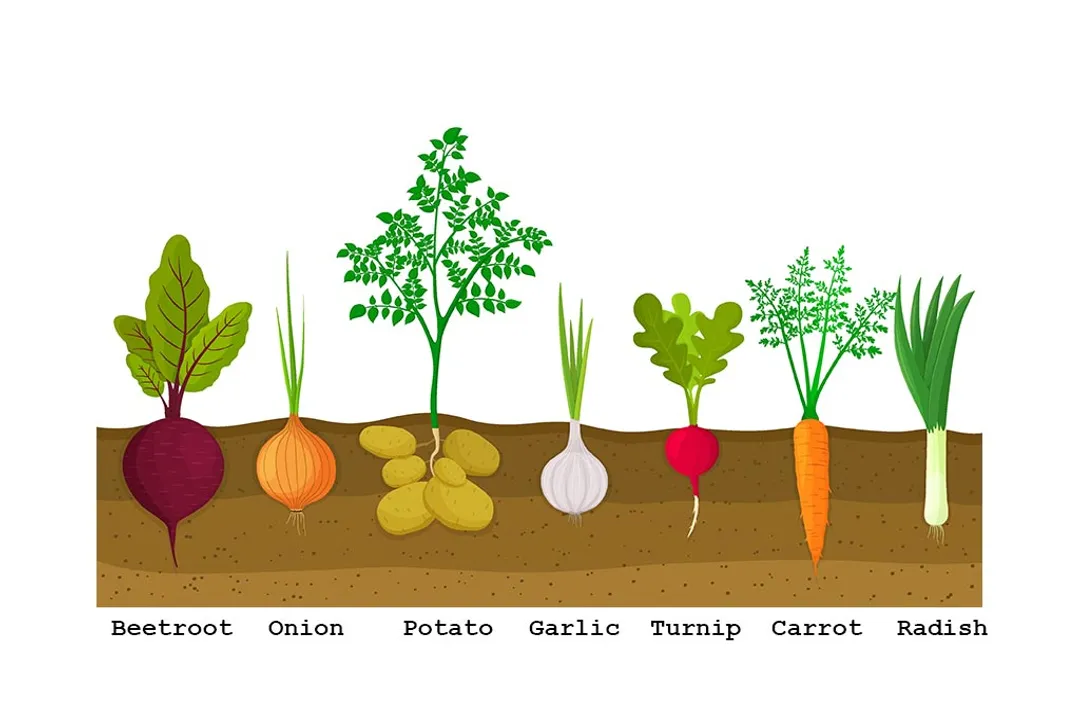
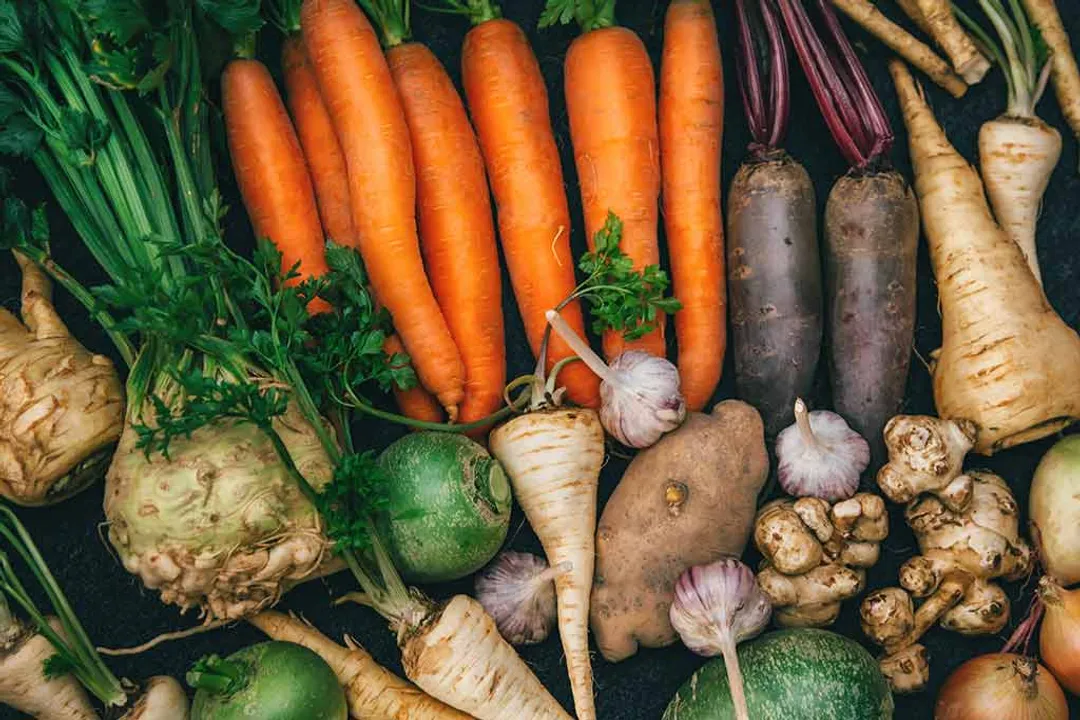
What makes a vegetable a "root vegetable" generally revolves around where and how it develops. [6] They are the edible portion of a plant that grows underground. [1] This underground growth pattern is key, as it concentrates energy, often resulting in high levels of complex carbohydrates, vitamins, and minerals like potassium. [3]
It is important to note the difference between true roots and other underground storage structures. A taproot, like a carrot or beet, is the main, descending root of the plant. [6] A tuber, such as the common white potato, is actually a swollen part of an underground stem, not the root itself, though they are almost always cooked and grouped with true roots culinarily. [6] Similarly, bulbs like onions and corms are specialized structures, but they share the earthy origin and dense nutrition profile. [7] For the home cook and eater, any substantial vegetable pulled from the earth usually falls under this wholesome umbrella. [1]
# Carrot
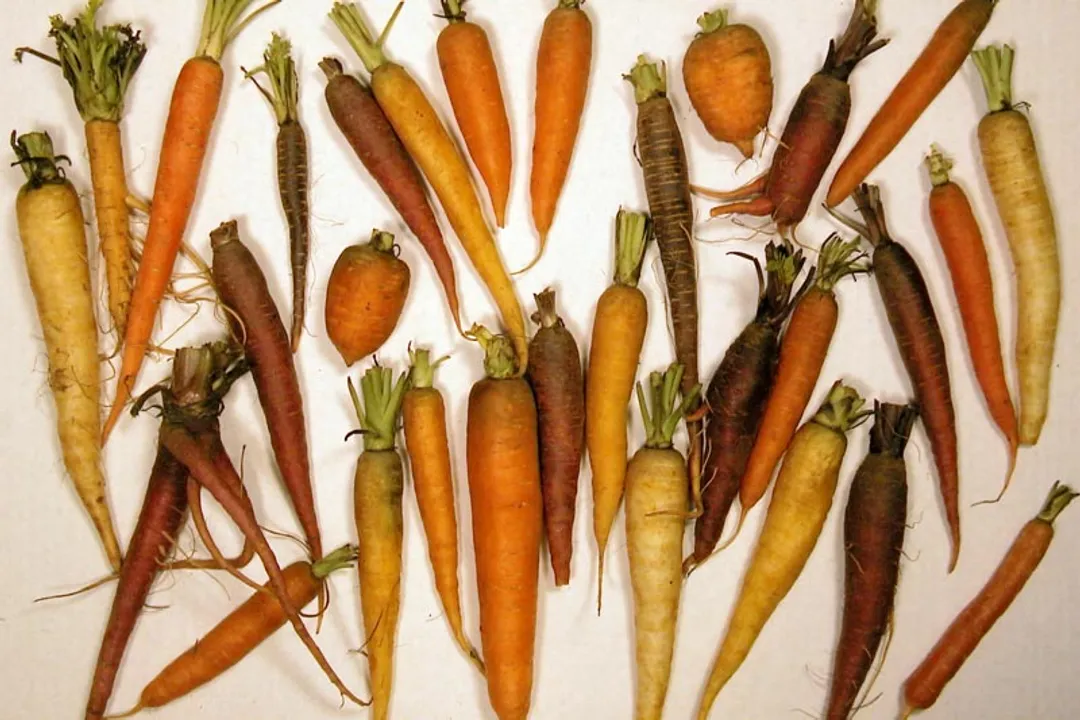
The Carrot is arguably the most recognizable root vegetable globally, famous for its bright orange hue, though they naturally come in purple, white, yellow, and red varieties as well. [1][3] Their characteristic color comes from beta-carotene, which the human body converts into Vitamin A, essential for vision and immune function. [3] Carrots are technically taproots, meaning they develop from the plant's primary root growing straight down into the soil. [6]
Carrots offer a spectrum of flavor depending on when they are harvested. Smaller, younger carrots, sometimes called "baby carrots" (even if they were grown to that size naturally rather than cut from larger ones), tend to be sweeter and more tender. [1] Larger, mature carrots often possess a more intense, earthy sweetness that becomes concentrated when roasted. [3] The slight earthy bitterness often present in larger carrots can sometimes be minimized by removing the greens promptly upon harvest, as the leaves can draw sugars out of the root itself. [5] When considering home gardening, carrots prefer loose, stone-free soil; any obstruction can cause the root to split or fork, making harvesting tricky. [5]
# Beet
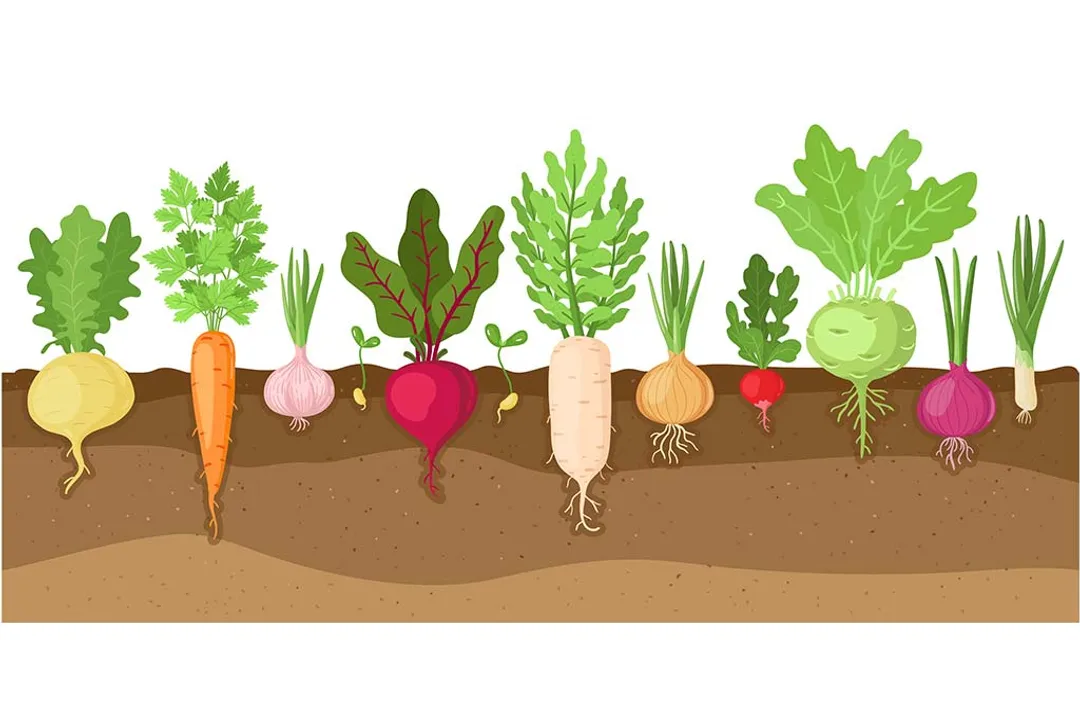
The Beet (or beetroot) is another taproot vegetable, prized not just for its thick, fleshy root but also for its edible leafy greens. [1][6] While we often associate beets with a deep purplish-red color, golden beets are increasingly common and offer a milder, less staining experience. [3] The vibrant pigment in red beets is due to betalains, powerful antioxidants that are water-soluble, which is why boiling them can lead to significant nutrient loss into the cooking water. [3]
Beets possess a distinct, slightly sweet, and mineral-rich flavor profile. When comparing cooking methods, roasting or steaming beets whole and unpeeled helps retain their color and water-soluble nutrients better than peeling and boiling them. [3] For a gardener, beets are relatively easy to grow but require consistent moisture to prevent them from becoming woody or tough. [5] If you are prepping beets for a salad, consider roasting the red ones separately from other ingredients if you want to avoid pink streaks on everything else—a small practical consideration often learned through a messy kitchen experience. [1]
# Parsnip
Often mistaken for a pale, oversized carrot, the Parsnip offers a distinctly different, more pungent, and nutty sweetness. [1][6] Parsnips are also taproots, but their flavor develops significantly after exposure to cold weather. In fact, many gardeners leave their parsnips in the ground until after the first hard frost. [5] This cold period converts the root's starches into sugars, resulting in a richer, sweeter taste profile, similar to how frost improves certain apple varieties. [5]
This natural sweetening process is a key feature of the parsnip that sets it apart from a carrot harvested in the same season. While carrots are great raw, parsnips are generally best cooked to unlock their full flavor potential. They roast beautifully, developing caramelized edges that highlight their inherent sugar content. [1] Nutritionally, they are good sources of fiber, Vitamin C, and folate. [3] If you are planning a winter garden, parsnips are an excellent addition, tolerating cold much better than many other root vegetables once established. [5]

# Sweet Potato
The Sweet Potato is botanically distinct from the common white potato, although both are starchy, underground storage organs. [6] Sweet potatoes are true storage roots, specifically lateral roots that swell up to store energy, whereas white potatoes are stem tubers. [6] This botanical difference is often reflected in their nutritional makeup. Sweet potatoes are renowned for being exceptionally high in Vitamin A (in the form of beta-carotene), especially the orange-fleshed varieties. [3]
Sweet potatoes are versatile and can be prepared in numerous ways—baked, boiled, mashed, or fried. [1] They generally have a lower glycemic index than white potatoes, though this can change significantly based on the cooking method. For instance, boiling a sweet potato tends to keep its impact on blood sugar lower compared to baking or roasting it, as the high dry heat breaks down more starches into simple sugars. [3] This variance in sugar release means that for someone watching their immediate glucose response, the preparation method matters as much as the vegetable itself. [3]
# Radish
The Radish provides a sharp, peppery contrast to the earthy sweetness of beets and parsnips. [1] Radishes are also taproots, but they are characterized by their rapid growth cycle and small size. [6] Varieties range from the tiny, bright red globe radishes to the long, white daikon radish used extensively in Asian cooking. [1]
Their signature "bite" comes from compounds called isothiocyanates, which are released when the cell walls are broken (i.e., when you chew them). [6] Because they grow so quickly—some varieties are ready in just three to four weeks—they demand well-drained, consistent moisture in the garden. A lack of water or inconsistent watering often results in radishes that are either overly pungent or woody and cracked. [5] From a culinary standpoint, they are fantastic raw, lending crunch and heat to salads, but they also mellow considerably when cooked, taking on a milder, slightly sweet flavor, particularly larger varieties like daikon. [1]

# Nutritional Profiles and Comparisons
When grouped together, root vegetables represent a fantastic source of dietary fiber, essential vitamins, and minerals that many modern diets lack. [3] While they all grow beneath the surface, their specific vitamin and mineral contributions vary significantly, meaning variety truly is key to maximizing intake.
For example, if one were aiming to boost Vitamin A intake significantly, the orange-fleshed sweet potato is the clear winner among this group, easily supplying several times the daily recommended value in a single serving. [3] In contrast, if the goal is maximizing folate and manganese, beets offer a superior profile. [3] Carrots are rich in Vitamin A precursors, while parsnips and radishes contribute respectable amounts of Vitamin C and dietary fiber. [3]
Here is a brief comparison focusing on density of common beneficial compounds:
| Vegetable | Primary Nutrient Highlight | General Flavor Profile | Best Raw or Cooked? |
|---|---|---|---|
| Carrot | Beta-Carotene (Vitamin A) | Mildly sweet, earthy | Both |
| Beet | Folate, Manganese | Earthy, distinct sweetness | Both (if cooked gently) |
| Parsnip | Fiber, Vitamin C | Sweet, nutty, pungent when raw | Cooked |
| Sweet Potato | Vitamin A, Potassium | Very sweet, creamy texture | Both |
| Radish | Isothiocyanates | Pungent, peppery, crisp | Raw |
| [3][6] |
It's insightful to consider how preparation impacts the usable nutrients. While roasting concentrates the natural sugars in beets and parsnips, making them taste sweeter and more palatable to many, it can slightly reduce heat-sensitive vitamins like Vitamin C compared to steaming for a short period. [3] A useful kitchen technique when preparing beets, for instance, is to use the cooking water from steaming them to create a vibrant pink dressing base or to boil them just enough to soften before peeling, thereby minimizing the loss of those beneficial, water-soluble pigments and nutrients. [3]
# Culinary Versatility
The appeal of these five roots extends far beyond their health benefits; their textural and flavor contributions to meals are immense. [1] They provide the necessary heft and grounding base notes in many dishes, moving easily from side dish to main course component.
Carrots and parsnips can be puréed into smooth, elegant soups that serve as excellent appetizers. [1] Radishes, usually relegated to salads or garnishes, can be thinly sliced and pickled quickly to provide a sharp, acidic counterpoint to rich meats or fatty foods. For a simple textural analysis, a raw radish offers a snap followed by heat, while a roasted sweet potato offers a soft, almost custard-like interior contrasted by a slightly chewy, caramelized skin. [1]
When thinking about storage for home use, it is crucial to remember that while they are all root vegetables, they don't all store identically. Carrots, beets, and parsnips should generally be stored in a cool, dark place, often with sand or peat moss to maintain humidity, though modern refrigeration crisper drawers work well if their tops are removed to prevent moisture loss. [5] Sweet potatoes, however, hate the cold and should not be refrigerated; they store best at moderate room temperatures, around 55 to 60 degrees Fahrenheit, to maintain texture and prevent flavor degradation. [1] For radishes, removing the green tops immediately is a best practice, as the greens actively pull moisture from the root, causing it to go soft and limp within days if left attached. [5] Paying close attention to these small storage differences can save money and ensure you are always cooking with the best quality produce available.
Related Questions
#Citations
15 Types of Root Vegetables - WebstaurantStore
A Guide to Root Vegetables | Cook them all! - Oh My Veggies
Root Vegetables: Types and Benefits - Healthline
Root Vegetable Roundup: Five to Try - Jay C Food Stores
8 Easy To Grow Root Vegetables - Saving Dinner
Root vegetable - Wikipedia
The Wonderful World of Root Vegetables: Exploring Below-Ground ...
List of Root Vegetables Names for Kids - FirstCry
Root Vegetable Roundup: 5 to Try - King Soopers