Health Benefits of Burdock Root
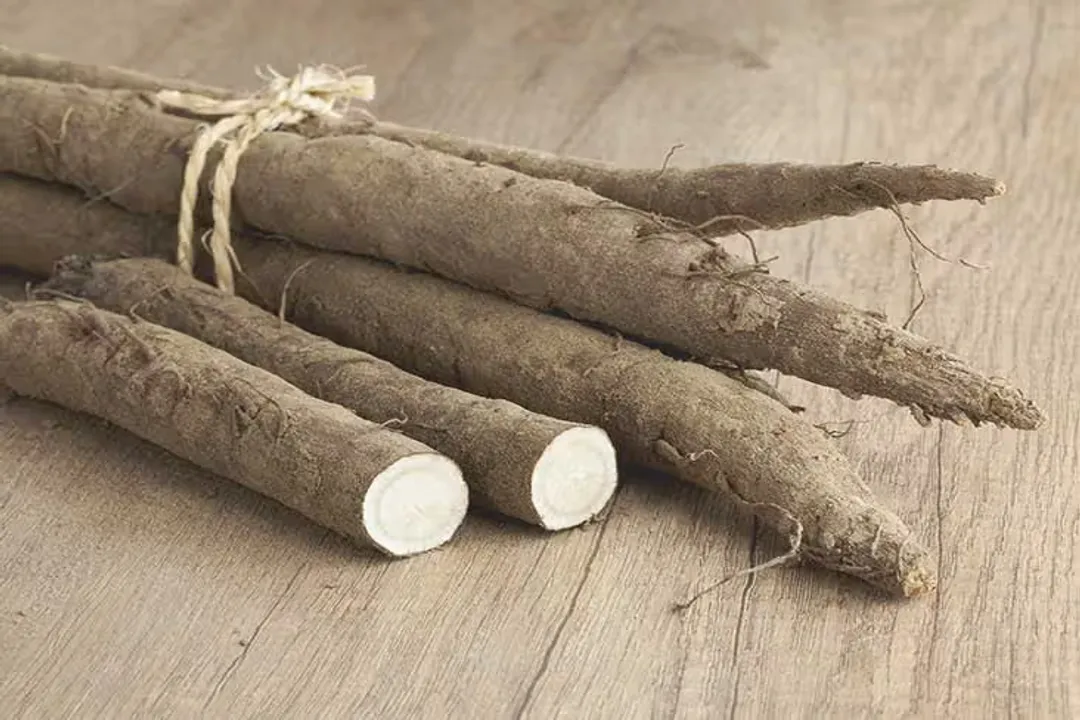
Burdock root, the taproot of the Arctium lappa plant, has secured a place in both culinary traditions and herbal medicine cabinets across various cultures for centuries. [6][4][9] While it is consumed as a root vegetable in countries like Japan, where it is known as gobo, its primary modern recognition often centers on its application as a potent herbal remedy. [9] Across different historical practices, from European folk medicine to Traditional Chinese Medicine, the root has been valued for its ability to support internal cleansing and maintain overall vitality. [6][4]
# Nutritional Makeup
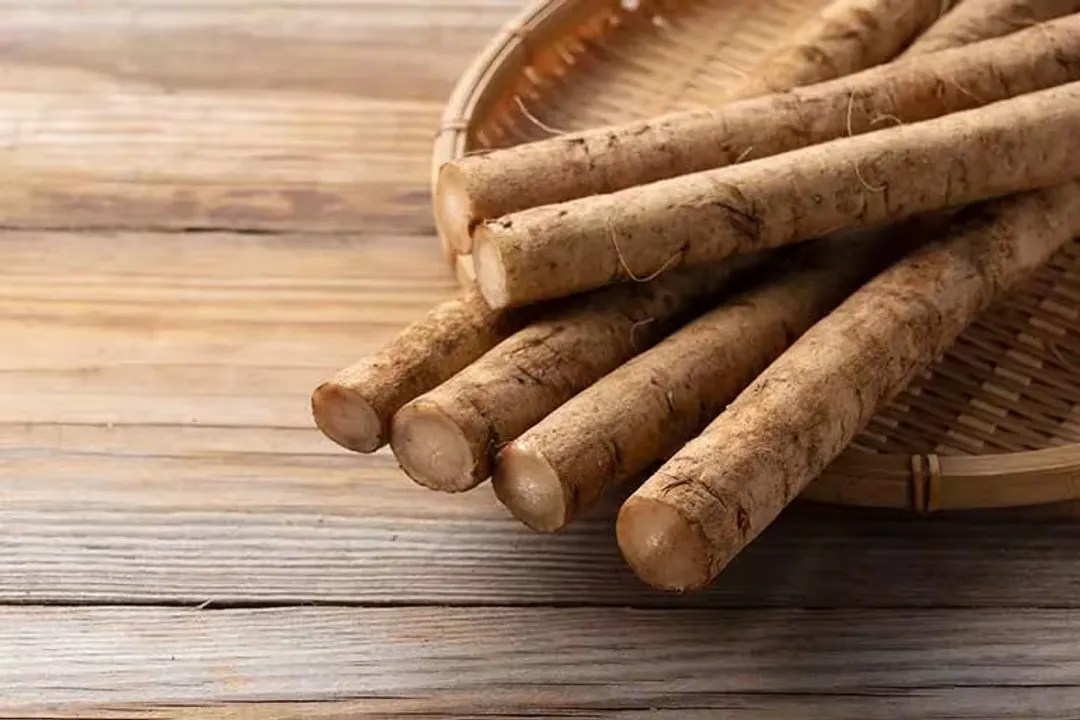
As a root vegetable, burdock provides a reasonable amount of essential nutrients when consumed whole. [9] It contains significant amounts of protein and fiber, which are important for digestive function. [9] Furthermore, it supplies key minerals such as potassium, magnesium, and iron. [9] Beyond these macronutrients and minerals, the root is rich in bioactive compounds that contribute to its noted health effects. [2][1]
# Antioxidant Action
A significant aspect of burdock root’s benefit lies in its high concentration of antioxidants. [9][2][1] These compounds work within the body to neutralize harmful free radicals, which are unstable molecules that can cause cellular damage and contribute to chronic conditions and aging processes. [1][2] The root is known to contain specific phenolic acids, which are powerful antioxidants. [2] This antioxidant capacity is believed to be a primary mechanism behind its reported anti-inflammatory and protective effects throughout the body. [1]
# Skin Health
Perhaps one of the most celebrated traditional uses for burdock root involves supporting healthy skin. [4][1] Its reputation as a blood purifier is closely linked to this application, as traditional herbalists believe that clearing internal toxins reflects outwardly as clearer skin. [1] Studies have suggested that the compounds in burdock may possess anti-inflammatory and antibacterial properties that could be beneficial in managing common skin irritations like acne or psoriasis. [4][1] The skin often serves as a visible barometer for internal processes, and by aiding the body’s detoxification pathways, the root aims to soothe irritation at the source. [4]
# Blood Cleansing
Burdock root is frequently classified as a blood purifier in herbalism. [5][6][9] This historical designation refers to its capacity to support the body’s natural elimination systems, primarily the liver and kidneys. [5][2] The root is known to possess diuretic properties, encouraging increased urine flow, which helps the body flush out waste and toxins more efficiently. [6] Some preparations are also thought to promote perspiration, further assisting in the elimination of waste products through the skin. [6]
# Digestive Support
The high fiber content of burdock root makes it an asset to digestive health, particularly due to the presence of inulin. [9][3] Inulin is a type of soluble prebiotic fiber, meaning it is not digested in the upper gastrointestinal tract but instead travels to the colon to nourish beneficial gut bacteria. [9][3] By feeding these positive microorganisms, inulin helps maintain a balanced and healthy gut microbiome. [9] This increased fiber intake can also promote regularity and prevent constipation. [9] Given that different preparation methods—such as a strong, slow-simmered decoction versus a quick tea infusion—deliver widely varying concentrations of active ingredients, a user might experience substantially different levels of prebiotic intake based solely on how the root is prepared. [3][6]
# Liver Protection
The liver, central to filtering the blood and metabolizing substances, may benefit from the inclusion of burdock root in the diet or supplement regimen. [2] Preliminary research, often conducted outside of human trials, has indicated that components within the root may help shield liver cells from damage caused by exposure to certain toxins. [2] This protective characteristic aligns with its overall reputation as a cleansing agent that supports major detoxification organs. [2]
# Anti-Cancer Research
Scientific interest has focused on the root’s potential role in cancer prevention and management, although it is vital to understand that this research is still in early stages, often involving laboratory or animal models. [1][5] Certain active substances isolated from burdock root have demonstrated an ability to inhibit the proliferation and encourage the death of various cancer cells in vitro. [1][5] While these findings are promising from a mechanistic perspective, they do not equate to a proven treatment for human cancer. [5]
# Diuretic Function
As noted in relation to blood cleansing, burdock root acts as a natural diuretic. [6] This means it encourages the kidneys to increase urine output. [6] While this helps the body expel excess water and waste materials, it also means that individuals on prescription diuretics or medications affecting fluid balance should exercise caution and consult a healthcare provider before using burdock root supplements. [5]
# Preparation and Consumption Methods
Burdock root can be incorporated into the diet or taken medicinally through several avenues. [6][8] Traditionally, the root is harvested when the plant is young, usually in its first year, as this is when the texture and nutrient concentration are considered optimal. [6] It can be consumed as a cooked vegetable, similar to parsnips or carrots. [9] For herbal use, it is commonly steeped to create a tea, or it can be found in tincture form or as a standardized extract in capsules. [6][8] If you are exploring the use of burdock root specifically for its long-standing reputation as a skin tonic or internal cleanser, a practical starting point might be to begin with a mild tea preparation for a few weeks. This gradual introduction allows the body to adjust to the mild diuretic and digestive stimulation it provides before moving toward potentially stronger extracts. [6][4]
# Safety and Precautions
While generally considered safe when used in amounts typical for food, introducing burdock root as a concentrated supplement requires awareness of potential interactions. [5] Because of its diuretic action, it might interact with prescribed diuretics or medications that affect blood sugar levels. [5] Moreover, individuals who are pregnant or breastfeeding are usually advised to avoid burdock root preparations due to insufficient safety data in these populations. [5] As with any potent herb, it is prudent to discuss its incorporation into your routine with a qualified health professional, especially if you manage chronic conditions or take regular medications. [5]
Related Questions
#Citations
Health Benefits of Burdock Root - WebMD
Burdock Root: Benefits, Side Effects, and More - Healthline
What Are the Health Benefits of Burdock Root? - GoodRx
Burdock root benefits for skin: Proven results explained
Benefits of Burdock Root - Health Cleveland Clinic
What is Burdock Root Tea? - History, Benefits, and More
Burdock root: Benefits, side effects, and uses - Medical News Today
Burdock Root Benefits: How Can You Use This Powerful Plant?
Burdock Root Detoxes Blood, Lymph System and Skin - Dr. Axe
6 Health Benefits of Burdock Root, Backed by Science