What are the edible vegetable parts?
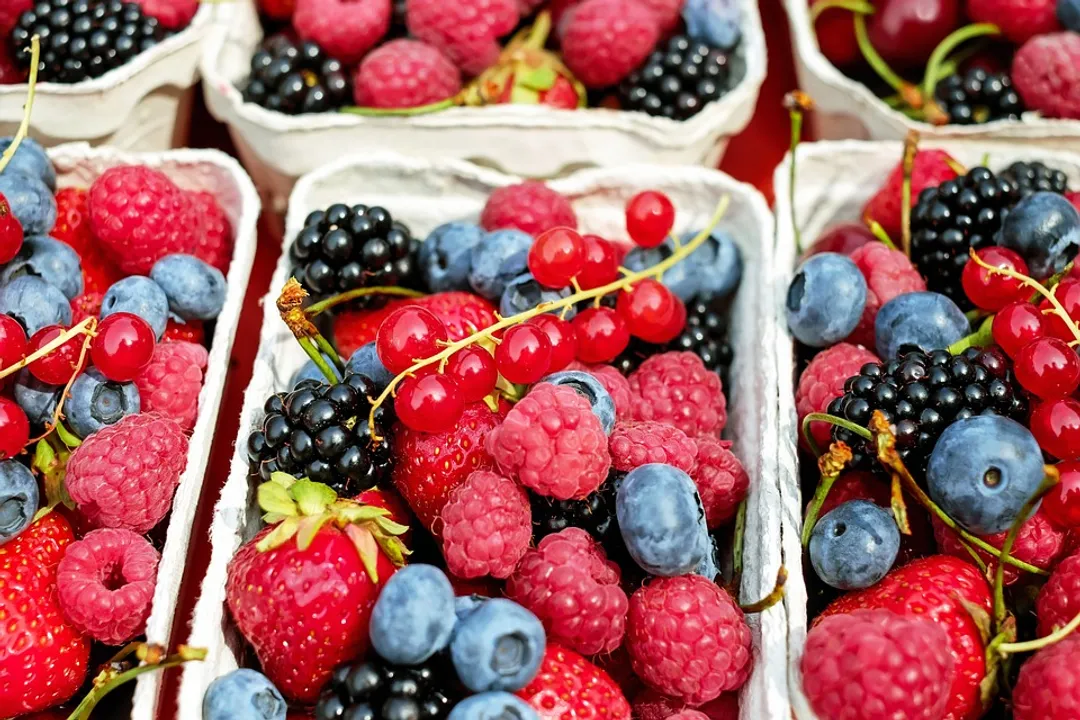
We often focus on the familiar, crunchiest, or sweetest parts of the vegetables on our plates, usually the root or the fruit body, overlooking the botanical complexity present in what we grow or buy. To truly appreciate vegetables, it helps to recognize that the edible portion of a plant can be its root, stem, leaf, flower, fruit, or seed. [4][8] This simple classification explains why a tomato, which develops from the flower's ovary and contains seeds, is technically a fruit, while a bulb like an onion, which is a modified underground stem structure, is often treated differently in the kitchen. [4][8] Understanding these botanical divisions makes recognizing edible scraps easier and expands our culinary horizons considerably. [2][5]
# Plant Divisions

Plants are structured organisms, and every major component has been adapted by nature for survival, but many of these structures are perfectly suited for human consumption. [4] When we talk about "vegetables," we are usually applying a culinary term, which groups edible plant parts based on how they are used in savory dishes, rather than a strict botanical definition. [4] For instance, many items categorized as vegetables—like squash, peppers, and eggplants—are technically fruits because they contain seeds. [4][8] Conversely, items like broccoli, which is the immature flower cluster, are grouped under the vegetable umbrella. [4]
This differentiation is key. If you know the function of a part on the living plant, you can often predict its texture and flavor profile. Roots, for example, are storage organs, meaning they tend to be dense, starchy, or sweet (like carrots or beets). [4] Stems and leaves, however, are responsible for structure and photosynthesis, resulting in textures that are often more fibrous or leafy, respectively. [4]
# Underground Portions
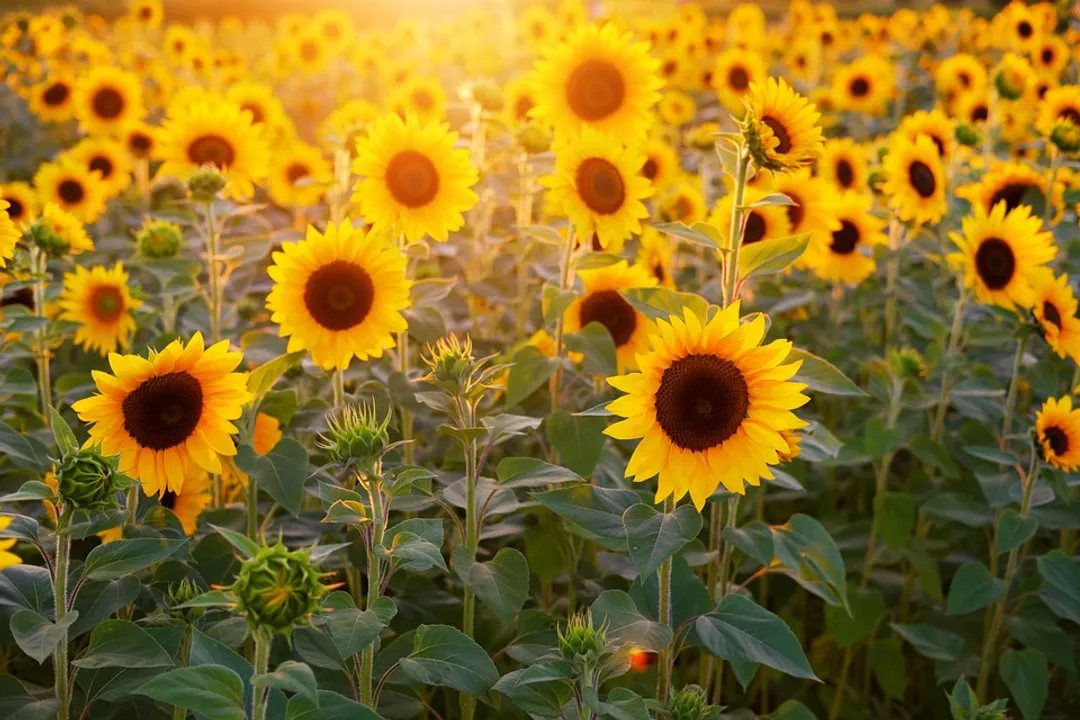
The parts of the plant that grow beneath the soil are generally focused on nutrient storage, making them dense and often sweet or earthy in flavor. [4] The most recognized underground vegetables are roots, such as carrots, parsnips, and radishes. [4] These structures function as the primary anchor and nutrient reservoir for the plant above ground. [8]
Tubers are another common underground edible, representing swollen, underground stems that store energy, exemplified by potatoes. [8] Though related to root vegetables, they are botanically distinct as modified stems, not true roots. [8] Bulbs, like onions and garlic, are also modified underground stems surrounded by fleshy, scale-like leaves that store food. [4][8] While we often buy these for their flavor impact, they are entirely edible vegetable parts. [4]
When dealing with root vegetables, it's worth noting that the nutrient profile can sometimes shift drastically as you move from the storage organ to the foliage. For instance, while the dense carrot root provides beta-carotene, the leafy green tops, though slightly more bitter, contain significant vitamins and minerals in a different balance. [2][5] It is a common practice in home gardening to overlook these tops, viewing them merely as waste, yet they offer textural variety when blended into a smooth, savory base for soups, retaining the earthy sweetness of the root but with a lighter mouthfeel.
# Stems Shoots
The stem is the plant's highway, moving water and nutrients between the roots and the leaves, and providing structural support. [4] We consume stems in several forms, ranging from large stalks to swollen bases. [8]
Perhaps the most famous stem vegetable is asparagus, which consists of young shoots harvested before they develop into full foliage. [4] Celery stalks are another prime example; these are actually the petioles, or leaf stalks, which serve to position the leaves for optimal sunlight capture. [8]
Some vegetables are characterized by a stem that has been intentionally encouraged to swell for food storage. Kohlrabi, for example, is a bulbous swelling above the ground that is technically a modified stem. [2] Similarly, celeriac, often called celery root, is another type of swollen stem base that develops underground. [2] Even the core part of an artichoke, sometimes eaten after removing the choke, is associated with the flower stalk. [4] Recognizing these as stems—rather than roots or fruits—helps us understand their often crisp texture and mildly sweet to peppery flavor profile. [2][8]
# Foliage Edibles
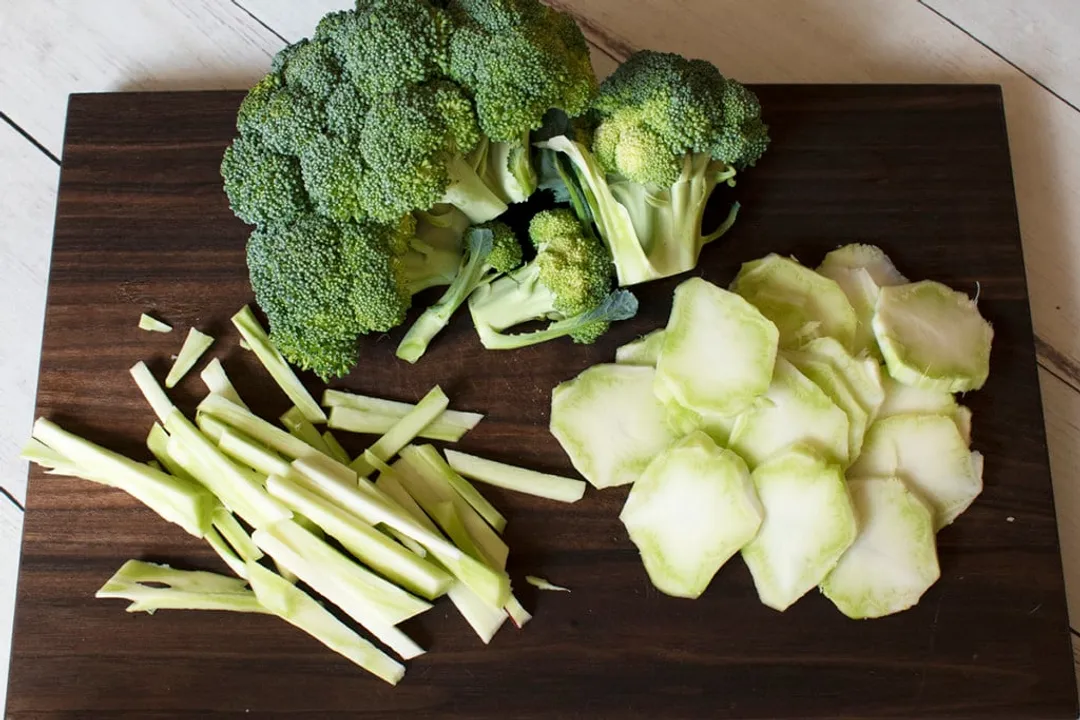
The leaves are where the majority of photosynthesis occurs, meaning they are rich in chlorophyll and various vitamins. [4] Leafy greens form one of the largest categories of vegetables we consume. [5]
The staples here are obvious: lettuce varieties, spinach, and cabbage. [4] These are the primary photosynthetic organs of the plant. [8] However, many leaves attached to otherwise popular root or fruit vegetables are frequently discarded. For example, the leaves of beets and turnips are entirely edible and nutritious, often called beet greens or turnip greens. [2][5] Swiss chard is another example where the leaf blade and the often colorful petiole (leaf stalk) are both widely eaten. [8]
When preparing these less-common greens, like turnip tops, a simple sauté with garlic and a touch of acid, such as lemon juice or vinegar, can balance the slight bitterness often associated with high-chlorophyll content, making them as palatable as any other dark green. [5]
# Flower Parts
It is easy to overlook that many prized vegetables are actually the unopened or just-opened flowers of the plant. [4] These parts tend to have more delicate textures and often require less cooking time than roots or stems. [8]
The most recognizable flower vegetables are broccoli and cauliflower, which are, in fact, immature flower heads or clusters of buds. [4][8] The artichoke is an even more elaborate example; what we eat is the immature flower bud, with the soft heart being the base of the flower structure itself. [4]
Furthermore, the actual blossoms of certain plants are highly prized culinary items. Squash blossoms, such as those from zucchini or pumpkin plants, are edible. [2][5] These are typically stuffed, battered, or simply wilted into pasta dishes. [5] Even broccolini, which is a hybrid, is valued for its edible flowering stalks. [2]
# Botanical Fruits
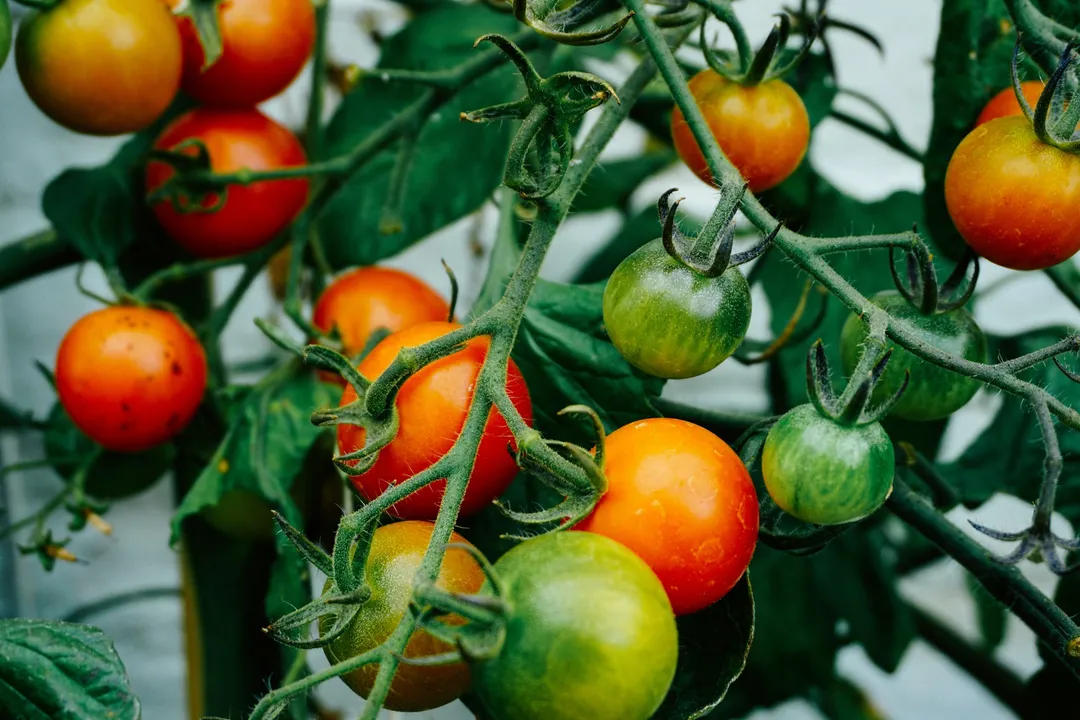
This category often causes the most confusion because the botanical definition relies on seed presence, while culinary use relies on flavor profile (savory vs. sweet). [4] In the garden, the fruit is the mature ovary of the flower, designed to protect and disperse seeds. [8]
Common vegetables that are botanically fruits include tomatoes, cucumbers, peppers, and eggplant. [4] Okra, with its distinct pods holding seeds, also falls into this category. [8] When you eat the flesh of a bell pepper, you are consuming the structure that houses the seeds. [4] Understanding this means we recognize that the preparation methods we use for these items align with how we treat other fruits, even if we don't put them in a dessert. [4]
# Seeds Bulbs
Seeds, the core reproductive units of the plant, are staples in many diets, often consumed as grains or legumes. [4] Peas and beans are classic examples where we eat the seed contained within a protective pod (which is technically the fruit wall). [4][8] Corn kernels are another prominent example; each kernel is a mature seed. [8]
While bulbs (like onions and garlic) were covered under underground parts as modified stems, they are also critical flavor bases. [4][8] The layered structure of an onion is essentially condensed, fleshy leaf bases designed for overwintering, distinguishing them from true roots. [8]
# Scrap Potential
The tendency to throw away large portions of purchased or harvested vegetables is an opportunity lost for both flavor and reducing food waste. [7] Many parts that end up in the compost bin are perfectly safe and often quite flavorful. [2][5]
Consider the carrot tops mentioned earlier. [2][7] While their texture is too wispy for a standard side vegetable, they are excellent when processed. A comparison of nutritional information shows that while the root is rich in Vitamin A precursors, the greens contain higher levels of Vitamin K. [5] A simple, high-yield way to use them without needing to mimic pesto (which can be heavy) is to finely mince the greens and incorporate them directly into ground meat mixtures for burgers or meatballs, using their herbaceous flavor to replace some herbs, or blending them into smooth vegetable stock bases. [7]
Another area often overlooked is the fennel fronds. [2] These delicate, feathery tops taste distinctly of anise or licorice and are far more potent than the bulb itself. Instead of tossing them, use them sparingly as a garnish, much like you would use dill, on top of creamy soups or fish dishes to add a sharp, aromatic lift. [2] This approach treats the scrap not as a substitute for the main vegetable, but as a potent seasoning agent, which is exactly what nature intended that part of the plant to be. [4]
To illustrate the sheer variety available, here is a quick reference chart of common parts:
| Plant Family Example | Primary Edible Part | Secondary Edible Part (Often Wasted) | Botanical Classification |
|---|---|---|---|
| Carrot | Root | Greens/Tops | Root |
| Radish | Root | Greens/Tops | Root |
| Cauliflower | Flower Head/Buds | Flower Stalks (Broccolini) | Flower |
| Leek | Stem/Sheath Base | Outer Tough Leaves (for stock) | Stem/Leaf Base |
| Zucchini | Fruit | Blossoms (Flowers) | Fruit |
| Kohlrabi | Swollen Stem | Leaves | Stem |
| Garlic | Bulb (Modified Stem/Leaves) | Green Shoots (if left too long) | Bulb/Stem |
| [2][4][8] |
# Kitchen Utility
Moving beyond simple identification, the true value comes from knowing how to apply these different parts practically in the kitchen. The texture dictated by the plant part is the most important factor in successful cooking. [4]
If a part is fibrous (like a thick celery stalk or the stem of broccoli rabe), it benefits from longer, slower cooking or slicing thinly against the grain. [8] If it is delicate (like a squash blossom or a young spinach leaf), it requires only brief heat exposure, often just enough to wilt it. [5] If the part is a starchy storage organ (like a potato or sweet potato), it needs thorough cooking to break down the starches into digestible sugars. [8]
In essence, every piece of the plant serves a purpose, whether it's anchoring the plant, catching sun, storing energy, or ensuring reproduction. [4] By paying attention to these edible sections, from the deepest root to the highest flower bud, we gain a more complete and resourceful understanding of our food supply. [7]
#Videos
Edible Plant Parts - Living for 4-H Fridays - YouTube
Related Questions
#Citations
15 Food Scraps You Didn't Know Were Edible (& Delicious!)
12 surprising vegetable parts you can eat
Edible parts of vegetables you may not know about - Facebook
A Guide to Edible Plant Parts - Project Learning Tree
Surprising Parts of Vegetables You Didn't Know You Could Eat, And ...
More than One Edible Part! These Plants are a Great Addition to an ...
Edible parts of plants you wouldn't expect? : r/vegetablegardening
What are 6 parts of the plant that we eat? Stems? Flowers? What else?
Edible Plant Parts - Living for 4-H Fridays - YouTube