What is the edible part of a plant called?
When we look at a plate of food, the origins of what we are consuming are surprisingly diverse, rooted deeply in the biology of the plant kingdom. The term used to describe the edible part of a plant is not a single, all-encompassing word for everything from a carrot to a kernel of corn; rather, it depends entirely on which botanical structure we have harvested. Virtually every major division of a plant—the subterranean storage organs, the primary structural supports, the photosynthetic surfaces, the reproductive structures, and the dispersal mechanisms—can yield something suitable for human consumption. Understanding these categories helps us appreciate both the cultivation practices and the nutritional variety found in our diets.
# Subterranean Storage
The parts of a plant that grow below the soil surface are typically specialized for storage, acting as reservoirs for energy the plant collects through photosynthesis. These subterranean organs are what we commonly call roots and tubers.
# Root Examples
A true root is the primary anchoring and water-absorbing structure, but many roots become fleshy and enlarged as they hoard sugars, making them mainstays in cooking worldwide. Carrots, for instance, are taproots, which develop thick and long to store food reserves. Similarly, beets and radishes fall into this category of edible storage roots. When considering the texture and culinary use of these underground structures, one notices a common thread: they are usually dense, firm, and require longer cooking times, or they are eaten raw when their water content is high enough to keep them crisp, like a radish.
A point worth noting is the structural ambiguity that sometimes confuses home cooks: we often group structures like sweet potatoes or potatoes with true roots. While the sweet potato is a storage root, the common potato is technically a stem tuber, which is a swollen underground stem section. This distinction highlights how we often use common names that override the strict botanical classification in everyday conversation. For example, kohlrabi is another interesting case; while sometimes mistaken for a root vegetable, it is botanically an enlarged, swollen stem that grows above ground but close to the soil line.
# Structural Stems

Stems are the plant’s main scaffolding, transporting water and nutrients between the roots and the leaves, and holding the leaves up to the sunlight. When we eat a stem, we are often consuming tissues designed for structure and conveyance, which usually translates to a fibrous or crisp texture in the kitchen.
# Stem Edibles
Asparagus is perhaps the quintessential example of an edible stem, where the tender, young shoots are harvested before they mature into full foliage. Celery stalks, which we eat in great volume, are technically petioles (leaf stalks) or the structural stems themselves, depending on the variety, characterized by their high water content and fibrous strings, which are the vascular bundles responsible for transport.
When examining vegetables like celery or asparagus, the texture is key. These parts contain significant cellulose, providing that satisfying crunch. This structural integrity is a direct reflection of the stem’s biological role in keeping the plant upright against gravity and wind. If a plant part is primarily about mechanical support, it will likely be chewier or firmer than a fruit designed to be soft for seed dispersal.
# Foliage Eaten

The leaves of a plant are the primary sites of photosynthesis, meaning they are often rich in chlorophyll and various secondary compounds that defend the plant from herbivores. This section of the plant is generally the most delicate in terms of structure, barring the thick, waxy leaves used for water storage.
# Leaf Varieties
When we consume leaves, we are consuming the primary solar collectors. Spinach, lettuce, kale, and cabbage all represent edible leaves, ranging from soft, tender types meant for immediate consumption to tougher leaves that benefit from cooking to break down their cellular walls. Cabbage, for instance, is essentially a dense collection of protective, overlapping leaves forming a tight head.
In culinary terms, the preparation method often directly correlates with the leaf’s original function. Soft, thin leaves like butter lettuce do little structural work and wilt almost instantly when heated. Tougher leaves, like those of collards or mature kale, have thicker cell walls requiring steaming or long simmering to make them palatable.
# Floral Structures
The flower is the reproductive organ of the plant, an often brightly colored structure designed to attract pollinators. While we often associate flowers with fragrance or simple beauty, several species produce edible blossoms that add unique visual appeal and flavor notes to dishes.
# Flower Examples
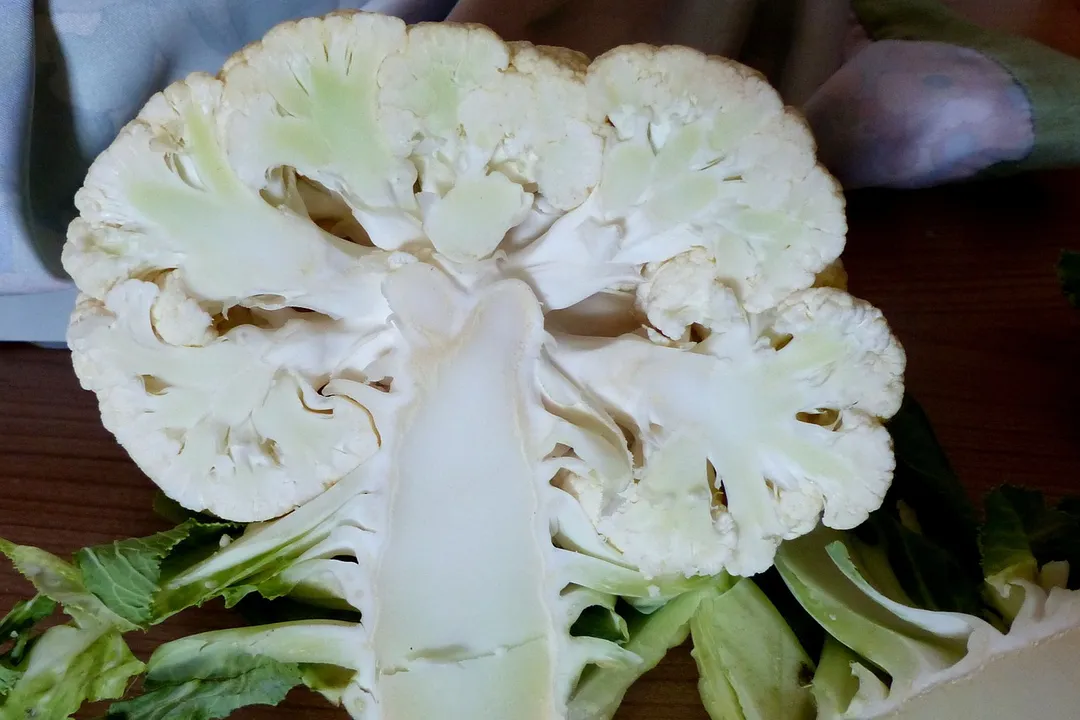
Broccoli and cauliflower are perhaps the most commonly consumed edible flowers, although technically, what we eat is the inflorescence, or an immature cluster of flower buds. Artichokes are another example; the part we eat is the large, unopened flower bud, and the fuzzy center (the choke) is the mass of immature florets. Beyond these common vegetables, delicate blossoms like squash blossoms or nasturtiums are used in salads or as garnishes, valued for their ephemeral texture and subtle taste.
# Dispersal Mechanisms
The fruit and the seed are intrinsically linked, as the fruit develops from the flower’s ovary to protect and facilitate the dispersal of the seed—the embryo of the next generation.
# The Fruit Puzzle
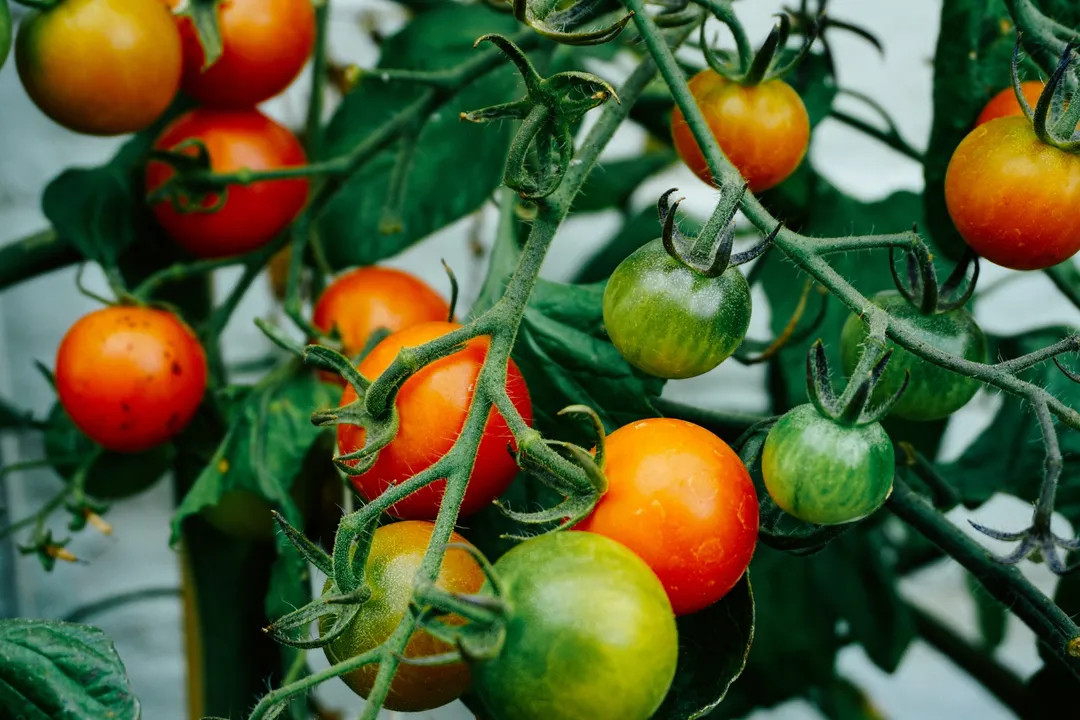
In botany, a fruit is the mature, ripened ovary of a flowering plant, containing the seeds. This means that many items we classify as vegetables in the kitchen—like tomatoes, cucumbers, peppers, and squash—are botanically fruits because they contain seeds.
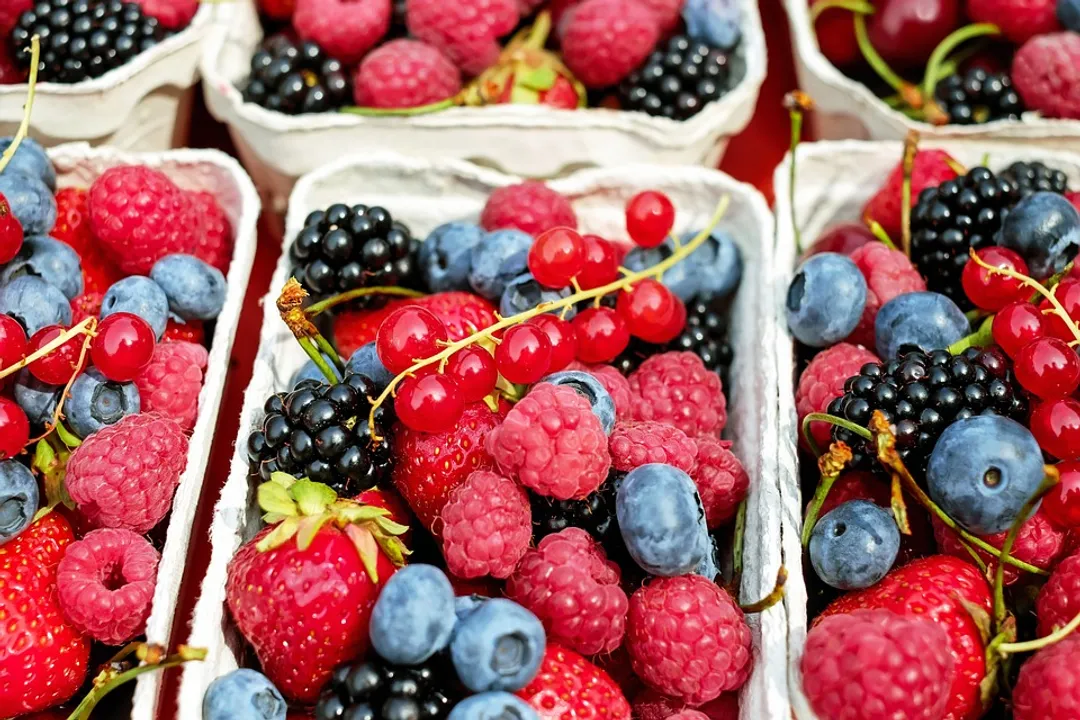
The edible part of the fruit is typically juicy and sweet or tart because its biological purpose is to entice an animal to eat it, thereby carrying the seeds away from the parent plant. Apples, berries, and melons fit this sugary profile perfectly. When contrasting a botanical fruit with a culinary vegetable, the key differentiator is the presence and nature of the seeds embedded within the edible flesh.
# Seed Power
Seeds are incredibly important to human civilization, representing the most concentrated form of stored energy in the plant kingdom, designed to sustain the embryo until germination.
This category encompasses a massive array of foods:
- Grains: Wheat, rice, corn, and oats are all technically the dry, single-seeded fruits (caryopses) of grasses. This makes staples like bread and pasta fundamentally derived from seeds.
- Legumes: Beans and peas are the seeds found inside the pods (which are the fruit) of plants in the legume family.
- Nuts: Almonds, walnuts, and pecans are also seeds, often encased in hard shells, representing highly caloric, energy-dense food sources.
If one were to analyze food sources by caloric density per edible part, the seeds generally top the list. This is a direct evolutionary trade-off: the seed requires maximum stored energy to survive dormancy and initiate growth, whereas leaves and stems are mostly water and cellulose. Thinking about how we process them—milling grains, drying beans, or cracking nuts—reveals that our preparation methods are often geared toward breaking through protective layers (husks, hulls) to access this concentrated internal energy source. A simple trick for the home cook or gardener to begin categorizing unfamiliar edible parts is to ask: Does this structure develop from the flower's base and house an embryo? If yes, it is a fruit or seed, and it will likely have a higher sugar or fat concentration than its root or leaf counterparts.
# Synthesis and Culinary Context
The recognition that we consume roots, stems, leaves, flowers, fruits, and seeds provides a deep appreciation for how thoroughly humanity has integrated plant life into its diet. Botanically, these parts have distinct, non-overlapping functions, yet culinarily, we often group them based on texture or flavor profile—a sweet fruit might be used like a vegetable (e.g., pumpkin), and a tough leaf might be treated like a stem (braised).
If you are looking to maximize the nutritional spectrum of your meals, a conscious effort to include at least one item from each of the six primary categories across your weekly meals is an effective, though perhaps overly simplistic, guideline. For instance, a standard balanced dinner might feature a root (sweet potato), a leaf (spinach), and a seed (rice), but might neglect the stem, flower, or non-culinary fruit component.
Another way to view this is through the lens of resource management in gardening. Knowing which part you are targeting dictates when you harvest. You must let roots mature underground, you must harvest stems like asparagus before they develop leaves, and you must harvest fruits when their seeds are mature but the flesh is still desirable for dispersal. This timing is the practical application of botanical knowledge. For example, if you allow a stem vegetable like broccoli (edible flower buds) to continue growing, the buds open into full flowers, drastically changing the texture and flavor, a clear sign that the plant has moved past the desired edible stage for that particular part. This transition from storage organ to reproductive structure marks the end of the optimal harvest window for many common vegetables.
#Videos
Plant Parts You Eat - YouTube
Related Questions
#Citations
What are 6 parts of the plant that we eat? Stems? Flowers? What else?
Edible plant stem - Wikipedia
What are the different parts of a plant that are edible? - Facebook
Do You Know Which Part of the Plant You're Eating? - Brooklyn ...
1.3: Plant Parts we Eat - Biology LibreTexts
The edible parts of plants are called parts - Brainly.in
A Guide to Edible Plant Parts - Project Learning Tree
What is the umbrella term for all edible plants? - Reddit
Plant Parts You Eat - YouTube