Why is jam called preserve?
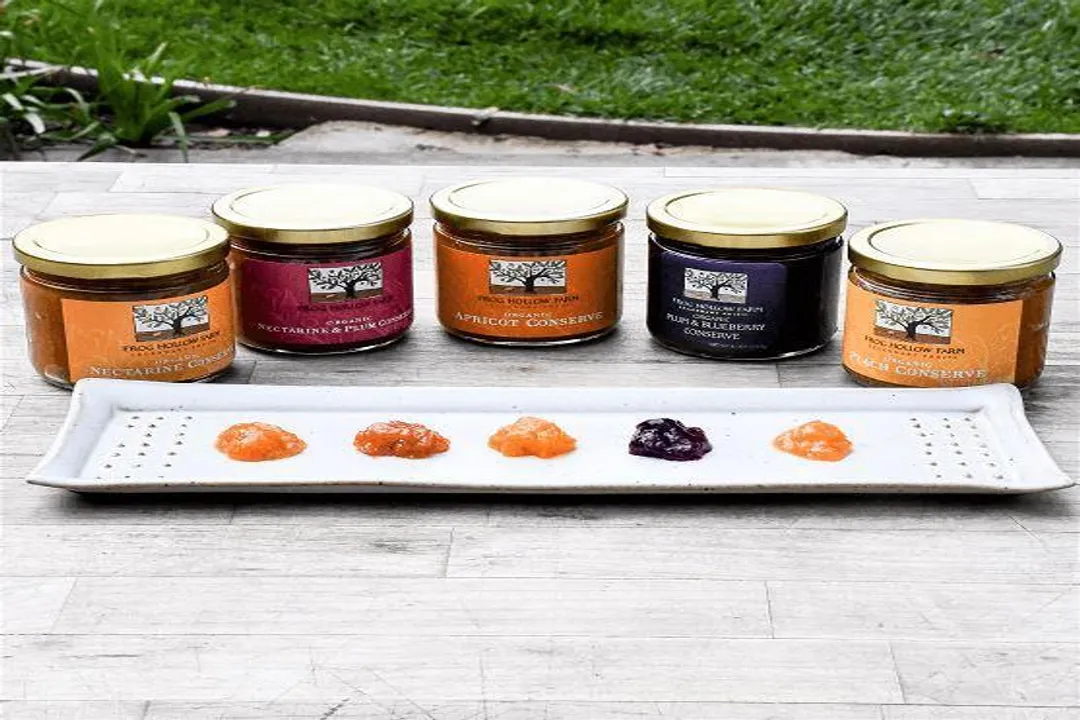
The simple act of taking seasonal fruit and transforming it into something that can sit on a pantry shelf for months carries a heavy historical name: preservation. This is the fundamental reason why the term "preserve" exists in this culinary space, even when we might be reaching for what is technically labeled as jam or jelly. [5] When cooking fruit with sugar, the goal is, and historically has always been, to extend the lifespan of the harvest, resisting the natural process of decay. [5] Over time, as techniques evolved and commercial standards were applied, this broad concept of fruit preserves began to splinter into several distinct, recognizable textures and consistencies, each defined by how much of the original fruit structure remained after cooking. [2][3]
# Naming Roots
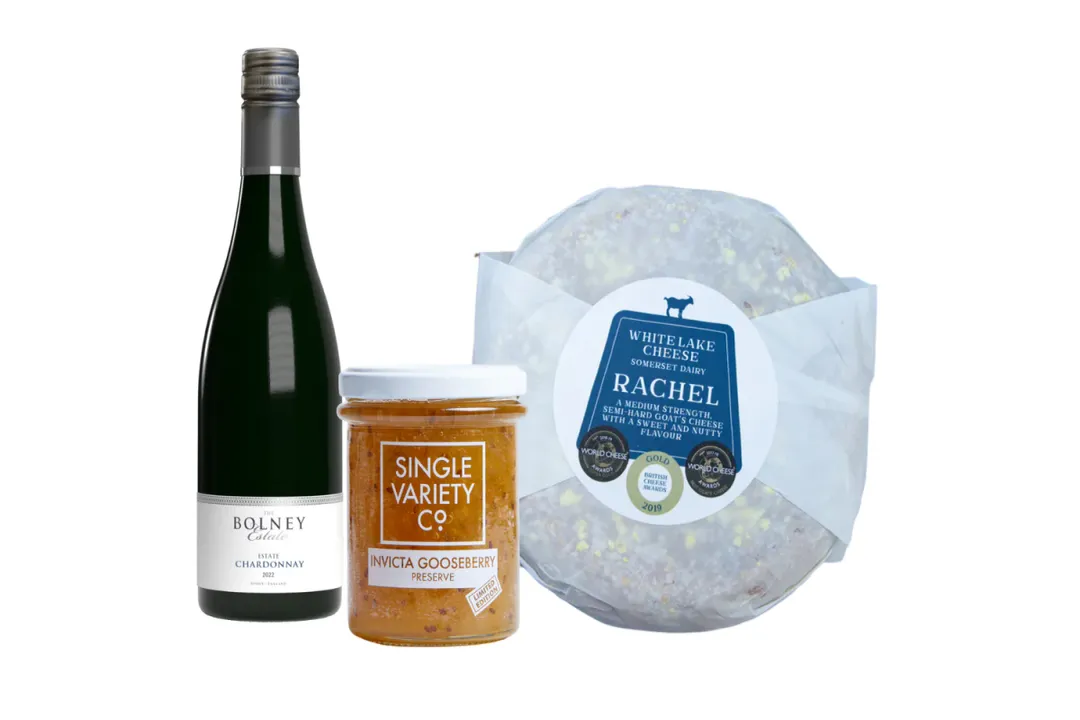
The origin of these sweet spreads is deeply rooted in necessity. Before reliable refrigeration, sugar was one of the few effective agents for keeping fruit safe to eat long after the picking season ended. [5] Therefore, any fruit spread made with sugar was, by definition, a preserve. This overarching term is still widely recognized as the general classification for fruit cooked with sweeteners for the purpose of long-term storage. [3] Many modern definitions now acknowledge that "fruit preserves" serves as the umbrella category under which jelly, jam, and true preserves all fall. [2][6]
# Defining Terms
While "preserve" names the act, it also names a specific product, which is where the confusion often begins. The difference between the various sweet spreads comes down to the state of the fruit used and the final texture achieved. [3] Regulatory bodies and culinary experts have established technical guidelines, particularly in places like the United States, to differentiate these products based on the physical structure they retain. [1]
In general terms, a product is considered a jelly when it is made using only strained fruit juice and sugar, resulting in a clear, often very firm spread that holds its shape when removed from the jar. [2][3][10] It should never contain seeds or pulp. [2]
When we move to jam, the preparation involves using crushed or puréed fruit cooked with sugar. [2][3] This method breaks down the fruit structure, yielding a softer, more spreadable product that contains the pulp of the original fruit, but not necessarily large, intact pieces. [10]
The term preserves (when used as a specific category distinct from jam) is reserved for fruit that is cooked whole or in large, distinct pieces suspended in a syrup or a less firm jelly-like base. [2][3][10] This maintains the integrity of the original fruit to the greatest extent possible among the common types. [4]
# Texture Splits
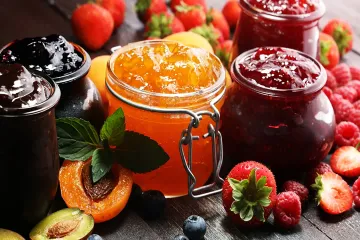
The critical distinction often boils down to texture and the visibility of the fruit pieces. If you scoop a spoonful, does it break apart easily, or do you see recognizable segments of the original fruit suspended in the surrounding gel?[1]
The decision to create a jam versus a preserve often reflects the desired mouthfeel. When a maker chooses to fully break down the fruit before cooking, yielding a uniform consistency, they are aiming for a jam. [3] This is ideal for applications where the fruit needs to blend smoothly, perhaps in a filling or a quick toast spread. [1] Conversely, when the focus is on showcasing the fruit itself—perhaps beautiful halved strawberries or whole blueberries—the "preserve" designation is applied because the fruit pieces are preserved intact. [2][4]
This emphasis on structure versus smoothness helps clarify the nomenclature. A simple way to view the manufacturing intent is that jelly prioritizes the juice, jam prioritizes the pulp, and preserves prioritizes the whole piece. [2]
Considering this structural difference, it becomes clear that for certain fruits, the method is almost inherent to their nature. Citrus fruits, like oranges and lemons, lend themselves perfectly to the "preserve" style because their peel and pulp are integral to the flavor profile, which leads us directly to marmalade. [9]
# Other Relatives
The family of fruit spreads has a few other noteworthy members that clarify the role of preserves:
# Marmalade
Marmalade is essentially a specific type of preserve, distinguished entirely by its source material: it must be made from citrus fruits and includes the peel, pulp, or juice of fruits like oranges, lemons, limes, or grapefruit. [2][3][9]
# Conserves
A conserve is another close cousin, sometimes defined as a preserve that specifically incorporates a mixture of fruits, often alongside other additions like nuts or dried fruit. [2][9] If you find a spread featuring apricots and walnuts, for example, it likely fits the conserve classification rather than a standard fruit preserve. [9]
To make these distinctions easier to recall, we can summarize the textural hierarchy based on how much of the fruit remains visible and intact:
| Product | Primary Fruit State | Texture Description |
|---|---|---|
| Jelly | Strained Juice Only | Clear, firm gel |
| Jam | Crushed or Puréed Fruit | Soft, spreadable pulp |
| Preserves | Whole Fruit or Large Pieces | Fruit suspended in syrup/gel |
| Marmalade | Citrus Fruit (with peel) | Gel containing peel pieces |
| Conserve | Mixed Fruits (often with nuts) | Varies, chunkier than jam |

# Regional Language
One significant reason for the apparent complexity—and why the question of "Why is jam called preserve?" keeps coming up—is the difference in terminology used across geographical boundaries, particularly between the United States and the United Kingdom. [6]
In the United States, the distinctions outlined above are often strictly followed according to FDA definitions, meaning jam has crushed fruit and preserves have whole or large pieces. [1] However, this strictness is not universal even within the US market, and some companies may use the terms interchangeably depending on branding or historical naming conventions. [6][8]
In the UK and other international markets, the term "preserve" frequently functions as the general, everyday word for any sweet fruit spread, including what Americans might strictly call jam. [4][6] A product labeled "Strawberry Preserve" in one country might be found labeled simply "Strawberry Jam" in another, despite having the same physical characteristics—that is, crushed fruit, not whole pieces. [6] This linguistic variation means that the word "preserve" retains its broad, historical meaning in common speech even where technical definitions exist. [4]
# Official Standards
The existence of these standards, even if sometimes loosely applied commercially, lends authority to the terminology. For instance, in the US, if a product is labeled "jam," it must contain at least 55% fruit ingredients by weight. [1] If it's labeled "preserves," the requirement for the fruit itself is often higher, emphasizing the substantial presence of whole or large fruit pieces—sometimes requiring that 50% of the final weight be attributable to identifiable fruit pieces, which is a higher bar than simply containing fruit pulp. [1]
When a manufacturer opts for the "preserve" label over "jam," they are usually signaling an investment in fruit quality and preparation time dedicated to keeping the fruit structure intact. [4] This often translates to a higher perceived quality or artisanal nature, even if the base sugar content is identical to a jam. [4] It’s a subtle form of product differentiation based on preparation technique rather than just ingredients.
This consistency in definition, at least technically, is what allows consumers to expect a certain bite when they purchase preserves versus jam. If we think about the canning process itself, the gentle handling required not to break down whole fruits into jam-like mush is an extra step. [2] Therefore, calling it a preserve isn't just about avoiding spoilage; it’s a marketing signal that they adhered to the more delicate preparation method. [4]
In essence, jam is called a preserve because, at its historical inception, all sweetened fruit spread was a preserve, and the word stuck as the name for the entire family of products, even as specialized terms emerged to describe the specific textures within that family. [5][3]
Related Questions
#Citations
Americans of reddit explain the difference between Jam, Preserve ...
What's The Difference Between Jam, Preserve, Jelly, Marmalade ...
Fruit preserves - Wikipedia
The difference between a jam and preserve... - Single Variety Co
A History of Jam and Preserves - Freshways
Jam? Preserve? Confiture? What's the difference? In the U.S., we ...
What's the Difference Between Jam, Jelly, and Preserves? | Britannica
Jam, Fruit Spread, or Preserve | the Explanation - Oregon Growers
Jelly, jam, preserves, fruit butters and conserves, what is the ...
What Is the Difference Between Jam and Jelly? - Smucker's®